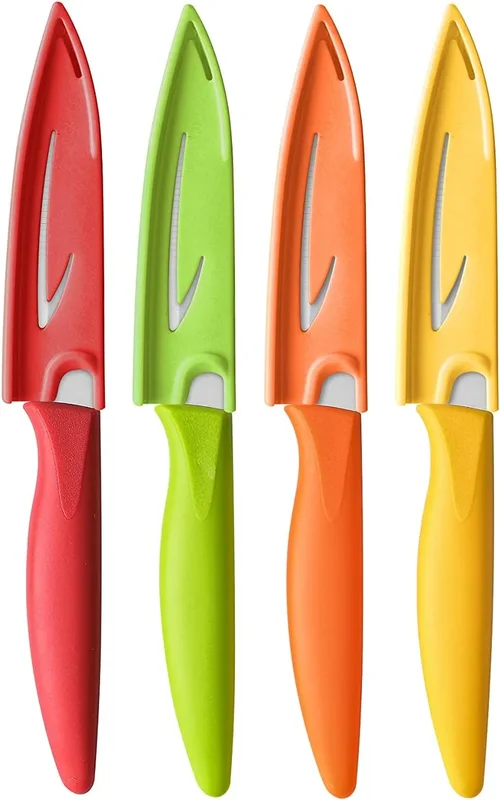
When it comes to building a well-equipped kitchen, few decisions are as fundamental—and as often misunderstood—as choosing the right knives. Among the most essential tools in any cook’s arsenal are the paring knife and the utility knife. These two blades may look similar at first glance, but they serve distinct purposes, excel in different scenarios, and cater to unique culinary needs. Whether you’re a home cook preparing weeknight dinners or a seasoned chef crafting intricate dishes, understanding the difference between a paring knife and a utility knife can dramatically improve your efficiency, precision, and overall cooking experience.
This comprehensive buyer’s guide is designed to cut through the confusion and deliver expert-level insights into when—and why—you should use each knife. We’ll explore the anatomy, function, and ideal applications of both tools, helping you make informed decisions based on your cooking style, kitchen setup, and budget. You’ll learn how to evaluate key factors like blade length, handle ergonomics, steel quality, and edge retention, so you can confidently select knives that not only perform well but also last for years. From debunking common myths to offering real-world usage examples, this guide covers everything you need to know to upgrade your knife game in 2026.
The kitchen knife market has evolved significantly over the past decade, with innovations in materials, manufacturing techniques, and design philosophy reshaping what we expect from our tools. High-carbon stainless steel, Japanese Damascus cladding, ergonomic composite handles, and laser-honed edges are now more accessible than ever—even at mid-range price points. Yet, despite these advancements, many buyers still struggle to distinguish between basic knife types, often purchasing a utility knife when they really need a paring knife, or vice versa. This guide aims to eliminate that confusion by providing a clear, actionable roadmap for choosing the right blade for the right job. Whether you’re building your first knife set or refining a professional collection, the knowledge you gain here will serve you well in every culinary endeavor.

What to Look for When Buying Buying Guide
1. Blade Length and Shape
The most immediate difference between a paring knife and a utility knife lies in blade length. A paring knife typically ranges from 3 to 4 inches, making it ideal for detailed, close-to-the-board work. Its short, narrow blade allows for exceptional control when peeling apples, deveining shrimp, or trimming herbs. In contrast, a utility knife usually measures between 4.5 and 6 inches—long enough to handle slightly larger tasks like slicing tomatoes, chopping small vegetables, or cutting sandwiches, but not so long that it becomes unwieldy for precision work. The shape also varies: paring knives often feature a straight or slightly curved edge, while utility knives may have a more pronounced belly for rocking motions.
When evaluating blade length, consider your hand size and grip style. A person with smaller hands may find a 3.5-inch paring knife more comfortable, while someone with larger hands might prefer a 4-inch version for better leverage. Similarly, a 5-inch utility knife strikes a sweet spot for most users, offering versatility without sacrificing control. Always test the balance—does the blade feel front-heavy or evenly distributed? A well-balanced knife reduces hand fatigue and improves accuracy.
2. Steel Type and Edge Retention
The material of the blade directly impacts performance, durability, and maintenance requirements. High-carbon stainless steel is the gold standard for both paring and utility knives, offering a balance of sharpness, corrosion resistance, and ease of sharpening. Japanese brands like Shun and Miyabi often use VG-10 or SG2 steel, known for their fine grain structure and exceptional edge retention. German manufacturers like Wüsthof and Zwilling favor X50CrMoV15, a robust steel that holds up well under heavy use.
For paring knives, where precision is paramount, a harder steel (HRC 58–62) is preferable because it maintains a razor-sharp edge longer. Utility knives, which may encounter tougher tasks like cutting through bread crusts or dense vegetables, benefit from slightly softer steel (HRC 54–58) that resists chipping. Look for full tang construction—where the blade extends through the handle—for added strength and balance. Avoid stamped blades in budget models if you plan to use your knives frequently; forged blades generally offer better performance and longevity.
3. Handle Ergonomics and Grip
A knife is only as good as the comfort it provides during use. Handles should feel secure in your hand, with contours that prevent slipping—especially when wet. Paring knives, due to their small size, often feature tapered handles that allow for fingertip control, enabling delicate maneuvers like scoring citrus zest or removing seeds from chiles. Utility knives, being slightly larger, may have broader handles with finger guards to protect against accidental cuts during repetitive tasks.
Materials matter too. Traditional wooden handles offer a classic feel but require regular oiling to prevent cracking. Modern synthetics like POM (polyoxymethylene) or G-10 provide superior grip, moisture resistance, and durability. Some premium models use composite materials or textured rubber for enhanced control. When testing a knife, pay attention to how it feels after 10–15 minutes of continuous use—does your hand cramp? Does the handle dig into your palm? These subtle discomforts can escalate during long prep sessions.
4. Intended Use and Task Suitability
This is where the core distinction between paring and utility knives becomes clear. A paring knife shines in tasks requiring finesse: peeling fruits, trimming fat from meat, hulling strawberries, or creating garnishes. Its compact size allows you to work directly over a cutting board without obstruction, making it indispensable for detail-oriented cooking. Think of it as the scalpel of the kitchen—small, precise, and unforgiving of mistakes.
The utility knife, on the other hand, bridges the gap between a paring knife and a chef’s knife. It’s versatile enough to handle light chopping, slicing, and dicing tasks that are too small for a full-sized chef’s knife but too large for a paring knife. Use it for slicing cucumbers, mincing garlic, cutting herbs, or even portioning small cuts of meat. It’s the “do-it-all” knife for everyday cooking, especially in smaller kitchens where drawer space is limited.
5. Maintenance and Sharpening Requirements
All knives require maintenance, but the frequency and method depend on the blade material and usage. Paring knives, due to their fine edges, dull quickly if used on hard surfaces like glass or ceramic cutting boards. Always use wood or plastic boards to preserve sharpness. Utility knives, while more robust, still benefit from proper care—especially if used for tougher tasks like cutting bread or root vegetables.
Sharpening tools vary: whetstones offer the most control and produce the sharpest edges but require practice. Honing rods realign the edge between sharpenings and are essential for maintaining performance. Electric sharpeners are convenient but can remove too much metal if used incorrectly. For most home cooks, a combination of a honing rod (used weekly) and a whetstone (used every few months) is ideal. Consider the ease of maintenance when choosing a knife—some high-end steels hold an edge longer but are harder to sharpen at home.
6. Budget and Value for Money
Knife prices vary widely, from under $20 for basic stamped blades to over $200 for hand-forged Japanese models. However, price doesn’t always correlate with performance. A well-made $50 utility knife can outperform a $150 model with poor balance or inferior steel. Focus on value—what you get for your money in terms of materials, craftsmanship, and longevity.
Entry-level knives often use lower-grade stainless steel and partial tangs, which can lead to rust, bending, or handle separation over time. Mid-range knives ($50–$120) typically offer full tangs, better steel, and improved ergonomics—making them the sweet spot for most buyers. Premium knives ($120+) may feature Damascus cladding, hand-hammered finishes, or exotic handle materials, but these are often more about aesthetics than function. Unless you’re a professional or serious enthusiast, mid-range models usually provide the best balance of quality and cost.
7. Brand Reputation and Craftsmanship
Not all knife brands are created equal. Established names like Wüsthof, Zwilling, Global, and Victorinox have decades of experience and consistent quality control. Japanese brands such as Shun, Miyabi, and Tojiro are renowned for their precision and attention to detail. Lesser-known brands may offer attractive prices, but inconsistent manufacturing can lead to uneven edges, poor balance, or premature wear.
Research brand heritage and read user reviews to gauge reliability. Look for companies that offer lifetime warranties or free sharpening services—these are signs of confidence in their products. Avoid “bargain bin” knives sold in big-box stores without clear branding or origin information. A reputable brand not only ensures better performance but also better customer support if issues arise.
8. Warranty and Customer Support
A good warranty is a strong indicator of a manufacturer’s commitment to quality. Most premium knife brands offer lifetime warranties against defects in materials and workmanship. Some even cover accidental damage or provide free repairs. Mid-range brands may offer 10–20 year warranties, while budget options often have limited or no coverage.
Check the fine print: Does the warranty require registration? Is it transferable? Are there exclusions for normal wear and tear? Also consider customer service responsiveness—can you easily contact support if your knife chips or the handle loosens? Brands with strong reputations often have dedicated service centers or partnerships with local sharpeners. Investing in a knife with solid backing can save you money and frustration in the long run.
Different Types of Buying Guide

Common Buying Mistakes to Avoid
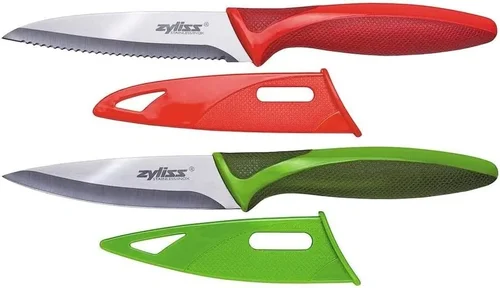
❌ Mistake: Buying Based Solely on Price
Why it’s bad: Choosing the cheapest knife available often leads to poor performance, frequent sharpening, and early replacement. Low-cost knives may use inferior steel that rusts, bends, or loses its edge quickly, costing more in the long run.
What to do instead: Focus on value, not just price. Invest in a mid-range knife from a reputable brand. A $60 utility knife that lasts 10 years is a better deal than a $20 knife that needs replacing every year.
❌ Mistake: Confusing Paring and Utility Knives
Why it’s bad: Using a paring knife for heavy chopping can damage the blade, while using a utility knife for delicate peeling reduces precision and increases the risk of injury.
What to do instead: Understand the intended use of each knife. Keep a paring knife for detail work and a utility knife for light slicing and chopping. If you only have one, choose a 5-inch utility knife for broader versatility.
❌ Mistake: Ignoring Handle Comfort
Why it’s bad: An uncomfortable handle causes hand fatigue, reduces control, and increases the chance of slips or accidents—especially during long prep sessions.
What to do instead: Test the knife in person if possible. Look for ergonomic designs with non-slip materials. Consider your grip style—some prefer a pinch grip near the blade, others a full handle grip.
❌ Mistake: Overlooking Maintenance Needs
Why it’s bad: Assuming a knife will stay sharp forever leads to frustration and poor cutting performance. Dull knives are more dangerous than sharp ones because they require more force.
What to do instead: Learn basic sharpening and honing techniques. Invest in a quality honing rod and whetstone. Store knives properly—use a knife block, magnetic strip, or blade guards to protect the edge.
❌ Mistake: Buying a Full Set Without Evaluating Individual Needs
Why it’s bad: Knife sets often include redundant or unnecessary blades, wasting money and drawer space. You may end up with multiple utility knives but no good paring knife.
What to do instead: Buy knives individually based on your cooking habits. Start with a chef’s knife, paring knife, and utility knife—then add specialty blades as needed.
❌ Mistake: Neglecting Blade Material and Construction
Why it’s bad: Stamped blades may look similar to forged ones but are thinner, less durable, and harder to sharpen. Poor steel quality leads to rust and edge degradation.
What to do instead: Look for full tang construction and high-carbon stainless steel. Research the steel type (e.g., VG-10, X50CrMoV15) and hardness rating (HRC). Avoid knives with vague material descriptions.
❌ Mistake: Not Considering Storage and Safety
Why it’s bad: Loose knives in a drawer can damage blades and pose a safety hazard. Improper storage dulls edges faster and increases the risk of cuts when reaching in.
What to do instead: Use a knife block, in-drawer tray, or magnetic strip. Always store knives with blade guards if transporting. Keep them dry and clean to prevent corrosion.
Budget Guidelines: How Much Should You Spend?
- Entry-Level ($15–$30): These knives are suitable for occasional use or beginners. Expect stamped blades, partial tangs, and basic stainless steel. Brands like Mercer Culinary and Victorinox offer reliable options in this range. While they won’t hold an edge as long as pricier models, they’re a good starting point for those on a tight budget.
- Mid-Range ($30–$80): This is the sweet spot for most home cooks. Knives in this tier typically feature full tangs, better steel (like X50CrMoV15 or AUS-8), and improved ergonomics. Brands such as Wüsthof Classic, Zwilling Pro, and Global offer excellent paring and utility knives here. You’ll get solid performance, durability, and ease of maintenance without breaking the bank.
- Premium ($80–$150): Ideal for serious home cooks and culinary enthusiasts. These knives often use high-end steels (VG-10, SG2), Damascus cladding, and hand-forged construction. Expect superior edge retention, balance, and aesthetics. Shun, Miyabi, and Tojiro are standout brands in this category. The investment pays off in long-term performance and satisfaction.
- Luxury ($150+): Reserved for professionals or collectors. These knives may feature rare materials, custom handles, or artisanal craftsmanship. While beautiful and functional, the performance gains over premium models are often marginal. Unless you’re a professional chef or knife aficionado, this tier offers diminishing returns.
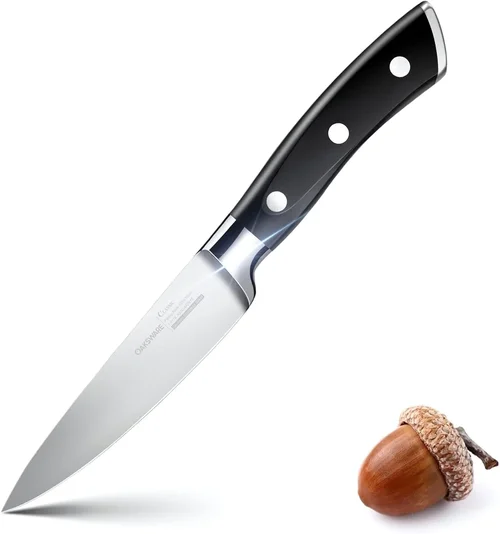
Expert Tips for Getting the Best Deal
- Buy During Seasonal Sales: Look for discounts during Black Friday, Cyber Monday, or post-holiday clearance events. Many retailers offer 20–40% off premium knife brands. Sign up for newsletters to get early access to deals.
- Shop at Specialty Kitchen Stores: Stores like Sur La Table, Williams Sonoma, or local cutlery shops often have knowledgeable staff and allow you to test knives before buying. They may also offer free sharpening or lifetime warranties.
- Consider Online Retailers with Return Policies: Websites like Amazon, ChefKnivesToGo, or KnifeCenter offer competitive prices and generous return windows. Read reviews carefully and check seller ratings to avoid counterfeit products.
- Look for Refurbished or Open-Box Deals: Some manufacturers sell refurbished knives at significant discounts. These are often inspected, sharpened, and come with full warranties—making them a smart way to save on high-end models.
- Bundle with Other Kitchen Tools: Some retailers offer discounts when you buy multiple items. Pairing a knife purchase with a cutting board, honing rod, or sharpening stone can increase overall value.
- Check for Manufacturer Rebates or Promotions: Brands like Wüsthof or Shun occasionally run promotions offering free shipping, gift cards, or bonus items with purchase. Follow their social media or subscribe to updates.
- Test Before You Buy: If possible, handle the knife in person. Pay attention to weight, balance, and grip. A knife that feels right in your hand will perform better and last longer.
- Prioritize Warranty and Support: A good warranty can save you money on repairs or replacements. Choose brands with strong customer service and clear warranty terms.

Frequently Asked Questions
Q: Can I use a utility knife instead of a paring knife?
A: Yes, but with limitations. A utility knife can handle light peeling or trimming, but its larger size reduces precision for delicate tasks like hulling strawberries or scoring citrus. For best results, use each knife for its intended purpose.
Q: What’s the difference between a utility knife and a chef’s knife?
A: A chef’s knife (typically 8–10 inches) is designed for heavy-duty chopping, slicing, and dicing. A utility knife is smaller and more maneuverable, ideal for tasks too large for a paring knife but too small for a chef’s knife.
Q: Do I really need both a paring and utility knife?
A: If you cook regularly, yes. The paring knife excels at detail work, while the utility knife handles everyday slicing and chopping. Together, they cover most kitchen tasks efficiently.
Q: How often should I sharpen my knives?
A: It depends on usage. Home cooks may need to sharpen every 3–6 months. Use a honing rod weekly to maintain the edge between sharpenings. Signs of dullness include tearing instead of cutting and increased effort.
Q: Are Japanese knives better than German knives?
A: Not necessarily—it depends on your needs. Japanese knives are typically lighter, sharper, and better for precision. German knives are heavier, more durable, and better for tough tasks. Choose based on your cooking style.
Q: Can I put my knives in the dishwasher?
A: No. Dishwashers expose knives to high heat, harsh detergents, and movement that can damage blades and handles. Always hand wash and dry immediately.
Q: What’s a petty knife, and how is it different?
A: A petty knife is a Japanese-style utility knife, usually 4–6 inches, with a thin, sharp blade. It’s excellent for precision slicing and vegetable work, bridging the gap between paring and chef’s knives.
Q: How do I store my knives safely?
A: Use a knife block, magnetic strip, or in-drawer tray. Avoid tossing knives into drawers without protection. Blade guards are essential for travel or storage in tight spaces.
Q: What’s the best way to sharpen a paring knife?
A: Use a fine-grit whetstone (1000+ grit) at a 15–20 degree angle. Pull the blade toward you in a sweeping motion, alternating sides. Finish with a leather strop for a razor edge.
Q: Are serrated utility knives worth it?
A: Yes, if you frequently cut bread, tomatoes, or soft-skinned fruits. The serrations grip the surface without crushing it. However, they’re harder to sharpen, so consider a separate bread knife if you don’t need the versatility.
Our Final Recommendations
- Best for Budget-Conscious Buyers: Victorinox Swiss Classic Paring Knife (3.25″) and Utility Knife (5″) – Reliable, sharp, and affordable. Perfect for beginners or those on a tight budget.
- Best Overall Value: Wüsthof Classic Paring Knife (3.5″) and Utility Knife (5″) – Excellent balance of quality, performance, and price. Full tang, high-carbon steel, and lifetime warranty.
- Best Premium Option: Shun Classic Paring Knife (4″) and Petty Knife (5.5″) – Razor-sharp VG-10 steel, beautiful Damascus finish, and exceptional edge retention. Ideal for enthusiasts.
- Best for Beginners: Mercer Culinary Genesis Paring and Utility Knife Set – Durable, easy to maintain, and comes with a protective sheath. Great for learning proper knife skills.
- Best for Advanced Users: Miyabi Birchwood SG2 Paring Knife (4″) and Utility Knife (5.5″) – Hand-forged, ice-hardened steel with stunning aesthetics. For those who demand the finest tools.
Conclusion: Making the Right Choice
Choosing between a paring knife and a utility knife isn’t about picking a winner—it’s about understanding their unique roles and how they complement each other in the kitchen. The paring knife is your go-to for precision, while the utility knife offers versatility for everyday tasks. By evaluating factors like blade length, steel quality, handle comfort, and intended use, you can build a knife collection that enhances your cooking rather than hinders it.
Remember, the best knife is the one that feels right in your hand and suits your cooking style. Don’t be swayed by trends or marketing hype. Invest in quality, maintain your tools properly, and prioritize function over form. Whether you’re peeling an apple or slicing a tomato, the right knife makes all the difference.
As you move forward in 2026, let this guide serve as your compass. Use it to compare options, avoid common pitfalls, and make confident decisions. Your kitchen deserves tools that perform as well as you do. So take the time to choose wisely—your future meals will thank you.