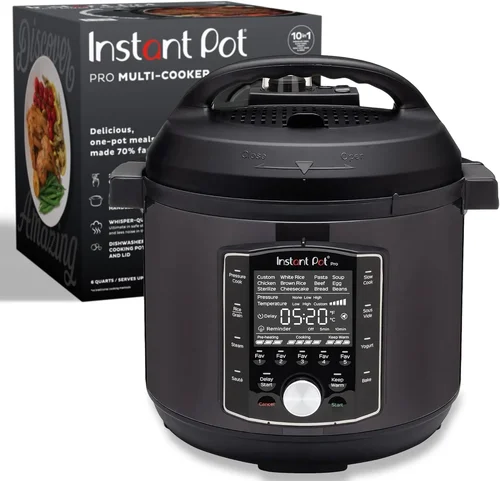
The Instant Pot has revolutionized home cooking since its debut, transforming the way families, busy professionals, and culinary enthusiasts prepare meals. What began as a simple electric pressure cooker has evolved into a multifunctional kitchen powerhouse—capable of pressure cooking, slow cooking, rice preparation, yogurt making, sautéing, steaming, and even baking. With dozens of models now on the market, choosing the right one can feel overwhelming. That’s where this comprehensive buying guide comes in. Whether you’re a first-time buyer or looking to upgrade from an older model, understanding what separates a basic Instant Pot from a premium one is essential to making a smart, long-term investment.
In this guide, we’ll cut through the marketing noise and technical jargon to deliver expert-level insights into the best premium Instant Pot models worth the splurge in 2026. You’ll learn how to evaluate performance, build quality, smart features, and long-term reliability—not just flashy specs. We’ll compare top-tier models, break down common purchasing mistakes, and provide actionable tips to help you get the best value for your money. Our goal isn’t to sell you the most expensive model, but to help you find the one that aligns perfectly with your cooking habits, kitchen space, and lifestyle needs. By the end, you’ll have the confidence to choose an Instant Pot that delivers exceptional results for years to come.
The Instant Pot market has matured significantly over the past decade. While early adopters were drawn to the convenience of fast, hands-off cooking, today’s consumers demand more: intuitive interfaces, app connectivity, energy efficiency, and durable construction. Premium models now include advanced safety systems, precision temperature control, and even AI-assisted cooking programs. At the same time, competition from brands like Ninja, Breville, and Cosori has pushed Instant Pot to innovate further, resulting in higher-quality builds and smarter functionality. This guide focuses specifically on those premium-tier models—devices that justify their higher price tags with real-world performance, longevity, and user experience enhancements that budget options simply can’t match.

What to Look for When Buying Instant Pots
1. Performance Specifications
When evaluating any Instant Pot, performance specs are the foundation of your decision. Look beyond the wattage number—though that matters—and focus on pressure levels, heating consistency, and cycle times. Premium models typically operate at 10.2–11.6 PSI (pounds per square inch), which is the sweet spot for fast, even cooking without compromising texture. Lower-end units may max out at 9–10 PSI, leading to longer cook times or undercooked results, especially with dense foods like beans or tough cuts of meat.
Heating elements in high-end models use dual-zone or tri-zone technology, ensuring heat distributes evenly across the inner pot. This prevents hot spots and scorching, a common issue in cheaper units. Additionally, premium Instant Pots often feature faster heat-up and cool-down cycles, thanks to improved insulation and pressure release mechanisms. For example, the Instant Pot Pro Plus can reach full pressure in under 10 minutes—nearly 30% faster than entry-level models. These incremental improvements add up to significant time savings over weeks and months of use.
2. Build Quality & Durality
A premium Instant Pot should feel solid the moment you unbox it. The exterior housing should be made of high-grade stainless steel or reinforced polymer, not flimsy plastic that warps under heat. Check the weight: a well-built 6-quart model typically weighs between 12–15 pounds, indicating robust internal components. The lid, in particular, is a critical point of failure in lower-quality units. Look for a stainless steel lid with a silicone sealing ring that’s easy to remove and clean—some premium models even include two rings to prevent flavor transfer between savory and sweet dishes.
The inner pot is equally important. Premium models come with thick, tri-ply stainless steel pots (often 3mm or more) that conduct heat efficiently and resist warping. Avoid non-stick coatings if you prioritize longevity and health—they degrade over time and can flake into food. Instead, opt for stainless steel interiors, which are dishwasher-safe, scratch-resistant, and compatible with metal utensils. Brands like Instant Pot and Breville now offer pots with laser-etched measurement markings and ergonomic handles, further enhancing usability.
3. Features & Functionality
This is where premium models truly shine. While basic Instant Pots offer 7–10 preset programs, high-end versions boast 15–20+, including specialized modes like “Soup/Broth,” “Pasta,” “Egg,” “Sterilize,” and even “Cake” or “Pizza Dough.” More importantly, these aren’t just marketing gimmicks—they’re calibrated for precise temperature and timing control. For instance, the “Yogurt” function on premium models maintains a steady 110°F for up to 24 hours, essential for culturing thick, creamy yogurt without curdling.
Smart features are increasingly common in premium tiers. Models like the Instant Pot Smart WiFi or the Duo Nova Connect allow remote monitoring and control via smartphone apps. You can start a cook cycle from your office, adjust timers mid-process, or receive notifications when your meal is ready. Some even integrate with voice assistants like Alexa or Google Assistant. While not essential, these conveniences can be game-changers for busy households. Additionally, look for customizable pressure levels (high/low), delayed start timers (up to 24 hours), and keep-warm functions that automatically activate after cooking.
4. Safety Mechanisms
Safety should never be compromised, especially with appliances that operate under high pressure. Premium Instant Pots include multiple redundant safety systems: lid lock detection, pressure release valves, overheat protection, and anti-block shields. These aren’t just regulatory checkboxes—they’re lifesavers. For example, if the unit detects that the lid isn’t properly sealed, it won’t pressurize. If internal temperature exceeds safe limits, it shuts down automatically.
Top-tier models go further with real-time pressure monitoring and audible alerts. The Instant Pot Pro, for instance, features a floating valve that visibly indicates when pressure is present—a simple but effective visual cue. Some units also include a backup steam release valve in case the primary one clogs. These layers of protection are especially valuable for families with children or elderly users who may be less familiar with pressure cooker operation.
5. Ease of Use & Interface Design
A premium Instant Pot should be intuitive, even for beginners. Look for clear, backlit digital displays with large fonts and logical menu structures. Avoid models with tiny buttons or confusing abbreviations. Premium units often feature tactile, responsive buttons and step-by-step guidance. The Instant Pot Duo Crisp + Air Fryer, for example, uses a rotary dial for easy navigation—ideal for users who dislike touchscreens.
Cleaning is another usability factor. Removable parts like the sealing ring, steam release handle, and anti-block shield should be dishwasher-safe. The inner pot should have a smooth, seamless interior to prevent food from sticking in crevices. Some high-end models even include self-cleaning cycles or descaling reminders to maintain optimal performance.
6. Size & Capacity Options
Instant Pots come in various sizes, from 3-quart mini models to 8-quart family-sized units. Premium models offer more consistent performance across all capacities. A 3-quart Pro, for instance, heats just as evenly as its 8-quart counterpart, whereas budget mini models often struggle with heat distribution.
Consider your household size and cooking habits. A 6-quart model is ideal for most families (serves 4–6 people), while 8-quart units are better for meal prepping, large batches, or cooking whole chickens. If counter space is limited, look for compact designs or stackable accessories. Some premium models include nesting trivets or foldable handles to save space.
7. Brand Reputation & Ecosystem
Instant Pot remains the gold standard in electric pressure cookers, but competitors like Ninja Foodi and Breville have raised the bar. When choosing a premium model, consider the brand’s track record for innovation, customer service, and accessory compatibility. Instant Pot, for example, offers a vast ecosystem of official accessories—steamer baskets, glass lids, canning racks—that are rigorously tested for safety and fit.
Third-party accessories can be hit-or-miss. Premium brands often certify compatible products, ensuring they meet safety and performance standards. This ecosystem approach adds long-term value, allowing you to expand your cooking capabilities without buying a new appliance.
8. Warranty & Customer Support
A premium price should come with premium support. Most high-end Instant Pots include a 2–3 year limited warranty, covering defects in materials and workmanship. Some brands, like Breville, offer extended warranties or in-home service. Check the fine print: does the warranty cover the heating element, lid assembly, and electronics? Is customer support accessible via phone, chat, or email?
User forums and Reddit communities often reveal patterns in reliability. Models with consistent complaints about lid leaks, faulty sensors, or short lifespans should raise red flags—even if they’re marketed as “premium.”
Different Types of Instant Pots

Common Buying Mistakes to Avoid
❌ Mistake: Choosing Based Solely on Price
Why it’s bad: The cheapest Instant Pot may save you $30 upfront, but it could cost you more in the long run due to poor performance, frequent repairs, or premature failure. Budget models often use thinner materials, weaker heating elements, and fewer safety features.
What to do instead: Treat your Instant Pot as a long-term kitchen investment. Allocate a reasonable budget ($120–$200) for a model that balances cost, features, and durability. Read expert reviews and user feedback to identify reliable options.
❌ Mistake: Ignoring Capacity Needs
Why it’s bad: A 3-quart model might seem sufficient for one or two people, but it limits your ability to cook larger meals, batch-cook, or accommodate unexpected guests. Conversely, an 8-quart unit may overwhelm a small kitchen and take longer to heat.
What to do instead: Assess your typical meal size and storage space. Most households benefit from a 6-quart model—it’s versatile, efficient, and fits standard recipes. If you regularly cook for 6+, consider an 8-quart.
❌ Mistake: Overlooking Smart Features You Won’t Use
Why it’s bad: Paying extra for WiFi connectivity or app control only makes sense if you’ll actually use it. Many users find these features gimmicky or unreliable, especially if the app crashes or requires frequent updates.
What to do instead: Be honest about your tech comfort level. If you prefer simplicity, skip the smart models and invest in better build quality or additional presets.
❌ Mistake: Neglecting Accessory Compatibility
Why it’s bad: Third-party accessories (steamer baskets, canning kits) can enhance functionality, but ill-fitting parts may compromise safety or performance. Some budget models have non-standard dimensions.
What to do instead: Stick to official accessories or verified third-party brands. Check compatibility lists before purchasing add-ons.
❌ Mistake: Skipping the Warranty Check
Why it’s bad: A broken heating element or faulty sensor can render your Instant Pot useless. Without a solid warranty, repair costs can exceed the unit’s value.
What to do instead: Always verify warranty length and coverage. Register your product upon purchase to activate support services.
❌ Mistake: Buying Without Testing the Interface
Why it’s bad: A confusing control panel can lead to user errors—overcooking, undercooking, or safety mishaps. Touchscreens may lag or fail in humid environments.
What to do instead: If possible, test the model in-store or watch detailed video reviews that demonstrate the interface in action.
Budget Guidelines: How Much Should You Spend?
Entry-Level ($50–$90): These models are ideal for occasional use or small households. Expect basic functionality—7–10 presets, plastic exteriors, and non-stick inner pots. Performance is adequate but inconsistent, with longer heat-up times and limited safety features. Best for students, singles, or as a backup appliance.
Mid-Range ($100–$150): This is the sweet spot for most buyers. You’ll get stainless steel inner pots, improved heating elements, and 12–15 presets. Models like the Instant Pot Duo Nova or Pro offer excellent value with reliable performance and solid build quality. Ideal for families and regular cooks.
Premium ($150–$220): For enthusiasts and serious home chefs, premium models deliver top-tier performance. Expect tri-ply stainless steel pots, advanced safety systems, faster cooking times, and smart features. The Instant Pot Pro Plus, Duo Crisp + Air Fryer, and Breville Fast Slow Pro fall into this category. These units justify their price with durability, precision, and versatility.
Luxury ($220+): At this tier, you’re paying for innovation and ecosystem integration. Think commercial-grade materials, AI-assisted cooking, and seamless app ecosystems. These are overkill for most home users but may appeal to tech-forward cooks or those replacing multiple appliances.
Expert Tips for Getting the Best Deal
1. Time Your Purchase Strategically: Major retailers discount Instant Pots heavily during back-to-school (August), Black Friday (November), and Amazon Prime Day (July). Avoid buying at full price in January or June—demand is high, and discounts are rare.
2. Compare Retailers: Prices vary significantly between Amazon, Walmart, Target, and specialty kitchen stores. Use price-tracking tools like Honey or CamelCamelCamel to monitor fluctuations. Sometimes, in-store pickup offers additional savings.
3. Check for Bundles: Some retailers include free accessories (steamer baskets, recipe books) with premium models. These can add $30–$50 in value without increasing the base price.
4. Read Return Policies: Ensure the seller offers at least a 30-day return window. Test your Instant Pot immediately—check for leaks, odd noises, or unresponsive controls. Most issues appear within the first few uses.
5. Consider Refurbished Units: Certified refurbished Instant Pots from the manufacturer often come with full warranties and are 20–40% cheaper. These are rigorously tested and ideal for budget-conscious buyers who want premium features.
6. Join Loyalty Programs: Stores like Costco, Best Buy, and Kohl’s offer member-exclusive discounts and extended return periods. Kohl’s Cash can also be stacked with sales for extra savings.
7. Watch for Firmware Updates: Smart models receive periodic updates that improve performance and fix bugs. Check the brand’s support page before buying to ensure ongoing software support.
8. Test Before Committing: If you’re unsure, borrow a friend’s model or attend a cooking demo. Hands-on experience reveals nuances that specs alone can’t convey.

Frequently Asked Questions
Q: Can I use my Instant Pot for canning?
A: Only certain models are approved for USDA-recommended pressure canning. The Instant Pot Pro and Pro Plus are certified for home canning, but most others are not. Always check the manual and follow safety guidelines to avoid botulism risk.
Q: How often should I replace the sealing ring?
A: Replace the silicone sealing ring every 6–12 months, or sooner if it becomes stiff, cracked, or retains odors. Using two rings (one for savory, one for sweet) extends lifespan and prevents flavor transfer.
Q: Is it safe to leave an Instant Pot unattended?
A: Yes, modern Instant Pots are designed for unattended operation. Multiple safety systems prevent over-pressurization, overheating, and lid opening under pressure. However, never leave the kitchen during the initial heat-up phase.
Q: Can I cook frozen food directly in the Instant Pot?
A: Yes, but adjust cook times accordingly. Frozen meats may require 50–100% more time. Use the “Pressure Cook” function and natural release to ensure thorough cooking.
Q: Why does my Instant Pot take so long to release pressure?
A: Natural pressure release (NPR) can take 10–20 minutes, depending on food volume and liquid content. For faster results, use quick release (QR), but avoid it with foamy foods like oatmeal or beans to prevent clogging.
Q: Are Instant Pots energy-efficient?
A: Yes. They use 50–70% less energy than conventional stovetop cooking, especially for long-simmered dishes like stews or beans. The insulated design retains heat efficiently.
Q: Can I use metal utensils in a stainless steel inner pot?
A: Absolutely. Unlike non-stick pots, stainless steel is scratch-resistant and safe for metal spoons, whisks, and spatulas.
Q: What’s the difference between “High” and “Low” pressure?
A: “High” pressure (10.2–11.6 PSI) is standard for most recipes. “Low” pressure (5.8–7.2 PSI) is gentler, ideal for delicate foods like fish or quinoa. Premium models allow manual selection for precision.
Q: How do I clean the steam release valve?
A: Remove the valve and soak it in warm, soapy water. Use a pipe cleaner or toothbrush to clear debris. Reassemble only when fully dry.
Q: Will a larger Instant Pot cook faster?
A: Not necessarily. Cook times depend on food type and quantity, not capacity. An 8-quart model may take slightly longer to pressurize due to greater volume, but it allows for larger batches.
Our Final Recommendations
Best for Budget-Conscious Buyers: Instant Pot Duo Nova (6 Quart)
At under $100, the Duo Nova offers excellent value with a stainless steel pot, 10 presets, and reliable performance. It lacks smart features but delivers consistent results for everyday cooking.
Best Overall Value: Instant Pot Pro (6 Quart)
Priced around $130, the Pro model includes a tri-ply stainless steel pot, 15 presets, advanced safety systems, and a user-friendly interface. It’s the ideal balance of price, performance, and durability.
Best Premium Option: Instant Pot Pro Plus (6 Quart)
At $180–$200, the Pro Plus adds WiFi connectivity, a brighter display, and faster heat-up times. It’s perfect for tech-savvy cooks who want remote control and app integration without sacrificing build quality.
Best for Beginners: Instant Pot Duo (6 Quart)
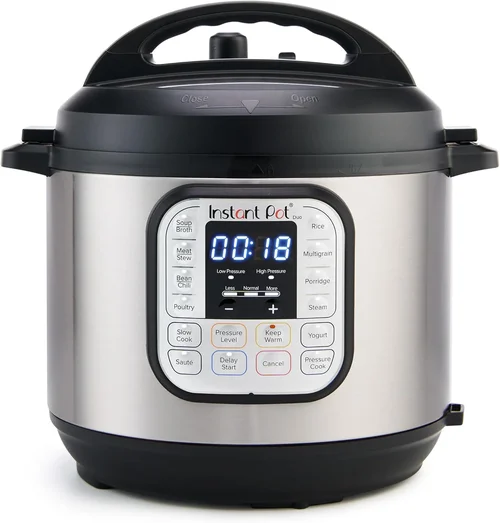
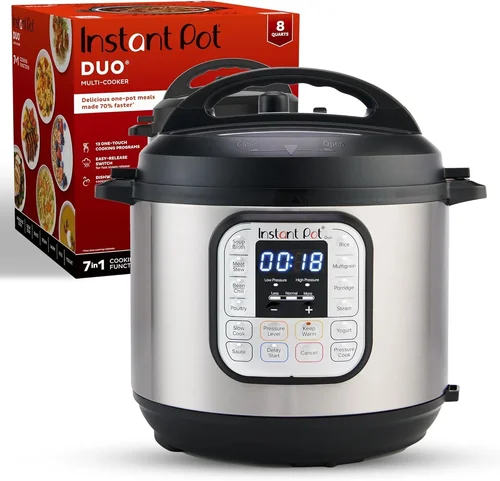
Simple, reliable, and affordable ($80–$100), the Duo is ideal for first-time users. Its straightforward interface and 7-in-1 functionality make it easy to master basic pressure cooking.
Best for Advanced Users: Breville Fast Slow Pro
Though not an Instant Pot, this $220+ model rivals premium Instant Pots with superior build quality, precise temperature control, and a sleek design. It’s a worthy splurge for serious home chefs.
Conclusion: Making the Right Choice
Choosing the right Instant Pot isn’t about finding the most expensive model—it’s about matching features to your lifestyle, cooking frequency, and kitchen needs. Premium models justify their higher price tags with tangible benefits: faster cooking, better safety, smarter interfaces, and longer lifespans. By prioritizing build quality, performance specs, and real-world usability, you’ll avoid common pitfalls and invest in an appliance that enhances your culinary experience for years.
Remember, the best Instant Pot is the one you’ll use consistently. Whether you’re pressure-cooking weeknight dinners, fermenting homemade yogurt, or air-frying crispy wings, a well-chosen premium model will deliver reliability and joy with every meal. Take your time, compare options, and don’t hesitate to spend a little more for peace of mind and performance. Your future self—and your taste buds—will thank you.