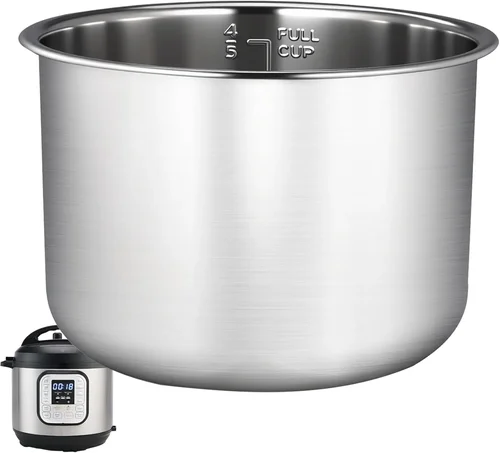
Cooking with an Instant Pot Pro is a game-changer—until something goes wrong with the inner pot. Whether it’s scratched, warped, stained beyond recognition, or simply lost during a move, replacing that crucial component can feel overwhelming. You might be tempted to grab the first stainless steel insert you see online, but not all inner pots are created equal—especially when it comes to compatibility, safety, and long-term performance with your specific Instant Pot Pro model. That’s exactly why this guide exists: to cut through the confusion and help you make a smart, informed decision.
In this comprehensive buying guide, we’ll walk you through everything you need to know about selecting the best replacement inner pot for your Instant Pot Pro in 2026. From understanding key material differences and verifying exact model compatibility to avoiding costly mistakes and spotting hidden deals, we’ve got you covered. Whether you’re a busy parent meal-prepping for the week, a home chef experimenting with sous vide, or someone who just wants a reliable backup pot, this guide will equip you with expert-level knowledge to choose wisely. We’ll also compare top-rated options, break down budget tiers, and share insider tips you won’t find on product packaging.
The market for Instant Pot accessories has exploded in recent years, with dozens of third-party manufacturers offering “compatible” inner pots at wildly varying price points and quality levels. While some are excellent, others are poorly made, unsafe under pressure, or simply don’t fit properly. Our goal is to help you navigate this crowded landscape with confidence—so you can get back to cooking delicious, hands-off meals without worrying about whether your new pot will leak, warp, or fail mid-recipe.

What to Look for When Buying Instant Pot Pro Inner Pots
1. Exact Model Compatibility
The single most critical factor when buying a replacement inner pot is ensuring it matches your specific Instant Pot Pro model. Instant Pot offers multiple Pro variants—including the Pro, Pro Plus, and Pro Crisp—and even subtle differences in dimensions or lid design can render an otherwise perfect pot unusable. For example, the Instant Pot Pro (model IP-PRO60) has a 6-quart capacity and specific rim geometry that must align with the sealing ring and lid locking mechanism. Using an incompatible pot may result in failed pressure builds, steam leaks, or even safety hazards.
Always check your user manual or the label on the bottom of your existing unit for the exact model number. Then, verify that the replacement pot explicitly lists compatibility with that model. Reputable sellers will provide a compatibility chart or clearly state “Fits Instant Pot Pro 60/80” (for 6-quart and 8-quart models, respectively). Avoid generic listings that say “fits most Instant Pots”—these are often hit-or-miss and rarely engineered to OEM standards.
2. Material Quality & Safety Standards
Inner pots come primarily in two materials: stainless steel and nonstick-coated aluminum. For the Instant Pot Pro, stainless steel is the standard and recommended choice due to its durability, reactivity-free cooking surface, and compatibility with high-pressure environments. However, not all stainless steel is equal. Look for pots made from food-grade 304 (18/8) stainless steel, which contains 18% chromium and 8% nickel—this grade resists corrosion, doesn’t leach metals into food, and maintains structural integrity under repeated heating and cooling cycles.
Avoid pots labeled simply as “stainless steel” without specifying the grade. Lower-grade alloys like 201 or 430 may rust, discolor, or degrade over time, especially when exposed to acidic foods like tomatoes or vinegar-based sauces. Additionally, ensure the pot meets FDA and LFGB safety certifications—these indicate it’s been tested for food contact safety. If you’re considering a nonstick option (rare for Pro models but available from third parties), confirm it’s PFOA-free and rated for high-heat use (above 400°F), as standard nonstick coatings can degrade under pressure cooking conditions.
3. Build Quality & Durability
A well-constructed inner pot should feel substantial yet balanced—not flimsy or overly heavy. Check the thickness of the base and walls; a minimum of 1.5mm wall thickness and a tri-ply or encapsulated base (with aluminum or copper core sandwiched between stainless layers) ensures even heat distribution and prevents hot spots. This is especially important for functions like sautéing or slow cooking, where inconsistent heating can ruin dishes.
Inspect the rim and handle welds. Poorly welded handles can loosen over time, creating a burn risk when lifting a hot, pressurized pot. The rim should be smooth and free of burrs or sharp edges that could damage the silicone sealing ring. Also, look for reinforced corners and a seamless interior—welds inside the cooking chamber can trap food particles and become breeding grounds for bacteria if not perfectly smooth.
Durability also extends to resistance against warping. Cheap pots may deform after repeated use, causing poor contact with the heating element and leading to undercooked food or error codes like “HOT” or “C1.” High-quality pots retain their shape even after years of daily use.
4. Capacity & Size Accuracy
While most Instant Pot Pro models are either 6-quart or 8-quart, internal volume can vary slightly between brands. A pot labeled “6-quart” should hold approximately 5.7 liters when filled to the max line—not including headspace required for pressure cooking. Overfilling is a common cause of clogged vents and failed seals, so accurate capacity matters.
Measure your current pot’s interior diameter and depth if possible, and compare it to the replacement’s specifications. Even a 5mm difference in diameter can affect how the pot sits on the heating element or interacts with the float valve. Also, consider whether you need a taller, narrower pot (better for steaming) or a wider, shallower one (ideal for browning or frying). Some third-party pots offer slight design tweaks for specialized cooking styles.
5. Ease of Cleaning & Maintenance
Stainless steel pots are naturally dishwasher-safe, but not all are equally easy to clean by hand. Look for a mirror-polished interior, which resists staining and makes scrubbing off burnt-on residue much easier than matte finishes. Avoid pots with textured or brushed interiors—they may look nice but trap grease and food particles.
Check if the pot is labeled “stick-resistant” or has a slightly smoother surface treatment. While true nonstick isn’t typical for Pro-grade pots, some manufacturers apply a micro-layer of ceramic or nano-coating to reduce sticking without compromising safety. Also, ensure the pot is compatible with steel wool or abrasive sponges if needed—some coatings scratch easily.
For long-term maintenance, avoid using bleach or harsh alkaline cleaners, which can pit stainless steel. Instead, opt for baking soda paste or specialized stainless steel cleaners. A well-maintained pot should last 5–10 years with proper care.
6. Brand Reputation & Authenticity
Stick with reputable brands—either Instant Pot’s official replacements or trusted third-party manufacturers like Instant Brands (official OEM), Genuine Instant Pot, or well-reviewed alternatives like Chefman or NutriChef. Be wary of unknown brands selling suspiciously cheap pots on marketplaces like Amazon or eBay. Counterfeit or low-quality replicas often mimic packaging but use substandard materials.
Read verified purchase reviews carefully. Look for comments about fit, warping, rusting, or compatibility issues. If multiple users report the same problem (e.g., “doesn’t seal properly” or “handle came loose after 3 months”), steer clear. Authentic OEM pots usually come in branded packaging with hologram stickers or serial numbers you can verify on the manufacturer’s website.
Also, check if the seller is an authorized retailer. Buying directly from Instant Pot’s website, Walmart, Target, or Best Buy reduces the risk of receiving a counterfeit product.
7. Warranty & Return Policy
A quality inner pot should come with at least a 1-year warranty against manufacturing defects like warping, cracking, or handle failure. Some premium brands offer 2–3 years. Avoid sellers who offer no warranty or only a 30-day return window—this is a red flag for low-confidence products.
Before purchasing, review the return policy. Can you return it if it doesn’t fit? Is there a restocking fee? Ideally, choose retailers with hassle-free returns (e.g., Amazon Prime, Costco, or direct from brand sites). If buying internationally, factor in return shipping costs—they can exceed the pot’s value.
Keep your receipt and packaging until you’ve tested the pot thoroughly. Run a water test cycle to confirm proper sealing and heating before committing to regular use.
8. Price vs. Value Proposition
Don’t automatically choose the cheapest option. A $25 pot may save you money upfront but could warp within months, while a $45–$60 OEM pot may last a decade. Consider the cost per year of use—a durable pot used daily offers far better value than a disposable alternative.
That said, you don’t need to overspend. Mid-range third-party pots from established brands often match OEM quality at 20–30% lower prices. Compare features, not just price tags. Does the cheaper pot lack a tri-ply base? Is the warranty shorter? These details impact long-term satisfaction.
Lastly, factor in bundled deals. Sometimes, buying a replacement pot with extra sealing rings or a steamer basket saves money overall.
Different Types of Instant Pot Pro Inner Pots

Common Buying Mistakes to Avoid
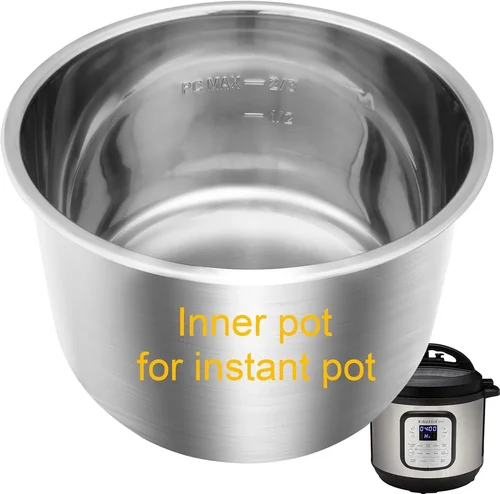
❌ Mistake: Assuming All “6-Quart” Pots Are Interchangeable
Why it’s bad: Even among 6-quart models, slight variations in height, diameter, or rim design can prevent proper sealing or cause the float valve to malfunction. This leads to failed pressure builds, error messages, or unsafe steam release.
What to do instead: Always cross-reference your exact Instant Pot Pro model number with the replacement pot’s compatibility list. When in doubt, contact the seller or manufacturer for confirmation.
❌ Mistake: Choosing Based Solely on Price
Why it’s bad: Ultra-cheap pots often use thin, low-grade steel that warps easily or lacks proper base construction. This results in uneven cooking, longer cook times, and premature failure—costing more in the long run.
What to do instead: Prioritize value over price. A $45 pot that lasts 5 years is smarter than a $25 pot that fails in 6 months. Look for mid-tier options with good reviews and solid warranties.
❌ Mistake: Ignoring Material Specifications
Why it’s bad: Not all stainless steel is food-safe or pressure-rated. Using a pot made from unknown alloys can introduce harmful metals into your food or crack under pressure.
What to do instead: Demand 304 (18/8) stainless steel certification. Check product descriptions and packaging for FDA/LFGB compliance. If unsure, skip it.
❌ Mistake: Overlooking Handle Design
Why it’s bad: Weak or poorly attached handles can detach when lifting a heavy, hot pot—posing a serious burn risk. Some third-party pots use spot welds instead of full rivets, which are less durable.
What to do instead: Inspect handle attachment points. Look for double or triple rivets and smooth, seamless welds. Test the handle’s sturdiness before first use.
❌ Mistake: Buying Without Checking Return Policies
Why it’s bad: If the pot doesn’t fit or perform as expected, you could be stuck with a useless item—especially if bought from a marketplace seller with strict no-return rules.
What to do instead: Only buy from retailers with clear, customer-friendly return windows (30+ days preferred). Keep original packaging until fully tested.
❌ Mistake: Falling for “Universal Fit” Claims
Why it’s bad: Truly universal pots don’t exist for pressure cookers. Each model has unique tolerances. “Universal” pots often fit loosely or not at all.
What to do instead: Stick to pots explicitly designed for the Instant Pot Pro series. Read reviews from users with your same model.
❌ Mistake: Neglecting to Test Before Regular Use
Why it’s bad: A defective pot might appear fine initially but fail during a long cook cycle, ruining food and potentially damaging your appliance.
What to do instead: Run a 10-minute water test cycle on high pressure before cooking real meals. Listen for leaks, watch the display for errors, and check the seal afterward.
Budget Guidelines: How Much Should You Spend?
When it comes to replacement inner pots for the Instant Pot Pro, your budget should reflect both immediate needs and long-term value. Here’s a realistic breakdown of what to expect at different price points in 2026:
Entry-Level ($25–$35): This tier includes generic third-party pots, often from lesser-known brands. While some are decent, many suffer from thin walls, poor base construction, or questionable steel grades. Best suited for occasional users or as a temporary backup—but don’t expect longevity. Look for at least 1.2mm wall thickness and 304 steel mention.
Mid-Range ($36–$50): This is the sweet spot for most buyers. Pots in this range typically feature 304 stainless steel, tri-ply bases, and solid warranties (1–2 years). Brands like Chefman, NutriChef, and Genuine Instant Pot offer reliable options here. You’ll get near-OEM performance at a 20–30% discount.
Premium ($51–$65): This tier includes official OEM pots from Instant Brands and high-end third-party equivalents. Expect superior craftsmanship, precise fit, extended warranties (up to 3 years), and sometimes added features like measurement markings or reinforced rims. Ideal for daily users, meal preppers, or those who want peace of mind.
Luxury ($66+): These are specialty pots—such as copper-core inserts, ceramic-coated variants, or custom-designed models for sous vide or air frying. They offer enhanced thermal performance and aesthetics but are overkill for most home cooks. Only consider if you’re a serious culinary enthusiast or professional.
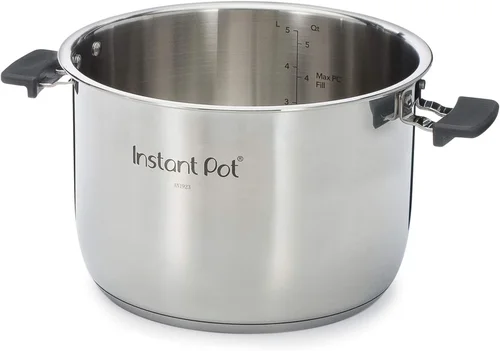
Expert Tips for Getting the Best Deal
- Buy Direct from Trusted Retailers: Purchase from Instant Pot’s official site, Amazon (sold by Instant Brands), Walmart, or Target. Avoid third-party marketplace sellers with unclear origins.
- Time Your Purchase Strategically: Major discounts occur in November (Black Friday/Cyber Monday), July (Prime Day), and January (post-holiday sales). Set price alerts using tools like Honey or CamelCamelCamel.
- Bundle for Savings: Some retailers offer discounts when you buy a replacement pot with sealing rings, lids, or steamer baskets. A $70 bundle might save you $15 versus buying separately.
- Check for Open-Box or Refurbished Options: Certified refurbished OEM pots from reputable sellers often come with full warranties at 20–40% off. Ensure they’re inspected and cleaned.
- Verify Warranty Coverage: Even if buying discounted, confirm the warranty is valid. Some sellers void warranties on sale items—read the fine print.
- Read Recent Reviews: Product quality can change over time. Focus on reviews from the past 6–12 months to ensure you’re getting the current version.
- Test Immediately: Don’t wait weeks to try your new pot. Run a quick water test within the return window to catch defects early.
- Consider a Backup Pot: If you cook frequently, owning two pots lets you start a second dish while the first cools—maximizing your Instant Pot’s efficiency.

Frequently Asked Questions
Q: Can I use a non-Instant Pot inner pot in my Instant Pot Pro?
A: Technically, yes—but only if it’s specifically designed for pressure cooking and matches your model’s dimensions exactly. However, we strongly recommend sticking with OEM or verified third-party pots to ensure safety, proper sealing, and warranty validity. Generic pots may not meet pressure safety standards.
Q: How do I know if my inner pot is warped?
A: Place the pot on a flat surface—if it wobbles or doesn’t sit level, it’s likely warped. You may also notice uneven cooking, error codes like “HOT,” or steam escaping from the sides during pressure builds. A warped pot won’t make full contact with the heating element.
Q: Are Instant Pot Pro inner pots dishwasher safe?
A: Yes, all genuine stainless steel inner pots are dishwasher safe. However, hand washing with mild detergent preserves the finish longer and prevents potential damage from harsh dishwasher detergents or high heat.
Q: What’s the difference between the Instant Pot Pro and Pro Plus inner pots?
A: The Pro and Pro Plus share the same inner pot design and are fully interchangeable. The difference lies in the exterior features (e.g., Pro Plus has a larger display and more presets), not the cooking vessel.
Q: Can I use my old sealing ring with a new inner pot?
A: Yes, the sealing ring is separate from the pot and attaches to the lid. However, if your ring is cracked, stiff, or over a year old, replace it simultaneously for optimal performance.
Q: Why does my new pot smell metallic?
A: This is normal for new stainless steel pots. Wash it thoroughly with warm, soapy water, then boil a pot of water with a tablespoon of vinegar for 5 minutes to remove manufacturing residues.
Q: How often should I replace my inner pot?
A: With proper care, a quality stainless steel pot can last 5–10 years. Replace it if you see deep scratches, warping, rust (rare with 304 steel), or if it no longer seals properly.
Q: Are there eco-friendly replacement options?
A: Yes! Some brands now offer pots made from recycled stainless steel. While performance is identical, these options reduce environmental impact. Look for certifications like “Recycled Content” or “Carbon Neutral” labels.
Q: Will a third-party pot void my Instant Pot warranty?
A: No, according to the Magnuson-Moss Warranty Act, using third-party accessories doesn’t automatically void your appliance warranty—unless the accessory directly causes damage. Keep receipts and document any issues.
Q: What’s the best way to remove burnt-on food from a stainless steel pot?
A: Soak the pot in hot water with baking soda (2 tbsp per quart) for 30 minutes, then scrub gently with a nylon brush. For stubborn spots, use a paste of baking soda and water. Avoid steel wool on coated or polished surfaces.
Our Final Recommendations
Best for Budget-Conscious Buyers: Genuine Instant Pot Stainless Steel Inner Pot (Third-Party OEM) – Offers 95% of OEM quality at $10–15 less. Reliable, well-reviewed, and widely available.
Best Overall Value: Instant Brands Official Replacement Pot – The gold standard. Perfect fit, full warranty, and peace of mind. Worth the slight premium for daily users.
Best Premium Option: Chefman Tri-Ply Stainless Steel Insert – Features a copper-core base for superior heat distribution, ideal for searing and slow cooking. Slightly taller design enhances steaming capacity.
Best for Beginners: NutriChef 6-Quart Compatible Pot – Clear measurement markings, easy-clean interior, and excellent customer support. Great for those new to pressure cooking.
Best for Advanced Users: Specialty Sous Vide Inner Pot by Instant Brands – Designed for precision temperature control, with enhanced insulation and a wider base for even water circulation. Perfect for gourmet techniques.
Conclusion: Making the Right Choice
Replacing your Instant Pot Pro inner pot doesn’t have to be a stressful ordeal. By focusing on exact compatibility, material quality, and reputable sourcing, you can find a replacement that not only restores your cooker’s functionality but enhances your cooking experience. Remember: this isn’t just a spare part—it’s the heart of your Instant Pot, directly impacting safety, performance, and meal quality.
Prioritize your specific needs. If you cook daily, invest in an OEM or premium third-party pot for longevity. If you’re on a tight budget, a well-reviewed mid-range option will serve you well. And always test your new pot before diving into a complex recipe.
With the insights from this guide, you’re now equipped to navigate the market with confidence. Don’t settle for guesswork or marketing hype. Choose wisely, cook safely, and enjoy countless delicious meals with your refreshed Instant Pot Pro.
Ready to upgrade? Check our top picks above and start shopping with certainty—your future self (and your taste buds) will thank you.