Knives are more than just kitchen tools—they’re extensions of your skill, precision, and confidence in the kitchen. Whether you’re a home cook preparing weeknight dinners or a professional chef crafting intricate dishes, a dull blade can turn even the simplest task into a frustrating ordeal. That’s why investing in a reliable knife sharpener isn’t just a luxury—it’s a necessity. But with so many options on the market, choosing the right one can feel overwhelming. Among the most debated choices are rolling sharpeners and guided rod systems. Each promises sharp, consistent edges, but they work in fundamentally different ways, and understanding those differences is key to making the right decision.
This expert-level buying guide is designed to cut through the noise and give you everything you need to know about rolling sharpeners versus guided rod systems in 2026. We’ll dive deep into how each system works, what makes them unique, and which one might be best for your specific needs. You’ll learn how to evaluate critical factors like performance, durability, ease of use, and long-term value. We’ll also explore common pitfalls to avoid, budget considerations, and expert tips to help you get the best deal. By the end, you’ll have a clear, actionable roadmap to choose a sharpener that keeps your knives razor-sharp for years to come.
The knife sharpening market has evolved significantly over the past decade. What once consisted mostly of whetstones and basic pull-through sharpeners now includes high-tech electric models, precision-guided systems, and even AI-assisted devices. Rolling sharpeners—compact, handheld tools with rotating ceramic or steel wheels—have gained popularity for their speed and portability. Meanwhile, guided rod systems—often used with whetstones or diamond plates—offer unmatched control and consistency, especially for serious cooks and professionals. Both have their strengths, but they cater to different users, budgets, and sharpening philosophies. This guide will help you understand where each excels, so you can invest wisely and sharpen smarter.

What to Look for When Buying a Knife Sharpener
1. Budget & Price Range
Your budget is often the first filter when shopping for a knife sharpener, but it shouldn’t be the only one. Prices can range from under $20 for basic rolling sharpeners to over $300 for high-end guided rod systems with multiple stones and accessories. Entry-level rolling sharpeners are affordable and convenient, making them ideal for casual users who just want to maintain their knives between professional sharpenings. Mid-range models, typically between $50 and $120, often include better materials, adjustable angles, and improved ergonomics. Premium guided rod systems, especially those from brands like Work Sharp, Lansky, or Tormek, can cost $150 to $400 and are built for precision, durability, and long-term use.
When setting your budget, consider how often you’ll use the sharpener and the value of your knives. If you own a $200 chef’s knife or a full set of high-carbon steel blades, spending more on a guided rod system may be justified. Conversely, if you’re sharpening a few budget knives occasionally, a rolling sharpener might offer the best value. Don’t forget to factor in long-term costs—some systems require replacement stones or rods, while others are built to last decades with minimal maintenance.
2. Performance Specifications
Performance is where the rubber meets the road. The best sharpeners deliver consistent, repeatable results across a variety of blade types and edge angles. For rolling sharpeners, key performance metrics include wheel material (ceramic vs. steel), rotation speed, and pressure consistency. Ceramic wheels are gentler on blades and produce a finer edge, while steel wheels can remove material faster but may wear down softer steels. Guided rod systems, on the other hand, rely on the quality of the stones or plates, the precision of the angle guide, and the stability of the clamping mechanism.
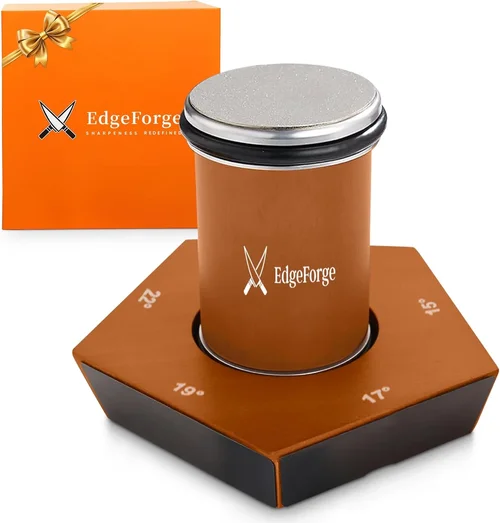
Look for sharpeners that offer adjustable angles—most kitchen knives perform best between 15° and 20° per side. Some guided systems allow micro-adjustments down to 0.5°, which is crucial for Japanese-style knives that require a 12° to 15° edge. Rolling sharpeners often have fixed angles, which can be limiting if you use knives with different bevels. Also consider the grit progression: systems with multiple stones (e.g., coarse, medium, fine) allow you to shape, sharpen, and polish in one session. A sharpener that can restore a chipped blade and refine a dull edge is far more versatile than one that only does light touch-ups.
3. Build Quality & Durability
A sharpener is an investment, and like any tool, it should last. Build quality directly impacts longevity, safety, and performance. Rolling sharpeners made from plastic may feel flimsy and can wear out quickly, especially if used frequently. Look for models with metal housings, reinforced hinges, and high-quality bearings in the wheels. Brands like Kyocera and Chef’s Choice use durable materials that resist cracking and deformation over time.
Guided rod systems are typically more robust, often featuring aluminum or stainless steel frames, precision-machined clamps, and corrosion-resistant components. The rods themselves should be straight, smooth, and resistant to bending. Some systems use ball-bearing guides for smoother stone movement, which reduces friction and improves edge consistency. Pay attention to the quality of the stones or plates—diamond-coated surfaces last longer than ceramic or aluminum oxide, though they can be more aggressive on softer steels. A well-built system should feel solid in your hands, with no wobble or flex during use.
4. Features & Functionality
Modern sharpeners come with a range of features designed to improve ease of use, safety, and results. For rolling sharpeners, look for ergonomic handles, non-slip bases, and quick-release mechanisms for easy cleaning. Some models include built-in angle indicators or LED lights to help you maintain proper alignment. Others offer interchangeable wheels for different grits or blade types. While convenient, these extras can add complexity—make sure they enhance, rather than complicate, the sharpening process.
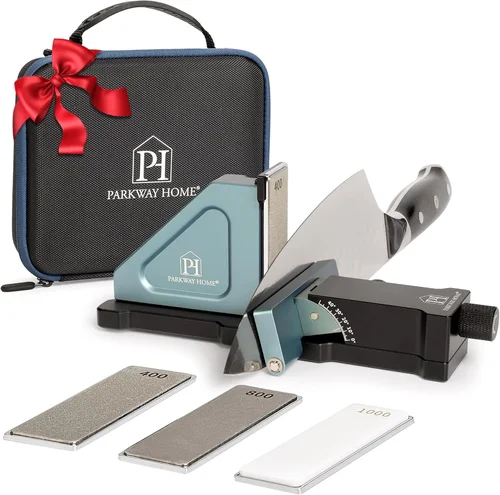
Guided rod systems often include more advanced features, such as magnetic angle guides, dual-sided stones, and storage cases for organization. Some high-end models come with digital angle readers or smartphone apps that help you track sharpening progress. Systems like the Tormek T-8 include water cooling to prevent overheating and extend stone life. Others, like the Lansky Deluxe, offer multiple angle settings and a variety of stone grits in one kit. Consider which features align with your skill level and sharpening goals. Beginners may benefit from visual guides and preset angles, while advanced users might prefer manual control and customization.
5. Brand Reputation
Brand reputation matters—especially in a market where counterfeit or low-quality products are common. Established brands like Work Sharp, Lansky, Tormek, Chef’s Choice, and Kyocera have built their names on reliability, innovation, and customer support. These companies often invest in R&D, offer comprehensive warranties, and provide detailed user guides and video tutorials. They also tend to have better replacement part availability, which is crucial for long-term use.
That said, newer brands and lesser-known manufacturers can offer excellent value, especially in the mid-range segment. Look for brands with positive reviews, transparent manufacturing practices, and responsive customer service. Avoid no-name products sold exclusively through third-party marketplaces unless they have verified user feedback and a clear return policy. A reputable brand not only ensures quality but also gives you confidence in your purchase.
6. Warranty & Support
A good warranty is a sign of a manufacturer’s confidence in their product. Most reputable sharpener brands offer at least a one-year warranty, with premium models often covered for two to five years. Some, like Tormek, offer lifetime warranties on certain components. Read the fine print: does the warranty cover normal wear and tear, or only defects? Are replacement parts included, or do you have to pay for shipping?
Customer support is equally important. Can you easily reach a human being if something goes wrong? Do they offer troubleshooting guides, video tutorials, or live chat? Brands with strong support networks make it easier to maintain your sharpener and troubleshoot issues. Also consider return policies—many retailers offer 30-day returns, which gives you time to test the sharpener and ensure it meets your expectations.
7. Size & Portability
If you plan to use your sharpener at home only, size may not be a major concern. But for campers, hunters, or travelers, portability is key. Rolling sharpeners are generally compact and lightweight, often fitting in a drawer or backpack. Some models are small enough to carry in a pocket, making them ideal for field use. Guided rod systems, by contrast, are usually bulkier and require a stable surface to operate effectively. However, some travel-friendly versions, like the Lansky Turnbox or Work Sharp Guided Field Sharpener, are designed for on-the-go use.
Consider where and how you’ll use the sharpener. If you’re sharpening knives in a busy kitchen, a larger, stationary system may be fine. But if you’re hiking or camping, a rolling sharpener or compact guided system is more practical. Also think about storage—some guided systems come with cases that double as sharpening platforms, while others require separate storage for rods and stones.
8. User Reviews & Ratings
User reviews are one of the most reliable ways to gauge real-world performance. Look for patterns in feedback: do multiple users praise the sharpener’s consistency? Are there recurring complaints about durability or ease of use? Pay attention to reviews from users with similar knife types and skill levels as you. A sharpener that works well for professional chefs may be overkill—or too complex—for a home cook.
Use multiple sources: Amazon, specialty knife shops, YouTube reviews, and forums like BladeForums or Reddit’s r/Knives. Video reviews are especially helpful because you can see the sharpener in action and hear the sound of the stone on steel—a dull “thud” may indicate poor contact, while a crisp “scrape” suggests proper alignment. Also check for updates: some products improve over time based on user feedback, while others may have quality control issues in certain batches.
Different Types of Knife Sharpeners

Common Buying Mistakes to Avoid
❌ Mistake: Choosing Based on Price Alone
Why it’s bad: The cheapest sharpener isn’t always the best value. A $20 rolling sharpener might seem like a bargain, but if it damages your knives or wears out in months, you’ll end up spending more in the long run. Similarly, overspending on a high-end system you don’t know how to use is equally wasteful.
What to do instead: Balance cost with quality, features, and intended use. Set a realistic budget based on how often you’ll use the sharpener and the value of your knives. A mid-range guided rod system often offers the best long-term value for serious home cooks.
❌ Mistake: Ignoring Angle Adjustability
Why it’s bad: Different knives require different edge angles. A fixed-angle sharpener may work for one knife but ruin another. For example, a 20° sharpener will over-bevel a Japanese knife designed for 15°, leading to a weak, dull edge.
What to do instead: Choose a system with adjustable angles or multiple preset options. Guided rod systems excel here, allowing you to dial in the exact angle for each knife. If using a rolling sharpener, make sure it matches the angle of your most-used knives.
❌ Mistake: Overlooking Maintenance Requirements
Why it’s bad: Some sharpeners require regular cleaning, flattening, or part replacement. Ignoring maintenance leads to poor performance and shorter lifespan. For example, diamond stones can glaze over if not cleaned, reducing their effectiveness.
What to do instead: Read the manual and understand upkeep needs before buying. Choose systems with easy-to-clean components or self-maintaining features. Some guided systems include flattening stones or cleaning tools—look for these as added value.
❌ Mistake: Buying Without Testing
Why it’s bad: Online photos and specs don’t always reflect real-world performance. A sharpener might look sturdy but feel flimsy in hand, or have a guide that slips during use.
What to do instead: If possible, test the sharpener in-store or order from a retailer with a good return policy. Use it on a less valuable knife first to evaluate ease of use, noise, and results. Many users discover they prefer a different system only after hands-on experience.
❌ Mistake: Assuming All Rolling Sharpeners Are Equal
Why it’s bad: Not all rolling sharpeners are created equal. Some use low-quality wheels that wear down quickly or create uneven edges. Others lack ergonomic design, causing hand fatigue.
What to do instead: Research specific models and read detailed reviews. Look for wheels made from high-grade ceramic or hardened steel, and check for user feedback on consistency and durability. Brands like Kyocera and Chef’s Choice are known for reliable rolling sharpeners.
❌ Mistake: Neglecting Safety Features
Why it’s bad: Sharpening involves sharp edges and moving parts. A poorly designed sharpener can lead to slips, cuts, or damaged blades. Some rolling sharpeners have exposed wheels, while others lack secure clamping.
What to do instead: Choose sharpeners with non-slip bases, secure clamps, and protective covers. Guided rod systems with stable frames reduce the risk of movement during sharpening. Always follow safety guidelines and use cut-resistant gloves if needed.
❌ Mistake: Forgetting About Long-Term Costs
Why it’s bad: Some sharpeners seem affordable upfront but require expensive replacement parts. For example, electric sharpeners may need new belts or wheels every year, adding to the total cost of ownership.
What to do instead: Factor in ongoing costs when comparing options. A $150 guided rod system with replaceable stones may cost less over five years than a $100 electric sharpener needing annual part replacements. Calculate the total cost of ownership before deciding.
Budget Guidelines: How Much Should You Spend?
- Entry-Level ($15 – $40): Ideal for casual users who sharpen knives a few times a year. Rolling sharpeners dominate this range, offering quick touch-ups for basic kitchen knives. Expect plastic construction, fixed angles, and limited durability. Best for maintaining knives between professional sharpenings.
- Mid-Range ($50 – $120): The sweet spot for most home cooks. Includes better rolling sharpeners with ceramic wheels and ergonomic designs, as well as entry-level guided rod systems with adjustable angles and multiple stones. Offers a balance of performance, durability, and value.
- Premium ($130 – $300): For serious cooks, professionals, and knife enthusiasts. Features high-end guided rod systems with precision guides, multiple grits, and robust construction. Systems like the Lansky Deluxe or Tormek T-4 fall here, offering professional-grade results at home.
- Luxury ($300+): Top-tier systems for professionals and collectors. Includes hybrid electric-guided models, water-cooled sharpeners, and systems with digital angle readouts. These are built for heavy use, maximum precision, and long-term reliability. Best for those who treat sharpening as a craft.
Expert Tips for Getting the Best Deal
- Shop During Sales: Major retailers like Amazon, Williams Sonoma, and BladeHQ often run discounts during Black Friday, Prime Day, and back-to-school seasons. Sign up for newsletters to get early access to deals.
- Buy Direct from Manufacturers: Brands like Tormek and Work Sharp sometimes offer exclusive bundles, extended warranties, or free shipping when you buy directly from their websites.
- Look for Refurbished or Open-Box Deals: Certified refurbished sharpeners from reputable sellers can save you 20-30% off retail. These are often tested and come with warranties.
- Check Return Policies: Choose retailers with at least 30-day return windows. This gives you time to test the sharpener and ensure it meets your needs.
- Bundle with Accessories: Some kits include extra stones, angle guides, or storage cases. These add value and reduce future purchases.
- Read the Manual First: Before buying, download the user manual to understand setup, maintenance, and troubleshooting. A complex system may not be worth the hassle if you’re not tech-savvy.
- Watch for Free Shipping: Many online retailers offer free shipping on orders over $50. Combine your sharpener purchase with knife oil, stone flatteners, or other accessories to qualify.
- Join Knife Forums: Communities like BladeForums or Reddit’s r/Knives often share exclusive discount codes and insider deals.

Frequently Asked Questions
Q: Can a rolling sharpener damage my knives?
A: Yes, if used incorrectly. Rolling sharpeners apply pressure through rotating wheels, which can remove too much material or create uneven edges if not aligned properly. They’re best for light maintenance, not repairing chips or reshaping blades. Always follow the manufacturer’s instructions and avoid excessive pressure.
Q: Are guided rod systems difficult to use?
A: They require more skill than rolling sharpeners but are manageable with practice. Most come with detailed guides and video tutorials. Start with a mid-range system like the Lansky Standard and practice on less valuable knives. Once you master the technique, results are highly consistent.
Q: How often should I sharpen my knives?
A: It depends on use. Home cooks may need to sharpen every 3-6 months, while professionals may do it weekly. Use a sharpness test—like slicing a tomato or paper—to determine when it’s time. Regular honing with a steel rod can extend the time between sharpenings.
Q: Can I use a guided rod system on serrated knives?
A: Most guided rod systems are designed for straight edges. Some, like the Work Sharp Guided Field Sharpener, include special rods for serrated blades. Check compatibility before buying. Rolling sharpeners are generally not suitable for serrated knives.
Q: Do I need different stones for different knives?
A: Not necessarily, but using the right grit helps. Coarse stones (200-400 grit) are for reshaping or repairing chips. Medium (800-1000) for sharpening. Fine (3000+) for polishing. Japanese knives often benefit from higher grits for a razor edge.
Q: Are electric sharpeners better than manual ones?
A: Electric sharpeners are faster and easier but can remove more material and generate heat, potentially damaging the blade. Manual systems offer more control and are better for precision work. Choose based on your priorities: speed vs. control.
Q: How do I clean and maintain my sharpener?
A: For rolling sharpeners, wipe wheels with a damp cloth and let dry. For guided systems, clean stones with water and a soft brush. Flatten stones regularly to maintain even surfaces. Store in a dry place to prevent rust.
Q: Can I sharpen scissors with these systems?
A: Some guided rod systems include scissor attachments. Rolling sharpeners are not designed for scissors. Check the product description or contact the manufacturer for compatibility.
Q: What’s the difference between ceramic and diamond stones?
A: Diamond stones are harder and remove material faster, making them ideal for hard steels and quick reshaping. Ceramic stones are gentler and better for finishing and polishing. Diamond lasts longer but can be more aggressive.
Q: Is it worth buying a sharpener with multiple angle settings?
A: Absolutely, if you own different types of knives. Japanese knives (12°-15°), Western knives (18°-20°), and outdoor knives (20°-25°) all require different angles. Adjustable systems give you flexibility and precision.
Our Final Recommendations
- Best for Budget-Conscious Buyers: Kyocera Advanced Ceramic Rolling Sharpener – Affordable, lightweight, and effective for light maintenance. Great for beginners and travelers.
- Best Overall Value: Lansky Deluxe 5-Stone System – Adjustable angles, multiple grits, and durable construction. Ideal for home cooks who want professional results.
- Best Premium Option: Tormek T-8 – Water-cooled, precision-guided, and built to last. Perfect for professionals and serious enthusiasts.
- Best for Beginners: Chef’s Choice ProntoPro 464 – Easy-to-use rolling sharpener with preset angles. No setup required—just pull and sharpen.
- Best for Advanced Users: Work Sharp Guided Field Sharpener Pro – Versatile, portable, and compatible with a wide range of blades and angles. Includes scissor and serrated attachments.
Conclusion: Making the Right Choice
Choosing between a rolling sharpener and a guided rod system isn’t just about picking a tool—it’s about aligning your sharpening method with your lifestyle, skill level, and knife collection. Rolling sharpeners offer speed and convenience, making them perfect for quick touch-ups and on-the-go use. Guided rod systems deliver precision and control, ideal for maintaining high-performance edges and customizing your sharpening process. Both have their place, but the right choice depends on your priorities.
As you weigh your options, remember to consider not just the upfront cost, but the long-term value, maintenance needs, and how the sharpener fits into your daily routine. Don’t be swayed by flashy features or aggressive marketing—focus on what matters: consistent results, durability, and ease of use. And always test before you commit, especially if you’re investing in a premium system.
Ultimately, the best sharpener is the one you’ll actually use. A $300 system gathering dust in a drawer is less valuable than a $30 tool that keeps your knives sharp and ready. Prioritize your needs, do your research, and choose wisely. With the right sharpener, you’ll not only extend the life of your knives but also elevate your cooking experience—one precise, effortless cut at a time.