When it comes to prepping vegetables, your knife can make or break the entire cooking experience. Whether you’re julienning carrots for a stir-fry, dicing onions for a soup, or slicing tomatoes for a summer salad, the type of blade edge you choose matters more than most home cooks realize. In recent years, the debate between serrated and straight-edge knives has intensified, especially as kitchen enthusiasts become more intentional about their tools. With so many options flooding the market—from budget-friendly sets to high-end Japanese steel—it’s easy to feel overwhelmed. That’s why this comprehensive guide exists: to cut through the noise and help you make an informed decision based on real performance, not marketing hype.
By the end of this guide, you’ll understand not only the functional differences between serrated and straight-edge vegetable knives but also how to evaluate them across key factors like blade geometry, handle ergonomics, maintenance needs, and long-term durability. We’ll explore which types of veggies benefit most from each edge style, debunk common myths, and walk you through practical buying considerations—from budget constraints to brand reputation. Whether you’re a weekend cook or a seasoned home chef, this guide will equip you with the knowledge to choose a knife that fits your kitchen rhythm, enhances your prep efficiency, and stands the test of time.
The vegetable knife market in 2026 is more diverse than ever. You’ll find everything from ultra-thin Santoku blades with micro-serrations to classic chef’s knives with razor-sharp straight edges, all claiming to be the ultimate veggie companion. Some brands emphasize ergonomic handles for arthritis sufferers, while others focus on rust-resistant coatings for humid climates. Meanwhile, sustainability-minded buyers are seeking out brands that use recycled materials or offer blade-sharpening services. With innovations in metallurgy, handle design, and even smart knife tech (yes, some now come with built-in angle guides), the options are vast—but not all are worth your investment. This guide cuts straight to what matters.

What to Look for When Buying Buying Guide
1. Blade Edge Type: Serrated vs. Straight
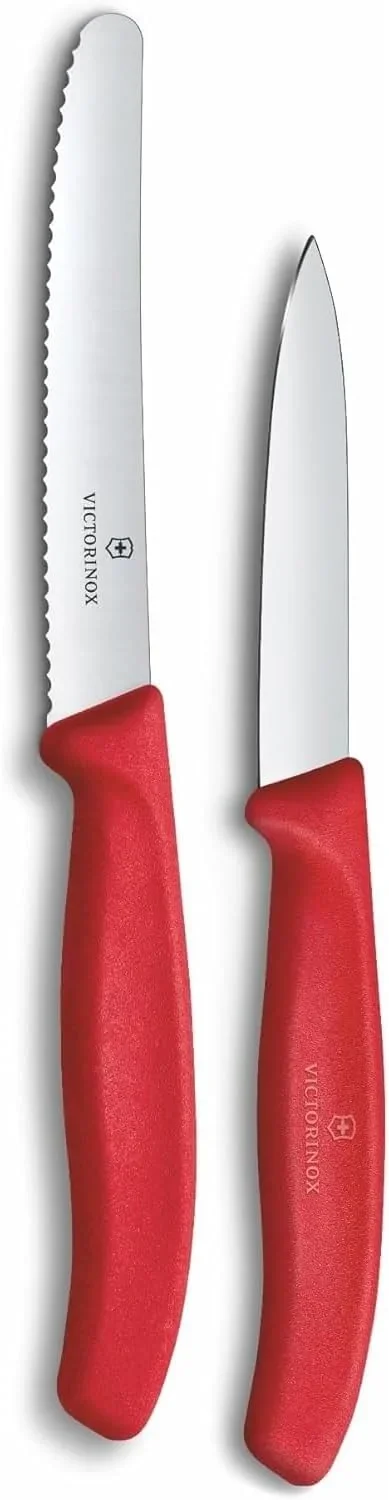
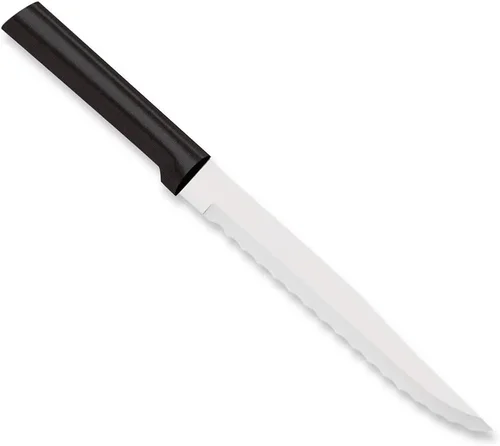
The most fundamental decision when choosing a vegetable knife is whether to go with a serrated or straight edge. A straight-edge blade offers a clean, continuous cutting surface ideal for precise slicing, dicing, and chopping. It excels at tasks requiring control and consistency, such as mincing garlic or creating uniform brunoise cuts. In contrast, a serrated edge features small, tooth-like notches along the blade that grip and tear through tough or slippery skins—like those on tomatoes, eggplants, or bell peppers—without crushing the flesh beneath. While serrated knives are often associated with bread, modern designs now include micro-serrations or partial serrations optimized for produce.
When evaluating edge type, consider your most common vegetable prep tasks. If you frequently slice ripe tomatoes or peel citrus, a serrated edge can save you frustration and reduce slippage. However, if your focus is on fine knife work—like julienning zucchini or chiffonading basil—a straight edge provides superior accuracy. Many professional kitchens actually use both: a straight-edge chef’s knife for general prep and a small serrated paring knife for delicate tasks. Some hybrid models now offer a straight edge with subtle serrations near the heel, giving you the best of both worlds.
2. Blade Material & Steel Composition
The steel your knife is made from directly impacts sharpness retention, ease of sharpening, and resistance to corrosion. High-carbon stainless steel remains the gold standard for vegetable knives because it balances edge retention with rust resistance. Brands like Shun, Wüsthof, and Global use proprietary alloys (e.g., VG-MAX, X50CrMoV15) that enhance durability while remaining relatively easy to maintain. Avoid low-carbon or “stainless-only” steels, which tend to dull quickly and lack the hardness needed for fine vegetable work.
Pay attention to the Rockwell hardness rating (HRC). For vegetable knives, an HRC between 56 and 60 is ideal. Anything below 54 may struggle to hold an edge, while blades above 62 can become brittle and prone to chipping—especially when hitting hard seeds or stems. Japanese-style knives often lean toward higher HRC values (58–62), offering exceptional sharpness but requiring more careful handling. European-style knives typically sit in the 54–58 range, favoring toughness over extreme sharpness. Also consider whether the blade is forged or stamped: forged blades are generally heavier and more durable, while stamped blades are lighter and often more affordable.
3. Blade Geometry & Profile
Not all straight or serrated edges are created equal—the shape of the blade dramatically affects performance. A Granton edge (also called hollow-edge) features small oval indentations along the sides of the blade, which reduce friction and prevent thin slices of vegetables like potatoes or onions from sticking. This is especially useful for paper-thin slicing. Meanwhile, a flatter blade profile (common in Western chef’s knives) allows for rock-chopping motions, while a more curved belly (typical in Japanese Santoku) supports pull-cutting techniques.
Serration pattern also varies. Fine serrations work well for soft-skinned produce, while coarse serrations are better for fibrous vegetables like celery or rhubarb. Some manufacturers use laser-cut serrations for precision, while others employ stamped or ground methods that may wear unevenly over time. Look for consistent, evenly spaced serrations that extend far enough down the blade to be useful—but not so far that they interfere with delicate tasks. The length of the blade matters too: 6–8 inches is ideal for most vegetable prep, offering enough surface area for control without being unwieldy.
4. Handle Design & Ergonomics
A knife’s handle is just as important as its blade—especially during prolonged vegetable prep sessions. Poor ergonomics can lead to hand fatigue, cramping, or even repetitive strain injuries. Look for handles that fit comfortably in your grip, with contours that support a secure pinch grip (where thumb and index finger rest on either side of the blade’s bolster). Materials range from traditional wood and composite resins to modern polymers like G-10 or POM, each offering different levels of grip, weight, and moisture resistance.
Consider your hand size and dominant grip style. Larger hands may prefer longer handles with a full tang (where the blade metal extends through the handle), while smaller hands might find a partial tang or waisted handle more manageable. Textured or non-slip surfaces are crucial if you’re working with wet vegetables or in humid kitchens. Avoid overly decorative handles that sacrifice functionality—glossy finishes may look nice but can become slippery. Some premium brands now offer customizable grips or heat-resistant materials for added comfort during long cooking sessions.
5. Weight & Balance
The balance point of a knife—where the weight is distributed between the blade and handle—affects control, speed, and fatigue. A well-balanced vegetable knife should feel like an extension of your hand, not a tool you’re wrestling with. Most quality knives are balanced near the bolster (the thick junction between blade and handle), allowing for precise tip control during detailed work like peeling or trimming.
Heavier knives (typically forged) provide momentum for chopping dense vegetables like squash or sweet potatoes, reducing the need for excessive downward force. Lighter knives (often stamped) are better for repetitive slicing tasks, such as shredding cabbage or slicing cucumbers. However, too-light knives can feel flimsy or require more effort to penetrate tough skins. Aim for a weight that matches your strength and prep style: around 5–7 ounces for a 7-inch knife is a good benchmark. Test the balance by holding the knife at its center of gravity—if it tilts heavily toward the blade or handle, it may hinder performance.
6. Maintenance & Sharpening Requirements
No matter how good your knife is, it will eventually dull—and how easily you can restore its edge is a critical factor. Straight-edge knives are generally easier to sharpen at home using whetstones, honing rods, or electric sharpeners. Serrated knives, however, require specialized tools like tapered sharpeners or ceramic rods that match the serration profile. Neglecting serrated edges can lead to uneven wear and reduced effectiveness over time.
Consider your willingness and ability to maintain your knife. If you’re not comfortable with manual sharpening, look for brands that offer free or low-cost sharpening services (e.g., Zwilling’s lifetime sharpening program). Stainless steel blades resist rust but may still require drying after use, especially if exposed to acidic vegetables like tomatoes or lemons. High-carbon blades offer superior edge retention but need oiling to prevent oxidation. Some modern knives feature ceramic coatings or nitride treatments that reduce maintenance, though these can sometimes compromise sharpness.
7. Brand Reputation & Craftsmanship
Not all knife brands are equal. Established names like Miyabi, MAC, and Victorinox have decades of experience crafting reliable kitchen tools, often backed by rigorous quality control and customer support. Lesser-known brands may offer attractive prices but can lack consistency in blade geometry, heat treatment, or handle assembly. Research whether the brand specializes in cutlery or simply includes knives as part of a broader kitchenware line.
Look for transparency in manufacturing: where is the knife made? Is it hand-finished or fully automated? Japanese brands often emphasize artisanal techniques, while German manufacturers prioritize engineering precision. Read professional reviews and user testimonials to gauge real-world performance. Beware of “as seen on TV” knives that prioritize gimmicks over function. A reputable brand will stand behind its products with clear warranties and responsive customer service.
8. Warranty & Customer Support
A good warranty signals confidence in a product’s durability. Most premium knife brands offer lifetime warranties against defects in materials or workmanship, though these typically don’t cover normal wear, misuse, or accidental damage. Some go further: Global, for example, offers a no-questions-asked replacement policy for manufacturing flaws, while Shun provides free sharpening for life.
Check what the warranty covers and how claims are processed. Is there a U.S.-based service center, or do you need to ship internationally? Are replacement parts (like handles) available? Also consider return policies—especially when buying online. A 30- to 60-day trial period allows you to test the knife in your own kitchen. Brands with strong support ecosystems often include care guides, video tutorials, and even virtual consultations, which can be invaluable for beginners.
Different Types of Buying Guide

Common Buying Mistakes to Avoid
❌ Mistake: Choosing Based Solely on Price
Why it’s bad: Opting for the cheapest knife available often means sacrificing blade quality, balance, and longevity. Low-cost knives may use soft steel that dulls quickly or poorly balanced designs that cause hand strain. Over time, you’ll spend more replacing subpar knives than you would on a single quality tool.
What to do instead: Treat your knife as a long-term investment. Set a realistic budget based on your cooking frequency and prioritize value over absolute low cost. A $60 knife that lasts 10 years is smarter than a $20 knife that needs replacing every year.
❌ Mistake: Ignoring Handle Comfort
Why it’s bad: An uncomfortable handle can turn vegetable prep into a chore. Slippery, too-small, or awkwardly shaped handles increase the risk of cuts and reduce precision, especially during repetitive tasks like peeling or slicing.
What to do instead: Always test the grip if possible—visit a store or order from a retailer with a generous return policy. Look for ergonomic contours, non-slip materials, and a balance that feels natural in your hand.
❌ Mistake: Assuming All Serrated Knives Are Equal
Why it’s bad: Not all serrations are designed for vegetables. Many serrated knives are optimized for bread, with large, aggressive teeth that tear rather than slice. Using these on delicate produce can crush flesh and create uneven cuts.
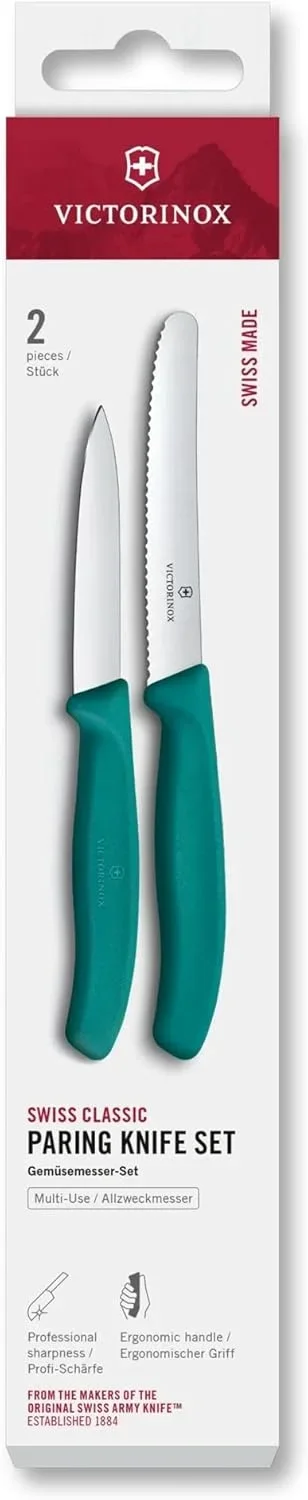
What to do instead: Seek out knives specifically marketed for vegetables or multi-purpose use. Look for fine or micro-serrations, and check reviews to confirm they perform well on tomatoes, peppers, and similar items.
❌ Mistake: Overlooking Maintenance Needs
Why it’s bad: A dull knife is dangerous and inefficient. Many buyers don’t realize that serrated knives require specialized sharpening tools, and neglecting them leads to frustration and wasted money.
What to do instead: Factor in maintenance when choosing. If you’re not ready to invest in a ceramic rod or professional sharpening service, stick with a straight-edge knife that’s easier to maintain at home.
❌ Mistake: Buying a Knife That’s Too Long or Too Short
Why it’s bad: An 8-inch knife may be unwieldy for small hands or cramped countertops, while a 4-inch paring knife lacks the surface area needed for efficient chopping. Size directly impacts control and speed.
What to do instead: Match blade length to your typical tasks and hand size. A 6- to 7-inch knife is the sweet spot for most home cooks. Consider your cutting board size too—longer blades need more space to maneuver safely.
❌ Mistake: Falling for Marketing Gimmicks
Why it’s bad: Terms like “self-sharpening,” “diamond-coated,” or “military-grade” are often exaggerations. These features rarely translate to real-world performance gains and can inflate the price unnecessarily.
What to do instead: Focus on proven specs: steel type, HRC rating, balance, and user reviews. If a feature sounds too good to be true, it probably is.
❌ Mistake: Not Considering Your Cooking Style
Why it’s bad: A knife suited for French technique may not suit someone who primarily stir-fries or roasts vegetables. Using the wrong tool for your style leads to inefficiency and dissatisfaction.
What to do instead: Reflect on your most common prep methods. Do you rock-chop? Pull-slice? Julienne frequently? Choose a knife geometry and edge type that aligns with your natural motions.
Budget Guidelines: How Much Should You Spend?
Entry-Level ($20–$50): This range includes basic stamped knives from brands like Mercer Culinary or Victorinox Fibrox. While not heirloom-quality, they offer decent performance for occasional cooks. Expect softer steel, simpler handles, and limited warranties. Ideal for students, renters, or those testing their interest in serious cooking.
Mid-Range ($50–$120): The sweet spot for most home cooks. Knives here—such as the Wüsthof Classic, Shun Premier, or Global G-2—feature high-carbon stainless steel, better balance, and ergonomic handles. They hold an edge well, resist rust, and often come with solid warranties. Perfect for daily vegetable prep and long-term use.
Premium ($120–$250): Designed for enthusiasts and serious home chefs. These knives use advanced alloys (e.g., SG2, R2), hand-forged construction, and refined geometries. Examples include Miyabi Birchwood, MAC MTH-80, and Zwilling Pro. They offer exceptional sharpness, durability, and aesthetic appeal—but require more care and skill to maintain.
Luxury ($250+): Reserved for collectors, professionals, or those who view cooking as an art form. Handmade Japanese knives from makers like Masamoto or Yoshikane fall here, often using Damascus cladding, exotic woods, or rare steels. While stunning and performant, they’re overkill for most home kitchens and demand expert-level maintenance.
Expert Tips for Getting the Best Deal
- Shop during seasonal sales: Major retailers like Williams Sonoma, Sur La Table, and Amazon often discount knives during Black Friday, Prime Day, or post-holiday clearances. Sign up for newsletters to get early access.
- Buy directly from manufacturers: Brands like Shun, Wüsthof, and Global frequently run exclusive promotions on their websites, including bundle deals or free sharpening kits.
- Consider refurbished or outlet models: Many brands sell factory-reconditioned knives at 20–40% off. These are inspected, sharpened, and often come with full warranties.
- Check return policies before buying online: Ensure you can return or exchange the knife if it doesn’t feel right. Some sites even offer virtual try-before-you-buy programs.
- Invest in a quality sharpener upfront: A $30 whetstone or honing rod will extend your knife’s life far more than buying a new cheap knife every year.
- Look for multi-knife sets with storage: Bundles that include a chef’s knife, paring knife, and block can offer better value than individual purchases—just make sure all pieces are usable for you.
- Read verified buyer reviews: Focus on comments about edge retention, comfort, and real-world veggie performance—not just aesthetics.
- Ask about professional discounts: If you’re a culinary student or work in food service, many brands offer educator or industry pricing.
Frequently Asked Questions
Q: Can I use a serrated knife for all vegetables?
A: Not ideally. While serrated knives excel at cutting through tough or slippery skins (like tomatoes or peppers), they’re less precise for fine dicing, mincing, or creating uniform slices. For most vegetable prep, a straight-edge knife is more versatile. Keep a small serrated paring knife on hand for specific tasks.
Q: Do serrated knives stay sharper longer than straight-edge knives?
A: It depends. Serrated edges can appear to stay sharp longer because the teeth continue to grip even as the valleys dull. However, once the entire edge is compromised, sharpening is more complex. Straight-edge knives dull more evenly and are easier to restore to peak performance.
Q: Are ceramic knives good for vegetables?
A: Ceramic knives are extremely sharp and retain their edge for a long time, making them great for slicing soft vegetables. However, they’re brittle and can chip if they hit hard seeds or bones. They also can’t be sharpened at home—only professionally. Best for light, precise tasks, not heavy chopping.
Q: Should I buy a Japanese or German-style vegetable knife?
A: Japanese knives (like Santoku) are lighter, sharper, and better for precise, pull-cutting motions. German knives (like chef’s knives) are heavier, more durable, and suited for rock-chopping. Choose based on your technique and the vegetables you prep most.
Q: How often should I sharpen my vegetable knife?
A: It depends on usage. For daily cooks, honing with a steel every few uses and sharpening every 2–3 months is typical. Occasional users may only need sharpening twice a year. Listen to your knife—if it struggles to slice paper-thin tomatoes, it’s time for maintenance.
Q: Can I put my vegetable knife in the dishwasher?
A: No. Dishwashers expose knives to harsh detergents, high heat, and jostling, which can damage the blade, handle, and edge. Always hand-wash and dry immediately, especially after cutting acidic vegetables.
Q: What’s the difference between a utility knife and a chef’s knife for vegetables?
A: A utility knife (5–6 inches) is smaller and more maneuverable, ideal for detailed work like peeling or trimming. A chef’s knife (8 inches) offers more blade surface for efficient chopping and slicing. Many cooks use both.
Q: Are Damascus knives worth the extra cost for vegetable prep?
A: The Damascus pattern is primarily aesthetic—it doesn’t improve performance. However, many Damascus knives use high-end core steels that do enhance sharpness and durability. If you value beauty and craftsmanship, it’s a worthy splurge; if pure function is your goal, focus on the steel type, not the cladding.
Q: How do I store my vegetable knives safely?
A: Use a knife block, magnetic strip, or blade guards. Avoid tossing them in drawers where they can get damaged or cause injury. Proper storage preserves the edge and extends the knife’s life.
Q: Can children use serrated vegetable knives safely?
A: With supervision, yes—but serrated edges can be trickier to control for beginners. Start kids with a small, straight-edge paring knife to build foundational skills before introducing serrated blades.
Our Final Recommendations
- Best for Budget-Conscious Buyers: Victorinox Fibrox Pro Chef’s Knife (8-inch) – At under $50, it offers exceptional value with a comfortable grip, durable steel, and reliable performance for all vegetable tasks.
- Best Overall Value: Wüsthof Classic 7-inch Santoku – Combines German engineering with a versatile blade profile. Great for both straight-edge precision and light serration needs.
- Best Premium Option: Shun Premier 7-inch Santoku – Handcrafted with VG-MAX steel, this knife delivers razor-sharp edges, beautiful aesthetics, and outstanding veggie performance.
- Best for Beginners: Global G-2 Chef’s Knife (8-inch) – Lightweight, balanced, and easy to sharpen. Its seamless design is hygienic and simple to clean—perfect for new cooks.
- Best for Advanced Users: Miyabi 5000MCD 6-inch Santoku – Features a micro-serrated edge and ultra-hard MicroCarbide MC66 steel. Ideal for chefs who demand precision and innovation.
Conclusion: Making the Right Choice
Choosing between a serrated and straight-edge vegetable knife isn’t about picking a winner—it’s about matching the right tool to your cooking habits, hand size, and vegetable preferences. A straight edge offers unmatched control for fine prep, while a serrated edge conquers tough skins with ease. The best approach? Understand your needs, prioritize quality over gimmicks, and invest in a knife that feels like an extension of your hand.
Remember, no single knife does everything perfectly. Many top chefs keep both types in their arsenal. Start with a reliable straight-edge chef’s knife or Santoku, and add a small serrated paring knife as your skills—and confidence—grow. With proper care, either choice can serve you well for years.
Don’t rush the decision. Test handles, read real reviews, and consider your long-term kitchen goals. The right vegetable knife won’t just make prep faster—it’ll make cooking more enjoyable, precise, and satisfying. So take your time, trust your instincts, and slice into a smarter kitchen experience in 2026.