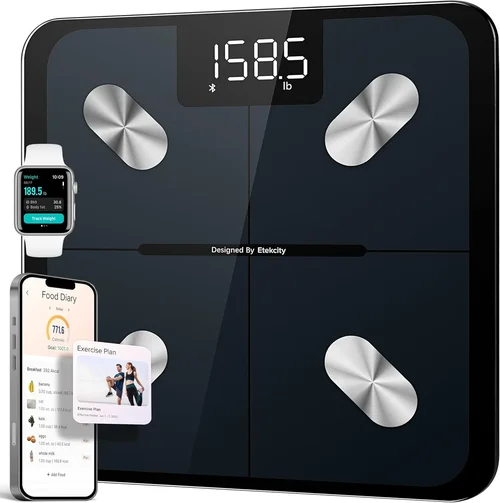
When it comes to weight loss, most people think about diet and exercise—and rightfully so. But what often gets overlooked is the role of consistent, accurate tracking. Whether you’re just starting your journey or fine-tuning an advanced routine, knowing your body composition can make a world of difference. That’s where the debate between smart scales and standard scales comes in. Both tools measure weight, but they serve very different purposes depending on your goals, lifestyle, and level of commitment.
In today’s market, you’re faced with a growing number of options: sleek smart scales that sync with your phone, track body fat, muscle mass, and even heart rate, versus traditional mechanical or digital bathroom scales that simply tell you how much you weigh. With so many features, price points, and claims floating around, it’s easy to feel overwhelmed. This guide is designed to cut through the noise. We’ll help you understand not just what these scales do, but which one actually supports your weight loss goals more effectively.
By the end of this comprehensive buying guide, you’ll know exactly what to look for when choosing between a smart scale and a standard scale. We’ll break down key factors like accuracy, connectivity, data tracking, budget, and long-term usability. You’ll learn how to avoid common pitfalls, understand pricing tiers, and get expert tips to make the smartest purchase possible. Whether you’re a tech enthusiast, a minimalist, or someone just trying to stay consistent, this guide will give you the clarity you need to invest wisely.

What to Look for When Buying Buying Guide
1. Accuracy and Consistency
At the heart of any good scale—smart or standard—is accuracy. If your scale gives inconsistent readings, it can derail your motivation and make progress tracking unreliable. For weight loss, even small fluctuations matter, especially when you’re aiming for steady, sustainable results. A scale that jumps between 150.2 and 151.8 pounds on consecutive readings can make it seem like you’re not making progress, even if you are.
Smart scales typically use bioelectrical impedance analysis (BIA) to estimate body composition metrics like body fat percentage, muscle mass, and water weight. While convenient, BIA can be affected by hydration levels, recent meals, and even the time of day. That means your body fat reading might vary significantly from morning to evening. Standard digital scales, on the other hand, rely on strain gauge sensors to measure weight alone. These are generally more consistent for tracking weight changes over time, especially if used under the same conditions (e.g., first thing in the morning, after using the bathroom).
When evaluating accuracy, look for scales with high-resolution sensors and user reviews that mention consistency. Some smart scales now include multiple sensors and algorithms to improve reliability. For example, models with four or more electrodes (two under each foot) tend to provide more stable readings than those with only two. Also, consider whether the scale allows you to calibrate it or has auto-calibration features.
2. Features and Functionality
This is where smart scales truly shine—and where standard scales fall short. A standard scale gives you one number: your weight. A smart scale can give you a full-body snapshot, including body fat, muscle mass, bone density, metabolic age, and even visceral fat levels. These additional metrics can be powerful motivators and provide deeper insight into your health beyond the number on the scale.
For weight loss, body composition data is especially valuable. Losing weight doesn’t always mean losing fat—you could be losing muscle or water. A smart scale helps you distinguish between the two. For instance, if your weight stays the same but your body fat percentage drops, that’s a win. Similarly, if your muscle mass increases while fat decreases, you’re building a healthier, more resilient body.
Other smart features include app integration (with platforms like Apple Health, Google Fit, or MyFitnessPal), multi-user support, pregnancy mode, and even heart rate monitoring. Some advanced models offer trend analysis, weekly summaries, and personalized insights based on your goals. These tools can help you stay engaged and adjust your routine based on real data.
However, more features don’t always mean better value. If you’re only interested in tracking weight, a standard scale may be all you need. But if you’re serious about understanding your body and optimizing your weight loss strategy, the extra data from a smart scale can be transformative.
3. Connectivity and App Integration
One of the biggest advantages of smart scales is their ability to sync with your smartphone or fitness apps. This connectivity allows you to store and analyze your data over time, set goals, and even share progress with coaches or healthcare providers. Most smart scales use Bluetooth or Wi-Fi to connect to companion apps, which then display your metrics in easy-to-read charts and graphs.
When evaluating connectivity, consider compatibility with your existing ecosystem. If you use Apple Health, make sure the scale supports it. Same with Google Fit, Fitbit, or Samsung Health. Some apps also allow you to log food, exercise, and sleep, giving you a holistic view of your habits and how they impact your body composition.
Wi-Fi-enabled scales tend to offer more seamless syncing since they don’t require your phone to be nearby. Bluetooth models are more common and usually sufficient for most users, but they require you to open the app each time you weigh in. Also, check whether the app is user-friendly, regularly updated, and offers meaningful insights—not just raw data.
Standard scales don’t offer connectivity, which can be a downside if you’re trying to build a comprehensive health profile. However, they’re plug-and-play: step on, get your number, and move on. No apps, no setup, no privacy concerns.
4. Build Quality and Durability
Your scale is something you’ll use daily, so it needs to withstand regular use without breaking down. Look for models made with tempered glass, reinforced frames, and non-slip surfaces. A sturdy build ensures longevity and safety, especially if multiple people in your household will be using it.
Smart scales often have more complex internal components, which can make them more prone to malfunction if dropped or exposed to moisture. However, many premium models are designed with durability in mind. For example, some feature scratch-resistant glass and water-resistant coatings. Standard scales, particularly mechanical ones, are generally more rugged and less likely to fail due to electronic issues.
Weight capacity is another important factor. Most scales support up to 400 pounds, but if you or a family member weighs more, make sure to check the maximum limit. Also, consider the platform size—larger platforms are more comfortable and reduce the chance of stepping off-center, which can affect accuracy.
Finally, think about where you’ll place the scale. If it’s in a humid bathroom, a water-resistant model is essential. If it’s in a carpeted area, look for scales with adjustable feet or a design that works on soft surfaces.
5. Budget and Price Range
Price is often the deciding factor for many buyers. Standard digital scales are typically the most affordable, ranging from $15 to $50. Mechanical scales can be even cheaper, sometimes under $10. These are great for basic weight tracking but lack advanced features.
Smart scales start around $40 and can go up to $200 or more for premium models. The price usually reflects the number of features, build quality, and brand reputation. Mid-range smart scales ($60–$120) often offer the best balance of functionality and value, including body composition tracking, app syncing, and multi-user support.
While it’s tempting to go for the cheapest option, remember that a scale is a long-term investment in your health. A $20 scale that breaks after six months isn’t a bargain. Similarly, a $200 smart scale with features you’ll never use may be overkill. Focus on what you actually need: if you want detailed insights, spend a bit more. If you just want to track weight, a standard scale will do.
6. Brand Reputation and Reliability
Not all scales are created equal, and brand matters. Established brands like Withings, Fitbit, Renpho, Eufy, and Omron have a track record of producing reliable, accurate devices. They also tend to offer better customer support, longer warranties, and regular software updates for their apps.
When researching brands, look at customer reviews on trusted platforms like Amazon, Best Buy, or Consumer Reports. Pay attention to comments about accuracy, durability, and app performance. Also, check how responsive the company is to issues—do they offer replacements, refunds, or troubleshooting guides?
Avoid unknown brands with suspiciously low prices or exaggerated claims (e.g., “lose 20 pounds in a week!”). These are often knockoffs with poor build quality and unreliable sensors. Stick to reputable manufacturers, even if it means paying a little more.
7. Warranty and Customer Support
A good warranty can save you money and frustration down the line. Most standard scales come with a 1-year warranty, while smart scales often include 1–2 years, sometimes longer for premium models. Some brands even offer extended warranties or satisfaction guarantees.
Customer support is equally important. If your scale stops working or the app crashes, you want to know you can get help quickly. Look for brands that offer multiple support channels—email, phone, live chat—and have a reputation for responsive service.
Also, check the return policy before buying. Many retailers allow 30-day returns, which gives you time to test the scale and see if it meets your expectations. This is especially useful for smart scales, which may require setup and app integration.
8. Size and Portability
While most bathroom scales are designed to be stationary, some users prefer portability—especially if they travel frequently or share the scale between homes. Standard scales are generally lighter and easier to move, while smart scales tend to be bulkier due to their internal electronics.
If space is a concern, look for compact models that fit in small bathrooms or closets. Some smart scales are designed with a slim profile and can be stored vertically. Also, consider whether the scale has a low profile—this makes it easier to step on and off, reducing the risk of slips.
For travelers, a portable smart scale might be worth the investment. Some models are battery-powered and lightweight, making them easy to pack. However, keep in mind that frequent travel can affect calibration, so you may need to recalibrate the scale when you return home.
Different Types of Buying Guide

Common Buying Mistakes to Avoid
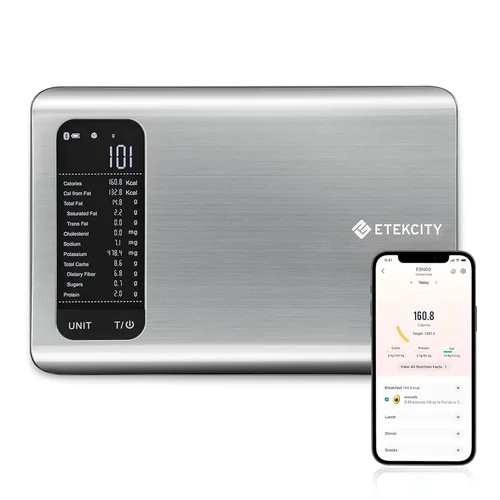
❌ Mistake: Choosing Based on Price Alone
Why it’s bad: Going for the cheapest option might save you money upfront, but it can cost you in the long run. Low-quality scales often lack accuracy, break easily, or have poor app support. You could end up replacing it within months.
What to do instead: Consider the total value—features, durability, and support—not just the sticker price. A $70 smart scale that lasts three years is a better deal than a $25 scale that fails after six months.
❌ Mistake: Ignoring App Compatibility
Why it’s bad: If your smart scale doesn’t sync with your existing health apps, you lose half its value. You’ll end up with isolated data that’s hard to analyze or share.
What to do instead: Before buying, check the scale’s compatibility with Apple Health, Google Fit, or other platforms you use. Read app reviews to ensure it’s stable and user-friendly.
❌ Mistake: Overlooking Multi-User Support
Why it’s bad: If multiple people in your household use the scale, but it only supports one profile, data will get mixed up. This can lead to confusion and inaccurate tracking.
What to do instead: Choose a scale that supports multiple users (most smart scales do). Look for models that can automatically recognize users based on weight or require a quick login.
❌ Mistake: Assuming All Smart Scales Are Accurate
Why it’s bad: Not all smart scales use high-quality sensors or reliable algorithms. Some overestimate body fat or give inconsistent readings, which can mislead your progress.
What to do instead: Read expert and user reviews that mention accuracy. Look for models with four or more electrodes and brands known for precision, like Withings or Omron.
❌ Mistake: Buying Without Testing Return Policy
Why it’s bad: Smart scales require setup and app integration. If the app is buggy or the scale doesn’t work as expected, you need an easy way to return it.
What to do instead: Only buy from retailers with generous return windows (30 days or more). Avoid third-party sellers with strict policies.
❌ Mistake: Neglecting Calibration and Maintenance
Why it’s bad: Even the best scales can drift out of calibration over time, especially if moved or exposed to humidity. This leads to inaccurate readings.
What to do instead: Calibrate your scale regularly (most have a calibration mode). Keep it on a hard, flat surface and avoid dropping it.
Budget Guidelines: How Much Should You Spend?
Entry-Level ($15–$50): This range covers standard digital and mechanical scales. Ideal for basic weight tracking, these are simple, reliable, and require no setup. Great for beginners or those on a tight budget. However, they lack advanced features and data insights.
Mid-Range ($60–$120): This is the sweet spot for most buyers. You’ll find feature-rich smart scales with body composition tracking, app syncing, and multi-user support. Models in this range offer excellent value, balancing cost and functionality. Perfect for fitness enthusiasts and families.
Premium ($120–$200): For those serious about health tracking, premium smart scales offer superior accuracy, advanced metrics (like heart rate and metabolic age), and sleek designs. These are ideal for athletes, trainers, or anyone who wants detailed insights.
Luxury ($200+): Top-tier models from brands like Withings or Fitbit offer cutting-edge technology, medical-grade sensors, and seamless integration with health platforms. These are best for professionals or tech-savvy users who want the absolute best.
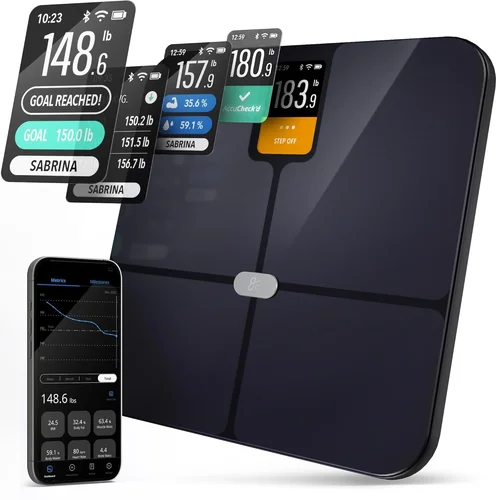
Expert Tips for Getting the Best Deal
- Shop during sales: Black Friday, Cyber Monday, and Amazon Prime Day often feature deep discounts on smart scales. Sign up for deal alerts from retailers like Best Buy or Target.
- Buy directly from the manufacturer: Brands like Renpho and Eufy often offer exclusive deals, extended warranties, or free shipping on their websites.
- Check refurbished options: Certified refurbished smart scales can save you 20–40% and often come with the same warranty as new models.
- Read the fine print on warranties: Some brands require registration within 30 days to activate the warranty. Keep your receipt and follow instructions.
- Test before committing: If possible, try the scale in-store or borrow one from a friend. See how the app feels and whether the setup is intuitive.
- Look for bundle deals: Some retailers offer discounts when you buy a scale with a fitness tracker or smartwatch.
- Consider long-term costs: Smart scales may require app subscriptions for premium features. Factor this into your budget.

Frequently Asked Questions
Q: Are smart scales accurate for body fat measurement?
A: Smart scales use bioelectrical impedance, which can give a general estimate but isn’t as accurate as methods like DEXA scans. Results can vary based on hydration, food intake, and time of day. However, they’re useful for tracking trends over time when used consistently.
Q: Can I use a smart scale if I have a pacemaker?
A: Most smart scales are safe, but the electrical current used in BIA is very low. Still, consult your doctor before use, especially if you have a pacemaker or other implanted device.
Q: Do I need a smartphone to use a smart scale?
A: Not necessarily. Some smart scales display basic metrics on the device itself. However, to access full features like trends and insights, a smartphone and app are required.
Q: How often should I weigh myself?
A: For weight loss, daily weigh-ins at the same time (e.g., morning, after bathroom) provide the best data. Weekly averages help smooth out daily fluctuations.
Q: Can children use smart scales?
A: Yes, but not all models support pediatric modes. Look for scales with child profiles or consult the manufacturer’s guidelines.
Q: Do smart scales work on carpet?
A: Most require a hard, flat surface for accuracy. Some include carpet feet or adapters, but performance may vary.
Q: How long do smart scale batteries last?
A: Typically 6–12 months, depending on usage. Rechargeable models are becoming more common.
Q: Can I share my smart scale data with my doctor?
A: Yes, most apps allow you to export data or share reports via email or PDF.
Our Final Recommendations
Best for Budget-Conscious Buyers: Etekcity Smart Scale – Affordable, reliable, and packed with features like body composition tracking and app syncing. Great entry point into smart weighing.
Best Overall Value: Renpho Smart Body Composition Scale – Offers 13+ metrics, supports up to 16 users, and integrates with major health apps. Priced under $80, it’s hard to beat.
Best Premium Option: Withings Body+ – Medical-grade accuracy, Wi-Fi syncing, and a sleek design. Ideal for serious health trackers and families.
Best for Beginners: Fitbit Aria Air – Simple setup, clean app interface, and seamless integration with Fitbit ecosystem. Perfect for those new to smart scales.
Best for Advanced Users: Omron Full Body Sensor – Tracks 7 key metrics, including skeletal muscle and visceral fat. Designed for athletes and health professionals.
Conclusion: Making the Right Choice
Choosing between a smart scale and a standard scale ultimately comes down to your goals, lifestyle, and how much data you want to track. If you’re focused solely on weight loss and prefer simplicity, a standard digital scale is a reliable, no-frills option. But if you’re committed to understanding your body on a deeper level—tracking fat loss, muscle gain, and overall health trends—a smart scale is a powerful tool that can keep you motivated and informed.
Remember, the best scale is the one you’ll use consistently. No amount of technology can replace daily commitment. So prioritize accuracy, ease of use, and features that align with your routine. Don’t overspend on gadgets you won’t use, but don’t underspend on something that will break or frustrate you.
Take the time to assess your needs, read reviews, and consider your long-term health journey. Whether you go smart or standard, the right scale will become a trusted partner in your weight loss journey—helping you stay accountable, celebrate progress, and make smarter choices every day.