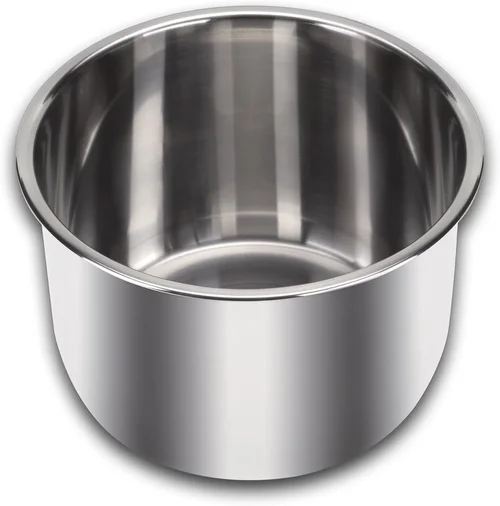
When it comes to pressure cooking, the Instant Pot has become a household staple—transforming how families, busy professionals, and home chefs prepare meals. But while the outer shell and digital interface get most of the attention, the real heart of any Instant Pot is its inner pot. This unassuming component plays a critical role in everything from cooking performance and food safety to ease of cleaning and long-term durability. Whether you’re upgrading your current model or buying your first multi-cooker, choosing between a stainless steel and ceramic inner pot can dramatically impact your cooking experience.
In this comprehensive guide, we’ll dive deep into the differences between stainless steel and ceramic inner pots for Instant Pot models, helping you make an informed decision based on your cooking habits, health preferences, budget, and lifestyle. We’ll explore key factors like heat distribution, non-stick properties, maintenance requirements, and compatibility with different Instant Pot models. You’ll also learn about common buying mistakes, expert tips for getting the best deal, and how to match your choice to your specific needs—whether you’re a weeknight meal prepper, a slow-cooking enthusiast, or someone who values clean eating and chemical-free cookware.
The market for Instant Pot accessories has exploded in recent years, with third-party manufacturers offering a wide range of inner pots in various materials, sizes, and finishes. While the original Instant Pot models typically come with either stainless steel or non-stick coated aluminum pots, many users are now opting for upgraded or replacement pots made from premium materials like tri-ply stainless steel or ceramic. This shift reflects growing consumer awareness around food safety, sustainability, and cooking performance. With so many options available, it’s easy to feel overwhelmed—but this guide will cut through the noise and deliver expert-level insights to help you choose the right inner pot for your kitchen.

What to Look for When Buying Instant Pots
1. Material Composition
The material of your Instant Pot’s inner pot directly affects how your food cooks, how easy it is to clean, and whether any potentially harmful substances leach into your meals. Stainless steel and ceramic are the two most popular choices, each with distinct advantages and trade-offs.
Stainless steel inner pots are typically made from food-grade 18/8 or 18/10 stainless steel, which means they contain 18% chromium and 8–10% nickel. This composition makes them highly durable, resistant to rust and corrosion, and safe for cooking acidic foods like tomatoes or vinegar-based sauces. They don’t react with ingredients, so your food retains its natural flavor. Many high-end models feature tri-ply or multi-layer construction, with an aluminum core sandwiched between stainless steel layers to improve heat conductivity.
Ceramic inner pots, on the other hand, are made from natural clay that’s glazed and fired at high temperatures. They’re prized for being completely non-reactive and free of synthetic coatings like PTFE or PFOA (commonly found in traditional non-stick pans). Ceramic is naturally non-stick when properly seasoned or maintained, and it doesn’t leach metals or chemicals into food—even when cooking at high temperatures. However, not all ceramic pots are created equal. Some are coated with a thin layer of enamel, while others are pure ceramic. Look for pots labeled “100% ceramic” or “ceramic-coated” with no added metals or synthetic materials.
When evaluating material, consider your cooking style. If you frequently make stews, curries, or tomato-based dishes, stainless steel’s reactivity resistance is a major plus. If you’re concerned about chemical exposure or prefer a more natural cooking surface, ceramic may be the better choice—just ensure it’s high-quality and compatible with your Instant Pot model.
2. Heat Distribution and Retention
Even heat distribution is essential for consistent cooking results, especially in a pressure cooker where temperature control is critical. Poor heat distribution can lead to hot spots, undercooked centers, or scorched food at the bottom.
Stainless steel pots, particularly those with tri-ply construction, excel in this area. The aluminum core spreads heat evenly across the base and up the sides, reducing the risk of burning and ensuring that liquids simmer uniformly. This is especially important when making rice, beans, or soups, where even cooking prevents clumping or sticking.
Ceramic pots, while excellent at retaining heat once warmed, often have slower heat-up times and less uniform distribution. Because ceramic is an insulator rather than a conductor, it doesn’t respond as quickly to temperature changes. This can lead to uneven cooking if the pot isn’t preheated properly or if the Instant Pot’s heating element cycles on and off. However, once ceramic reaches the desired temperature, it holds that heat well, which can be beneficial for slow-cooking or keeping food warm after the cycle ends.
For users who prioritize speed and precision—like those cooking grains or delicate proteins—stainless steel’s superior conductivity is a clear advantage. But if you’re making long-simmered dishes like braises or bone broths, ceramic’s heat retention can help maintain a steady temperature without constant monitoring.
3. Non-Stick Performance
One of the biggest pain points for Instant Pot users is food sticking to the bottom of the pot, especially when cooking rice, oatmeal, or creamy sauces. This not only affects the final dish but also makes cleaning a chore.
Traditional non-stick coated pots (often included with budget Instant Pot models) offer the easiest release but come with significant drawbacks. The coating can degrade over time, especially under high heat or with metal utensils, potentially releasing harmful fumes or particles. Additionally, many non-stick coatings contain PTFE or PFOA, chemicals that have raised health concerns.
Stainless steel pots are naturally non-stick only when used correctly—meaning proper preheating, adequate oil or liquid, and avoiding high heat without food. While they can stick if mishandled, modern tri-ply stainless steel pots with polished interiors are much more forgiving. With practice, most users can achieve excellent results without sticking.
Ceramic pots offer a middle ground. High-quality ceramic surfaces are naturally non-stick and don’t require synthetic coatings. They perform well with minimal oil and are safe to use with metal utensils (though wooden or silicone tools are still recommended to preserve the surface). However, cheaper ceramic pots may have uneven glazing or poor-quality clay, leading to sticking or chipping over time.
If easy cleanup is your top priority, ceramic may be the better choice—provided you invest in a reputable brand. But if you’re willing to adapt your cooking technique, stainless steel offers unmatched durability and performance without relying on coatings.
4. Durability and Longevity
Your Instant Pot is an investment, and the inner pot should last for years—not months. Durability depends on material quality, construction, and how well you maintain the pot.
Stainless steel is one of the most durable cookware materials available. It resists scratches, dents, and corrosion, and can withstand high heat without warping. A well-made stainless steel inner pot can last a decade or more with proper care. It’s also dishwasher-safe and can be scrubbed with abrasive cleaners (though steel wool should be used sparingly to avoid scratching the surface).
Ceramic pots are more fragile. While high-fired ceramic is strong, it’s prone to chipping or cracking if dropped or exposed to sudden temperature changes (like placing a hot pot in cold water). The glaze can also wear down over time, especially with frequent use or harsh cleaning. That said, premium ceramic pots from trusted brands are built to last and often come with warranties.
Consider your kitchen habits. If you’re prone to accidents or have a busy household with kids, stainless steel’s toughness makes it a safer bet. But if you handle your cookware gently and prioritize chemical-free cooking, a quality ceramic pot can serve you well for many years.
5. Ease of Cleaning
Cleaning your Instant Pot inner pot shouldn’t feel like a punishment. The right material can make post-cooking cleanup quick and stress-free.
Stainless steel pots are generally easy to clean, especially if food hasn’t burned onto the surface. Most residues can be removed with warm soapy water and a soft sponge. For stuck-on food, soaking the pot or using a paste of baking soda and water usually does the trick. Avoid steel wool or harsh abrasives, as they can scratch the surface and create crevices where bacteria can grow.
Ceramic pots are also easy to clean when maintained properly. The smooth, non-porous glaze resists staining and odors. However, if food burns or sticks, it can be harder to remove without damaging the surface. Avoid using metal scrubbers, and opt for soft brushes or sponges. Some users find that ceramic pots require more frequent seasoning (similar to cast iron) to maintain their non-stick properties.
Both materials are dishwasher-safe, but hand washing is recommended to prolong their lifespan. If you value convenience and don’t want to worry about special care routines, stainless steel is the more low-maintenance option.
6. Compatibility with Instant Pot Models
Not all inner pots fit all Instant Pot models. Before purchasing a replacement or upgrade, verify compatibility with your specific model and size.
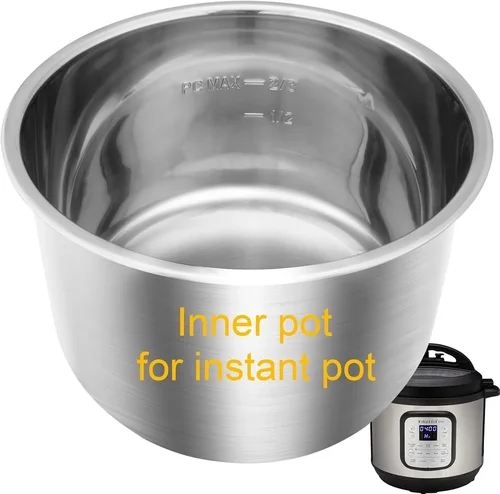
Most third-party stainless steel and ceramic pots are designed to fit standard Instant Pot sizes (3-quart, 6-quart, and 8-quart), but slight variations in diameter, depth, or handle design can affect fit. A pot that’s too tall may not close properly, while one that’s too wide could interfere with the sealing ring or lid mechanism.
Check the product description carefully and look for compatibility lists. Many reputable brands (like Instant Pot’s own accessories, or third-party makers like Potastic or Aozita) provide detailed fit guides. Some pots also include measurement diagrams or customer reviews confirming fit.
Additionally, ensure the pot is safe for use in electric pressure cookers. Some ceramic pots are labeled “oven-safe” but not “pressure cooker-safe,” meaning they may not withstand the high internal pressures of an Instant Pot. Always look for pots explicitly rated for pressure cooking.
7. Health and Safety Considerations
With growing awareness of toxins in cookware, health-conscious buyers are scrutinizing what their pots are made of—and what might leach into their food.
Stainless steel is considered one of the safest cookware materials. High-quality 18/8 or 18/10 stainless steel is non-reactive and doesn’t leach nickel or chromium into food under normal cooking conditions. However, some individuals with nickel allergies may experience sensitivity, though this is rare.
Ceramic is often touted as the “cleanest” option because it’s made from natural materials and free of synthetic coatings. But not all ceramic is safe. Some low-quality pots use lead-based glazes or contain cadmium, especially those imported from regions with lax regulations. Always choose ceramic pots from reputable brands that provide third-party safety certifications (like FDA approval or SGS testing).
Avoid pots with “non-stick” ceramic coatings that may contain nanoparticles or undisclosed chemicals. Opt for 100% ceramic or ceramic-coated pots with transparent ingredient lists.
For families with young children, pregnant women, or individuals with chemical sensitivities, ceramic may offer peace of mind—provided it’s high-quality and properly certified.
8. Price and Value for Money
Inner pots range from under $20 for basic non-stick models to over $100 for premium tri-ply stainless steel or artisanal ceramic versions. Your budget will influence your options, but it’s important to consider long-term value.
Stainless steel pots typically cost more upfront but offer excellent durability and performance. A $60–$80 tri-ply stainless steel pot can last 10+ years, making it a cost-effective investment. Budget stainless steel pots (under $40) may lack even heating or have thinner walls, reducing their lifespan.
Ceramic pots vary widely in price. Basic ceramic-coated pots start around $30, while high-end, handcrafted ceramic pots can exceed $100. While they may not last as long as stainless steel, their health benefits and natural cooking surface appeal to many users.
Consider your usage frequency. If you use your Instant Pot daily, investing in a durable, high-performance pot makes sense. If you cook occasionally, a mid-range option may suffice.
Different Types of Instant Pots

Common Buying Mistakes to Avoid
❌ Mistake: Choosing Based on Price Alone
Why it’s bad: Opting for the cheapest inner pot may save you $20 upfront, but it could cost you in performance, safety, and longevity. Budget non-stick pots often use low-quality coatings that degrade quickly, while thin stainless steel pots may warp or heat unevenly.
What to do instead: Consider the total cost of ownership. A $70 tri-ply stainless steel pot that lasts 10 years is a better value than a $25 non-stick pot that needs replacing every 2 years. Invest in quality that matches your usage.
❌ Mistake: Ignoring Compatibility
Why it’s bad: Buying a pot that doesn’t fit your Instant Pot model can lead to leaks, poor sealing, or even safety hazards. A mismatched pot may not sit properly on the heating element, causing uneven cooking or damage to the cooker.
What to do instead: Always check the product specifications and compatibility list. Measure your current pot or consult your Instant Pot’s manual. When in doubt, choose pots from brands that guarantee fit or offer free returns.
❌ Mistake: Assuming All Ceramic Pots Are Safe
Why it’s bad: Not all ceramic cookware is created equal. Some imported pots use lead-based glazes or contain harmful additives. Using an unsafe pot can expose you to toxins, especially when cooking acidic foods.
What to do instead: Buy from reputable brands that provide third-party safety certifications. Look for labels like “FDA-approved,” “lead-free,” or “PFOA-free.” Avoid unbranded or suspiciously cheap ceramic pots.
❌ Mistake: Overlooking Maintenance Requirements
Why it’s bad: Some materials require special care to maintain performance. For example, ceramic pots may need seasoning, and stainless steel pots can stick if not preheated properly. Ignoring these needs leads to frustration and reduced lifespan.
What to do instead: Read the care instructions before buying. Choose a pot that fits your cleaning and cooking habits. If you dislike scrubbing, avoid pots prone to sticking.
❌ Mistake: Buying Without Reading Reviews
Why it’s bad: Product descriptions can be misleading. A pot marketed as “premium ceramic” might be thin, poorly glazed, or incompatible with your model. Without real user feedback, you risk disappointment.
What to do instead: Read verified customer reviews, especially those with photos or detailed experiences. Look for patterns—multiple complaints about chipping or poor fit are red flags.
❌ Mistake: Upgrading Without Need
Why it’s bad: If your current pot works fine, replacing it may be unnecessary. Upgrading to a high-end pot won’t improve results if your cooking technique or Instant Pot model is the limiting factor.
What to do instead: Assess your actual needs. Are you burning food? Is cleaning difficult? Do you cook acidic dishes often? Only upgrade if there’s a clear problem the new pot solves.
❌ Mistake: Ignoring Warranty and Return Policies
Why it’s bad: If a pot arrives damaged or doesn’t perform as expected, a poor return policy can leave you stuck with a defective product.
What to do instead: Choose retailers or brands with generous return windows (30+ days) and clear warranty coverage. This protects your investment and gives you peace of mind.
Budget Guidelines: How Much Should You Spend?
– Entry-Level ($20–$40): This range includes basic non-stick coated aluminum pots and single-ply stainless steel models. Best for occasional users or those on a tight budget. Expect shorter lifespans and potential sticking issues. Ideal as a temporary solution or backup pot.
– Mid-Range ($40–$70): The sweet spot for most buyers. Includes quality ceramic-coated pots, decent stainless steel models, and some tri-ply options. Offers a good balance of performance, durability, and safety. Suitable for regular home cooking.
– Premium ($70–$100): For enthusiasts and serious cooks. Features tri-ply stainless steel with even heating, thick walls, and polished interiors. Also includes high-end ceramic pots with superior glazing and craftsmanship. These pots deliver professional-grade results and last for years.
– Luxury ($100+): Top-tier options like handcrafted ceramic pots or multi-layer stainless steel with copper cores. Often include extras like measurement markings, ergonomic handles, or custom fits. Best for collectors, gift-giving, or those who view cookware as an investment.
Expert Tips for Getting the Best Deal
– Buy During Sales Events: Major retailers like Amazon, Walmart, and Target offer discounts during Black Friday, Prime Day, and holiday sales. Sign up for newsletters to get early alerts.
– Check Manufacturer Websites: Instant Pot and third-party brands often run exclusive promotions or bundle deals (e.g., pot + steamer basket). You may find better prices or free shipping.
– Compare Third-Party Sellers: Use price comparison tools or browser extensions to track prices across sites. Sometimes smaller retailers offer competitive pricing with faster shipping.
– Look for Open-Box or Refurbished: Certified refurbished pots from reputable sellers can save you 20–30% and often come with warranties.
– Read the Fine Print on Warranties: Some brands offer lifetime warranties on stainless steel pots but only 1–2 years on ceramic. Understand what’s covered (e.g., chipping, warping) before buying.
– Test Fit Before Committing: If possible, visit a store to see the pot in person. Check the weight, handle comfort, and base thickness.
– Consider Multi-Pot Sets: Some brands sell inner pots in sets (e.g., 6-quart + 3-quart) at a discount. Useful if you have multiple Instant Pots or want a backup.
– Join Cooking Communities: Online forums like Reddit’s r/InstantPot or Facebook groups often share deals, reviews, and user experiences. You might find a hidden gem or avoid a dud.

Frequently Asked Questions
Q: Can I use a stainless steel inner pot on the stovetop?
A: Most stainless steel Instant Pot inner pots are not designed for stovetop use. While they can technically withstand heat, the thin walls and lack of heat diffusers may cause warping or damage. Always check the manufacturer’s guidelines.
Q: Will a ceramic pot scratch my Instant Pot’s heating element?
A: No, ceramic pots are safe for the heating element. However, avoid dragging the pot across the base, as abrasive particles could scratch the surface over time.
Q: How do I prevent food from sticking in a stainless steel pot?
A: Preheat the pot for 1–2 minutes before adding oil or liquid. Use enough fat (oil, butter) and avoid high heat without food. Deglaze with liquid after cooking to release stuck bits.
Q: Are ceramic pots dishwasher-safe?
A: Most are, but hand washing is recommended to preserve the glaze. Avoid harsh detergents or abrasive sponges.
Q: Can I use metal utensils in a ceramic pot?
A: Yes, but gently. Metal can scratch the surface over time. Silicone or wooden utensils are safer long-term.
Q: Do I need to season a ceramic pot like cast iron?
A: Not typically. Most ceramic pots are ready to use. However, some users lightly oil the surface before first use to enhance non-stick properties.
Q: Will a replacement pot void my Instant Pot warranty?
A: Using third-party pots doesn’t automatically void the warranty, but damage caused by incompatible or low-quality pots may not be covered. Stick to reputable brands.
Q: How do I clean burnt food from a stainless steel pot?
A: Soak in hot water with dish soap for 30 minutes. Use a paste of baking soda and water with a non-abrasive scrubber. Avoid steel wool.
Q: Are there eco-friendly inner pot options?
A: Yes. Look for pots made from recycled stainless steel or sustainably sourced ceramic. Some brands also use minimal packaging.
Q: Can I cook acidic foods in a stainless steel pot?
A: Absolutely. High-quality stainless steel is non-reactive and safe for tomatoes, vinegar, and citrus.
Our Final Recommendations
– Best for Budget-Conscious Buyers: Aozita 6-Quart Stainless Steel Inner Pot – Affordable, durable, and compatible with most 6-quart models. Great for casual users.
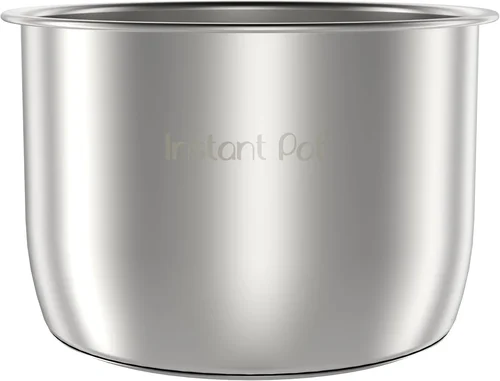
– Best Overall Value: Instant Pot Official Tri-Ply Stainless Steel Inner Pot – Excellent heat distribution, long-lasting, and made by the original manufacturer. A reliable upgrade.
– Best Premium Option: Potastic 6-Quart 100% Ceramic Inner Pot – Handcrafted, chemical-free, and naturally non-stick. Ideal for health-focused cooks.
– Best for Beginners: Instant Pot Non-Stick Coated Aluminum Pot – Easy to use and clean. Perfect for learning pressure cooking basics.
– Best for Advanced Users: All-Clad Stainless Steel Tri-Ply Inner Pot (Compatible) – Professional-grade construction with superior performance. Worth the investment for serious cooks.
Conclusion: Making the Right Choice
Choosing between a stainless steel and ceramic inner pot for your Instant Pot isn’t just about material—it’s about aligning your cookware with your values, cooking style, and long-term goals. Stainless steel offers unmatched durability, even heating, and versatility, making it ideal for frequent cooks and families. Ceramic provides a natural, chemical-free cooking surface that appeals to health-conscious users, though it requires more care and may not last as long.
Ultimately, the best inner pot is the one that fits your lifestyle. If you prioritize performance and longevity, go stainless. If you value purity and peace of mind, choose ceramic. And if you’re somewhere in between, a mid-range option with good reviews can deliver excellent results without breaking the bank.
Take the time to assess your needs, read reviews, and consider your budget. With the right inner pot, your Instant Pot will continue to be a reliable kitchen companion for years to come. Happy cooking!