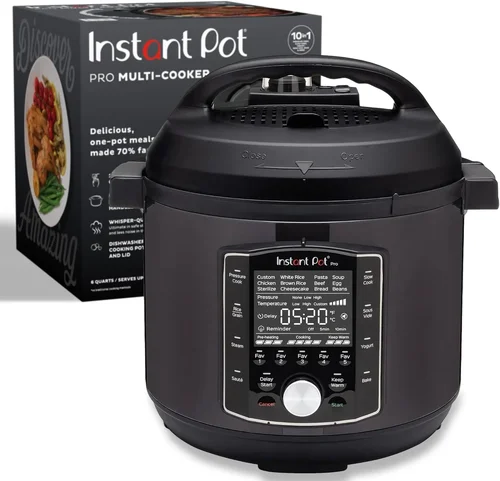
The Instant Pot has revolutionized home cooking since its debut, transforming the way families, busy professionals, and meal preppers approach dinner time. What started as a simple electric pressure cooker has evolved into a multi-functional kitchen powerhouse—capable of pressure cooking, slow cooking, sautéing, steaming, rice cooking, yogurt making, and even baking. With so many models flooding the market, finding the right Instant Pot under $150 can feel overwhelming. That’s where this comprehensive buying guide comes in. Whether you’re a first-time buyer or upgrading from an older model, this guide will help you cut through the noise and make a confident, informed decision.
In this detailed review, you’ll learn exactly what to look for when shopping for an Instant Pot within your budget. We’ll break down key features like wattage, capacity, safety mechanisms, and smart functions, so you understand how they impact real-world performance. You’ll also discover the differences between popular models, avoid common purchasing pitfalls, and get expert tips on scoring the best deals. By the end, you’ll have a clear roadmap to choosing the perfect Instant Pot that fits your lifestyle, kitchen space, and cooking goals—without overspending.
The market for multi-cookers is more competitive than ever, with brands like Instant Brands (the original maker), Ninja, Crock-Pot, and Mueller offering feature-rich alternatives. However, not all models are created equal—especially when you’re sticking to a $150 ceiling. Some prioritize simplicity and reliability, while others pack in advanced digital controls and app connectivity. Our goal is to help you identify which features matter most to you, whether that’s cooking speed, ease of cleaning, or versatility for one-pot meals. Let’s dive into the essentials.

What to Look for When Buying Instant Pots
1. Budget & Price Range
Sticking to a $150 budget doesn’t mean sacrificing quality—it means being smart about value. Most top-rated Instant Pots fall between $80 and $140, with occasional sales dropping premium models below $150. The key is understanding what you’re paying for: basic models offer core pressure cooking functions, while higher-end units include extras like air frying, sous vide, or Wi-Fi connectivity. Avoid the cheapest options under $60—they often lack essential safety features or use lower-grade materials that can wear out quickly. Instead, aim for the $90–$130 sweet spot, where you’ll find reliable performance, solid construction, and useful add-ons without breaking the bank.
2. Performance Specifications
Wattage and pressure levels directly affect cooking speed and results. Most Instant Pots under $150 operate between 1000–1200 watts, which is sufficient for fast pressure cooking—typically reducing cook times by 70% compared to stovetop methods. Look for models that reach at least 10–12 PSI (pounds per square inch) of pressure; this ensures efficient cooking for beans, stews, and tough cuts of meat. Also check the heating element design: dual-layer bottoms distribute heat more evenly, reducing hot spots and scorching. If you plan to cook large batches or whole chickens, verify the unit maintains consistent temperature throughout the cycle.
3. Build Quality & Durability
A well-built Instant Pot should last 5–10 years with regular use. Pay attention to the inner pot material—stainless steel is ideal because it’s non-reactive, dishwasher-safe, and won’t retain odors or stains like nonstick coatings can. The lid should have a sturdy, heat-resistant handle and a secure sealing ring made from food-grade silicone. Avoid models with flimsy control panels or thin plastic housing, as these are prone to cracking or malfunctioning over time. Check user reviews for mentions of leaks, warped lids, or electrical issues—these are red flags even if the price seems attractive.
4. Features & Functionality
Modern Instant Pots come with a variety of preset programs (e.g., Soup, Meat/Stew, Rice, Yogurt), but don’t get swayed by sheer quantity. Focus on the ones you’ll actually use. For example, if you love homemade yogurt, ensure the model includes a dedicated yogurt function with precise temperature control. Other valuable features include a sauté function (so you can brown meat before pressure cooking), a keep-warm setting, and a delay timer for meal planning. Some models under $150 now include air fryer lids or dehydrator attachments—great for versatility, but only worth it if you’ll use them regularly.
5. Brand Reputation
Instant Brands remains the gold standard in multi-cookers, thanks to rigorous safety testing, consistent performance, and strong customer support. While competitors like Ninja and Crock-Pot offer compelling alternatives, they may not match Instant Pot’s track record for reliability and community trust. That said, newer brands like Mueller and Cosori have earned solid reputations for delivering high-value models with innovative features. Always research brand history: look for certifications (UL, ETL), recall history, and how responsive they are to customer complaints. A reputable brand often means better long-term satisfaction.
6. Warranty & Support
A good warranty is a sign of manufacturer confidence. Most Instant Pots under $150 come with a 1-year limited warranty, but some brands extend this to 2 years—especially during promotions. Check what’s covered: does it include the heating element, lid, or only the base unit? Also consider customer service accessibility. Can you easily reach support via phone, chat, or email? Are replacement parts (like sealing rings or inner pots) readily available and affordable? A model with poor support can turn into a paperweight if something breaks just after the warranty expires.
7. Size & Portability
Instant Pots range from 3-quart (ideal for singles or couples) to 8-quart (perfect for families or batch cooking). Under $150, you’ll mostly find 6-quart and 8-quart models—the most popular sizes for home use. Consider your counter space and storage options: a 6-quart model is compact enough for small kitchens yet large enough to cook a whole chicken or pot of chili. Weight matters too—larger units can exceed 15 pounds, making them cumbersome to move. If you plan to store it in a cabinet, measure the height with the lid on; some models are taller than they appear.
8. User Reviews & Ratings
Never rely solely on manufacturer specs. Real-world feedback from thousands of users reveals hidden strengths and weaknesses. Look for patterns in reviews: do multiple people mention leaking issues? Is the display hard to read in bright light? Are the preset buttons confusing? Sites like Amazon, Best Buy, and Wirecutter aggregate verified purchase reviews, giving you a balanced perspective. Pay special attention to reviews from users with similar cooking habits—e.g., if you cook mostly grains and legumes, see what bean-lovers say about texture and cook time.
Different Types of Instant Pots

Common Buying Mistakes to Avoid

❌ Mistake: Choosing Based Solely on Price
Why it’s bad: The cheapest Instant Pot isn’t always the best deal. Models under $70 often cut corners on safety features, use thinner stainless steel, or lack essential functions like sauté mode. You might end up replacing it within a year, costing more in the long run.
What to do instead: Set a realistic budget ($90–$130) and prioritize value over the lowest sticker price. Look for sales on reputable models rather than settling for unknown brands.
❌ Mistake: Ignoring Capacity Needs
Why it’s bad: A 3-quart model won’t handle a family dinner, while an 8-quart may be overkill for one person—and take up too much counter space. Mismatched sizing leads to frustration and wasted energy.
What to do instead: Assess your household size and typical meal volume. For 1–2 people, 3–6 quarts works; for 3–5, go with 6–8 quarts. Consider future needs too—like holiday cooking or hosting.
❌ Mistake: Overvaluing Preset Buttons
Why it’s bad: More presets don’t equal better cooking. Many users only use 3–4 programs regularly (Pressure Cook, Slow Cook, Rice, Sauté). Extra buttons can clutter the interface and confuse beginners.
What to do instead: Focus on core functionality. A model with fewer but well-designed presets is often more intuitive and reliable than one with 15+ rarely used options.
❌ Mistake: Skipping the Sealing Ring Check
Why it’s bad: The silicone sealing ring is critical for pressure buildup. Cheap or ill-fitting rings cause leaks, failed cooks, and safety hazards. Some budget models include low-quality rings that degrade quickly.
What to do instead: Verify the ring is food-grade silicone and fits snugly. Buy a spare ($8–$12) upfront—they wear out and absorb odors over time.
❌ Mistake: Not Considering Cleaning Ease
Why it’s bad: If the inner pot isn’t dishwasher-safe or has hard-to-reach crevices, cleanup becomes a chore. Stuck-on food and grease buildup can affect performance and hygiene.
What to do instead: Choose models with fully removable, dishwasher-safe inner pots and smooth interiors. Avoid those with rivets or seams where food gets trapped.
❌ Mistake: Assuming All “Instant Pot” Brands Are Equal
Why it’s bad: Only Instant Brands makes the original Instant Pot. Other companies use similar names or designs but may not meet the same safety or performance standards.
What to do instead: Stick to trusted brands—Instant Brands, Ninja, Crock-Pot, or well-reviewed newcomers like Cosori. Read the fine print to confirm authenticity.
❌ Mistake: Neglecting Return Policies
Why it’s bad: If the unit arrives defective or doesn’t meet expectations, a strict return policy can leave you stuck with a dud. Some retailers charge restocking fees or require original packaging.
What to do instead: Buy from retailers with generous return windows (30+ days) and free return shipping. Amazon, Target, and Best Buy are reliable options.
Budget Guidelines: How Much Should You Spend?
– Entry-Level ($80–$100): Ideal for first-time buyers or those with minimal cooking needs. Expect basic pressure cooking, slow cooking, and rice functions. Inner pots are usually stainless steel, but fewer presets and no sauté mode. Great for dorm rooms or small apartments.
– Mid-Range ($100–$130): The sweet spot for most households. These models include sauté, yogurt, and steam functions, plus delay timers and keep-warm settings. Build quality is solid, and warranties are reliable. Perfect for families, meal preppers, and everyday cooks.
– Premium ($130–$150): For enthusiasts who want extra versatility. Look for combo units (pressure cooker + air fryer), Wi-Fi connectivity, or advanced temperature control. These often feature larger capacities, quieter operation, and enhanced safety systems.
– Luxury ($150+): While outside our target range, these top-tier models offer commercial-grade performance, app integration, and multi-layer cooking. Only necessary for serious home chefs or professional use.
Expert Tips for Getting the Best Deal
– Buy During Off-Peak Seasons: Instant Pots sell best around holidays (Thanksgiving, Christmas), so retailers discount them heavily in January and summer. January clearance sales are especially fruitful.
– Compare Retailers: Prices vary significantly between Amazon, Walmart, Target, and Costco. Costco often includes extended warranties, while Amazon offers fast shipping and easy returns.
– Check for Bundles: Some sellers include free accessories like extra sealing rings, steamer baskets, or recipe books. These can add $20–$40 in value at no extra cost.
– Read the Fine Print on Warranties: A “1-year warranty” might only cover the base unit. Ensure the lid, heating element, and electronics are included. Register your product immediately after purchase.
– Test Before Committing: If buying in-store, inspect the display model for button responsiveness, lid fit, and overall sturdiness. Online, watch unboxing videos to see real-world build quality.
– Consider Refurbished Models: Certified refurbished Instant Pots from the manufacturer often come with full warranties and sell for 25–40% less. They’re rigorously tested and nearly indistinguishable from new.
– Join Loyalty Programs: Stores like Target (Circle) and Best Buy (My Best Buy) offer member-exclusive discounts and early access to sales.
– Don’t Chase Trends: Newer isn’t always better. The Instant Pot Duo series has remained a top seller for years due to its balance of features and reliability—sometimes older models offer better value than flashy new releases.
Frequently Asked Questions
Q: Can I cook frozen meat in an Instant Pot?
A: Yes, but with caveats. You can pressure cook frozen chicken breasts or roasts, but cooking times increase by 50–100%. Always ensure the meat reaches a safe internal temperature (165°F for poultry). Avoid cooking large frozen blocks—they may not heat evenly, creating cold spots.
Q: Is the nonstick inner pot safe?
A: Most nonstick coatings used in Instant Pots are PFOA-free and safe when used properly. However, they scratch easily and may degrade over time. Stainless steel is more durable and doesn’t leach chemicals, even at high heat. If you choose nonstick, use silicone or wooden utensils.
Q: How often should I replace the sealing ring?
A: Every 6–12 months, or sooner if it becomes stiff, cracked, or retains strong odors (like garlic or fish). Replacement rings are inexpensive ($8–$12) and crucial for maintaining pressure.
Q: Can I use my Instant Pot for canning?
A: No. Instant Pots are not recommended for water bath or pressure canning. They don’t maintain the precise, sustained temperatures required for safe home canning. Use a dedicated canner instead.
Q: Why is my Instant Pot taking forever to come to pressure?
A: Common causes include too much liquid (overfilling), a loose lid, or a worn sealing ring. Ensure the vent is closed, the ring is clean and seated properly, and you’re using the minimum required liquid (usually 1 cup).
Q: Do I need to add extra liquid for pressure cooking?
A: Yes. Unlike stovetop pressure cookers, electric models require at least 1 cup of liquid to generate steam and build pressure. Without it, the burn notice will activate.
Q: Can I leave food in the Instant Pot after cooking?
A: The keep-warm function is safe for up to 10 hours, but don’t leave perishable food at room temperature beyond that. For long-term storage, transfer to airtight containers and refrigerate.
Q: Are Instant Pots energy-efficient?
A: Absolutely. They use about 50–70% less energy than conventional ovens or stovetops for the same tasks. Pressure cooking is especially efficient because it cooks food faster at lower temperatures.
Q: What’s the difference between “Quick Release” and “Natural Release”?
A: Quick Release (QR) manually vents steam immediately—ideal for vegetables to prevent overcooking. Natural Release (NR) lets pressure drop slowly on its own—better for meats and beans to keep them tender and intact.
Q: Can I cook bread in an Instant Pot?
A: Yes! Use the yogurt or steam function for no-knead bread or steamed buns. Some models even have a “Bake” preset. Just ensure the pot is greased and the dough isn’t overfilled.
Our Final Recommendations
– Best for Budget-Conscious Buyers: Instant Pot Duo 6-Quart ($99–$110)
A proven workhorse with 7 core functions, stainless steel pot, and reliable performance. No frills, just consistent results—perfect for newcomers.
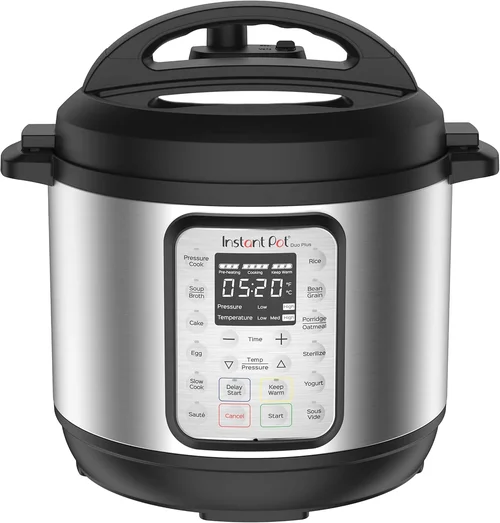
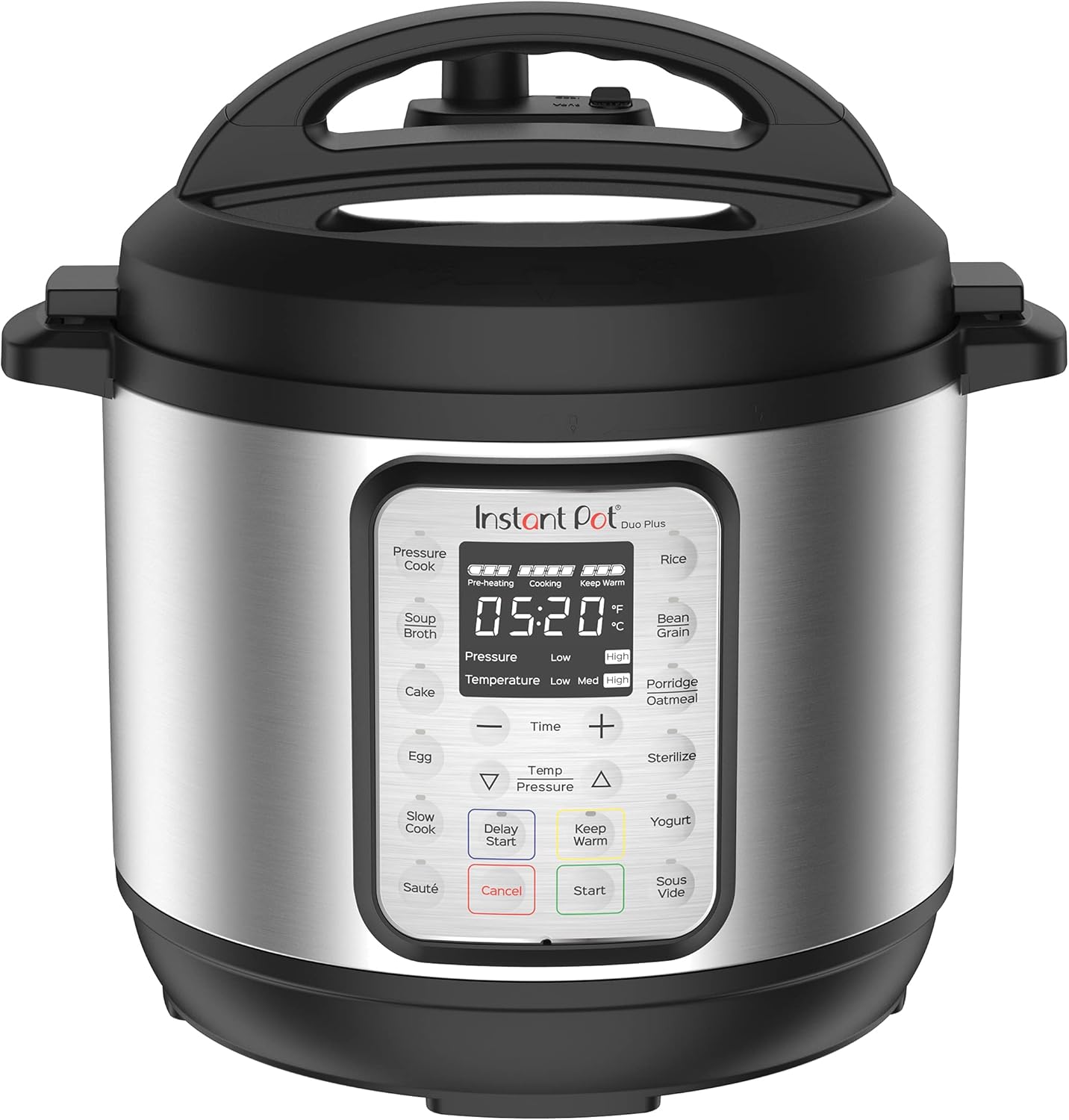
– Best Overall Value: Instant Pot Duo Plus 6-Quart ($120–$135)
Adds sauté, yogurt, and steam functions to the classic Duo. Includes a brighter display and quieter operation. Ideal for families who want versatility without overspending.
– Best Premium Option: Ninja Foodi 6.5-Quart Pressure Cooker + Air Fryer ($140–$150 on sale)
Combines pressure cooking with air frying in one unit. Great for crispy textures and space-saving. Slightly louder than Instant Pot but offers unique dual functionality.
– Best for Beginners: Crock-Pot Express Crock Multi-Cooker ($85–$95)
Simplified interface with clear labels and foolproof presets. Excellent for those intimidated by digital controls. Stainless steel pot and strong safety features.
– Best for Advanced Users: Instant Pot Pro 6-Quart ($130–$145)
Features precision temperature control, a sous vide mode, and a reinforced lid. Designed for cooks who want fine-tuned results and professional-grade performance.
Conclusion: Making the Right Choice
Choosing the right Instant Pot under $150 isn’t about finding the most features—it’s about finding the right fit for your kitchen, lifestyle, and cooking habits. By focusing on essentials like build quality, core functionality, and real user feedback, you can avoid buyer’s remorse and invest in a appliance that will serve you well for years. Remember: a great Instant Pot doesn’t just save time—it opens up new possibilities for healthy, homemade meals with minimal effort.
Don’t rush the decision. Use this guide to narrow your options, compare models side-by-side, and wait for the right deal. Whether you’re cooking for one or feeding a family, there’s an Instant Pot in your price range that will make weeknight dinners easier, tastier, and more enjoyable. Happy cooking!