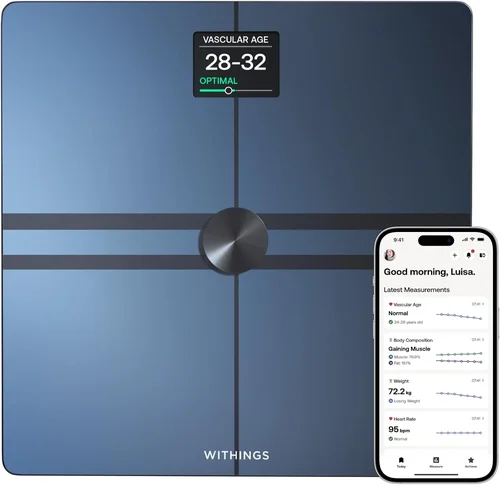
When it comes to precision measurement in kitchens, labs, workshops, or industrial environments, the humble scale plays a surprisingly critical role. Whether you’re portioning ingredients for a delicate soufflé, measuring supplements for a fitness regimen, or calibrating chemicals in a lab, accuracy is non-negotiable. But as your needs evolve—especially when moisture, spills, or frequent cleaning become part of the routine—the question inevitably arises: should you invest in a waterproof scale, or will a standard model suffice?
This guide exists to answer that exact question with clarity, depth, and real-world insight. We’re not here to push one product over another; instead, we aim to empower you with the knowledge to make an informed decision based on your unique circumstances. You’ll learn how waterproof scales differ from standard ones, what trade-offs exist between cost and functionality, and when the added expense truly pays off. From budget considerations to durability, performance specs, and long-term value, we’ll walk you through every factor that matters.
The market for digital scales has exploded in recent years, with options ranging from $15 kitchen gadgets to $500+ professional-grade instruments. Waterproof models sit at the higher end of this spectrum, often costing 2–3 times more than their standard counterparts. But are they worth it? That depends. For some users—like home bakers who occasionally wipe down counters—a standard scale may be perfectly adequate. For others—such as commercial kitchen staff, field researchers, or anyone working in humid or wet environments—waterproofing isn’t just a nice-to-have; it’s essential for reliability, safety, and longevity. By the end of this guide, you’ll know exactly where you fall on that spectrum.

What to Look for When Buying Buying Guide
1. Budget & Price Range
Your budget is often the first filter in any purchasing decision, and scales are no exception. Standard digital scales typically range from $15 to $80, offering solid accuracy for everyday tasks like cooking, portion control, or basic mail weighing. Waterproof models, however, start around $40 and can climb well above $200, especially for industrial or medical-grade units. The price jump reflects not just the waterproofing itself, but also enhanced build quality, tighter tolerances, and specialized components like sealed load cells and corrosion-resistant materials.
Before diving into features, ask yourself: how much am I willing to spend, and what will I lose if I go cheaper? A $20 scale might work fine until coffee grounds seep into the buttons or a splash of olive oil damages the circuitry. If your usage involves frequent exposure to liquids, dust, or harsh cleaning agents, skimping on price could cost you more in replacements down the line. Conversely, if you’re only using the scale indoors on a dry countertop, spending $150 on a fully sealed unit may be overkill. Balance your immediate needs against potential future scenarios—will your usage change? Could you eventually need durability you don’t require today?
2. Performance Specifications
Accuracy, precision, capacity, and resolution are the backbone of any scale’s performance—and they matter even more when waterproofing is involved. Most consumer scales offer readability down to 0.1g or 0.01oz, which is sufficient for baking and cooking. However, waterproof models often maintain this precision even under challenging conditions because their internal mechanisms are better protected from environmental interference. Look for scales with high-resolution sensors (e.g., 0.05g or better) and stable calibration, especially if you’re measuring small quantities like spices, supplements, or jewelry.
Capacity is another key spec. Standard kitchen scales usually max out at 5–11 lbs (2–5 kg), while waterproof industrial models can handle 50+ lbs. Consider what you’ll be weighing: a single avocado, a bag of flour, or a stack of lab samples? Also, check the stabilization time—how quickly the scale settles on a final reading. Waterproof scales often have slightly longer stabilization due to added sealing layers, but reputable brands minimize this delay through optimized sensor design. Don’t overlook unit conversion (grams, ounces, pounds, milliliters, etc.), tare function, and auto-off features—these enhance usability regardless of environment.
3. Build Quality & Durability
This is where waterproof scales truly shine—and justify their premium price. Standard scales often use plastic housings with exposed buttons, unsealed ports, and minimal protection against dust or moisture. Over time, crumbs, grease, or liquid spills can infiltrate the electronics, causing erratic readings, button failure, or complete malfunction. Waterproof scales, by contrast, feature IP-rated enclosures (more on that below), stainless steel platforms, silicone gaskets, and fully sealed control panels. These design elements not only repel water but also resist corrosion, impact, and chemical exposure.
Durability isn’t just about surviving a spill—it’s about consistent performance over years of use. A well-built waterproof scale should withstand daily sanitization with disinfectants, immersion in water (for some models), and rough handling in busy environments. Pay attention to materials: aluminum alloy bases offer better stability than thin plastic, and tempered glass platforms are easier to clean and less prone to scratching. If you’re buying for a commercial kitchen, hospital, or outdoor application, prioritize rugged construction over sleek aesthetics.
4. Features & Functionality
Beyond basic weighing, modern scales come packed with features that can significantly enhance your workflow—but not all are equally useful in wet environments. Standard scales often include countdown timers, nutritional calculators, or Bluetooth connectivity for recipe apps. While convenient, these features may be compromised in waterproof models due to the need for sealed interfaces. For example, touchscreens are rare in waterproof designs because water droplets can interfere with touch sensitivity, and wireless charging ports are typically omitted to maintain sealing integrity.
That said, many high-end waterproof scales still offer advanced functionality through clever engineering. Look for models with backlit LCD displays (visible in low light), programmable tare memory, multiple weighing modes (net/gross/total), and data hold functions. Some industrial units even support RS-232 or USB output for logging measurements directly to a computer. The key is to match features to your actual needs: do you really need app connectivity if you’re working in a splash zone? Or would a simple, reliable display with large buttons be more practical? Avoid “feature bloat”—extra functions you’ll never use just add cost and potential failure points.
5. Brand Reputation
Not all scale manufacturers are created equal, especially when it comes to waterproofing claims. Some brands slap “water-resistant” labels on scales that can barely survive a light mist, while others adhere to rigorous international standards like IP65, IP67, or NEMA 4X. Research brands known for quality in your specific use case: Ohaus and Adam Equipment dominate the lab and industrial space, while MyWeigh and American Weigh excel in consumer and hobbyist markets. Read professional reviews, check third-party certifications, and look for consistent feedback about long-term reliability.
Brand reputation also affects customer support and spare parts availability. If your waterproof scale fails after two years, can you easily get it repaired or replaced? Established brands often offer better warranty terms and responsive service teams. Be wary of ultra-cheap no-name brands sold exclusively on online marketplaces—they may lack documentation, certifications, or even basic safety testing. A reputable brand might cost more upfront, but it reduces the risk of buying a disposable product that ends up in a landfill after a single accident.
6. Warranty & Support
A strong warranty is a strong indicator of a manufacturer’s confidence in their product—and nowhere is this more important than with waterproof scales. Standard scales often come with 1-year limited warranties that exclude liquid damage, effectively voiding coverage if you spill anything on them. Waterproof models, however, frequently include 2–3 year warranties that explicitly cover water ingress, provided the scale meets its stated IP rating. Always read the fine print: some brands require proof of proper use (e.g., no submersion beyond rated depth) and may deny claims if the seal was compromised by misuse.
Customer support matters too. Can you reach a human being quickly if something goes wrong? Are replacement parts (like platform covers or battery doors) readily available? Look for brands with dedicated support lines, online troubleshooting guides, and clear return policies. Some companies even offer free calibration services or extended warranty options for an additional fee. Remember: a waterproof scale is an investment. Protect it with a warranty that matches its intended lifespan.
7. Size & Portability
While not always top of mind, size and portability can influence your decision—especially if you move your scale between locations or store it in tight spaces. Standard scales are generally compact and lightweight, making them easy to stash in a drawer or carry in a backpack. Waterproof models tend to be bulkier and heavier due to reinforced casings and larger platforms needed for stability in wet conditions. If you’re using the scale in a food truck, field lab, or mobile workshop, consider whether the added heft is manageable.
That said, many modern waterproof scales strike a good balance. Look for foldable designs, removable platforms, or models with integrated carrying handles. Some even come with protective cases for transport. Measure your available space before buying: a scale that’s too large won’t fit on your counter, and one that’s too small may lack the platform area needed for larger items. Portability also ties into power source—battery-operated models offer more flexibility than those requiring constant AC power.
8. User Reviews & Ratings
Never underestimate the power of real user experiences. Professional reviews are helpful, but they can’t replicate months of daily use in your specific environment. Scour Amazon, specialty forums, and YouTube for detailed feedback from people who’ve used the scale in similar conditions. Pay attention to recurring themes: do multiple users report water damage despite “waterproof” claims? Are buttons sticking after a few washes? Does the scale drift out of calibration quickly?
Look beyond star ratings—read the text. A 4.5-star average might hide critical flaws mentioned in 3-star reviews. Also, check review dates: a scale that performed well in 2020 might have undergone cost-cutting changes by 2024. Use tools like “Sort by recent” to get the most up-to-date insights. And don’t ignore negative reviews entirely; they often reveal design limitations or hidden costs (like expensive proprietary batteries) that aren’t obvious from the product description.
Different Types of Buying Guide

Common Buying Mistakes to Avoid
❌ Mistake: Assuming “Water-Resistant” Means Fully Waterproof
Why it’s bad: Many manufacturers use misleading terms like “splash-proof” or “water-resistant” to imply protection that doesn’t exist. These scales may survive a quick wipe but will fail if submerged or exposed to steam, high-pressure sprays, or prolonged humidity.
What to do instead: Always check the IP (Ingress Protection) rating. IP65 means protected against water jets; IP67 means it can be immersed in 1 meter of water for 30 minutes. If there’s no IP rating, assume it’s not truly waterproof.
❌ Mistake: Ignoring the Tare Function in Wet Environments
Why it’s bad: In messy kitchens or labs, you often weigh items in containers. Without a reliable tare function, residual moisture or debris on the platform can throw off readings—especially critical when measuring small amounts.
What to do instead: Choose a scale with a responsive, sealed tare button and ensure the platform is easy to clean completely before taring. Some waterproof models even offer automatic tare when a stable weight is detected.
❌ Mistake: Overlooking Calibration Requirements
Why it’s bad: Waterproof scales aren’t immune to drift over time, especially if exposed to temperature swings or heavy use. Failing to calibrate regularly leads to inaccurate measurements, which can ruin recipes or compromise experiments.
What to do instead: Buy a scale that supports external calibration (using known weights) and schedule recalibration every 3–6 months. Keep calibration weights in a dry, safe place.
❌ Mistake: Choosing Style Over Substance
Why it’s bad: Sleek glass platforms and minimalist designs look great but may lack the structural integrity needed for wet, high-traffic environments. Thin glass can crack under thermal shock (e.g., hot pan on cold surface).
What to do instead: Prioritize functionality: opt for textured stainless steel platforms, reinforced corners, and non-slip feet. Aesthetics matter less than reliability when spills are common.
❌ Mistake: Neglecting Power Source Considerations
Why it’s bad: Many waterproof scales use sealed battery compartments, but some still rely on standard AA/AAA batteries that can corrode if moisture seeps in—even slightly. Others require proprietary chargers that are hard to replace.
What to do instead: Look for models with user-replaceable standard batteries or built-in rechargeable packs with magnetic charging (no exposed ports). Avoid scales with glued-in batteries unless they offer excellent warranty coverage.
❌ Mistake: Buying Based Solely on Price
Why it’s bad: The cheapest waterproof scale might save you $30 today but cost you $100 in replacements next year if it fails after one dishwasher cycle. Conversely, overspending on features you’ll never use wastes money.
What to do instead: Define your must-have features (e.g., IP67 rating, 0.1g precision, 5kg capacity) and find the most affordable model that meets all of them. Use our budget breakdown below as a guide.
Budget Guidelines: How Much Should You Spend?
– Entry-Level ($15 – $40): This range covers basic standard scales suitable for dry kitchen use. Expect plastic construction, limited durability, and no real water protection. Great for occasional bakers or students, but avoid if you clean frequently or work with liquids.
– Mid-Range ($40 – $100): The sweet spot for most buyers needing waterproof capability. You’ll find IP65-rated models with stainless steel platforms, decent accuracy (0.1g), and reliable tare functions. Ideal for home chefs, small cafes, or hobbyists who value cleanliness and longevity.
– Premium ($100 – $250): For enthusiasts and professionals. These scales offer IP67 or higher ratings, industrial-grade materials, advanced features (data hold, multiple units), and superior calibration stability. Perfect for commercial kitchens, labs, or anyone weighing high-value items like spices or supplements.
– Luxury ($250+): Top-tier instruments designed for extreme environments—think food processing plants, marine research, or pharmaceutical labs. Expect NEMA 4X certification, full submersion capability, high capacity (50+ lbs), and integration with external systems. Only necessary for specialized applications.
Expert Tips for Getting the Best Deal
– Buy during seasonal sales: Look for discounts around Black Friday, Prime Day, or back-to-school periods. Many brands offer 20–30% off waterproof models during these windows.
– Check specialty retailers: Stores like Grainger, Fisher Scientific, or Chef’s Toys often carry professional-grade waterproof scales with better warranties than Amazon or big-box stores.
– Compare total cost of ownership: Factor in battery life, calibration needs, and expected lifespan. A $60 scale that lasts 5 years is cheaper long-term than a $30 model replaced every 18 months.
– Read the IP rating carefully: Don’t assume all “waterproof” scales are equal. IP67 is significantly more robust than IP54. Match the rating to your environment.
– Test before committing (if possible): If buying in-store, ask to see how the buttons feel and whether the display is legible under bright lights. Online? Check return policies—many brands offer 30-day trials.
– Bundle with accessories: Some kits include calibration weights, protective covers, or carrying cases—adding value without extra cost.
– Consider refurbished units: Reputable sellers like Ohaus or MyWeigh offer certified refurbished scales with full warranties at 20–40% off retail.
– Join loyalty programs: Brands like American Weigh offer member discounts, early access to sales, and free shipping—small perks that add up over time.

Frequently Asked Questions
Q: What does IP67 mean, and is it necessary for home use?
A: IP67 means the scale is dust-tight and can be immersed in up to 1 meter of water for 30 minutes without damage. For most home users, IP65 (protected against water jets) is sufficient—unless you plan to fully submerge it or work in very wet conditions like a fish market or outdoor kitchen.
Q: Can I put a waterproof scale in the dishwasher?
A: Generally, no—even IP67 scales aren’t designed for dishwasher cycles, which involve high heat, steam, and harsh detergents that can degrade seals over time. Hand-washing with mild soap and a damp cloth is the recommended cleaning method.
Q: Will a waterproof scale last longer than a standard one?
A: Yes, significantly—if used in appropriate conditions. The sealed design prevents internal corrosion and component failure from moisture, extending lifespan by 2–3 times compared to standard scales in wet environments.
Q: Are waterproof scales less accurate?
A: Not inherently. High-quality waterproof scales maintain the same precision as standard models. In fact, better sealing can reduce environmental interference (like humidity affecting sensors), potentially improving consistency.
Q: Do I need a waterproof scale for baking?
A: Only if you frequently spill liquids near the scale or clean it aggressively. Most home bakers get by fine with standard models—just wipe spills immediately and avoid submerging.
Q: Can waterproof scales handle hot items?
A: Most can, but check the operating temperature range (usually 32°F to 104°F / 0°C to 40°C). Placing extremely hot pots directly on the platform can warp materials or damage sensors, even in waterproof designs.
Q: Are there waterproof scales with Bluetooth?
A: Yes, but they’re rare and often more expensive. The challenge is sealing the wireless antenna and charging port. Models like the MyWeigh iBalance 2000 offer Bluetooth with IP65 protection, but ensure the app works reliably in your workflow.
Q: How do I know if my scale is truly waterproof?
A: Look for an official IP rating from the manufacturer, preferably certified by a third party (like UL or TÜV). Avoid vague claims like “splash-proof” without documentation.
Q: Can I repair a waterproof scale if it gets wet inside?
A: Usually not—once moisture breaches the seal, internal corrosion can spread quickly. Most warranties cover such failures if the scale met its IP rating during use, so file a claim rather than attempting DIY fixes.
Q: Are there eco-friendly waterproof scales?
A: Some brands now use recycled plastics and offer take-back programs for old units. Look for certifications like Energy Star or EPEAT, though options are still limited in this niche.
Our Final Recommendations
– Best for Budget-Conscious Buyers: American Weigh AWS-600-BLK – At under $50, this IP65-rated scale offers surprising durability, 0.1g precision, and a stainless platform. Perfect for home cooks who want protection without breaking the bank.
– Best Overall Value: MyWeigh iBalance 5100 – Priced around $90, it combines IP67 waterproofing, 0.05g resolution, and a sleek design. Ideal for serious home chefs, small businesses, or hobbyists needing reliability.
– Best Premium Option: Ohaus Defender 3000 – At $220+, this industrial-grade scale boasts NEMA 4X certification, 30kg capacity, and rock-solid calibration. Built for labs, kitchens, and warehouses that demand uncompromising performance.
– Best for Beginners: Etekcity Food Scale (Waterproof Version) – Simple interface, clear display, and IP65 rating make this $60 model a great entry point for those new to precision weighing.
– Best for Advanced Users: Adam Equipment CBK Checkweighing Scale – With dual-range precision, data output, and full IP67 sealing, this $180 scale suits professionals in food service, manufacturing, or research.
Conclusion: Making the Right Choice
Choosing between a waterproof and standard scale ultimately comes down to your environment, usage patterns, and long-term expectations. If you work in a dry, controlled setting and handle spills responsibly, a standard scale offers excellent value and functionality. But if moisture, frequent cleaning, or harsh conditions are part of your routine, investing in a waterproof model isn’t just wise—it’s essential for accuracy, safety, and peace of mind.
Remember: waterproofing isn’t a luxury; it’s a form of insurance. The upfront cost is offset by reduced replacement frequency, consistent performance, and protection against costly errors. Use the factors, comparisons, and tips in this guide to narrow your options, and don’t hesitate to prioritize durability over flashy features.
Your perfect scale is out there—whether it’s a $50 kitchen workhorse or a $300 industrial titan. Take the time to assess your needs honestly, read real user reviews, and choose a model that aligns with your lifestyle and workflow. When you do, you’ll wonder how you ever managed without it. Happy weighing!