Electric kettles are fast, convenient appliances that heat water quickly using built-in heating elements. They’re perfect for making tea, coffee, instant meals, and more—offering energy efficiency and safety features that stovetop kettles can’t match.
Key Takeaways
- Electric kettles heat water faster than stovetop methods: Most models boil water in 3–5 minutes, saving time and energy.
- They come in various types and materials: From plastic and stainless steel to glass and gooseneck designs, there’s a kettle for every need.
- Built-in safety features prevent accidents: Auto shut-off, boil-dry protection, and cool-touch handles make them safer than traditional kettles.
- Ideal for more than just tea and coffee: Use them for instant noodles, oatmeal, baby formula, and even sterilizing bottles.
- Energy-efficient and eco-friendly: Electric kettles use less power than stovetops and reduce heat waste in your kitchen.
- Easy to clean and maintain: Removable lids, wide openings, and non-stick interiors simplify upkeep.
- Smart models offer advanced features: Temperature control, keep-warm functions, and app connectivity enhance convenience.
📑 Table of Contents
What Are Electric Kettles?
If you’ve ever stood waiting by the stove for water to boil—only to forget it’s on and end up with a whistling kettle or a scorched pot—you’ll appreciate the magic of an electric kettle. Simply put, an electric kettle is a small, countertop appliance designed to heat and boil water quickly and efficiently using electricity. Unlike traditional stovetop kettles that rely on gas or induction burners, electric kettles have a built-in heating element, usually located at the base, that warms the water directly inside the unit.
These handy devices have become a staple in modern kitchens around the world. Whether you’re brewing your morning coffee, steeping a soothing cup of herbal tea, or preparing instant noodles for a quick lunch, an electric kettle can make the process faster, safer, and more convenient. They’re especially popular in offices, dorm rooms, and small apartments where stovetop cooking isn’t always practical.
But electric kettles aren’t just about speed. They’re also designed with user safety and energy efficiency in mind. Most models come with automatic shut-off features, boil-dry protection, and insulated handles to prevent burns. Plus, because they heat water directly and don’t lose heat to the surrounding air like stovetops do, they use less energy overall. In fact, studies show that electric kettles can be up to 80% more energy-efficient than boiling water on a gas or electric stove.
How Do Electric Kettles Work?
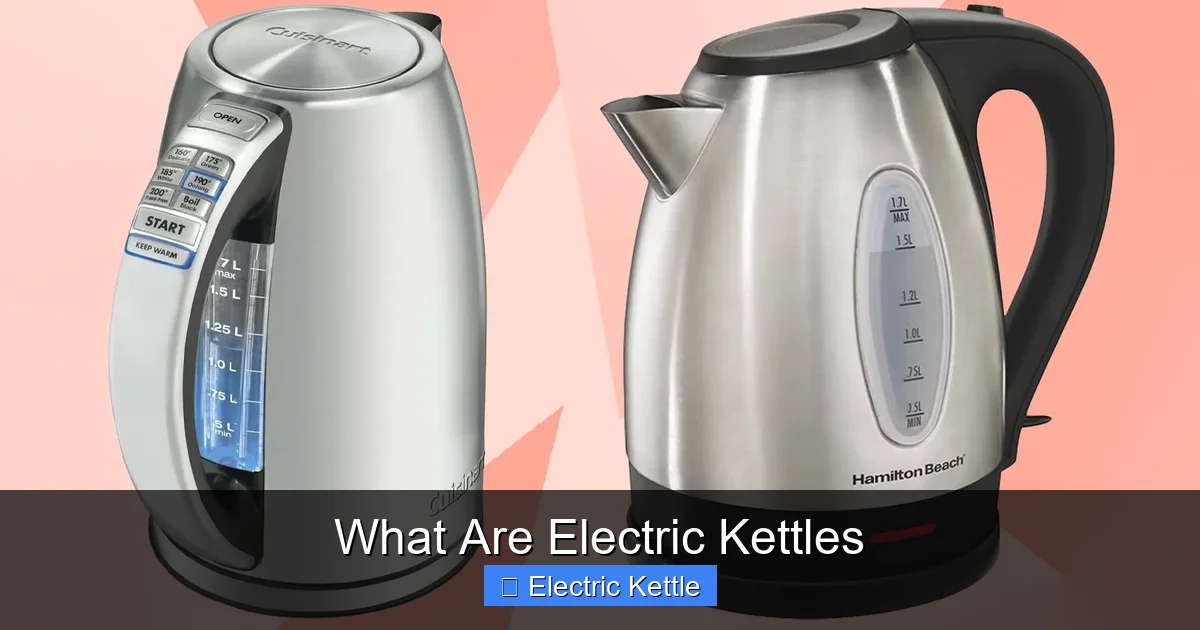
Visual guide about What Are Electric Kettles
Image source: realsimple.com
At first glance, an electric kettle might seem like a simple device—just pour in water, plug it in, and press a button. But there’s a bit more science behind the scenes that makes it so effective. The core component of any electric kettle is the heating element, typically a coiled metal resistor located at the bottom of the kettle, just beneath the water reservoir. When you turn the kettle on, electricity flows through this element, causing it to heat up rapidly due to its electrical resistance.
As the heating element warms, it transfers heat directly to the water surrounding it. Because the element is submerged (or nearly submerged) in the water, the heat transfer is highly efficient—much more so than a stovetop, where heat must travel through the pot’s base and can be lost to the air. This direct heating method is why electric kettles can boil water in just a few minutes, often faster than waiting for a stovetop kettle to whistle.
Most modern electric kettles also include a thermostat—a small sensor that monitors the water temperature. Once the water reaches boiling point (around 212°F or 100°C at sea level), the thermostat triggers an automatic shut-off mechanism. This not only prevents over-boiling but also saves energy and reduces the risk of damage or fire. Some advanced models go a step further with variable temperature settings, allowing you to heat water to specific temperatures ideal for different types of tea or coffee.
Another key feature is the sealed design. Unlike stovetop kettles, electric kettles are typically fully enclosed, which helps retain heat and steam. This design also contributes to faster boiling times and reduces the chance of accidental spills or burns. Many kettles also have a transparent water level indicator, so you can easily see how much water you’re adding without opening the lid.
Types of Electric Kettles
Not all electric kettles are created equal. Depending on your needs, preferences, and kitchen setup, you’ll find a variety of designs and features to choose from. Here’s a breakdown of the most common types of electric kettles available today.
Standard Electric Kettles
These are the most common and affordable type of electric kettle. They feature a simple design with a heating element, a water reservoir, and a lid. Most standard kettles are made from plastic, stainless steel, or a combination of both. They’re great for everyday use—boiling water for tea, coffee, or instant meals—and typically come with basic safety features like auto shut-off and boil-dry protection.
One advantage of standard kettles is their affordability. You can find reliable models for under $30, making them accessible for students, renters, or anyone on a budget. However, plastic models may retain odors or discolor over time, and some users prefer the durability and taste-neutral properties of stainless steel.
Stainless Steel Electric Kettles
Stainless steel kettles are a popular upgrade from plastic models. They’re durable, resistant to rust and corrosion, and don’t absorb flavors or odors from previous uses. Because the interior is metal, there’s no risk of chemicals leaching into your water—something that can happen with lower-quality plastic kettles, especially when heated repeatedly.
Many stainless steel kettles also feature double-wall insulation, which helps keep water hot longer and prevents the exterior from getting too hot to touch. This makes them safer to handle, especially if you have children or pets at home. Some high-end models even come with brushed or polished finishes that add a sleek, modern look to your countertop.
Glass Electric Kettles
If you like to watch your water boil—or simply appreciate a stylish kitchen appliance—glass electric kettles are a great choice. Made with heat-resistant borosilicate glass, these kettles allow you to see the water level and the boiling process in real time. They’re also non-reactive, meaning they won’t affect the taste of your water, and are easy to clean since you can see any buildup or residue.
However, glass kettles are more fragile than their metal counterparts and can crack if dropped or exposed to sudden temperature changes. They’re also typically more expensive, so they’re best suited for users who prioritize aesthetics and visibility over ruggedness.
Gooseneck Electric Kettles
Gooseneck kettles are a favorite among coffee enthusiasts, especially those who practice pour-over brewing methods like the Chemex or V60. The long, narrow spout allows for precise, controlled pouring—essential for evenly saturating coffee grounds and achieving a balanced extraction.
These kettles often come with variable temperature control, so you can heat water to the ideal temperature for different coffee roasts (e.g., 195°F for light roasts, 205°F for darker ones). Some models even include a built-in timer or gooseneck-compatible lids for easy filling. While gooseneck kettles are generally more expensive and hold less water than standard models, they’re worth the investment if you’re serious about your morning brew.
Smart Electric Kettles
The latest innovation in electric kettles is the “smart” kettle—Wi-Fi or Bluetooth-enabled devices that connect to your smartphone or voice assistant. These kettles allow you to control temperature, set timers, and even monitor water levels from your phone. Some models can be scheduled to boil water at a specific time, so your tea or coffee is ready when you wake up.
Smart kettles often include advanced features like keep-warm functions (maintaining water at a set temperature for up to an hour), customizable presets for different beverages, and usage tracking. While they come with a higher price tag—often $100 or more—they’re ideal for tech-savvy users who want maximum convenience and precision.
Benefits of Using an Electric Kettle
So why should you consider switching to an electric kettle—or upgrading the one you already have? The benefits go far beyond just boiling water faster. Here are some of the top reasons why electric kettles are a smart addition to any kitchen.
Speed and Convenience
Let’s start with the most obvious advantage: speed. Most electric kettles can boil a full liter of water in just 3 to 5 minutes—sometimes even faster. Compare that to a stovetop kettle, which can take 8 to 10 minutes or more, depending on your stove’s power. That time savings adds up, especially if you’re making multiple cups of tea or coffee throughout the day.
Electric kettles are also incredibly convenient. You don’t need to watch them constantly—just fill, press the button, and walk away. The auto shut-off feature means you won’t have to worry about forgetting it on the stove. This is especially helpful in busy households or office settings where multitasking is the norm.
Energy Efficiency
Electric kettles are among the most energy-efficient appliances in your kitchen. Because they heat water directly and don’t lose heat to the surrounding air, they use significantly less electricity than boiling water on a stovetop. According to the U.S. Department of Energy, electric kettles can be up to 80% more efficient than stovetop methods.
This efficiency translates to lower energy bills and a smaller carbon footprint. If you’re looking to reduce your household’s energy consumption, switching to an electric kettle is a simple but effective step.
Enhanced Safety Features
Safety is a major advantage of electric kettles. Unlike stovetop kettles, which can be left unattended and potentially cause fires or burns, electric kettles are designed with multiple safety mechanisms. The most common include:
– **Auto shut-off:** Turns the kettle off once water reaches boiling point.
– **Boil-dry protection:** Shuts off the kettle if it detects little or no water, preventing damage to the heating element.
– **Cool-touch handles and exteriors:** Reduce the risk of burns, even when the water inside is boiling.
– **Lid locks:** Prevent the lid from opening during boiling, reducing steam exposure.
These features make electric kettles a safer choice, especially in homes with children or elderly individuals.
Versatility in Use
While electric kettles are often associated with tea and coffee, their uses extend far beyond beverages. Here are just a few ways you can use an electric kettle:
– **Instant meals:** Perfect for ramen, oatmeal, or instant soups.
– **Baby formula:** Quickly heats water to the right temperature for safe bottle preparation.
– **Sterilizing:** Boil water to sterilize baby bottles, utensils, or medical equipment.
– **Cooking:** Use hot water for blanching vegetables, making pasta, or preparing gravy.
– **Household tasks:** Heat water for cleaning, removing stickers, or dissolving cleaning products.
This versatility makes electric kettles a multi-functional tool in the kitchen and beyond.
Better Taste and Purity
Many users notice that water boiled in an electric kettle tastes cleaner and fresher than water boiled on the stove. This is especially true for kettles made from stainless steel or glass, which don’t impart any plastic-like flavors. Additionally, some high-end models include built-in filters to remove impurities like chlorine, lime, or sediment, resulting in better-tasting tea, coffee, and drinking water.
How to Choose the Right Electric Kettle
With so many options on the market, choosing the right electric kettle can feel overwhelming. Here are some key factors to consider when making your decision.
Capacity
Electric kettles typically range from 0.5 liters (ideal for one or two cups) to 1.7 liters (suitable for families or entertaining). Consider how much water you usually boil at once. If you’re the only coffee drinker in the house, a smaller kettle may suffice. But if you often make tea for guests or prepare large batches of instant food, opt for a larger capacity.
Material
As discussed earlier, kettles come in plastic, stainless steel, glass, and sometimes ceramic. Each material has its pros and cons:
– **Plastic:** Lightweight and affordable, but may retain odors or degrade over time.
– **Stainless steel:** Durable, easy to clean, and taste-neutral—great for long-term use.
– **Glass:** Stylish and non-reactive, but fragile and often more expensive.
– **Ceramic:** Aesthetic and heat-retaining, but heavier and less common.
Choose based on your priorities—durability, taste, or design.
Temperature Control
If you’re a tea or coffee connoisseur, look for a kettle with variable temperature settings. Different beverages require different water temperatures for optimal flavor:
– Green tea: 160–185°F (70–85°C)
– White tea: 175–185°F (80–85°C)
– Oolong tea: 185–205°F (85–96°C)
– Black tea: 200–212°F (93–100°C)
– Coffee (pour-over): 195–205°F (90–96°C)
Kettles with precise temperature control allow you to brew each type perfectly.
Ease of Use and Cleaning
Look for features that make daily use easier:
– **Wide opening:** Makes filling and cleaning simpler.
– **Removable lids:** Allow access to hard-to-reach areas.
– **Non-stick interior:** Prevents mineral buildup and simplifies wiping.
– **Cordless design:** Lets you pour without tripping over cords.
– **Water level indicator:** Helps you measure the right amount.
Also, check if the kettle is dishwasher-safe (most aren’t), and whether the base can be wiped clean.
Noise Level
Some electric kettles are louder than others, especially when boiling. If you’re sensitive to noise—or use your kettle early in the morning—look for models with quieter heating elements or insulated designs that reduce sound.
Price and Warranty
Electric kettles range from under $20 to over $150. While budget models can work well, investing in a mid-range or premium kettle often means better build quality, longer lifespan, and more features. Check the warranty—most reputable brands offer at least a 1–2 year warranty, which is a good sign of reliability.
Maintenance and Care Tips
To keep your electric kettle working efficiently and tasting great, regular maintenance is key. Here’s how to care for your kettle:
Descaling Regularly
Over time, mineral deposits (especially lime and calcium) can build up inside your kettle, especially if you have hard water. This not only affects performance but can also alter the taste of your water. To descale:
1. Fill the kettle halfway with equal parts water and white vinegar.
2. Let it sit for 30–60 minutes.
3. Boil the solution, then let it cool.
4. Empty the kettle and rinse thoroughly with clean water.
5. Boil fresh water 1–2 times to remove any vinegar taste.
Do this every 1–2 months, or more often if you notice scaling.
Cleaning the Exterior
Wipe the outside of the kettle with a damp cloth and mild detergent. Avoid abrasive cleaners or steel wool, which can scratch stainless steel or glass surfaces. For stubborn stains, a paste of baking soda and water can help.
Checking the Heating Element
If your kettle takes longer to boil or makes unusual noises, the heating element may be coated with scale. Descaling usually resolves this. If not, consult the manufacturer—some elements are replaceable.
Storing Properly
When not in use, store your kettle with the lid open to allow air circulation and prevent odors. Keep it in a dry place away from direct sunlight or heat sources.
Conclusion
Electric kettles are more than just a convenient way to boil water—they’re a smart, efficient, and versatile appliance that can enhance your daily routine. Whether you’re a tea lover, a coffee enthusiast, or just someone who values speed and safety in the kitchen, there’s an electric kettle out there that’s perfect for you.
From basic models that get the job done to smart kettles with app control and precision temperature settings, the options are vast. By understanding how they work, the different types available, and how to choose and care for one, you can make an informed decision that fits your lifestyle.
So the next time you’re waiting for water to boil on the stove, ask yourself: why not switch to an electric kettle? It’s a small change that can make a big difference in your kitchen—and your day.
Frequently Asked Questions
Are electric kettles safe to use?
Yes, electric kettles are generally very safe. Most models include auto shut-off, boil-dry protection, and cool-touch handles to prevent accidents. Always follow the manufacturer’s instructions and avoid overfilling.
Can I boil milk or other liquids in an electric kettle?
It’s not recommended. Electric kettles are designed for water only. Boiling milk, soup, or sugary liquids can damage the heating element, cause burning, and void the warranty.
Do electric kettles use a lot of electricity?
No, they’re quite energy-efficient. Electric kettles use less power than stovetops and boil water faster, which reduces overall energy consumption.
How often should I descale my electric kettle?
Every 1–2 months, or more often if you have hard water. Regular descaling prevents mineral buildup and keeps your kettle working efficiently.
Can I leave water in my electric kettle overnight?
It’s best not to. Stagnant water can develop odors or promote bacterial growth. Empty and rinse the kettle after each use for the best taste and hygiene.
What’s the difference between a gooseneck and a regular electric kettle?
A gooseneck kettle has a long, narrow spout for precise pouring, ideal for pour-over coffee. Regular kettles have wider spouts and are better for general use like tea or instant meals.