An electric kettle is more than just a tool for boiling water—it’s a versatile kitchen companion. From brewing beverages to preparing quick meals and even cleaning, its uses extend far beyond what most people realize.
Key Takeaways
- Boiling water quickly and efficiently: Electric kettles heat water faster than stovetops, saving time and energy.
- Brewing hot beverages: Perfect for tea, coffee, hot chocolate, and instant soups with precise temperature control.
- Cooking simple meals: Use it to prepare oatmeal, noodles, eggs, and even steamed vegetables.
- Sanitizing and cleaning: Boiling water helps disinfect baby bottles, utensils, and kitchen tools.
- Reheating liquids safely: Gently warm milk, broth, or sauces without scorching or burning.
- Supporting travel and small spaces: Ideal for dorm rooms, offices, RVs, and hotels where full kitchens aren’t available.
- Energy-efficient alternative: Uses less electricity than stovetops, making it eco-friendly and cost-effective.
📑 Table of Contents
- Introduction: More Than Just Boiling Water
- 1. Brewing the Perfect Cup: Tea, Coffee, and Beyond
- 2. Cooking Simple Meals with Your Electric Kettle
- 3. Sanitizing and Cleaning: A Hidden Superpower
- 4. Reheating Liquids Safely and Efficiently
- 5. Ideal for Travel, Small Spaces, and Emergencies
- 6. Energy Efficiency and Cost Savings
- Conclusion: Your Electric Kettle Is a Kitchen Powerhouse
Introduction: More Than Just Boiling Water
When you think of an electric kettle, what comes to mind? For most people, it’s a simple appliance that heats water for tea or coffee. But if you’ve only ever used yours for that, you’re missing out—big time. The electric kettle is one of the most underappreciated kitchen gadgets out there, and its uses go far beyond just making a morning cuppa.
Imagine starting your day not just with a hot drink, but also with a bowl of perfectly cooked oatmeal, a soft-boiled egg, or even a quick ramen meal—all made using the same device. Or picture yourself sanitizing baby bottles in minutes without needing a full stove setup. Whether you live in a small apartment, work in an office, or love camping in an RV, the electric kettle can be your go-to tool for convenience, speed, and efficiency.
In this article, we’ll dive deep into the many uses of an electric kettle. You’ll discover how this compact appliance can simplify your daily routine, save energy, and even help you cook simple meals. From brewing the perfect cup of tea to cleaning and sanitizing, we’ll explore every practical way to make the most of your electric kettle. So grab a seat, maybe even a cup of tea (made with your kettle, of course), and let’s get started.
1. Brewing the Perfect Cup: Tea, Coffee, and Beyond
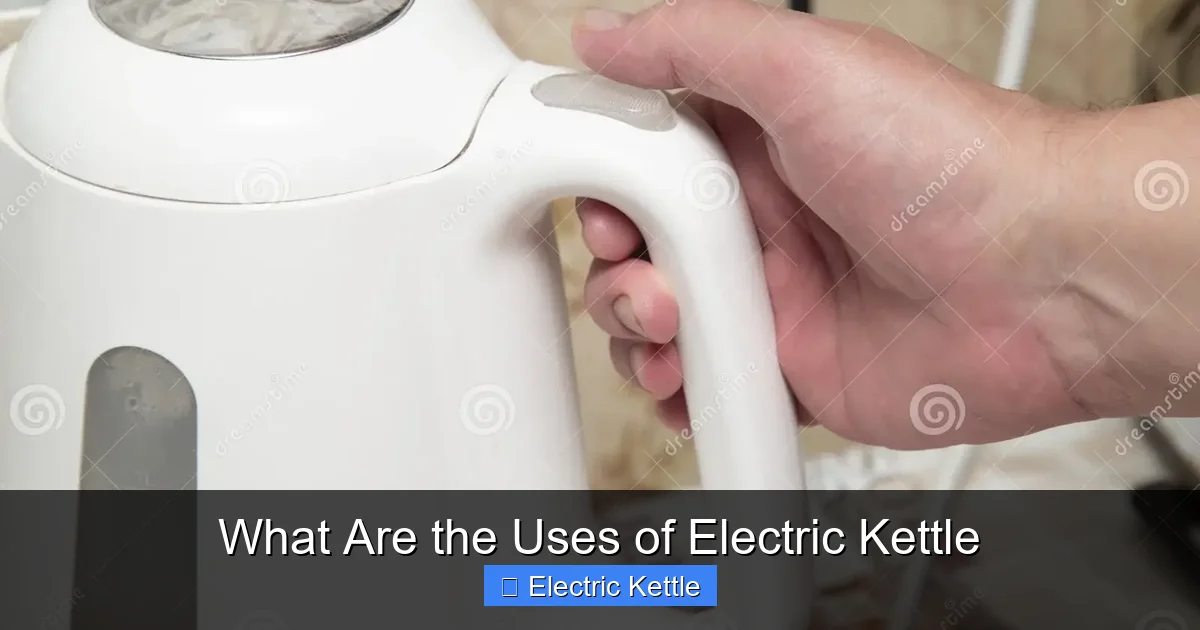
Visual guide about What Are the Uses of Electric Kettle
Image source: thumbs.dreamstime.com
One of the most common—and beloved—uses of an electric kettle is brewing hot beverages. But it’s not just about convenience; it’s about quality. Many electric kettles come with temperature control settings, allowing you to heat water to the exact degree needed for different types of tea or coffee. This precision can make a huge difference in flavor.
Tea: Precision for Peak Flavor
Different teas require different water temperatures. Green tea, for example, brews best at around 160–185°F (70–85°C), while black tea needs boiling water at 212°F (100°C). If you pour boiling water on green tea, it can become bitter. But with a temperature-controlled electric kettle, you can set the exact heat and avoid ruining your tea.
For instance, if you’re a fan of delicate white or oolong teas, you’ll appreciate being able to heat water to just the right temperature. Some high-end kettles even have preset modes for green, white, black, and herbal teas. Just press a button, and you’re ready to steep.
Coffee: From Instant to French Press
Coffee lovers, rejoice! Your electric kettle isn’t just for tea. It’s perfect for making instant coffee, but it can also enhance your French press or pour-over experience. For French press coffee, you want water just off the boil—around 200°F (93°C). An electric kettle with temperature control lets you hit that sweet spot every time.
Even if you’re using a drip coffee maker, preheating your water in an electric kettle can speed up the brewing process. Plus, it’s great for making hot chocolate, matcha lattes, or chai tea concentrate. Just heat the water, mix in your ingredients, and enjoy a café-quality drink at home.
Instant Soups and Broths
Don’t forget about instant soups! Whether it’s a packet of ramen, a cup of miso soup, or a hearty vegetable broth, your electric kettle can quickly heat water to the right temperature. This is especially handy on busy days when you need a warm, comforting meal in under five minutes.
Just pour the dry ingredients into a bowl, add hot water from the kettle, stir, and you’re done. It’s fast, easy, and requires minimal cleanup. Plus, you can control the strength by adjusting the water-to-ingredient ratio.
2. Cooking Simple Meals with Your Electric Kettle
Yes, you read that right—your electric kettle can actually cook food. While it’s not a replacement for a full stove, it’s surprisingly capable of preparing a variety of simple meals. This makes it a lifesaver in dorm rooms, offices, or small kitchens where space and appliances are limited.
Oatmeal and Porridge
One of the easiest meals to make in an electric kettle is oatmeal. Simply add rolled oats and water (or milk) to a heat-safe bowl, then pour boiling water from the kettle over them. Let it sit for a few minutes, stir, and you’ve got a warm, filling breakfast.
For creamier oatmeal, you can even cook the oats directly in the kettle—just make sure your model allows for it and that you clean it thoroughly afterward. Some people use a silicone liner or heat-resistant container to avoid direct contact with the heating element.
Add-ins like cinnamon, honey, berries, or nuts can turn your basic oatmeal into a gourmet breakfast. It’s a healthy, no-fuss meal that takes less than five minutes.
Pasta and Noodles
Believe it or not, you can cook pasta in an electric kettle—especially smaller shapes like penne, macaroni, or instant noodles. Fill the kettle with water, bring it to a boil, then carefully pour the boiling water into a heat-resistant container with the pasta. Cover and let it sit for 8–10 minutes, depending on the type.
For instant ramen, it’s even easier. Just add the noodles and seasoning to a bowl, pour in boiling water, and wait 3–4 minutes. Stir, and you’ve got a hot meal in no time. This method works great for college students or anyone looking for a quick lunch.
Eggs: Soft-Boiled or Poached
Cooking eggs in an electric kettle is a bit more advanced, but totally doable. For soft-boiled eggs, bring water to a boil, then carefully lower the eggs into the kettle using a spoon. Let them cook for 6–7 minutes, then remove and place in cold water to stop the cooking process.
Alternatively, you can poach eggs by cracking them into a small heat-safe bowl, covering with boiling water from the kettle, and letting them sit for 5–7 minutes. It’s not as precise as a stovetop, but it works in a pinch—especially if you don’t have access to a burner.
Steamed Vegetables
Steaming vegetables in an electric kettle is another clever trick. Use a steamer basket or a heat-safe colander placed inside a bowl. Pour boiling water into the bowl, add the veggies to the steamer, cover, and let them steam for 5–10 minutes, depending on the vegetable.
Broccoli, carrots, green beans, and cauliflower all work well. This method preserves nutrients better than boiling and requires no oil. Just season with salt, pepper, or a squeeze of lemon after cooking.
3. Sanitizing and Cleaning: A Hidden Superpower
Beyond cooking and brewing, the electric kettle is a powerful tool for sanitizing and cleaning. The high heat of boiling water kills bacteria, viruses, and other pathogens, making it ideal for disinfecting household items.
Baby Bottles and Pacifiers
Parents know how important it is to keep baby items clean. Instead of using a separate sterilizer, you can use your electric kettle to sanitize bottles, nipples, and pacifiers. Simply place the items in a heat-safe container, cover with boiling water from the kettle, and let them soak for 5–10 minutes.
Make sure all parts are fully submerged and that the container is large enough to prevent overflow. After soaking, remove the items with clean tongs and let them air dry on a clean towel. This method is quick, chemical-free, and highly effective.
Kitchen Utensils and Tools
Knives, cutting boards, and even sponges can harbor bacteria. While you shouldn’t boil porous items like wood or sponge (they can degrade), you can sanitize metal utensils, silicone spatulas, and plastic tools by soaking them in boiling water.
For example, after cutting raw chicken, you can place your knife and cutting board (if heat-safe) in a container and pour boiling water over them. Let them sit for a few minutes, then rinse and dry. This helps reduce the risk of cross-contamination.
Reusable Water Bottles and Travel Mugs
Over time, reusable bottles and mugs can develop odors or bacteria, especially if they’re not cleaned properly. To deep-clean them, fill the bottle with water, add a splash of vinegar, and pour in boiling water from the kettle. Let it sit for 10–15 minutes, then rinse thoroughly.
This method helps remove stubborn stains and odors. Just be careful not to use boiling water in bottles made of thin plastic, as they may warp or release chemicals.
4. Reheating Liquids Safely and Efficiently
Reheating liquids like milk, broth, or soup can be tricky on the stove—it’s easy to scorch or burn them. But with an electric kettle, you can gently warm liquids without direct heat, reducing the risk of damage.
Warming Milk for Coffee or Cereal
If you like warm milk in your coffee or cereal, your electric kettle can help. Simply pour cold milk into a heat-safe container, then add boiling water from the kettle. The hot water will gently warm the milk without curdling it.
For a richer drink, you can also heat milk directly in the kettle—just make sure to clean it afterward to prevent residue buildup. Some kettles have a “milk” setting that heats to a lower temperature to avoid scorching.
Reheating Soup or Broth
Instead of using a microwave or stovetop, you can reheat soup by pouring boiling water into a container with the cold soup. Stir well and let it sit for a few minutes. The hot water will transfer heat evenly, warming the soup without overcooking it.
This method works best for broths and thin soups. For thicker soups, you may need to add a bit more water or stir frequently to ensure even heating.
Defrosting Small Items
While not a primary use, boiling water from an electric kettle can help defrost small frozen items like herbs or broth cubes. Place the frozen item in a heat-safe bowl, pour boiling water over it, and let it sit for a minute or two. Stir or shake to speed up the process.
This is especially useful if you forgot to thaw something for dinner. Just be careful not to overheat delicate items like herbs, as they can lose flavor.
5. Ideal for Travel, Small Spaces, and Emergencies
One of the biggest advantages of an electric kettle is its portability and versatility. It’s perfect for people who live in small spaces, travel frequently, or need a reliable appliance during power outages or emergencies.
Dorm Rooms and Small Apartments
College students and city dwellers often have limited kitchen space. An electric kettle takes up minimal counter space and can replace several appliances. It can boil water, cook simple meals, and even sanitize items—all without needing a stove or microwave.
Many dorms allow electric kettles because they’re safer than hot plates or toaster ovens. Just check your school’s rules before bringing one.
Office Use
In the workplace, an electric kettle can be a game-changer. It’s perfect for making tea, coffee, or instant meals during breaks. Some offices even have communal kettles for employees to use.
Just be mindful of shared spaces—clean the kettle after use and avoid strong-smelling foods like instant noodles, which can linger.
Travel and Camping
When traveling, especially to hotels or vacation rentals, you might not have access to a full kitchen. An electric kettle can help you prepare meals, sanitize utensils, or make hot drinks on the go.
For camping, a portable electric kettle (powered by a car inverter or portable battery) can be a lifesaver. It’s much safer and more efficient than boiling water over a campfire.
Emergency Preparedness
In case of power outages or natural disasters, clean water is essential. While electric kettles require electricity, they can be used with generators or solar-powered inverters to boil water for drinking or cooking.
Boiling water kills harmful pathogens, making it safe to drink. This is especially important when tap water is contaminated. Keep an electric kettle in your emergency kit—just make sure you have a backup power source.
6. Energy Efficiency and Cost Savings
Electric kettles are not only convenient—they’re also energy-efficient. Compared to stovetops, they use less electricity and heat water faster, which can save you money on your energy bill over time.
Faster Heating, Less Waste
Electric kettles heat water directly through an internal element, which is more efficient than heating a pot on a stove. Stovetops lose heat to the surrounding air, while kettles focus all the energy on the water.
On average, an electric kettle can boil water in 3–5 minutes, while a stovetop can take 8–12 minutes. That’s a significant time and energy savings, especially if you boil water multiple times a day.
Lower Electricity Usage
Most electric kettles use between 1,500 and 3,000 watts, but they only run for a few minutes. In contrast, a stovetop burner uses similar wattage but runs longer, consuming more energy overall.
Studies show that electric kettles can be up to 50% more energy-efficient than stovetops for boiling water. Over a year, this can add up to meaningful savings on your electricity bill.
Eco-Friendly Choice
Because they use less energy, electric kettles have a smaller carbon footprint. They also reduce the need for single-use items like bottled water or disposable coffee cups.
If you’re looking to live more sustainably, switching to an electric kettle is a small but impactful step. Pair it with a reusable cup and you’ve got a zero-waste hot drink routine.
Conclusion: Your Electric Kettle Is a Kitchen Powerhouse
By now, it should be clear that the electric kettle is far more than a simple water boiler. It’s a versatile, efficient, and indispensable tool that can enhance your daily routine in countless ways. From brewing the perfect cup of tea to cooking quick meals, sanitizing baby bottles, and even helping in emergencies, its uses are limited only by your imagination.
Whether you’re a busy professional, a student, a parent, or a traveler, an electric kettle can make your life easier, healthier, and more convenient. It saves time, energy, and space—all while delivering consistent, reliable performance.
So the next time you reach for your kettle to boil water for coffee, think bigger. Try making oatmeal, steaming vegetables, or sanitizing your water bottle. Experiment with different temperatures and techniques. You might just discover a whole new way to use this humble appliance.
Investing in a quality electric kettle—especially one with temperature control and safety features—can pay off in ways you never expected. It’s not just a kitchen gadget; it’s a lifestyle upgrade.
So go ahead, fill it up, press the button, and let your electric kettle do the work. Your future self will thank you.
Frequently Asked Questions
Can I cook rice in an electric kettle?
Yes, you can cook small amounts of rice in an electric kettle, especially quick-cook or instant rice. Add rice and water to a heat-safe container, pour in boiling water, cover, and let it sit for 15–20 minutes. Stir occasionally and check for doneness.
Is it safe to put milk in an electric kettle?
It’s generally safe, but not recommended for regular use. Milk can scorch, leave residue, and be difficult to clean. If you do use it, choose a kettle with a milk setting and clean it thoroughly afterward to prevent buildup and odors.
Can I use an electric kettle to sterilize baby bottles?
Yes, boiling water from an electric kettle can effectively sterilize baby bottles, nipples, and pacifiers. Soak the items in boiling water for 5–10 minutes, then air dry on a clean surface. Always ensure the container is heat-safe and large enough.
How do I clean my electric kettle?
Clean your kettle regularly by filling it with equal parts water and vinegar, boiling it, letting it sit for 15–30 minutes, then rinsing thoroughly. For limescale, use a descaling solution or lemon juice. Wipe the exterior with a damp cloth.
Can I use an electric kettle in a hotel room?
Most hotel rooms allow electric kettles, but always check the room amenities first. Some hotels provide kettles in the room, while others may have restrictions. If allowed, it’s a great way to make tea, coffee, or instant meals during your stay.
What’s the best temperature for different types of tea?
Green tea: 160–185°F (70–85°C), White tea: 175–185°F (80–85°C), Oolong tea: 185–205°F (85–96°C), Black tea: 200–212°F (93–100°C), Herbal tea: 212°F (100°C). Use a temperature-controlled kettle for best results.