You might think an electric kettle is just for boiling water—but it’s capable of so much more. From hearty breakfasts to simple dinners, this humble kitchen gadget can cook a surprising variety of foods quickly and safely. With a little creativity, your electric kettle can become a mini-cooking station for busy mornings, dorm rooms, or travel adventures.
Key Takeaways
- Electric kettles can cook more than just water: They’re perfect for preparing oatmeal, eggs, pasta, rice, and even soups with the right technique.
- Safety is essential: Always use food-safe materials and avoid overfilling to prevent spills or damage to your kettle.
- Quick meals are easy: Many recipes take under 10 minutes, making the electric kettle ideal for fast, no-fuss cooking.
- Great for small spaces: Students, travelers, and office workers can use an electric kettle to cook without a stove or microwave.
- Clean-up is simple: Most foods cooked in a kettle require minimal scrubbing, especially when using liners or non-stick kettles.
- Experiment with flavors: Add spices, herbs, or sauces to elevate simple dishes like instant noodles or steamed vegetables.
- Not all kettles are equal: Stainless steel or glass interiors are best for cooking; avoid plastic-lined models for food prep.
📑 Table of Contents
Introduction: Rethinking the Electric Kettle
When you think of an electric kettle, what comes to mind? Probably boiling water for tea, coffee, or instant noodles. It’s a staple in kitchens, dorm rooms, and offices around the world—simple, fast, and reliable. But here’s the thing: your electric kettle is capable of so much more than just heating H2O. With a little creativity and some basic know-how, you can use it to cook a wide range of foods, from breakfast staples to full meals.
Imagine waking up in a hotel room with no stove, or sitting at your desk craving a warm, homemade snack. Instead of reaching for a cold sandwich or expensive takeout, you could whip up a bowl of creamy oatmeal, soft-boiled eggs, or even a comforting soup—all using just your trusty electric kettle. It’s not magic; it’s practical cooking made simple. Whether you’re a student on a budget, a frequent traveler, or someone who just wants to save time in the kitchen, learning what can be cooked in electric kettle opens up a world of possibilities.
This guide will walk you through the surprising variety of dishes you can prepare using an electric kettle. We’ll cover everything from quick breakfasts and snacks to full meals, along with safety tips, cleaning advice, and recipe ideas. By the end, you’ll see your electric kettle not as a one-trick appliance, but as a versatile cooking tool that fits seamlessly into your daily routine.
Breakfast Made Easy: Morning Meals in the Kettle
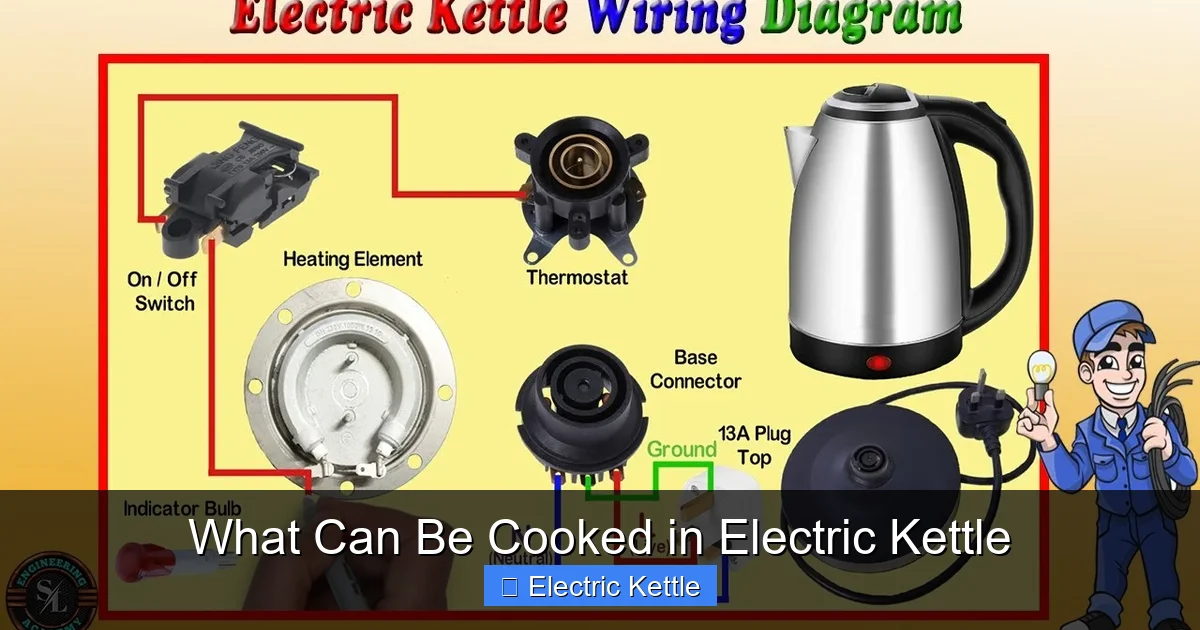
Visual guide about What Can Be Cooked in Electric Kettle
Image source: i.ytimg.com
Breakfast is often the busiest meal of the day, especially when you’re rushing out the door. But with an electric kettle, you can enjoy a warm, satisfying meal without the hassle of pots, pans, or stovetops. From creamy oatmeal to perfectly cooked eggs, your kettle can handle a variety of morning favorites.
Oatmeal and Porridge
One of the most popular uses for an electric kettle is cooking oatmeal. It’s fast, easy, and requires minimal cleanup. Simply add rolled oats and water (or milk) to your kettle, set it to boil, and let it do the work. Most electric kettles will automatically shut off once the water reaches boiling point, so you don’t have to worry about overcooking.
For a richer flavor, try using milk instead of water, or add a pinch of salt and a dash of cinnamon before boiling. Once the oatmeal is ready, stir in your favorite toppings—fresh fruit, nuts, honey, or a spoonful of peanut butter. The result? A warm, hearty breakfast in under 10 minutes.
Tip: Use a 1:2 ratio of oats to liquid for creamy porridge. If your kettle has a “keep warm” function, you can let the oatmeal sit for a few minutes to thicken.
Soft-Boiled and Hard-Boiled Eggs
Yes, you can cook eggs in an electric kettle—and it’s surprisingly effective. For soft-boiled eggs, place them gently in the kettle (use a spoon to lower them in), fill with enough water to cover them completely, and turn it on. Once the kettle boils and shuts off, let the eggs sit in the hot water for 6–7 minutes for a runny yolk, or 9–10 minutes for a firmer yolk.
Hard-boiled eggs take a bit longer. After the kettle boils, leave the eggs in the hot water for 12–15 minutes. Then transfer them to a bowl of cold water to stop the cooking process and make peeling easier.
Important: Never let the kettle run dry with eggs inside. Always ensure there’s enough water to cover them, and never force the lid shut if eggs are blocking it.
Instant Cereals and Gruels
Beyond oatmeal, you can cook other grains like quinoa, millet, or even polenta in your electric kettle. These grains absorb water quickly and become tender when boiled. For example, add ½ cup of quinoa and 1 cup of water to the kettle, bring to a boil, then let it sit covered for 10–15 minutes. Fluff with a fork and enjoy with yogurt or fruit.
Gruels—thick, porridge-like dishes—are also perfect for the kettle. Try cooking rice flour or cornmeal with water and a pinch of salt for a simple, comforting breakfast.
Snacks and Sides: Quick Bites Between Meals
When hunger strikes between meals, your electric kettle can deliver satisfying snacks without the need for a full kitchen setup. Whether you’re at work, in a dorm, or on the go, these quick bites are perfect for curbing cravings.
Instant Noodles and Ramen
This is probably the most well-known use of an electric kettle beyond tea and coffee. Instant noodles cook up in minutes—just add the noodles and seasoning packet to the kettle, fill with water, and boil. Stir occasionally to prevent clumping.
But don’t stop at the basics. Elevate your ramen by adding frozen vegetables (like peas or corn), a beaten egg, or a splash of soy sauce. You can even toss in cooked chicken or tofu for extra protein. The hot water will cook everything together, creating a flavorful, filling meal.
Tip: Use a fork to break up the noodles before adding water to ensure even cooking.
Steamed Vegetables
Steaming vegetables in an electric kettle is a clever hack, especially if you don’t have a steamer basket. Simply place chopped veggies (like broccoli, carrots, or green beans) in a heat-safe bowl or silicone steamer insert that fits inside the kettle. Add water to the kettle (not touching the bowl), close the lid, and let it boil. The steam will cook the vegetables in 5–8 minutes.
This method preserves nutrients and keeps veggies crisp-tender. Once done, season with a little butter, lemon juice, or your favorite herbs.
Note: Only use this method if your kettle has a wide opening and allows for safe placement of a steamer. Never submerge food directly in the water unless it’s designed for it.
Popcorn and Puffed Grains
Believe it or not, you can make popcorn in an electric kettle—though it requires caution. Use a kettle with a wide mouth and a lid that can be partially opened. Add ¼ cup of popcorn kernels and a teaspoon of oil (like coconut or vegetable oil) to the kettle. Heat on low or medium if your kettle has temperature control, or use short bursts to avoid burning.
Shake the kettle gently as the kernels heat up. When the popping slows, turn it off and let it sit for a minute before opening. Be careful—steam and hot kernels can escape.
Alternatively, try puffing grains like quinoa or amaranth. These tiny grains expand when exposed to high heat and make a crunchy, nutritious snack.
Main Meals: Hearty Dishes You Can Cook in a Kettle
While snacks and breakfasts are great, your electric kettle can also handle more substantial meals. With a bit of planning, you can prepare dishes that rival those made on a stove.
Pasta and Noodles
Cooking pasta in an electric kettle is not only possible—it’s efficient. Most short pasta shapes like penne, fusilli, or elbow macaroni work well. Add the pasta to the kettle with plenty of water (at least 4–6 cups for ½ cup of pasta), and bring to a boil. Stir occasionally to prevent sticking.
Once the kettle shuts off, let the pasta sit for 2–3 minutes to finish cooking. Drain using a fine mesh strainer or pour carefully into a bowl, reserving some starchy water to add to sauces.
For a complete meal, toss the cooked pasta with jarred marinara, olive oil, or a simple garlic and herb mixture. Add canned tuna, chickpeas, or pre-cooked chicken for protein.
Tip: Avoid long, thin pasta like spaghetti—it’s hard to manage in a kettle and may clog the spout.
Rice and Grains
Rice can be cooked in an electric kettle using the absorption method. Add 1 cup of rice and 2 cups of water to the kettle, bring to a boil, then let it sit covered for 15–20 minutes. The residual heat will finish cooking the rice.
For fluffier results, rinse the rice before cooking and use a 1:1.5 ratio of rice to water for white rice, or 1:2 for brown rice. You can also cook other grains like couscous, bulgur, or farro the same way.
Once cooked, fluff with a fork and season with salt, butter, or herbs. Add-ins like diced vegetables, raisins, or toasted nuts can turn plain rice into a flavorful side dish.
Soups and Stews
Yes, you can make soup in an electric kettle—especially if you use pre-cooked ingredients. Start by boiling water, then add canned beans, diced tomatoes, frozen vegetables, and seasonings like garlic powder, onion powder, or bouillon cubes. Let it simmer (or sit) for 10–15 minutes to blend flavors.
For a creamy soup, blend cooked potatoes or carrots with broth and milk, then reheat in the kettle. Or try a simple miso soup: dissolve miso paste in hot water and add tofu, seaweed, and green onions.
Tip: Use a thermos or insulated container to keep soup warm if your kettle doesn’t have a keep-warm function.
Desserts and Sweet Treats
Who says your electric kettle is only for savory dishes? It can also whip up delightful desserts with minimal effort.
Steamed Puddings and Cakes
Steamed puddings are a classic comfort food, and they’re surprisingly easy to make in an electric kettle. Use a heat-safe ramekin or small bowl that fits inside the kettle. Pour in a batter made from flour, sugar, eggs, and milk (like a simple sponge cake or bread pudding), then place it in the kettle with water below the rim.
Close the lid and let it steam for 20–30 minutes. The result is a moist, tender dessert that’s perfect with whipped cream or fruit compote.
Hot Chocolate and Spiced Drinks
While technically a drink, hot chocolate made in an electric kettle can feel like a dessert. Combine milk, cocoa powder, sugar, and a pinch of salt in the kettle and heat until steaming. Stir well to dissolve the cocoa.
For a twist, add cinnamon, nutmeg, or a splash of vanilla. Top with marshmallows or whipped cream for extra indulgence.
You can also make spiced drinks like chai or mulled cider by steeping tea bags or spices in hot water, then adding milk or sweetener.
Fruit Compotes and Poached Fruits
Simmer chopped apples, pears, or berries with a little water, sugar, and cinnamon in the kettle until soft. The result is a sweet, fragrant compote that’s delicious over oatmeal, yogurt, or ice cream.
For poached pears, slice pears in half, core them, and simmer in a mixture of water, sugar, and spices until tender. Serve warm with a scoop of vanilla ice cream.
Safety and Cleaning Tips
While cooking in an electric kettle is convenient, it’s important to do it safely and keep your appliance in good condition.
Safety First
Always check your kettle’s user manual before cooking food. Some models aren’t designed for anything other than water. Avoid kettles with plastic interiors or non-removable parts that can’t be cleaned thoroughly.
Never overfill the kettle—leave at least an inch of space to prevent boiling over. Use oven mitts or a towel when handling hot parts, and never submerge the base in water.
If you’re cooking eggs or pasta, ensure the lid can close properly without forcing it. And never leave the kettle unattended while cooking.
Cleaning Your Kettle
After cooking, rinse the kettle immediately with warm water. For stuck-on food, soak it in a mixture of vinegar and water (1:1 ratio) for 30 minutes, then scrub gently with a soft brush or sponge.
Avoid abrasive cleaners or steel wool, which can scratch the interior. For kettles with removable filters, take them out and wash separately.
Regular descaling (every 1–2 months) helps maintain performance and prevents mineral buildup, especially if you have hard water.
Choosing the Right Kettle
Not all electric kettles are created equal when it comes to cooking. Look for models with:
– Stainless steel or glass interiors (avoid plastic)
– Wide openings for easy access
– Temperature control settings
– Removable lids and filters
– Automatic shut-off and boil-dry protection
Popular brands like Breville, Cuisinart, and Hamilton Beach offer kettles suitable for light cooking tasks.
Conclusion: Unlock Your Kettle’s Full Potential
The electric kettle is no longer just a tool for boiling water—it’s a versatile, space-saving cooking companion. From breakfast oatmeal to hearty pasta dishes, sweet desserts, and even steamed vegetables, the range of what can be cooked in electric kettle is broader than most people realize. Whether you’re a student in a dorm, a busy professional, or someone who loves quick, easy meals, your kettle can help you eat better with less effort.
The key is to start simple, follow safety guidelines, and experiment with flavors and ingredients. With a little creativity, you’ll discover that your electric kettle is capable of so much more than you ever imagined. So next time you reach for it to make tea, ask yourself: what else can I cook today?
Frequently Asked Questions
Can you really cook food in an electric kettle?
Yes, you can cook a variety of foods in an electric kettle, including oatmeal, eggs, pasta, rice, and even steamed vegetables. As long as your kettle has a food-safe interior and you follow safety guidelines, it’s a convenient way to prepare quick meals.
Is it safe to cook in an electric kettle?
It’s safe as long as you use a kettle with a stainless steel or glass interior and avoid overfilling or forcing the lid. Always check the manufacturer’s instructions and never cook foods that could damage the appliance.
Can I cook raw meat in an electric kettle?
It’s not recommended to cook raw meat in an electric kettle due to uneven heating and food safety concerns. Stick to pre-cooked proteins like canned beans, tuna, or rotisserie chicken.
How do I clean my kettle after cooking food?
Rinse it immediately with warm water. For stubborn residue, soak in a vinegar-water solution, then scrub gently with a soft brush. Avoid harsh chemicals or abrasive tools.
Can I use my electric kettle to make soup?
Yes, you can make simple soups using pre-cooked ingredients like canned beans, diced tomatoes, and frozen vegetables. Add seasonings and let it simmer in the hot water for 10–15 minutes.
What type of electric kettle is best for cooking?
Look for kettles with stainless steel or glass interiors, wide openings, and removable parts for easy cleaning. Models with temperature control and automatic shut-off are also ideal.