Your electric kettle isn’t just for boiling water—it’s a versatile kitchen tool that can cook simple meals, snacks, and drinks in minutes. From instant oatmeal to soft-boiled eggs, you’ll be amazed at what you can make with this underrated appliance.
Key Takeaways
- Electric kettles can cook more than just water: They’re perfect for preparing quick meals like oatmeal, ramen, and eggs without a stove.
- Ideal for small spaces: Great for dorm rooms, offices, or tiny kitchens where cooking space is limited.
- Energy-efficient cooking: Uses less power than a stove and heats water faster, saving time and electricity.
- Safe and easy to use: Most models have auto shut-off and boil-dry protection, making them safe for unattended use.
- Perfect for travel and emergencies: Portable and reliable when you need a hot meal but lack full kitchen access.
- Great for health-conscious eaters: Steam vegetables or cook grains without added oil or butter.
- Expand your recipe options: With a little creativity, your electric kettle can become a mini-cooking station.
📑 Table of Contents
- What Can We Make in Electric Kettle?
- Breakfast Made Easy: Oatmeal, Porridge, and More
- Lunch and Dinner: Ramen, Noodles, and One-Bowl Meals
- Eggs: Soft-Boiled, Hard-Boiled, and More
- Snacks and Sides: Popcorn, Steamed Veggies, and More
- Desserts: Puddings, Mug Cakes, and Sweet Treats
- Tips for Safe and Effective Kettle Cooking
- Who Can Benefit from Kettle Cooking?
- Conclusion
What Can We Make in Electric Kettle?
When you think of an electric kettle, the first thing that probably comes to mind is hot water for tea or coffee. And yes, that’s its main job—boiling water quickly and efficiently. But here’s the exciting part: your electric kettle can do so much more than just heat H2O. In fact, it can become a secret weapon in your kitchen, especially if you’re short on time, space, or cooking tools.
Whether you’re a student in a dorm, a busy professional in a small apartment, or just someone who loves quick and easy meals, your electric kettle is ready to step up. It’s not just an appliance—it’s a mini-cooking station. With a little creativity, you can whip up breakfast, lunch, snacks, and even desserts, all without turning on the stove.
So, what can we make in an electric kettle? The answer might surprise you. From hearty oatmeal to perfectly soft-boiled eggs, from instant ramen to steamed veggies, the possibilities are both practical and delicious. And the best part? Most of these recipes take less than 10 minutes and require minimal cleanup.
Breakfast Made Easy: Oatmeal, Porridge, and More
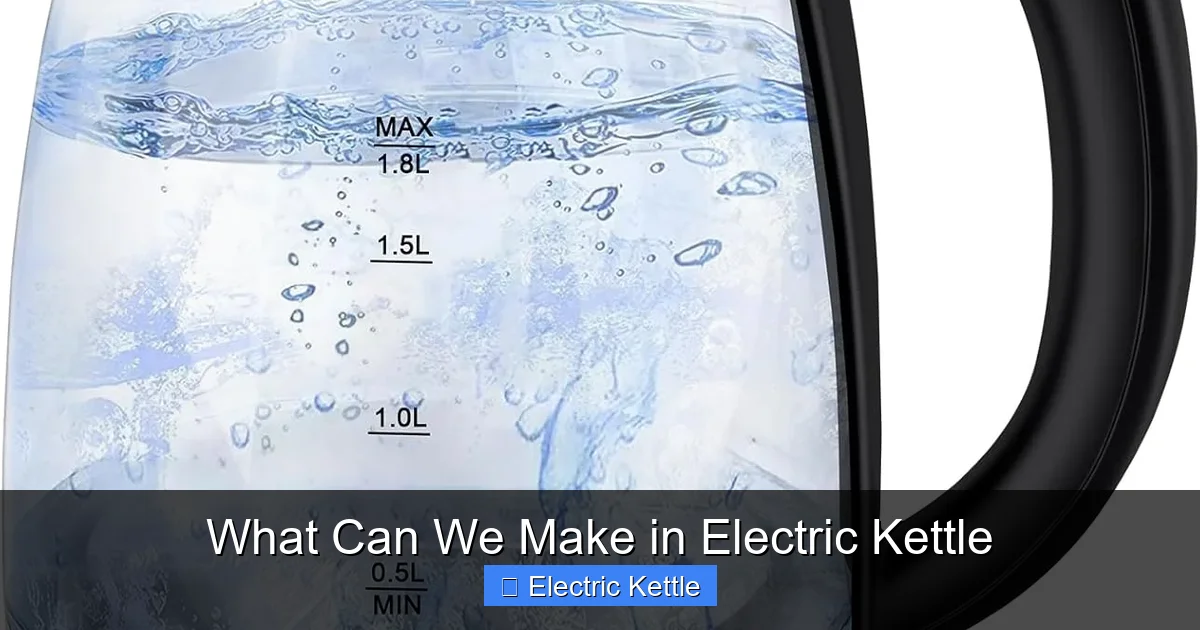
Visual guide about What Can We Make in Electric Kettle
Image source: m.media-amazon.com
One of the most popular uses for an electric kettle beyond tea is cooking breakfast. Oatmeal, porridge, and other hot cereals are perfect for the kettle because they only need hot water to cook. No need for a pot, stove, or constant stirring.
Classic Instant Oatmeal
Start your day right with a warm bowl of oatmeal. Simply add your instant oats to a heat-safe bowl or mug, pour in boiling water from your electric kettle, and stir. Let it sit for 2–3 minutes, then top with fruits, nuts, honey, or cinnamon. It’s that easy.
Pro Tip: Use a 1:2 ratio of oats to water for a creamy texture. If you like it thicker, reduce the water slightly.
Overnight Oats (No Cooking Needed)
Even if your kettle doesn’t cook the oats, it can still help. Boil water and pour it over steel-cut oats in a jar. Seal it and let it sit overnight. In the morning, you’ll have perfectly softened oats ready to eat. Add milk, yogurt, or fruit for extra flavor.
Quinoa or Millet Porridge
Yes, you can cook grains in your electric kettle too! Add ½ cup of quinoa or millet to a bowl, pour in boiling water (about 1½ cups), cover, and let it sit for 10–15 minutes. Fluff with a fork and enjoy with a drizzle of maple syrup or a sprinkle of cinnamon.
Breakfast Ideas Beyond Oats
– Scrambled eggs: Crack an egg into a heat-safe container, add a splash of milk, and pour boiling water over it. Cover and let sit for 5–7 minutes. Stir gently—voilà, soft scrambled eggs!
– Instant grits or polenta: Just like oatmeal, add boiling water to instant grits and stir. Top with butter, cheese, or hot sauce.
– Hot cereal blends: Try multigrain cereals, cream of wheat, or even chia pudding made with hot water and soaked chia seeds.
Lunch and Dinner: Ramen, Noodles, and One-Bowl Meals
When hunger strikes at lunch or dinner, your electric kettle can come to the rescue with fast, filling meals. No stove? No problem. Here’s how to turn simple ingredients into satisfying dishes.
Instant Ramen—Upgraded
We all know instant ramen is a kettle staple. But why stop at the basic flavor packet? Elevate your ramen by adding real ingredients.
– Add a boiled egg (see next section) for protein.
– Toss in frozen vegetables like peas, corn, or spinach—they’ll cook in the hot broth.
– Stir in a spoonful of peanut butter or soy sauce for extra flavor.
– Top with green onions, sesame seeds, or a drizzle of chili oil.
Pro Tip: Use a larger bowl to prevent overflow when the noodles expand. Stir occasionally to help them cook evenly.
Instant Noodles and Pasta
Not all noodles are created equal, but many can be cooked in boiling water. Try:
– Instant udon or soba noodles
– Rice noodles (pho-style)
– Small pasta shapes like orzo or ditalini
Just add the noodles to a bowl, cover with boiling water, and let sit for 5–8 minutes. Drain if needed, then add sauce or broth.
One-Bowl Soup Meals
Create a hearty soup in minutes. Start with a base of instant broth or bouillon dissolved in boiling water. Then add:
– Canned beans (rinsed)
– Pre-cooked chicken or tofu
– Frozen vegetables
– Instant rice or quinoa
Let everything simmer in the hot water for 5–10 minutes. Season with herbs, spices, or a splash of lemon juice.
DIY Miso Soup
Miso soup is simple and soothing. Dissolve 1–2 teaspoons of miso paste in a little hot water to prevent clumping. Add more boiling water, then stir in tofu cubes, seaweed, and green onions. Ready in under 5 minutes!
Eggs: Soft-Boiled, Hard-Boiled, and More
Eggs are one of the most versatile foods you can cook in an electric kettle. Whether you like them soft, hard, or scrambled, the kettle can handle it—no pot required.
Soft-Boiled Eggs
Perfect for toast soldiers or ramen toppings. Place an egg in a heat-safe container (like a small bowl or mug). Pour boiling water from the kettle over the egg, making sure it’s fully submerged. Cover and let sit for 6–7 minutes for a runny yolk, or 8–9 minutes for a firmer center.
Pro Tip: Use a timer and adjust based on your preference. Egg size and starting temperature (room temp vs. fridge-cold) will affect cooking time.
Hard-Boiled Eggs
For fully cooked eggs, extend the soaking time to 12–15 minutes. After cooking, transfer the eggs to cold water to stop the cooking process and make peeling easier.
Poached Eggs (Kettle Style)
This method is a bit trickier but doable. Crack an egg into a small heat-safe cup or ramekin. Pour boiling water over it, cover, and let sit for 4–6 minutes. Use a slotted spoon to lift the egg out. It won’t be perfectly shaped, but it’ll be delicious!
Scrambled Eggs (No Pan Needed)
As mentioned earlier, you can make scrambled eggs by pouring boiling water over beaten eggs. For better texture, stir occasionally during the 5–7 minute soak. Add a pinch of salt, pepper, and a splash of milk before cooking.
Snacks and Sides: Popcorn, Steamed Veggies, and More
Your electric kettle isn’t just for meals—it’s great for snacks and side dishes too. Here are some fun and healthy options.
Popcorn in a Kettle?
Wait—can you really make popcorn in an electric kettle? Technically, no. Most kettles aren’t designed to handle dry kernels, and you risk damaging the heating element or causing a fire. However, you can make hot air popcorn using a heat-safe bowl and a lid.
Place ¼ cup of popcorn kernels in a large, heat-resistant bowl. Pour boiling water over them—just enough to cover the bottom (about 2 tablespoons). Cover tightly with a lid or plate. Wait 2–3 minutes. The steam will pop the kernels! It’s not as dramatic as stovetop popcorn, but it works in a pinch.
Important: Never put dry kernels directly into the kettle. Always use a separate container.
Steamed Vegetables
Yes, you can steam veggies using your kettle! Chop vegetables like broccoli, carrots, or green beans into small pieces. Place them in a heat-safe steamer basket or a colander that fits inside a bowl. Pour boiling water over the veggies, cover, and let steam for 5–10 minutes, depending on the vegetable.
Pro Tip: Add a pinch of salt or a splash of lemon juice after steaming for extra flavor. This method preserves nutrients better than boiling.
Instant Mashed Potatoes
Craving comfort food? Instant mashed potatoes only need hot water. Add the flakes to a bowl, pour in boiling water, stir, and let sit for 2–3 minutes. Add butter, milk, or cheese if desired.
Hot Chocolate and Spiced Drinks
While not a “snack,” a warm drink can hit the spot. Make rich hot chocolate by mixing cocoa powder, sugar, and a little water to form a paste. Add boiling water and stir until smooth. Top with marshmallows or whipped cream.
Try spiced drinks like:
– Golden milk: Mix turmeric, ginger, cinnamon, and a sweetener with hot water. Add a splash of milk if you like.
– Chai tea: Steep chai tea bags in boiling water, then add milk and honey.
Desserts: Puddings, Mug Cakes, and Sweet Treats
Yes, you can even make dessert in your electric kettle! While it’s not a conventional oven, the hot water can help set puddings or steam small cakes.
Instant Pudding
Mix instant pudding powder with cold milk in a bowl. Pour boiling water into a separate container and place the pudding bowl inside (like a double boiler). The hot water will help thicken the pudding faster. Stir occasionally and refrigerate for 5 minutes to set.
Mug Cakes (Steamed Version)
You can’t bake a cake in a kettle, but you can steam a mug cake. Mix your favorite mug cake batter in a heat-safe ramekin or mug. Place it in a larger bowl, pour boiling water around it (not into it), cover, and let steam for 8–10 minutes. Check with a toothpick—when it comes out clean, it’s done!
Try flavors like:
– Chocolate mug cake
– Banana nut
– Lemon drizzle
Rice Pudding
Cook instant rice in boiling water, then stir in milk, sugar, and a pinch of cinnamon. Let it sit for 5–10 minutes, stirring occasionally, until thick and creamy. Top with raisins or nuts.
Fruit Compote
Chop apples, pears, or berries and place them in a heat-safe bowl. Pour boiling water over them, cover, and let sit for 10–15 minutes. The fruit will soften and release natural juices. Sweeten with honey or cinnamon if desired. Serve over yogurt or oatmeal.
Tips for Safe and Effective Kettle Cooking
While cooking in an electric kettle is convenient, it’s important to do it safely and correctly. Here are some essential tips to get the best results.
Use Heat-Safe Containers
Never put food directly into the kettle unless it’s designed for it (some models have removable baskets). Always use heat-resistant bowls, mugs, or containers made of glass, ceramic, or stainless steel.
Avoid Overfilling
When pouring boiling water, leave space at the top of your container to prevent spills. Rapid boiling or expansion (like with noodles) can cause overflow.
Clean Your Kettle Regularly
Even if you’re only boiling water, mineral buildup can affect taste and performance. Clean your kettle monthly with a vinegar solution (equal parts water and white vinegar). Boil, let sit for 15 minutes, then rinse thoroughly.
Don’t Cook Greasy or Oily Foods
Fats and oils can leave residue in your kettle and are hard to clean. Stick to water-based cooking methods like boiling, steaming, or soaking.
Watch Cooking Times
Since kettles heat water quickly, cooking times are often shorter than on a stove. Use a timer and check food frequently to avoid overcooking.
Be Mindful of Odors
Strong-smelling foods (like fish or spices) can linger in your kettle. If you cook something aromatic, boil a pot of water with lemon slices afterward to freshen it up.
Who Can Benefit from Kettle Cooking?
Electric kettle cooking isn’t just for college students. It’s useful for a wide range of people and situations.
Students and Dorm Dwellers
Most dorm rooms don’t allow stoves or ovens, but electric kettles are usually permitted. They’re perfect for making quick meals without breaking the rules.
Office Workers
Keep a kettle at your desk for instant coffee, tea, or even a hot lunch. No need to wait in line at the microwave.
Travelers and Campers
Portable electric kettles are great for hotels, RVs, or camping trips with access to electricity. You can make meals anywhere.
Seniors and People with Limited Mobility
Kettles are lightweight, easy to use, and reduce the need for standing at a stove. They’re a safer option for those with mobility challenges.
Emergency Preparedness
During power outages (if you have a backup power source), a kettle can help you cook food and purify water.
Conclusion
So, what can we make in an electric kettle? The answer is: a lot more than you think. From breakfast oatmeal to lunchtime ramen, from soft-boiled eggs to steamed vegetables, your kettle is a versatile tool that can simplify your cooking routine.
It’s fast, energy-efficient, and perfect for small spaces. Whether you’re a student, a busy professional, or just someone who loves quick and easy meals, your electric kettle can become a kitchen hero.
The next time you boil water for tea, think about what else you could do. Try making a bowl of oatmeal, steaming some broccoli, or whipping up a mug cake. With a little creativity, your kettle can do so much more than just heat water.
So go ahead—experiment, explore, and enjoy the convenience. Your electric kettle is ready to cook up something delicious.
Frequently Asked Questions
Can you cook rice in an electric kettle?
Yes, you can cook instant or quick-cooking rice in an electric kettle. Add the rice to a heat-safe bowl, pour in boiling water, cover, and let it sit for 10–15 minutes. Stir occasionally until tender.
Is it safe to put food in an electric kettle?
It’s not safe to put food directly into most electric kettles. Instead, use heat-safe containers like bowls or mugs placed inside or near the kettle. Some models have removable steaming baskets—check your manual.
Can you make coffee in an electric kettle?
You can’t brew coffee directly in the kettle, but you can boil water and pour it over coffee grounds in a French press, pour-over, or instant coffee. It’s great for making hot coffee quickly.
How do you clean an electric kettle after cooking?
Clean your kettle regularly with a vinegar solution: mix equal parts water and white vinegar, boil, let sit for 15 minutes, then rinse thoroughly. Wipe the exterior with a damp cloth.
Can you steam food in an electric kettle?
Yes, you can steam food using a heat-safe steamer basket or colander placed in a bowl. Pour boiling water around the container (not into it), cover, and let the steam cook the food.
What’s the best way to cook eggs in an electric kettle?
Place the egg in a heat-safe container, cover with boiling water, and let it sit for 6–15 minutes depending on doneness. Use a timer and adjust based on your preference for soft or hard-boiled eggs.