An electric kettle is more than just a tool for boiling water—it’s a versatile kitchen workhorse. From making tea and coffee to cooking quick meals and sterilizing baby bottles, it saves time and energy. Whether you’re a busy parent, student, or home chef, an electric kettle simplifies daily tasks with speed and convenience.
Key Takeaways
- Boiling water quickly: Electric kettles heat water faster than stovetop methods, saving time and energy.
- Brewing beverages: Perfect for tea, coffee, hot chocolate, and instant drinks with precise temperature control.
- Cooking convenience: Use it to prepare instant noodles, oatmeal, eggs, and even small pasta dishes.
- Sanitizing and cleaning: Boil water to sterilize bottles, utensils, or baby gear safely and effectively.
- Energy efficiency: Consumes less power than stovetops or microwaves for heating water.
- Portability and safety: Compact design with auto-shutoff makes it safe for dorm rooms, offices, and travel.
- Multi-functional use: Ideal for rehydrating foods, making broth, or warming baby formula on the go.
📑 Table of Contents
- What Do You Use an Electric Kettle For? A Complete Guide
- Boiling Water: The Core Function
- Brewing Beverages: More Than Just Tea
- Cooking and Meal Prep: Surprising Kitchen Uses
- Health, Hygiene, and Safety Uses
- Portability and Convenience: Ideal for Any Lifestyle
- Choosing the Right Electric Kettle for Your Needs
- Conclusion: More Than Just Hot Water
What Do You Use an Electric Kettle For? A Complete Guide
Imagine this: It’s 7 a.m., you’re half-awake, and all you want is a hot cup of tea to kickstart your day. You flick a switch, and in under three minutes, your water is boiling—no waiting, no watching the stove. That’s the magic of an electric kettle. But here’s the thing: most people only scratch the surface of what this handy appliance can do.
An electric kettle is one of those kitchen gadgets that seems simple at first glance. You fill it with water, plug it in, press a button, and voilà—hot water. But once you start exploring its full potential, you’ll realize it’s so much more than a tea-making machine. Whether you’re a student in a dorm, a busy parent, a remote worker, or a culinary enthusiast, an electric kettle can become your go-to tool for a surprising number of everyday tasks.
In this guide, we’ll dive deep into what you use an electric kettle for—beyond just boiling water. You’ll discover how it can streamline your morning routine, help with quick meals, support health and hygiene, and even save you money on energy bills. We’ll also share practical tips, safety advice, and creative uses you might not have thought of. By the end, you’ll see your electric kettle not as a basic appliance, but as a versatile, time-saving ally in your daily life.
Boiling Water: The Core Function
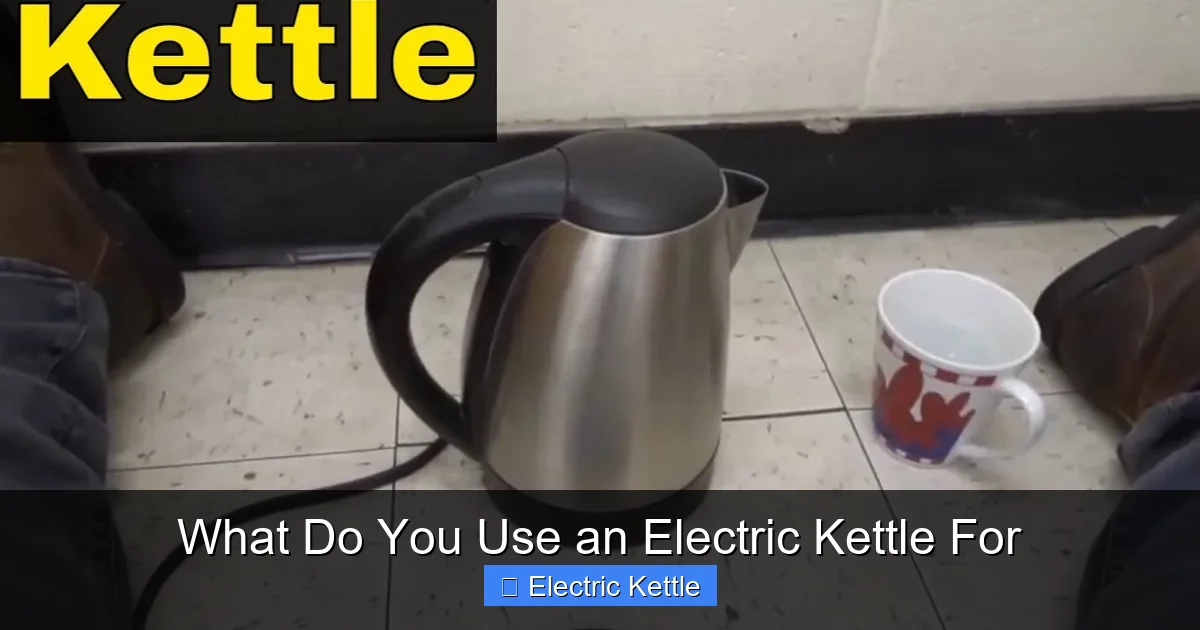
Visual guide about What Do You Use an Electric Kettle For
Image source: i.ytimg.com
At its heart, an electric kettle is designed to boil water—and it does this job exceptionally well. But why is this such a big deal? Because boiling water is the foundation for so many daily activities, from making your morning coffee to preparing a quick lunch.
Speed and Efficiency
One of the biggest advantages of an electric kettle is how fast it heats water. Most models can bring a full liter of water to a boil in under five minutes—often closer to three. Compare that to a stovetop kettle, which can take 8–10 minutes, and you’re saving precious time every single day. This speed comes from the kettle’s direct heating element, which transfers heat directly to the water, minimizing energy loss.
For example, if you’re rushing to get ready for work and need hot water for tea, an electric kettle lets you multitask. While it’s heating, you can brush your teeth, pack your bag, or check your emails—no need to stand over the stove.
Energy Savings
Electric kettles are also more energy-efficient than stovetops or microwaves when it comes to heating water. Studies show that kettles use about 20–30% less energy to boil the same amount of water. This is because they heat only the water you need, not the entire pot or container. Plus, many modern kettles have automatic shut-off features, so they stop heating once the water reaches boiling point—preventing wasted energy.
If you’re trying to reduce your electricity bill or live a more eco-friendly lifestyle, switching to an electric kettle is a small change with a big impact.
Precision Temperature Control
Not all hot water needs to be boiling. Different beverages and foods require different temperatures for optimal results. Green tea, for instance, tastes bitter if brewed with water that’s too hot—ideally, it should be around 160–180°F (70–80°C). Black tea, on the other hand, needs near-boiling water (200–212°F or 93–100°C).
Many advanced electric kettles come with temperature control settings, allowing you to select the perfect heat level for your drink. This precision ensures better flavor, especially for tea lovers who appreciate the subtle differences in brewing.
Brewing Beverages: More Than Just Tea
When most people think of an electric kettle, they think of tea. And yes, it’s perfect for that. But the truth is, an electric kettle can elevate your entire beverage game—from coffee to hot chocolate and beyond.
Tea: The Classic Use
Tea is the most common reason people buy an electric kettle, and for good reason. Whether you prefer black, green, white, or herbal tea, an electric kettle delivers consistent, hot water every time. No more guessing if the water is hot enough—just pour and steep.
For example, if you’re making a delicate white tea, you can set your kettle to 175°F (80°C) and avoid scalding the leaves. Or if you’re brewing a robust Assam black tea, crank it up to 212°F (100°C) for maximum flavor extraction.
Coffee: From Instant to French Press
Coffee lovers, don’t overlook your kettle! While it won’t replace your espresso machine, an electric kettle is great for making instant coffee, pour-over coffee, or French press brews.
For instant coffee, simply boil water, pour it over your grounds, and stir. It’s fast, easy, and perfect for busy mornings. If you use a French press, the kettle’s precise pouring spout helps you control the water flow, ensuring even saturation of the coffee grounds.
Some kettles even have a “keep warm” function, which maintains the water temperature for up to 30 minutes—ideal if you’re making multiple cups or sharing with a friend.
Hot Chocolate and Instant Drinks
Craving a cozy cup of hot chocolate? An electric kettle makes it effortless. Just boil water, pour it into a mug with cocoa powder and sugar, and stir. No need to heat milk on the stove—just use hot water and add a splash of milk afterward if you prefer.
The same goes for instant soups, broth, or flavored drink mixes. Whether it’s chicken noodle soup or a vitamin-packed herbal infusion, your kettle can handle it all.
Specialty Drinks and Infusions
Got a taste for something unique? Use your kettle to make ginger tea, lemon water, or even spiced chai. Simply add your ingredients—like sliced ginger, lemon slices, or tea spices—to a mug, pour in hot water from the kettle, and let it steep.
This method is not only convenient but also allows you to customize your drinks exactly how you like them. Plus, it’s a great way to stay hydrated with flavorful, healthy alternatives to sugary sodas.
Cooking and Meal Prep: Surprising Kitchen Uses
Here’s where the electric kettle really shines: it’s not just for drinks. With a little creativity, you can use it to cook entire meals—especially when you’re short on time, space, or kitchen tools.
Instant Noodles and Ramen
This one’s a no-brainer. Instead of waiting for a pot to boil on the stove, just fill your kettle, boil the water, and pour it directly into your ramen cup. It’s faster, cleaner, and uses less energy. Plus, you can reuse the kettle immediately for another task.
Many college students swear by this method—it’s quick, requires no cleanup, and works in dorm rooms where stovetops aren’t allowed.
Oatmeal and Porridge
Yes, you can make oatmeal with an electric kettle! Simply add oats and water (or milk) to a heat-safe bowl, pour boiling water from the kettle over them, and let it sit for a few minutes. Stir, add toppings like fruit or nuts, and you’ve got a warm, filling breakfast in under five minutes.
This method works especially well for instant oats or overnight oats that just need a heat boost. It’s perfect for busy mornings when you don’t have time to stand over a stove.
Hard-Boiled Eggs
Believe it or not, you can cook eggs using just your electric kettle. Here’s how: place eggs in a heat-safe container, pour boiling water from the kettle over them, cover, and let them sit for 10–12 minutes. The residual heat will cook the eggs perfectly.
This method is great if you don’t have a pot or are cooking in a small space. Just be sure to use a container that won’t crack from the heat, and never submerge the eggs directly in the kettle—safety first!
Pasta and Rice
While you can’t cook a full pot of pasta in a kettle, you can use it to rehydrate instant rice or small portions of pasta. For example, pour boiling water over instant rice in a bowl, cover, and let it steam for 5–10 minutes. The result? Fluffy, ready-to-eat rice with minimal effort.
Similarly, you can soften small amounts of pasta by soaking it in boiling water—though it won’t be as al dente as stove-cooked pasta, it’s a handy trick in a pinch.
Sterilizing and Reheating
An electric kettle can also help with food safety. Use boiling water to sterilize baby bottles, pacifiers, or kitchen utensils. Simply submerge the items in a bowl of boiled water for a few minutes to kill bacteria.
You can also use the kettle to reheat soups or broths. Pour the liquid into a heat-safe container, add boiling water to dilute or warm it, and stir. It’s a quick way to revive leftovers without using the microwave.
Health, Hygiene, and Safety Uses
Beyond cooking and drinking, an electric kettle plays a vital role in maintaining health and cleanliness—especially in homes with babies, elderly individuals, or people with compromised immune systems.
Sterilizing Baby Items
New parents know how important it is to keep bottles, nipples, and pacifiers clean. An electric kettle makes sterilization easy. Boil water, pour it into a clean container, and submerge the items for 5–10 minutes. The high heat kills harmful bacteria and viruses, giving you peace of mind.
This method is faster and more reliable than using chemical sterilizers, and it doesn’t leave any residue.
Cleaning and Disinfecting
Boiling water is a natural disinfectant. Use your kettle to clean cutting boards, kitchen sponges, or even your kettle itself. Pour boiling water over a smelly sponge to kill germs, or use it to sanitize a wooden cutting board after handling raw meat.
You can also use hot water to clean your kettle. Fill it with equal parts water and vinegar, boil, let it sit for 15 minutes, then rinse thoroughly. This removes limescale and keeps your kettle running smoothly.
Emergency Preparedness
In case of a power outage or water contamination, an electric kettle can be a lifesaver. If you have a backup power source (like a generator or power bank), you can boil water to make it safe to drink. Boiling kills most pathogens, making it a reliable method for emergency water purification.
Keep your kettle clean and ready, and consider storing it with your emergency supplies.
Portability and Convenience: Ideal for Any Lifestyle
One of the underrated benefits of an electric kettle is its portability. Unlike bulky appliances, most electric kettles are compact, lightweight, and easy to move. This makes them perfect for a variety of settings beyond the kitchen.
Dorm Rooms and Small Spaces
College students love electric kettles because they’re allowed in most dorms (unlike microwaves or hot plates). They take up minimal counter space and can be used for everything from tea to instant meals. Many models are designed with safety features like auto-shutoff and boil-dry protection, making them ideal for unsupervised use.
Office Use
Bring your kettle to work and enjoy fresh tea or coffee without relying on the office machine. It’s quieter, faster, and gives you control over your brew. Plus, it’s a great conversation starter—your coworkers might just borrow it for their own drinks.
Travel and Camping
Some electric kettles are designed for travel, with foldable handles, detachable cords, and compact sizes. While you’ll need access to electricity, they’re perfect for hotel rooms, RVs, or cabin stays. Just plug in, boil water, and enjoy a hot drink wherever you are.
For camping, consider a portable electric kettle that runs on a power inverter or battery pack. It’s a luxury that makes outdoor trips more comfortable.
Safety Features You Should Know
Modern electric kettles come with built-in safety features to prevent accidents. Look for models with:
– Auto shut-off when water reaches boiling point
– Boil-dry protection (shuts off if no water is detected)
– Cool-touch exterior to prevent burns
– Stable base to avoid tipping
These features make electric kettles safe for homes with children or pets, and reduce the risk of fire or injury.
Choosing the Right Electric Kettle for Your Needs
With so many options on the market, how do you pick the right one? Here are a few factors to consider:
Capacity
Electric kettles typically range from 0.5 to 1.7 liters. A 1-liter kettle is ideal for individuals or couples, while larger families may prefer 1.5–1.7 liters. Choose based on how much water you usually need at once.
Material
Most kettles are made of stainless steel, plastic, or glass. Stainless steel is durable and retains heat well. Glass lets you see the water boiling, which is satisfying but can be fragile. Plastic is lightweight and affordable but may retain odors over time.
Temperature Control
If you’re a tea or coffee connoisseur, look for a kettle with variable temperature settings. This allows you to brew different beverages at their ideal temperatures.
Speed and Noise
Some kettles boil faster than others. If speed is important, check the wattage—higher wattage (1500W or more) means faster boiling. Also, consider noise level; some kettles are quieter than others, which matters if you’re using it early in the morning.
Ease of Cleaning
Look for a kettle with a wide opening and removable limescale filter. This makes it easier to clean and maintain, especially if you live in an area with hard water.
Conclusion: More Than Just Hot Water
So, what do you use an electric kettle for? The answer is: almost anything that requires hot water. From brewing your morning tea to cooking a quick meal, sterilizing baby bottles, or even purifying water in an emergency, this simple appliance is a powerhouse of convenience.
It saves time, reduces energy use, and fits seamlessly into modern lifestyles—whether you’re at home, in the office, or on the go. With the right model, you can enjoy precise temperature control, safety features, and long-lasting performance.
If you don’t already own an electric kettle, now might be the perfect time to invest in one. And if you do, maybe it’s time to explore its full potential. Try making oatmeal, hard-boiled eggs, or a ginger infusion. You might be surprised at how much you can do with just hot water and a little creativity.
In a world where time is precious and efficiency matters, the electric kettle stands out as a small tool with a big impact. It’s not just about boiling water—it’s about simplifying your life, one cup at a time.
Frequently Asked Questions
Can you cook food in an electric kettle?
No, you shouldn’t cook food directly inside an electric kettle. However, you can use the boiling water it produces to rehydrate or cook foods like instant noodles, oatmeal, or eggs in a separate container.
Is it safe to leave an electric kettle plugged in?
Yes, it’s generally safe to leave an electric kettle plugged in when not in use, as long as it has auto shut-off and boil-dry protection. Just avoid leaving water sitting in it for long periods to prevent limescale buildup.
Can you use an electric kettle to boil milk?
It’s not recommended to boil milk directly in an electric kettle, as it can scorch, stick to the heating element, and damage the appliance. Instead, heat water first, then mix it with milk in a separate container.
How often should you clean your electric kettle?
Clean your electric kettle every 2–4 weeks, or more often if you live in an area with hard water. Use a vinegar-water solution to remove limescale and keep it functioning efficiently.
Can an electric kettle be used for baby formula?
Yes, an electric kettle is great for preparing baby formula. Boil water, let it cool slightly, and mix with formula powder. Always follow safety guidelines and test the temperature before feeding.
Do electric kettles use a lot of electricity?
No, electric kettles are energy-efficient. They use less power than stovetops or microwaves to heat water and often have auto shut-off to prevent wasted energy.