
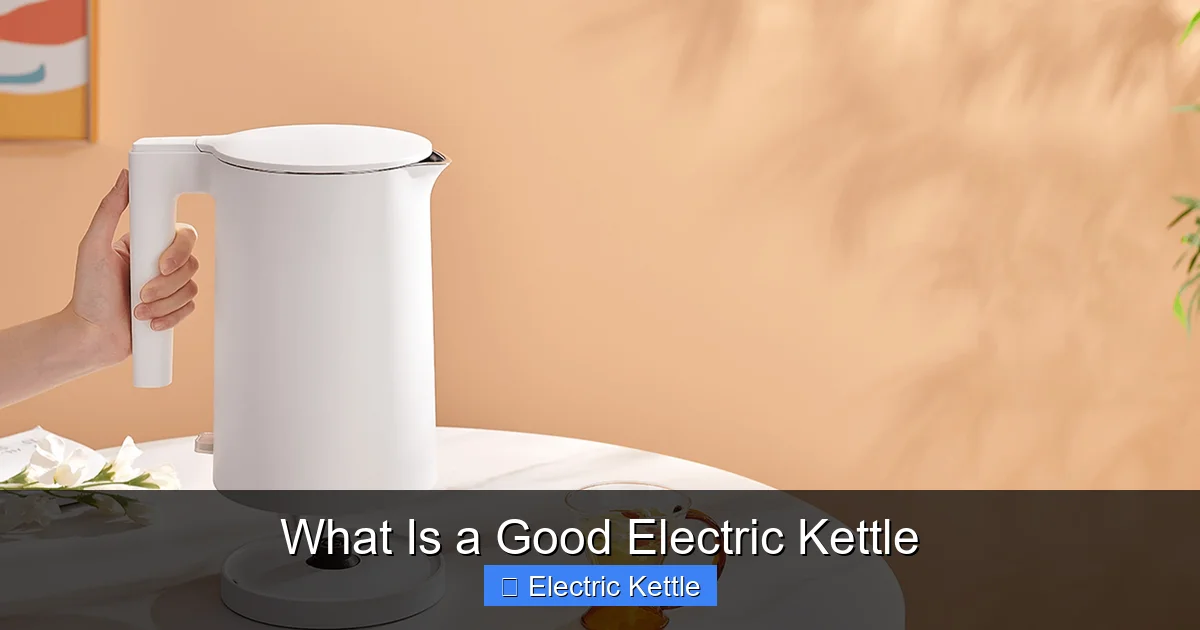
A good electric kettle boils water quickly, safely, and efficiently while offering durability, ease of use, and smart features. Whether you’re brewing tea, making coffee, or preparing instant meals, the right kettle can make all the difference in your daily routine.
Key Takeaways
- Speed matters: A good electric kettle should boil water in 3–5 minutes, saving time and energy.
- Material quality is key: Stainless steel and BPA-free plastic models offer durability and prevent unwanted tastes.
- Temperature control enhances versatility: Variable temperature settings let you brew different teas and coffees perfectly.
- Safety features are non-negotiable: Look for auto shut-off, boil-dry protection, and cool-touch handles.
- Capacity should match your needs: Choose between 1–1.7 liters based on household size and usage frequency.
- Ease of cleaning and maintenance: Removable filters and wide openings make descaling and upkeep simple.
- Noise level and design matter: A quiet, sleek kettle fits better in modern kitchens and daily routines.
📑 Table of Contents
- What Is a Good Electric Kettle?
- Speed and Performance: How Fast Should a Good Electric Kettle Boil?
- Material Matters: Choosing the Right Build for Taste and Durability
- Temperature Control: Why Precision Matters
- Capacity and Size: Finding the Right Fit
- Safety Features: What to Look For
- Ease of Use and Maintenance
- Noise Level and Design Aesthetics
- Conclusion: Making the Right Choice
What Is a Good Electric Kettle?
Imagine starting your morning with a perfectly brewed cup of tea or coffee—hot, aromatic, and ready in minutes. That’s the magic a good electric kettle brings to your kitchen. But not all kettles are created equal. While some simply heat water, the best ones combine speed, safety, durability, and smart features to elevate your daily routine.
A good electric kettle is more than just a heating device. It’s a reliable kitchen companion that saves time, conserves energy, and delivers consistent performance. Whether you’re a tea enthusiast, a coffee lover, or someone who just needs hot water fast for soups and oatmeal, the right kettle can make a noticeable difference. But with so many options on the market—ranging from basic models to high-tech smart kettles—how do you know what truly makes one “good”?
In this guide, we’ll break down the essential features, materials, and performance factors that define a quality electric kettle. You’ll learn what to look for, what to avoid, and how to choose the perfect model for your lifestyle. From speed and temperature control to safety and design, we’ve got you covered.
Speed and Performance: How Fast Should a Good Electric Kettle Boil?
One of the first things people notice about an electric kettle is how quickly it heats water. A good electric kettle should boil a full liter of water in 3 to 5 minutes. Anything slower might be frustrating, especially during busy mornings or when you’re in a rush.
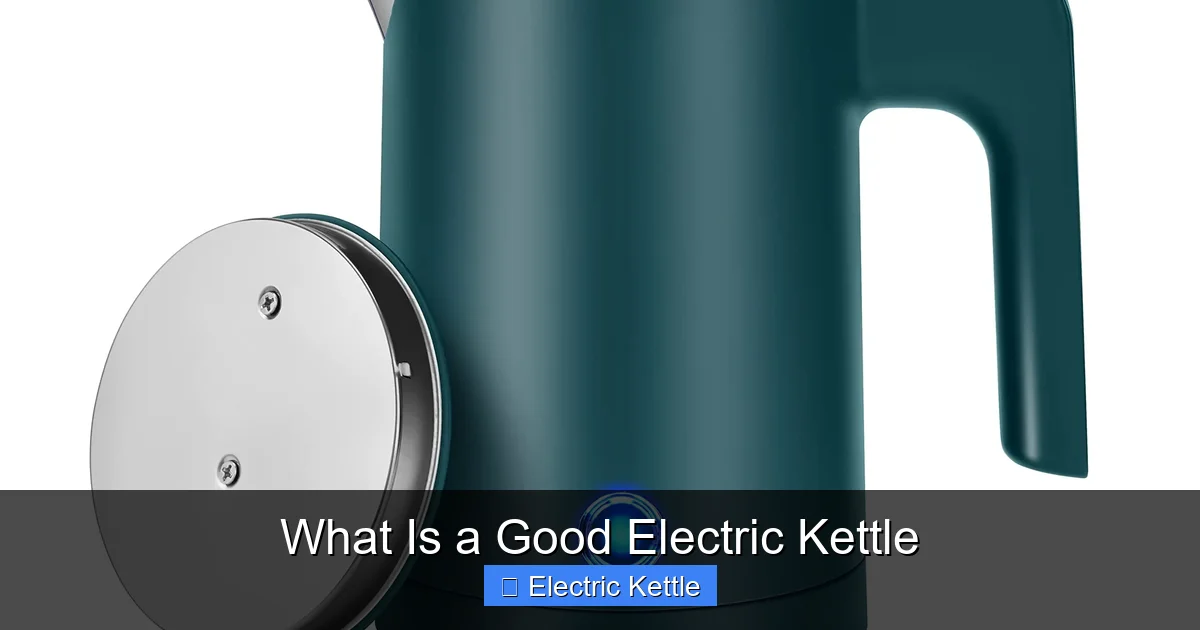
Visual guide about What Is a Good Electric Kettle
Image source: jugandoando.com.ar
Why Boiling Speed Matters
Faster boiling means less waiting and more convenience. If you’re making multiple cups of tea or preparing instant meals, speed becomes even more important. High-wattage kettles—typically between 1500W and 3000W—tend to heat water faster. For example, a 3000W kettle can boil a liter of water in under 3 minutes, while a 1500W model might take closer to 5 minutes.
But speed isn’t just about wattage. The design of the heating element, the material of the kettle, and the efficiency of heat transfer also play a role. Kettles with concealed heating elements often heat more evenly and quickly than those with exposed coils.
Energy Efficiency and Speed
You might think faster boiling uses more energy, but that’s not always true. A good electric kettle is designed to be energy-efficient. It heats only the water you need, unlike a stovetop kettle that can waste heat. Many modern models include features like rapid-boil technology or eco modes that optimize energy use without sacrificing speed.
For example, some kettles have a “boil-x” function that lets you heat just the right amount of water—say, 250ml for one cup—instead of filling the entire kettle. This not only saves time but also reduces electricity consumption.
Material Matters: Choosing the Right Build for Taste and Durability
The material of your electric kettle affects everything from taste to longevity. A good electric kettle should be made from high-quality, non-reactive materials that don’t leach chemicals or alter the flavor of your water.
Stainless Steel: The Gold Standard
Stainless steel is one of the most popular materials for electric kettles—and for good reason. It’s durable, resistant to rust and corrosion, and doesn’t retain odors or flavors. High-grade 304 stainless steel is especially recommended because it’s food-safe and built to last.
Stainless steel kettles often have a sleek, modern look that fits well in contemporary kitchens. They’re also easy to clean and maintain. However, they can get hot on the outside, so look for models with insulated walls or cool-touch handles.
BPA-Free Plastic: Lightweight and Affordable
Plastic kettles are lighter and usually more affordable than stainless steel models. But not all plastic is created equal. A good electric kettle made from plastic should be BPA-free and food-grade. BPA (Bisphenol A) is a chemical that can leach into water, especially when heated, and has been linked to health concerns.
Look for kettles labeled “BPA-free” or made from Tritan plastic, which is known for its safety and clarity. These models are great for travel or small kitchens but may not last as long as metal kettles.
Glass: Stylish but Fragile
Glass kettles offer a unique aesthetic—you can see the water boiling, which some people find satisfying. They’re typically made from borosilicate glass, which is heat-resistant and doesn’t affect taste.
However, glass is more fragile than metal or plastic. If you’re prone to dropping things or have a busy kitchen, a glass kettle might not be the best choice. Also, glass can show water stains and mineral buildup more easily, requiring more frequent cleaning.
Copper and Other Materials
Copper kettles are rare and usually more decorative than functional. While copper is an excellent conductor of heat, it can react with water and isn’t typically used for the interior of modern electric kettles. Some kettles have copper accents or finishes, but the heating element and interior are usually stainless steel or another safe material.
Temperature Control: Why Precision Matters
Not all hot water is the same. Different beverages require different temperatures for optimal flavor. A good electric kettle with variable temperature control lets you customize the heat for tea, coffee, or other uses.
Perfect Temperatures for Different Drinks
For example, green tea tastes best when brewed at 160–185°F (70–85°C), while black tea needs near-boiling water at 200–212°F (93–100°C). Coffee made with a French press or pour-over method also benefits from precise temperatures—around 195–205°F (90–96°C).
Without temperature control, you risk over-extracting delicate teas or under-extracting bold coffees. A kettle with preset temperature settings—like “Green Tea,” “White Tea,” or “Coffee”—takes the guesswork out of brewing.
How Variable Temperature Kettles Work
These kettles use built-in thermostats and digital controls to heat water to specific temperatures. Some models even have a “keep warm” function that maintains the water at the desired temperature for up to an hour.
For example, the Breville BKE820XL Smart Kettle has five preset temperatures and a digital display, making it easy to select the right setting. This level of control is especially useful for tea connoisseurs or anyone who enjoys a variety of hot beverages.
Is Temperature Control Worth It?
If you only drink black tea or instant coffee, a basic kettle might suffice. But if you enjoy green, white, or oolong teas, or if you’re serious about coffee, temperature control is a game-changer. It ensures consistent results and protects the subtle flavors of your drinks.
Capacity and Size: Finding the Right Fit
The size of your electric kettle should match your household’s needs. A good electric kettle offers enough capacity to serve your family without wasting energy on excess water.
Standard Capacities
Most electric kettles hold between 1 and 1.7 liters. A 1-liter kettle is ideal for individuals or couples, while a 1.5- to 1.7-liter model suits families or frequent entertainers.
For example, if you live alone and only make one or two cups of tea a day, a 1-liter kettle is sufficient. But if you have a family of four who all drink tea or coffee in the morning, a larger kettle will save you from multiple boiling cycles.
Compact vs. Large Kettles
Compact kettles are great for small kitchens, dorm rooms, or travel. They take up less counter space and are often lighter. However, they may have smaller water windows or less powerful heating elements.
Large kettles, on the other hand, can be bulky and may not fit under cabinets. But they’re more efficient for group use. Some models have a “minimum fill” line to prevent boiling too little water, which can damage the heating element.
Measuring Your Needs
To choose the right size, consider how many people use the kettle daily and how often you boil water. If you frequently make multiple cups or use hot water for cooking, go larger. If space is tight or usage is light, a smaller model will do.
Safety Features: What to Look For
Safety should be a top priority when choosing an electric kettle. A good electric kettle includes multiple safety mechanisms to prevent accidents and protect the appliance.
Auto Shut-Off
This feature turns off the kettle automatically once the water reaches boiling point. It prevents overheating, saves energy, and reduces the risk of fire. Most modern kettles have this feature, but it’s worth confirming before buying.
Boil-Dry Protection
If the kettle is turned on without water, boil-dry protection shuts it off to prevent damage to the heating element. This is especially important if you’re forgetful or multitasking in the kitchen.
Cool-Touch Exterior and Handle
A cool-touch handle and insulated body prevent burns when handling the kettle. This is crucial if you have children or elderly family members. Some kettles also have a 360-degree swivel base, allowing you to lift and pour from any angle without touching hot surfaces.
Stable Base and Non-Slip Feet
A stable base with non-slip feet keeps the kettle secure on the counter. This reduces the risk of spills, especially when pouring hot water. Look for models with a wide, flat base and rubberized feet.
Overheat Protection
In addition to auto shut-off, some kettles have overheat sensors that monitor internal temperature and cut power if something goes wrong. This adds an extra layer of safety.
Ease of Use and Maintenance
A good electric kettle should be simple to operate and easy to clean. Complicated controls or hard-to-reach interiors can turn a convenient appliance into a hassle.
User-Friendly Design
Look for kettles with intuitive controls—large buttons, clear markings, and easy-to-read water level indicators. Some models have LED lights that illuminate when the kettle is on, adding a nice visual cue.
Ergonomic handles and balanced weight make pouring safer and more comfortable. A lid that opens wide allows easy filling and cleaning.
Removable Limescale Filter
Hard water leaves mineral deposits (limescale) that can affect taste and performance. A good electric kettle has a removable filter at the spout that traps these deposits. This filter should be easy to take out and clean.
Descaling and Cleaning Tips
Even with a filter, kettles need regular descaling. Use a mixture of vinegar and water (1:1 ratio) and let it sit for 30 minutes, then rinse thoroughly. Some kettles have a “clean” or “descale” mode that automates this process.
Avoid submerging the base in water—only the kettle itself should be washed. Wipe the exterior with a damp cloth and dry it completely.
Storage and Cord Management
A good electric kettle should have a cord that tucks away neatly. Some models have a cordless design with a detachable base, making them easier to store and pour.
Noise Level and Design Aesthetics
While often overlooked, noise and design can significantly impact your experience with an electric kettle.
How Loud Is Too Loud?
Most electric kettles make some noise—hissing, bubbling, or a low hum—as water heats. But a good electric kettle shouldn’t be excessively loud. Kettles with insulated walls or quiet-boil technology tend to be quieter.
If you’re sensitive to noise—especially in the morning—look for models with noise-reduction features. Some brands advertise “silent boil” or “low-noise operation.”
Design That Fits Your Kitchen
A good electric kettle should look good on your countertop. Sleek stainless steel, minimalist glass, or colorful plastic models can complement your kitchen decor. Some kettles come in multiple colors or finishes, allowing you to match your style.
Consider the spout design, too. A well-designed spout prevents dripping and allows for smooth, controlled pouring. A gooseneck spout, for example, is ideal for pour-over coffee.
Smart Features and Connectivity
Some high-end kettles offer smart features like app control, voice activation (via Alexa or Google Assistant), or programmable timers. While not essential, these can add convenience for tech-savvy users.
For example, you could set your kettle to boil water at 7 a.m. every day or adjust the temperature from your phone. These features are more common in premium models but are becoming more accessible.
Conclusion: Making the Right Choice
So, what is a good electric kettle? It’s one that combines speed, safety, durability, and usability to meet your specific needs. Whether you prioritize fast boiling, precise temperature control, or a sleek design, the best kettle is the one that fits seamlessly into your lifestyle.
When shopping, focus on key features like wattage, material, capacity, and safety. Read reviews, compare models, and consider how you’ll use the kettle daily. A good electric kettle isn’t just about boiling water—it’s about enhancing your daily rituals, one perfect cup at a time.
Investing in a quality kettle may cost a bit more upfront, but it pays off in performance, longevity, and peace of mind. With the right choice, you’ll enjoy faster mornings, better-tasting beverages, and a safer, more efficient kitchen.
Frequently Asked Questions
What should I look for when buying an electric kettle?
Look for a kettle with fast boiling time, high-quality materials (like stainless steel or BPA-free plastic), safety features (auto shut-off, boil-dry protection), and a capacity that suits your household. Temperature control and ease of cleaning are also important.
Are stainless steel kettles better than plastic ones?
Stainless steel kettles are generally more durable, don’t retain flavors, and are safer for long-term use. Plastic kettles are lighter and cheaper but must be BPA-free to avoid chemical leaching.
Can I boil milk or other liquids in an electric kettle?
No, electric kettles are designed for water only. Boiling milk, soup, or other liquids can damage the heating element, cause spills, and create a fire hazard.
How often should I descale my electric kettle?
Descale your kettle every 1–3 months, depending on water hardness. Use a vinegar-water solution or a commercial descaler to remove limescale buildup.
Do electric kettles use a lot of electricity?
Electric kettles are energy-efficient because they heat water directly and quickly. They typically use less energy than stovetop kettles, especially if you only boil the amount of water you need.
Can I leave water in my electric kettle overnight?
It’s not recommended. Stagnant water can promote bacterial growth and affect taste. Always empty and rinse the kettle after use, and refill it fresh each time.