An electric kettle is a modern kitchen appliance designed to quickly and efficiently heat water using electricity. Unlike stovetop kettles, it operates independently of a stove, offering convenience, speed, and safety for making tea, coffee, instant meals, and more.
Key Takeaways
- An electric kettle uses electricity to heat water rapidly, typically in 3–5 minutes, making it faster than stovetop methods.
- It features automatic shut-off and boil-dry protection for enhanced safety and energy efficiency.
- Available in various materials like stainless steel, glass, and plastic, each with unique pros and cons.
- Ideal for more than just tea and coffee—use it for instant noodles, oatmeal, baby formula, and even sterilizing bottles.
- Energy-efficient compared to stovetop kettles, especially when heating only the amount of water needed.
- Modern models include advanced features like temperature control, keep-warm functions, and smart connectivity.
- Easy to clean and maintain with removable filters and smooth interiors, promoting long-term hygiene.
📑 Table of Contents
What Is an Electric Kettle?
An electric kettle is a household appliance specifically designed to heat water using electrical power. Unlike traditional stovetop kettles that rely on gas or electric burners, electric kettles are self-contained units with built-in heating elements. Simply plug them in, add water, and press a button—within minutes, you have hot or boiling water ready for use.
These appliances have become a staple in kitchens around the world, especially in homes, offices, dorm rooms, and hotels. Their popularity stems from their speed, convenience, and reliability. Whether you’re brewing your morning coffee, steeping a cup of herbal tea, or preparing instant soup, an electric kettle makes the process effortless. It’s a small device with a big impact on daily routines.
How Does an Electric Kettle Work?
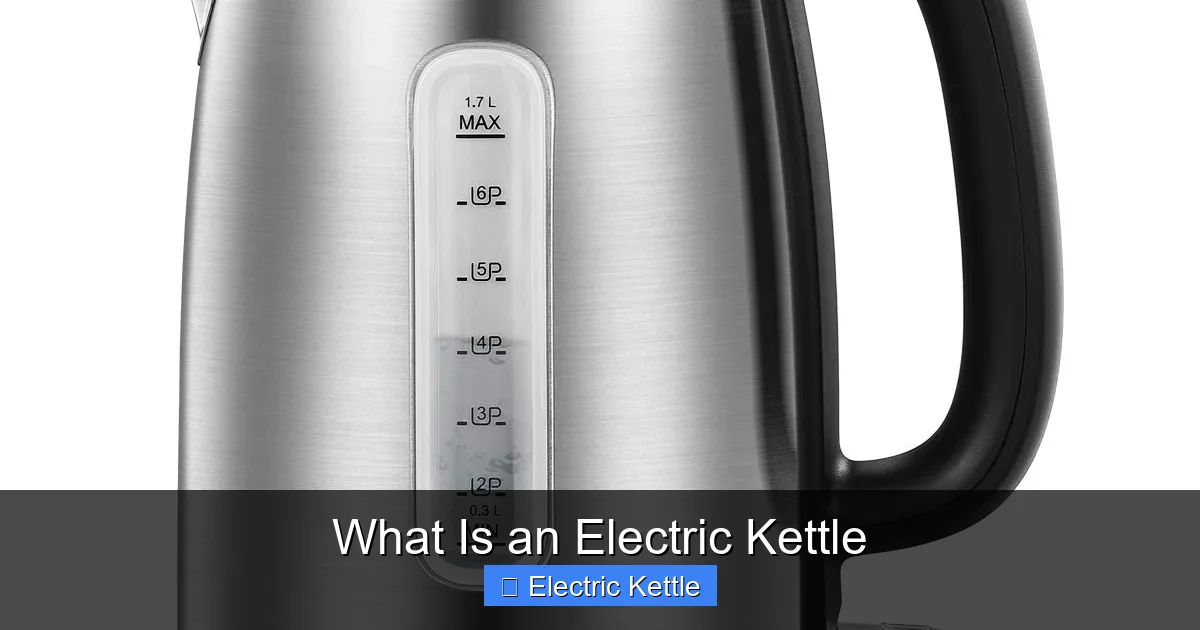
Visual guide about What Is an Electric Kettle
Image source: m.media-amazon.com
At its core, an electric kettle operates on a simple principle: electrical energy is converted into heat energy to warm water. Inside the base or bottom of the kettle is a concealed heating element, usually made of metal. When you plug in the kettle and turn it on, electricity flows through this element, causing it to heat up rapidly. The heat is then transferred directly to the water inside the kettle.
Most electric kettles are designed with a thermostat—a small device that monitors the water temperature. Once the water reaches boiling point (around 212°F or 100°C at sea level), the thermostat triggers an automatic shut-off mechanism. This not only prevents over-boiling but also enhances safety by reducing the risk of fire or damage. Some models go a step further with boil-dry protection, which turns off the kettle if it detects little or no water, preventing the heating element from burning out.
The Science Behind the Speed
One of the biggest advantages of electric kettles is how quickly they heat water. This speed comes from the direct contact between the heating element and the water. Unlike stovetop kettles, where heat must transfer from the burner to the pot and then to the water, electric kettles eliminate the middle step. The heating element is submerged or placed directly beneath the water reservoir, allowing for faster and more efficient heat transfer.
For example, a typical 1500-watt electric kettle can boil 1 liter of water in about 3 to 4 minutes. In contrast, a stovetop kettle might take 6 to 8 minutes, depending on the stove type and heat setting. This efficiency isn’t just about convenience—it also saves energy, especially if you’re only heating the amount of water you need.
Types of Electric Kettles
Electric kettles come in a variety of styles and designs to suit different needs and preferences. Understanding the types available can help you choose the right one for your lifestyle.
Standard Electric Kettles
These are the most common type—simple, functional, and affordable. They usually feature a basic on/off switch, a water level indicator, and automatic shut-off. Standard kettles are great for everyday use and are available in materials like plastic, stainless steel, and glass. They’re ideal for people who want a no-frills appliance that gets the job done quickly.
Temperature Control Kettles
Also known as variable temperature kettles, these models allow you to select specific water temperatures. This is especially useful for tea lovers, as different types of tea require different brewing temperatures. For instance, green tea brews best at around 160–180°F (70–80°C), while black tea needs near-boiling water. With a temperature control kettle, you can set the exact heat level, ensuring optimal flavor extraction without scalding delicate leaves.
Gooseneck Kettles
Originally designed for pour-over coffee, gooseneck kettles have a long, narrow spout that allows for precise pouring. This control is essential for methods like the Chemex or V60, where water flow and distribution affect the final taste. Many gooseneck kettles also include temperature control, making them a favorite among coffee enthusiasts. While they tend to be more expensive, their precision and performance justify the cost for serious brewers.
Smart Electric Kettles
The latest innovation in kettle technology, smart kettles connect to your smartphone via Wi-Fi or Bluetooth. Using a dedicated app, you can set boiling times, adjust temperatures, and even receive notifications when your water is ready. Some models integrate with voice assistants like Alexa or Google Assistant, allowing for hands-free operation. These kettles are perfect for tech-savvy users who appreciate automation and remote control.
Travel Kettles
Compact and lightweight, travel kettles are designed for portability. They’re ideal for road trips, camping, or staying in hotels where you want the comfort of hot water on demand. Most travel kettles have a smaller capacity (around 0.5 to 0.8 liters) and come with dual voltage compatibility, so they work in different countries. While not as powerful as full-sized models, they’re a convenient solution for on-the-go hydration.
Benefits of Using an Electric Kettle
Electric kettles offer a wide range of advantages that make them a valuable addition to any kitchen. From speed and safety to energy efficiency and versatility, here’s why so many people rely on them daily.
Speed and Convenience
Time is precious, and electric kettles save a lot of it. Boiling water in under five minutes means you can enjoy your favorite hot drink almost instantly. There’s no need to wait for a stove to heat up or monitor a pot on the burner. Just fill, press a button, and walk away—your kettle will alert you when it’s done.
This convenience is especially helpful during busy mornings or when you’re multitasking. Imagine preparing breakfast while your kettle heats water for coffee—everything happens in parallel, making your routine smoother and more efficient.
Energy Efficiency
Electric kettles are more energy-efficient than stovetop kettles, particularly when you only need a small amount of water. Stovetop kettles often require heating more water than necessary, leading to wasted energy. Electric kettles, on the other hand, let you measure exactly how much water you need, reducing unnecessary consumption.
Studies have shown that electric kettles can be up to 50% more efficient than gas stoves for boiling water. This not only lowers your energy bills but also reduces your carbon footprint. If you’re environmentally conscious, choosing an electric kettle is a small but meaningful step toward sustainability.
Enhanced Safety Features
Safety is a major concern when dealing with hot water and electricity. Modern electric kettles are designed with multiple safety mechanisms to prevent accidents. The automatic shut-off feature stops the heating process once the water boils, eliminating the risk of overheating. Boil-dry protection ensures the kettle turns off if it runs out of water, protecting the heating element and preventing fire hazards.
Many models also include cool-touch exteriors, so the outside of the kettle remains safe to handle even when the water inside is boiling. Some have locking lids to prevent spills, and others feature cordless designs for easy pouring without tripping over wires.
Versatility in Use
While electric kettles are commonly associated with tea and coffee, their uses go far beyond beverages. You can use them to prepare instant noodles, oatmeal, or soup. Parents often rely on kettles to quickly heat water for baby formula, ensuring it’s at the right temperature without overcooking. Some people even use electric kettles to sterilize baby bottles or small kitchen tools by boiling them in hot water.
In the kitchen, hot water from an electric kettle can speed up cooking processes. For example, adding boiling water to pasta or rice can reduce cooking time. It’s also useful for dissolving gelatin, making syrups, or warming up sauces.
Choosing the Right Electric Kettle
With so many options on the market, selecting the perfect electric kettle can feel overwhelming. Here are some key factors to consider when making your decision.
Capacity
Electric kettles typically range from 0.5 liters to 1.7 liters. A smaller kettle is ideal for individuals or small households, while larger families or frequent entertainers may prefer a bigger capacity. Consider how much water you usually need at once. If you’re making tea for two, a 1-liter kettle should suffice. But if you’re hosting a dinner party or making multiple cups of coffee, a 1.5-liter model might be better.
Material
The material of the kettle affects its durability, taste, and maintenance.
– Stainless steel: Durable, rust-resistant, and retains heat well. It doesn’t absorb odors or flavors, making it a popular choice. However, it can be heavier and more expensive.
– Glass: Offers a sleek, modern look and allows you to see the water boiling. It’s non-reactive and easy to clean, but it’s more fragile and can break if dropped.
– Plastic: Lightweight and affordable, but some people worry about chemicals leaching into the water when heated. Look for BPA-free models if you choose plastic.
Features
Think about which features matter most to you. If you drink a lot of tea, temperature control is a must. For coffee lovers, a gooseneck spout offers better pour control. If you’re often in a hurry, a fast-boil function can save time. Smart features like app control or voice activation add convenience but come at a higher price.
Ease of Cleaning
A kettle that’s easy to clean will last longer and perform better. Look for models with wide openings, removable lids, and detachable filters. Some kettles have smooth interiors that prevent mineral buildup, while others include descaling alerts to remind you when it’s time to clean.
Price and Brand
Electric kettles range from under $20 to over $100, depending on features and brand. While budget models work well for basic needs, investing in a higher-quality kettle can pay off in durability and performance. Reputable brands like Breville, Cuisinart, and Hamilton Beach offer reliable products with good warranties.
Maintenance and Care Tips
To keep your electric kettle in top condition, regular maintenance is essential. With proper care, your kettle can last for years and continue to deliver clean, great-tasting water.
Descaling
Over time, mineral deposits from hard water can build up inside your kettle, affecting performance and taste. Descaling removes these deposits and keeps the heating element efficient. Most manufacturers recommend descaling every 1–3 months, depending on water hardness.
To descale, mix equal parts water and white vinegar, fill the kettle about halfway, and let it sit for an hour. Then boil the solution, let it cool, and rinse thoroughly. For a gentler option, use a commercial descaling solution or lemon juice.
Cleaning the Exterior
Wipe the outside of the kettle with a damp cloth and mild detergent. Avoid submerging the base in water, as it contains electrical components. For stainless steel models, use a soft cloth to prevent scratches. Glass kettles can be cleaned with a non-abrasive sponge.
Filter Maintenance
Many electric kettles come with a mesh filter at the spout to catch limescale and debris. This filter should be removed and rinsed regularly. If it becomes clogged, soak it in vinegar to dissolve buildup.
Storage
When not in use, store your kettle in a dry place with the lid open to prevent moisture buildup and odors. Avoid stacking heavy items on top, especially if it’s made of glass.
Common Misconceptions About Electric Kettles
Despite their popularity, electric kettles are sometimes misunderstood. Let’s clear up a few common myths.
“Electric kettles waste electricity.”
In reality, electric kettles are among the most energy-efficient ways to boil water. They heat water faster and use less energy than stovetop kettles, especially when you only need a small amount. The automatic shut-off feature also prevents unnecessary energy use.
“Plastic kettles are unsafe.”
While low-quality plastic can leach chemicals when heated, modern BPA-free plastic kettles are safe for everyday use. Look for models labeled “food-grade” or “BPA-free” to ensure safety. Stainless steel and glass are great alternatives if you prefer to avoid plastic altogether.
“You can’t use an electric kettle for anything but tea.”
Electric kettles are incredibly versatile. They’re perfect for coffee, instant meals, baby formula, and even cleaning tasks. Their ability to deliver precise temperatures makes them useful for a wide range of kitchen activities.
Conclusion
An electric kettle is more than just a tool for boiling water—it’s a smart, efficient, and versatile appliance that enhances daily life. Whether you’re a tea enthusiast, a busy parent, or someone who values convenience, an electric kettle can make your routine easier and more enjoyable.
From rapid heating and safety features to energy savings and advanced options like temperature control and smart connectivity, modern electric kettles offer something for everyone. By understanding how they work, the different types available, and how to maintain them, you can choose the right model and get the most out of your investment.
So the next time you reach for a cup of tea or a bowl of instant noodles, consider the role your electric kettle plays. It’s not just a kitchen gadget—it’s a reliable companion that brings warmth, speed, and simplicity to your everyday moments.
Frequently Asked Questions
How fast does an electric kettle boil water?
Most electric kettles can boil 1 liter of water in 3 to 5 minutes, depending on the wattage and starting temperature. Higher-wattage models (1500W or more) tend to be faster.
Are electric kettles safe to use?
Yes, modern electric kettles are designed with multiple safety features, including automatic shut-off and boil-dry protection. As long as you follow the manufacturer’s instructions, they are safe for daily use.
Can I leave water in my electric kettle overnight?
It’s best not to leave water sitting in the kettle for long periods, as it can promote bacterial growth or mineral buildup. Empty and rinse the kettle after each use for optimal hygiene.
Do electric kettles use a lot of electricity?
No, electric kettles are energy-efficient, especially when heating only the amount of water needed. They typically use less energy than stovetop kettles and boil water faster.
What’s the difference between an electric kettle and a stovetop kettle?
An electric kettle heats water using a built-in electric element and doesn’t require a stove. A stovetop kettle sits on a burner and relies on external heat. Electric kettles are generally faster and more convenient.
How often should I descale my electric kettle?
Descaling frequency depends on water hardness, but most experts recommend doing it every 1 to 3 months. If you notice reduced performance or a chalky buildup, it’s time to descale.