An electric kettle is a fast, efficient kitchen appliance designed to heat water quickly and safely. It’s commonly used for making tea, coffee, instant meals, and even small cooking tasks, making it a versatile tool for homes, offices, and travel.
Key Takeaways
- Fast and efficient water heating: Electric kettles boil water in minutes, often faster than stovetop methods.
- Perfect for hot beverages: Ideal for tea, coffee, hot chocolate, and other drinks requiring hot water.
- Cooking and food prep: Can be used to rehydrate instant noodles, cook oatmeal, or steam vegetables.
- Energy-efficient and safe: Uses less energy than stovetops and includes auto shut-off and boil-dry protection.
- Portable and convenient: Great for dorm rooms, offices, RVs, and travel with compact, cordless designs.
- Easy to clean and maintain: Most models have removable filters and smooth interiors for simple upkeep.
- Temperature control options: Advanced models offer precise temperature settings for different beverages and foods.
📑 Table of Contents
What Is an Electric Kettle Used For?
Imagine it’s early morning, and you’re craving a hot cup of tea. You could wait for a pot of water to boil on the stove, or you could press a button and have boiling water in under three minutes. That’s the magic of an electric kettle. But what is an electric kettle used for, exactly? While many people think of it as just a tea-making tool, its uses go far beyond that. From brewing coffee to preparing quick meals, an electric kettle is one of the most underrated yet essential appliances in modern kitchens.
An electric kettle is a countertop appliance that uses electricity to heat water quickly and efficiently. Unlike traditional stovetop kettles, electric models plug into an outlet and heat water internally using a concealed heating element. Most come with automatic shut-off features, temperature controls, and cordless designs for added safety and convenience. Whether you’re a busy professional, a student in a dorm, or someone who loves a perfectly steeped cup of tea, an electric kettle can make your daily routine faster and easier.
In this guide, we’ll explore the many uses of an electric kettle, how it works, its benefits over other heating methods, and tips for choosing and maintaining the right one for your needs. By the end, you’ll see why this simple appliance deserves a spot on your countertop.
How Does an Electric Kettle Work?
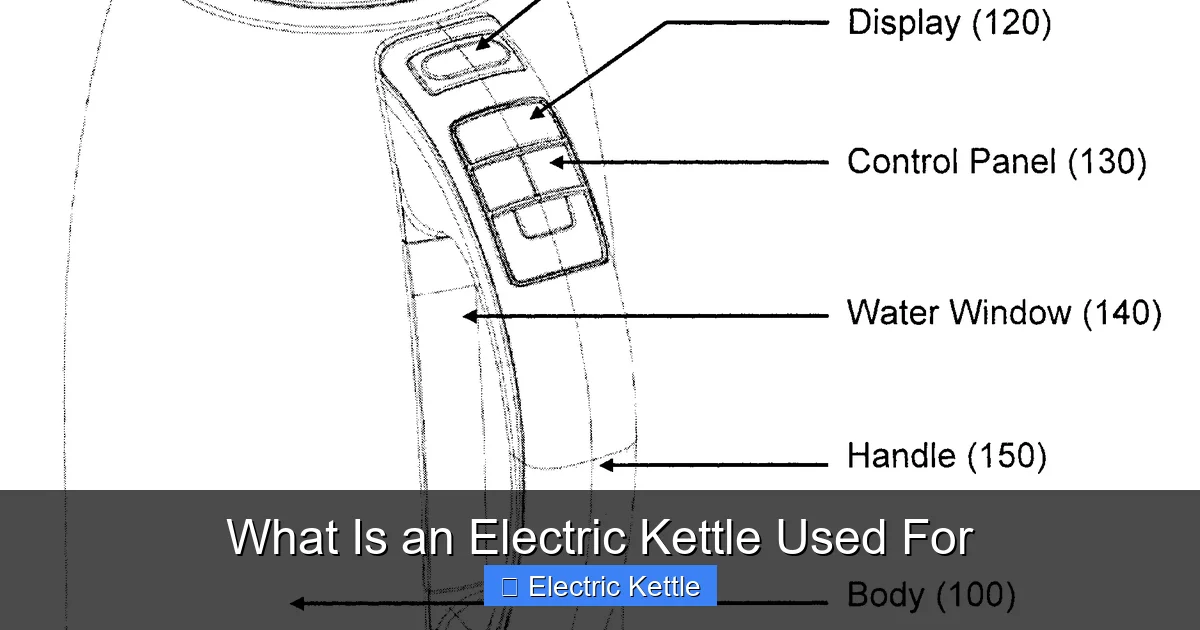
To understand what an electric kettle is used for, it helps to know how it works. At its core, an electric kettle is a straightforward device powered by electricity. When you fill it with water and turn it on, an internal heating element—usually located at the base—rapidly heats the water to boiling point. Most models use a concealed element, meaning it’s sealed beneath a stainless steel or plastic plate, which makes cleaning easier and reduces the risk of mineral buildup.
Visual guide about What Is an Electric Kettle Used For
Image source: patentimages.storage.googleapis.com
The Heating Process
The heating element in an electric kettle is typically made of metal and is designed to transfer heat efficiently to the water. When electricity flows through the element, it becomes hot, warming the surrounding water. Because the element is in direct contact with the water (even if concealed), heat transfer is fast and direct. This is why electric kettles can boil water in just a few minutes—often faster than a microwave or stovetop.
Automatic Shut-Off and Safety Features
One of the key advantages of electric kettles is their built-in safety mechanisms. Most models include an automatic shut-off feature that turns the kettle off once the water reaches boiling point. This prevents overheating, reduces energy waste, and lowers the risk of accidents. Many also have boil-dry protection, which stops the kettle from operating if there’s no water inside. Some advanced models even include lid locks, cool-touch exteriors, and anti-slip bases to enhance safety, especially in homes with children.
Temperature Control and Variable Settings
While basic electric kettles simply boil water, many modern versions offer variable temperature control. This feature allows you to select specific temperatures—like 160°F for green tea or 200°F for French press coffee. This precision ensures that delicate beverages aren’t over-steeped or burned, preserving flavor and aroma. Some high-end models even have digital displays, programmable timers, and keep-warm functions that maintain the water temperature for up to an hour.
Common Uses of an Electric Kettle
Now that we know how it works, let’s dive into the practical side: what is an electric kettle used for in everyday life? The answer is surprisingly broad. While it’s most commonly associated with making hot drinks, its utility extends into cooking, cleaning, and even health routines.
Brewing Tea and Coffee
The most obvious use of an electric kettle is for making tea and coffee. Whether you’re a black tea lover, a green tea enthusiast, or a coffee connoisseur, having hot water on demand makes the process faster and more consistent. For example, green tea tastes best when brewed at around 175°F, while black tea needs near-boiling water at 212°F. With a temperature-controlled kettle, you can get it just right every time.
For coffee, an electric kettle is perfect for pour-over methods like the Chemex or V60. These techniques require precise water temperature and a steady pour, which a gooseneck electric kettle can provide. Even instant coffee tastes better when made with freshly boiled water instead of microwaved or stale hot water.
Preparing Instant Meals and Snacks
Electric kettles are a lifesaver for quick meals. Instant noodles, oatmeal, couscous, and soup cups all require hot water—something an electric kettle delivers in minutes. Students, travelers, and busy professionals often rely on kettles to prepare meals in dorm rooms, hotel rooms, or office break areas where stovetops aren’t available.
For example, instead of waiting for a pot to boil on the stove, you can pour hot water directly into a bowl of instant ramen or oatmeal and have a meal ready in under five minutes. Some people even use electric kettles to rehydrate dried soups, mashed potatoes, or powdered drink mixes.
Cooking Small Portions
Believe it or not, an electric kettle can do more than just heat water—it can actually cook food. While it’s not a replacement for a full stove, it’s great for small-scale cooking tasks. You can use it to poach eggs, steam vegetables, or even cook rice in a pinch.
For instance, to poach an egg, simply bring water to a gentle boil in the kettle, then pour it into a heatproof bowl with a splash of vinegar. Crack in the egg and let it sit for a few minutes. For steaming, place chopped vegetables in a steamer basket over a bowl of hot water from the kettle. Cover and let steam for 5–10 minutes. It’s not gourmet cooking, but it works in a pinch—especially when you’re traveling or living in a small space.
Making Hot Beverages Beyond Tea and Coffee
An electric kettle isn’t just for tea and coffee. It’s also perfect for making hot chocolate, apple cider, herbal infusions, and even bone broth. Simply heat the water and mix in your ingredients. For hot chocolate, combine cocoa powder, sugar, and milk, then stir in hot water from the kettle. For herbal teas like chamomile or peppermint, the kettle provides the ideal temperature without over-steeping.
Some people even use electric kettles to make golden milk—a warm drink made with turmeric, ginger, milk, and spices. The quick heating ensures the flavors blend well without needing a stove.
Sanitizing and Cleaning
Another surprising use for an electric kettle is sanitizing small items. Boiling water can kill bacteria and germs, making the kettle useful for cleaning baby bottles, pacifiers, or kitchen tools. Simply fill the kettle, boil the water, and pour it over the items you want to sanitize. Let them sit for a few minutes, then rinse.
You can also use the kettle to clean itself. Regular descaling with vinegar and water helps remove mineral buildup, especially in areas with hard water. Just fill the kettle halfway with equal parts water and white vinegar, boil, let it sit for 30 minutes, then rinse thoroughly.
Benefits of Using an Electric Kettle
So why choose an electric kettle over a stovetop pot or microwave? The benefits are clear: speed, efficiency, safety, and convenience. Let’s break down why this appliance is worth the investment.
Speed and Efficiency
Electric kettles are significantly faster than stovetops. While a pot of water might take 8–10 minutes to boil on a gas or electric stove, an electric kettle can do it in 3–5 minutes, depending on the model and water volume. This is because the heating element is in direct contact with the water, minimizing heat loss.
They’re also more energy-efficient. Studies show that electric kettles use about 20–30% less energy than stovetops to boil the same amount of water. This means lower electricity bills and a smaller carbon footprint.
Safety Features
Safety is a major advantage. Unlike stovetops, where you might forget a pot and risk a fire, electric kettles shut off automatically. Many also have cool-touch handles and bases, reducing the risk of burns. The enclosed design means fewer spills and splashes, especially compared to open pots.
For families with kids or elderly users, these features provide peace of mind. You can boil water without constant supervision.
Convenience and Portability
Electric kettles are lightweight, compact, and often cordless. This makes them ideal for small spaces like dorm rooms, RVs, or office kitchens. You can take them on trips, use them in hotel rooms, or keep them on your desk for quick access.
Many models have a 360-degree swivel base, so you can place the kettle on its base from any angle. This is especially helpful in tight spaces or when your outlet is in an awkward spot.
Precision and Control
Advanced electric kettles offer temperature control, which is a game-changer for tea and coffee lovers. Instead of guessing whether the water is hot enough, you can select the exact temperature for your drink. This precision enhances flavor and prevents bitterness or under-extraction.
Some models even have memory functions that remember your last setting, so you don’t have to adjust it every time.
Easy to Clean and Maintain
Most electric kettles have smooth, non-stick interiors and removable limescale filters. This makes cleaning simple—just wipe the inside with a damp cloth and rinse the filter. Regular descaling keeps the kettle running efficiently and extends its lifespan.
Unlike stovetop kettles, which can develop mineral deposits on the exterior, electric models keep the heating element hidden, reducing buildup and making maintenance easier.
Choosing the Right Electric Kettle
With so many options on the market, how do you pick the right electric kettle? Here are some key factors to consider based on your needs and lifestyle.
Capacity
Electric kettles come in various sizes, typically ranging from 0.5 to 1.7 liters. A smaller kettle (0.5–1 liter) is great for individuals or small households, while larger models (1.5–1.7 liters) are better for families or offices. Consider how much water you typically need at once.
Material
Common materials include stainless steel, plastic, and glass. Stainless steel is durable, easy to clean, and doesn’t retain odors. Plastic is lightweight and affordable but may absorb smells over time. Glass kettles are stylish and let you see the water boil, but they’re more fragile.
Look for BPA-free materials if you’re concerned about chemicals leaching into your water.
Temperature Control
If you drink different types of tea or coffee, a variable temperature kettle is worth the investment. Basic models boil to 212°F, while advanced ones offer settings from 140°F to 212°F. Some even have presets for green tea, white tea, coffee, and more.
Gooseneck vs. Standard Spout
A gooseneck spout provides a slow, controlled pour, ideal for pour-over coffee. Standard spouts are better for general use, like making tea or instant meals. Choose based on your primary use.
Additional Features
Look for extras like keep-warm functions, digital displays, quiet operation, and cord storage. These features enhance convenience but may increase the price.
Budget
Electric kettles range from $20 to $150+. Basic models are affordable and functional, while high-end versions offer advanced features. Decide what’s most important to you and choose accordingly.
Tips for Maintaining Your Electric Kettle
To keep your electric kettle working well and lasting longer, regular maintenance is key. Here are some simple tips.
Descale Regularly
Mineral buildup from hard water can affect performance and taste. Descale your kettle every 1–2 months using a mixture of equal parts water and white vinegar. Boil, let it sit for 30 minutes, then rinse thoroughly.
Clean the Exterior
Wipe the outside with a damp cloth and mild detergent. Avoid submerging the base in water, as it contains electrical components.
Replace the Filter
If your kettle has a removable limescale filter, clean or replace it regularly. This prevents clogs and ensures clean-tasting water.
Avoid Overfilling
Never fill the kettle above the maximum line. Overfilling can cause water to spill into the base, damaging the electronics.
Store Properly
When not in use, store the kettle in a dry place with the lid open to prevent odors and mold.
Conclusion
So, what is an electric kettle used for? As we’ve seen, it’s much more than just a tea maker. From brewing the perfect cup of coffee to cooking quick meals and sanitizing items, this versatile appliance saves time, energy, and effort. Its speed, safety features, and convenience make it a must-have in homes, offices, and travel kits.
Whether you’re a student needing instant noodles at midnight, a tea lover seeking the ideal steep, or a busy parent making hot drinks on the go, an electric kettle simplifies your routine. With so many models available, there’s one to fit every need and budget. Invest in a quality electric kettle, and you’ll wonder how you ever lived without it.
Frequently Asked Questions
Can you cook food in an electric kettle?
Yes, you can cook small portions of food like eggs, oatmeal, or steamed vegetables using an electric kettle. While it’s not a full cooking appliance, it’s great for quick, simple meals when a stove isn’t available.
Is it safe to leave an electric kettle plugged in?
Yes, it’s generally safe to leave an electric kettle plugged in when not in use. Most models have auto shut-off and safety features that prevent overheating. However, unplugging it when not in use can save a small amount of standby power.
Can you use an electric kettle for baby formula?
Yes, electric kettles are safe for preparing baby formula. Boiling water kills bacteria, and many parents use kettles to heat water quickly and safely. Just ensure the kettle is clean and the water is cooled to the right temperature before mixing.
Do electric kettles use a lot of electricity?
No, electric kettles are energy-efficient. They use less power than stovetops and boil water faster, which reduces overall energy consumption. On average, boiling a liter of water uses about 0.1 kWh.
How often should you descale an electric kettle?
Descale your electric kettle every 1–2 months, or more often if you live in an area with hard water. Regular descaling prevents mineral buildup and keeps the kettle working efficiently.
Can you put milk in an electric kettle?
It’s not recommended to put milk directly in an electric kettle. Milk can scorch, stick to the heating element, and be difficult to clean. Instead, heat water in the kettle and then mix it with milk in a separate container.