An electric tea kettle is a modern kitchen appliance designed to quickly and efficiently boil water using electricity. Unlike stovetop kettles, it heats water automatically with built-in temperature controls, making it perfect for brewing tea, coffee, or instant meals with ease and precision.
Key Takeaways
- Fast and Efficient Heating: Electric tea kettles boil water significantly faster than stovetop methods, often in under 5 minutes.
- Built-in Temperature Control: Many models offer preset temperature settings for different beverages, ensuring optimal flavor extraction.
- Automatic Shut-Off Feature: Safety is enhanced with auto shut-off when water reaches boiling point or if the kettle runs dry.
- Energy-Saving Design: Electric kettles use less energy than boiling water on a stove, making them eco-friendly and cost-effective.
- Versatile and Convenient: Ideal for tea, coffee, oatmeal, instant soups, and even sterilizing baby bottles.
- Easy to Clean and Maintain: Most models have removable filters and smooth interiors for hassle-free cleaning.
- Modern Aesthetic Options: Available in various styles, materials, and colors to match any kitchen decor.
📑 Table of Contents
What Is an Electric Tea Kettle?
An electric tea kettle is a countertop appliance that uses electricity to heat water quickly and efficiently. Unlike traditional stovetop kettles that rely on gas or electric burners, electric kettles have a built-in heating element—usually concealed beneath the base of the kettle—that directly warms the water inside. This design allows for faster boiling times, greater energy efficiency, and enhanced safety features.
These appliances are especially popular among tea enthusiasts, busy professionals, and families who need hot water on demand. Whether you’re brewing a delicate green tea that requires a precise temperature or making a quick cup of instant coffee, an electric tea kettle delivers consistent results with minimal effort. Many modern models come with advanced features like variable temperature settings, keep-warm functions, and even Bluetooth connectivity for smart home integration.
How Does an Electric Tea Kettle Work?
At its core, an electric tea kettle operates on a simple principle: electrical resistance generates heat. When you plug in the kettle and fill it with water, the heating element—typically a coiled or flat metal plate at the bottom—gets energized. As electricity flows through the element, it resists the current, producing heat that transfers directly to the water.
Most electric kettles are designed with a thermostat that monitors the water temperature. Once the water reaches the desired level—whether it’s a rolling boil or a lower setting for green tea—the thermostat triggers an automatic shut-off mechanism. This not only prevents overheating but also saves energy and reduces the risk of accidents. Some high-end models even use advanced sensors to detect steam or temperature changes, ensuring precise control.
Key Components of an Electric Tea Kettle
Understanding the parts of an electric tea kettle helps explain how it functions so efficiently:
- Heating Element: The heart of the kettle, usually located at the base. It converts electrical energy into heat.
- Thermostat: Monitors water temperature and signals when to turn off the heating element.
- Water Level Indicator: A transparent window or markings on the side show how much water is inside, helping you avoid underfilling or overfilling.
- Lid and Spout: The lid allows you to fill and clean the kettle, while the spout is designed for smooth, drip-free pouring.
- Base and Cord: The kettle sits on a separate power base that connects to an outlet. Many models are cordless for easy handling.
- Filter: A mesh screen near the spout catches limescale and debris, ensuring cleaner water.
Types of Heating Elements
Not all electric kettles use the same type of heating technology. The two most common designs are:
- Concealed Heating Element: The heating coil is hidden beneath a smooth, flat base inside the kettle. This design is easier to clean and reduces mineral buildup, making it ideal for areas with hard water.
- Exposed Heating Element: The coil is visible inside the kettle. While these models are often less expensive, they can accumulate limescale more quickly and may require more frequent cleaning.
For most users, a concealed element is the better choice due to its durability and ease of maintenance.
Benefits of Using an Electric Tea Kettle
Switching from a stovetop kettle to an electric model offers a range of advantages that go beyond convenience. Let’s explore the top benefits that make electric tea kettles a smart addition to any kitchen.
Speed and Efficiency
One of the biggest selling points of electric tea kettles is their speed. Depending on the model and water volume, most can boil a full liter of water in 3 to 5 minutes—significantly faster than waiting for a stovetop kettle to heat up. This is especially helpful during busy mornings or when you’re in a rush to make tea or coffee.
The efficiency comes from direct heat transfer. Since the heating element is in contact with the water, there’s minimal energy loss. In contrast, stovetop kettles lose heat to the surrounding air and the stove surface, making them less energy-efficient.
Precise Temperature Control
Not all teas require boiling water. Green tea, for example, tastes best when brewed at around 160–180°F (70–80°C), while black tea needs near-boiling temperatures. Many electric kettles now feature adjustable temperature settings, allowing you to select the ideal heat level for your beverage.
This precision prevents over-extraction, which can make tea bitter, and ensures that delicate flavors are preserved. Some premium models even have preset programs for white, oolong, herbal, and black teas, taking the guesswork out of brewing.
Safety Features
Safety is a major advantage of electric kettles. Most models include:
- Auto Shut-Off: Turns off the kettle once water reaches boiling point or if it detects overheating.
- Boil-Dry Protection: Prevents the kettle from operating if there’s no water inside, reducing the risk of damage or fire.
- Cool-Touch Exterior: The outer body stays relatively cool, minimizing the chance of burns.
- Stable Base and Non-Slip Handle: Designed for secure handling and reduced tipping risk.
These features make electric kettles safer than stovetop versions, especially in households with children or elderly users.
Energy and Cost Savings
Electric kettles are more energy-efficient than stovetops because they heat water directly and shut off automatically. According to studies, they use up to 30% less energy than boiling water on a gas or electric stove. Over time, this translates to lower utility bills and a smaller carbon footprint.
Additionally, because they heat only the amount of water you need, you avoid wasting energy by boiling more than necessary—a common issue with stovetop kettles.
Versatility Beyond Tea
While designed for tea, electric kettles are incredibly versatile. They’re perfect for:
- Making instant coffee or hot chocolate
- Cooking instant noodles or oatmeal
- Preparing baby formula or sterilizing bottles
- Warming broth for soups or sauces
- Steeping herbal infusions for health benefits
Their quick heating makes them ideal for small kitchen tasks that require hot water without firing up the stove.
Types of Electric Tea Kettles
Electric tea kettles come in various styles and materials, each suited to different needs and preferences. Understanding the options helps you choose the right one for your lifestyle.
By Material
- Stainless Steel: Durable, rust-resistant, and retains heat well. Often has a sleek, modern look. Some models have a double-wall design for insulation.
- Glass: Allows you to see the water boiling, which can be satisfying and fun. However, glass is more fragile and may show water stains over time.
- Plastic: Lightweight and affordable, but can retain odors or degrade with heat. Look for BPA-free models if choosing plastic.
- Ceramic: Offers a classic, decorative appearance and excellent heat retention. Best for slow brewing and aesthetic appeal.
By Functionality
- Basic Models: Simple on/off operation with a single boiling function. Great for those who just need hot water quickly.
- Variable Temperature Kettles: Allow you to select specific temperatures for different beverages. Ideal for tea connoisseurs.
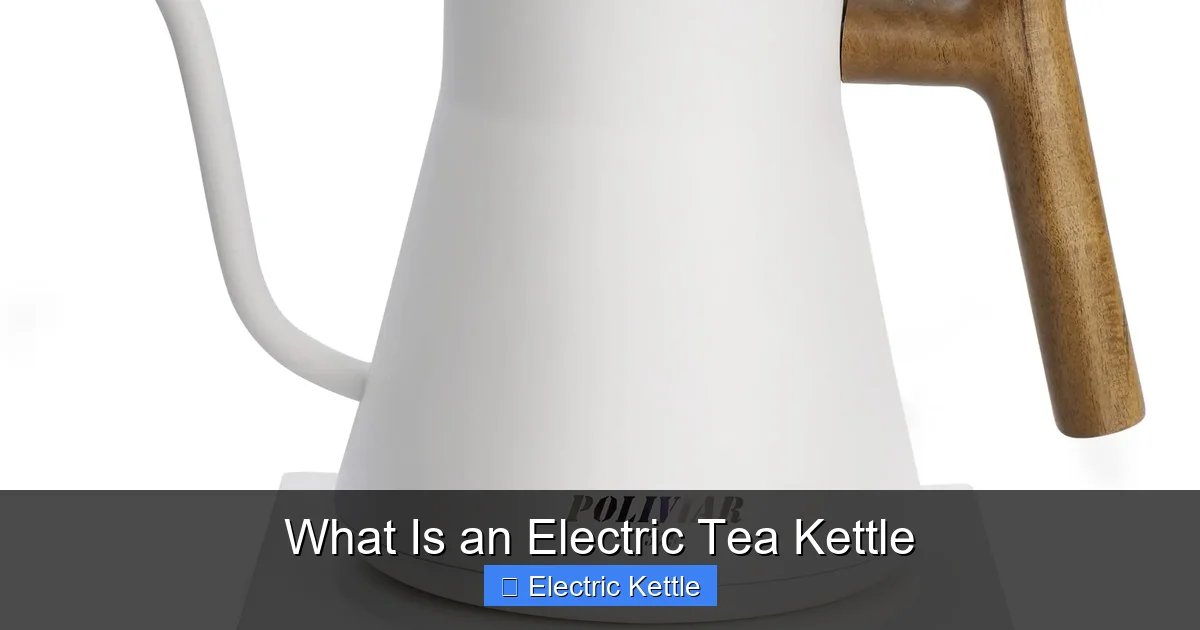
- Gooseneck Kettles: Feature a long, narrow spout for precise pouring. Perfect for pour-over coffee or delicate tea brewing.
- Smart Kettles: Connect to apps via Wi-Fi or Bluetooth, letting you control temperature and timing from your phone. Some even integrate with voice assistants like Alexa.
By Capacity
Electric kettles typically range from 0.5 to 1.7 liters. Smaller kettles (0.5–1L) are great for individuals or small households, while larger models (1.5–1.7L) suit families or frequent entertainers. Choose based on your daily water needs.
How to Choose the Right Electric Tea Kettle
With so many options available, selecting the perfect electric tea kettle can feel overwhelming. Here are key factors to consider:
1. Capacity
Think about how much hot water you typically use. A 1-liter kettle is sufficient for 2–3 cups, while a 1.7-liter model can serve a family of four. Avoid buying a kettle that’s too large—you’ll waste energy heating excess water.
2. Temperature Settings
If you drink a variety of teas, look for a kettle with multiple temperature presets. Basic models may only boil water, but advanced ones offer settings for green, white, oolong, and black teas.
3. Material and Build Quality
Stainless steel and glass are the most popular for durability and ease of cleaning. Avoid cheap plastic models that may leach chemicals when heated.
4. Safety Features
Ensure the kettle has auto shut-off, boil-dry protection, and a cool-touch handle. These features are non-negotiable for safe daily use.
5. Ease of Cleaning
Look for a kettle with a wide opening, removable filter, and smooth interior. Concealed heating elements are easier to clean than exposed ones.
6. Noise Level
Some kettles whistle or make loud boiling sounds. If you prefer quiet operation, check reviews for noise levels before buying.
7. Price and Warranty
Electric kettles range from $20 to $150+. Set a budget, but don’t sacrifice essential features for a lower price. A good warranty (1–3 years) offers peace of mind.
Tips for Using and Maintaining Your Electric Tea Kettle
To get the most out of your electric tea kettle and extend its lifespan, follow these practical tips:
Regular Cleaning
Mineral deposits from hard water can build up over time, affecting performance and taste. Clean your kettle monthly:
- Fill it halfway with equal parts water and white vinegar.
- Boil the solution, let it sit for 15–20 minutes, then rinse thoroughly.
- For stubborn stains, use a soft brush or cloth.
Descale When Needed
If you notice reduced heating speed or a metallic taste, it’s time to descale. Use commercial descaling solutions or repeat the vinegar method.
Avoid Overfilling
Always stay within the minimum and maximum water levels. Overfilling can cause spills; underfilling may trigger boil-dry protection.
Store Properly
Keep the kettle unplugged and dry when not in use. Store it on its base or separately, depending on the model.
Use Filtered Water
Filtered water reduces limescale buildup and improves the taste of your tea and coffee.
Don’t Heat Empty
Never turn on the kettle without water—it can damage the heating element and pose a fire risk.
Common Myths About Electric Tea Kettles
Despite their popularity, several myths surround electric tea kettles. Let’s clear them up:
Myth 1: They Use Too Much Electricity
Reality: Electric kettles are actually more energy-efficient than stovetops. They heat water faster and use only the energy needed, reducing waste.
Visual guide about What Is an Electric Tea Kettle
Image source: m.media-amazon.com
Myth 2: They Make Water Taste Metallic
Reality: High-quality kettles with stainless steel or glass interiors don’t affect taste. Metallic flavors usually come from low-quality materials or mineral buildup.
Myth 3: They’re Only for Tea
Reality: While great for tea, electric kettles are versatile tools for coffee, cooking, and even household tasks like sanitizing.
Myth 4: They’re Hard to Clean
Reality: Most modern kettles are designed for easy cleaning. Regular maintenance keeps them in top condition.
Myth 5: All Kettles Boil at the Same Temperature
Reality: Water boils at 212°F (100°C) at sea level, but altitude affects this. However, variable-temperature kettles allow precise control below boiling.
Conclusion
An electric tea kettle is more than just a convenient way to boil water—it’s a smart, efficient, and versatile kitchen essential. Whether you’re a tea lover seeking the perfect brew or a busy parent needing hot water in seconds, this appliance delivers speed, safety, and precision. With features like temperature control, auto shut-off, and energy efficiency, it outperforms traditional stovetop methods in nearly every way.
When choosing a model, consider your needs: capacity, material, temperature settings, and safety features. With proper care and maintenance, a quality electric tea kettle can serve you well for years. So, if you haven’t made the switch yet, now is the perfect time to embrace the modern convenience of an electric tea kettle. Your morning tea—and your kitchen—will thank you.
Frequently Asked Questions
How fast does an electric tea kettle boil water?
Most electric tea kettles can boil a full liter of water in 3 to 5 minutes, depending on the model and power rating. This is significantly faster than stovetop kettles, which can take 8–10 minutes.
Can I use an electric kettle for coffee?
Yes! Electric kettles are excellent for making coffee, especially pour-over or French press styles. Some models even have specific temperature settings optimized for coffee brewing.
Are electric kettles safe to leave unattended?
Yes, as long as they have auto shut-off and boil-dry protection. These safety features turn off the kettle when water reaches boiling point or if it runs dry, reducing fire and damage risks.
Do electric kettles use more electricity than stovetops?
No, they’re actually more energy-efficient. Electric kettles heat water directly and shut off automatically, using up to 30% less energy than boiling water on a stove.
How often should I clean my electric tea kettle?
Clean it monthly to remove mineral buildup, especially if you have hard water. Use a vinegar-water solution or a commercial descaling product for best results.
Can I boil milk or other liquids in an electric kettle?
It’s not recommended. Most electric kettles are designed for water only. Boiling milk can cause scorching, damage the heating element, and void the warranty.