Choosing the best electric kettle means balancing speed, safety, durability, and design. Whether you’re brewing tea, making coffee, or heating water for instant meals, the right electric kettle can make all the difference. This guide breaks down everything you need to know to pick the perfect one for your needs.
Imagine this: It’s 7 a.m., you’re half-awake, and all you want is a hot cup of coffee or tea to kickstart your day. You fill your old stovetop kettle, wait what feels like forever, and finally hear that familiar whistle. But what if you could skip the wait? What if your water boiled in under four minutes—quietly, safely, and with the push of a button? That’s the magic of the modern electric kettle.
Electric kettles have come a long way from their basic, clunky predecessors. Today’s models are sleek, smart, and packed with features that make boiling water faster, safer, and more convenient than ever. Whether you’re a tea enthusiast, a coffee lover, or just someone who values efficiency in the kitchen, finding the best electric kettle can transform your daily routine. But with so many options on the market—ranging from budget-friendly basics to high-tech marvels—how do you know which one is right for you?
In this guide, we’ll walk you through everything you need to know to answer the question: what is the best electric kettle? We’ll explore key features, compare popular models, and share practical tips to help you make an informed decision. By the end, you’ll know exactly what to look for—and why investing in a quality electric kettle is one of the smartest kitchen upgrades you can make.
Key Takeaways
- Speed matters: The best electric kettles boil water in 3–5 minutes, saving time during busy mornings.
- Material impacts taste and safety: Stainless steel and borosilicate glass are top choices for durability and clean flavor.
- Temperature control is a game-changer: Variable temperature settings let you brew delicate teas or French press coffee perfectly.
- Safety features are non-negotiable: Look for auto shut-off, boil-dry protection, and cool-touch handles.
- Capacity should match your lifestyle: 1–1.7 liters is ideal for most households; larger families may need more.
- Ease of cleaning extends lifespan: Removable filters and wide openings make maintenance simple.
- Design and noise level affect daily use: Sleek, quiet kettles enhance your kitchen experience.
📑 Table of Contents
Why Choose an Electric Kettle Over a Stovetop?
Let’s be honest: stovetop kettles have charm. There’s something nostalgic about the whistle, the steam, the ritual. But when it comes to practicality, electric kettles win hands down. They’re faster, safer, and more energy-efficient. Here’s why making the switch is worth it.
Speed and Efficiency
The biggest advantage of an electric kettle is speed. Most models can boil a full liter of water in just 3 to 5 minutes—sometimes even less. Compare that to a stovetop kettle, which can take 8–10 minutes depending on your stove type. That’s a huge time saver, especially during rushed mornings or when you’re hosting guests.
Electric kettles are also more energy-efficient. They heat water directly using an internal heating element, minimizing heat loss. Stovetop kettles lose heat to the air and the stove surface, wasting energy. In fact, studies show electric kettles use up to 30% less energy to boil the same amount of water.
Safety Features
Safety is another major benefit. The best electric kettles come with built-in protections like auto shut-off, which turns the kettle off once the water reaches boiling point. This prevents overheating and reduces the risk of fire or burns. Many also include boil-dry protection, which stops the kettle if it’s turned on without water—a common cause of damage in stovetop models.
Cool-touch exteriors and ergonomic handles add another layer of safety, especially in homes with kids or elderly users. You can pour hot water without worrying about scalding your hands.
Convenience and Consistency
Electric kettles offer unmatched convenience. Fill it, press a button, and walk away. No need to monitor the stove or listen for a whistle. Some models even have keep-warm functions that maintain your water at the ideal temperature for up to an hour.
They also deliver consistent results. Unlike stovetop kettles, which can vary in heating time based on stove power, electric kettles heat water evenly and predictably. This is especially important for precision brewing, like pour-over coffee or green tea, where water temperature matters.
Key Features to Look for in the Best Electric Kettle
Not all electric kettles are created equal. To find the best electric kettle for your needs, focus on these essential features. Each one plays a role in performance, safety, and long-term satisfaction.
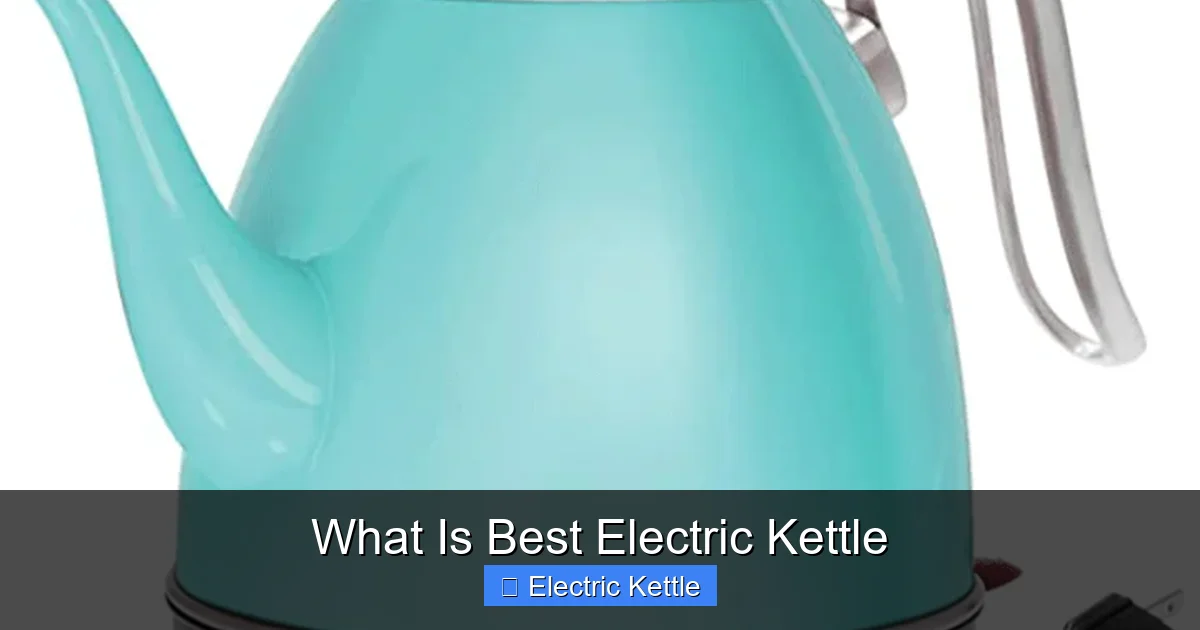
Visual guide about What Is Best Electric Kettle
Image source: publish.purewow.net
Heating Speed and Power
Look for a kettle with a power rating between 1500W and 3000W. Higher wattage means faster boiling. For example, a 3000W kettle can boil 1 liter of water in under 3 minutes, while a 1500W model might take closer to 5. If speed is a priority—say, you’re making multiple cups of tea throughout the day—opt for a higher wattage.
But don’t sacrifice efficiency for speed. Some high-wattage kettles consume more electricity, so check energy ratings if you’re eco-conscious. Many modern models balance power and efficiency well.
Temperature Control
This is a game-changer for serious brewers. The best electric kettles offer variable temperature settings, allowing you to select the perfect heat for different beverages. Green tea, for instance, brews best at 160–180°F (70–80°C), while French press coffee needs near-boiling water at 200°F (93°C).
Models with digital displays let you choose precise temperatures, often in 5–10°F increments. Some even have preset buttons for common drinks like “white tea,” “coffee,” or “oolong.” If you’re passionate about tea or coffee, this feature is worth the investment.
Material and Build Quality
The material of your kettle affects taste, durability, and safety. Here are the top options:
- Stainless steel: Durable, rust-resistant, and doesn’t retain odors. Look for food-grade 304 stainless steel, which is safe and long-lasting. Some models have an interior coating to prevent metallic taste.
- Borosilicate glass: Transparent and elegant, glass kettles let you watch the water boil. They’re non-reactive and won’t alter flavor, but they’re more fragile than metal. Choose reinforced glass for added durability.
- Plastic: Lightweight and affordable, but lower-quality plastics can leach chemicals or impart a taste. If you choose plastic, make sure it’s BPA-free and food-safe.
- Copper: Rare and expensive, copper kettles offer excellent heat conduction but require regular polishing and can react with acidic liquids.
For most users, stainless steel or glass are the best choices—durable, safe, and great-tasting.
Capacity and Size
Electric kettles typically range from 0.5 to 2 liters. For a single person or couple, a 1-liter kettle is usually sufficient. Families or frequent entertainers may prefer 1.5 to 1.7 liters. Larger kettles take up more counter space and take longer to boil, so don’t go bigger than you need.
Also consider the kettle’s footprint. Some models are compact and ideal for small kitchens or dorm rooms. Others have a wider base for stability but take up more room.
Safety and Smart Features
Safety should never be an afterthought. The best electric kettles include:
- Auto shut-off: Turns off when water boils.
- Boil-dry protection: Prevents operation if the kettle is empty.
- Cool-touch handle and base: Reduces burn risk.
- Non-slip base: Keeps the kettle stable on countertops.
- Lid lock: Prevents spills during pouring.
Smart features like LED indicators, keep-warm functions, and programmable timers add convenience. Some high-end models even connect to apps for remote control—though these are more novelty than necessity for most users.
Top Electric Kettle Materials Compared
Choosing the right material is crucial for performance and longevity. Let’s break down the pros and cons of each option so you can decide what’s best for your kitchen.
Stainless Steel: The All-Around Winner
Stainless steel is the most popular choice for a reason. It’s tough, easy to clean, and resistant to rust and stains. High-quality models use 304-grade stainless steel, which is food-safe and won’t leach harmful substances.
One concern with stainless steel is taste. Some users report a metallic flavor, especially with cheaper models. To avoid this, look for kettles with a smooth, non-reactive interior or a ceramic or glass lining. Brands like Breville and Cuisinart often include these features.
Stainless steel kettles also retain heat well, so your water stays warm longer after boiling. They’re ideal for busy households or offices where multiple cups are made in succession.
Glass: Beauty and Purity
Glass kettles are a favorite among tea lovers. They’re non-porous, so they won’t absorb odors or flavors from previous uses. This ensures every cup tastes fresh and pure.
The transparency is another perk. You can watch the water heat up, see bubbles form, and monitor the boiling process—something that’s both satisfying and practical. It’s also easier to spot limescale buildup, so you know when it’s time to clean.
However, glass is fragile. Dropping it or exposing it to sudden temperature changes can cause cracks or shattering. If you choose glass, opt for borosilicate, which is more resistant to thermal shock than regular glass.
Plastic: Budget-Friendly but Risky
Plastic kettles are lightweight and inexpensive, making them a common choice for students or travelers. But they come with downsides.
Low-quality plastics can release chemicals like BPA when heated, especially over time. Even BPA-free plastics may degrade with repeated use. They’re also more prone to scratches and stains, which can harbor bacteria.
If you must go plastic, choose a model labeled “food-grade” and “BPA-free.” Still, for daily use, stainless steel or glass is a safer, longer-lasting investment.
Copper: The Luxury Option
Copper kettles are stunning and conduct heat exceptionally well. They heat up quickly and evenly, making them a favorite among professional chefs.
But they’re high-maintenance. Copper tarnishes easily and requires regular polishing to maintain its shine. It can also react with acidic liquids like lemon water, potentially leaching copper into your drink. For safety, most copper kettles have a stainless steel or tin lining.
Due to their cost and upkeep, copper kettles are best suited for collectors or those who value aesthetics over practicality.
Best Electric Kettles by Category
Now that you know what to look for, let’s explore some of the best electric kettles on the market, broken down by category. These models stand out for their performance, features, and user reviews.
Best Overall: Breville BKE820XL IQ Electric Kettle
The Breville IQ is a top pick for its blend of speed, precision, and build quality. It features a 1500W heating element, variable temperature control (from 140°F to 212°F), and a keep-warm function that maintains temperature for 20 minutes. The stainless steel interior ensures clean taste, and the LCD display makes it easy to select settings.
It’s quiet, heats quickly, and has a 1.7-liter capacity—perfect for families. The only downside? It’s on the pricier side. But if you want the best electric kettle for serious brewing, this is it.
Best Budget: Hamilton Beach 40880 Electric Kettle
For under $30, the Hamilton Beach 40880 delivers impressive value. It boils water in under 5 minutes, has a 1.7-liter capacity, and includes auto shut-off and boil-dry protection. The stainless steel interior resists odors, and the wide opening makes cleaning easy.
It lacks temperature control, so it’s not ideal for delicate teas. But for basic boiling—coffee, instant noodles, or hot water bottles—it’s reliable and affordable.
Best for Tea Lovers: Fellow Stagg EKG Electric Pour-Over Kettle
The Fellow Stagg EKG is a favorite among tea and coffee enthusiasts. It offers precise temperature control (in 1°F increments), a gooseneck spout for controlled pouring, and a sleek design available in multiple colors.
It’s perfect for pour-over coffee, matcha, or any brew that requires accuracy. The only catch? It’s small (0.9 liters) and expensive. But if precision is your priority, it’s worth every penny.
Best Glass Kettle: OXO Brew Classic Electric Glass Kettle
The OXO Brew combines elegance with functionality. Its borosilicate glass body is durable and non-reactive, while the stainless steel base adds stability. It has a 1.7-liter capacity, auto shut-off, and a removable mesh filter to catch impurities.
The LED light illuminates the kettle when heating, adding a nice touch. It’s a great choice if you want a beautiful, high-performing glass kettle without breaking the bank.
Best Smart Kettle: Smarter iKettle 3.0
The Smarter iKettle connects to your smartphone via Wi-Fi, letting you boil water remotely, set timers, and choose temperatures from your phone. It’s fun, futuristic, and great for tech lovers.
But it’s pricey, and the app can be glitchy. For most users, the added cost isn’t justified. Still, if you love smart home gadgets, it’s a unique option.
How to Maintain Your Electric Kettle
Even the best electric kettle needs care to last. With regular maintenance, you can prevent limescale buildup, extend its lifespan, and keep your water tasting fresh.
Cleaning Tips
Limescale is the enemy of electric kettles. It forms when hard water is heated repeatedly, leaving chalky deposits on the heating element and interior. Over time, this reduces efficiency and can affect taste.
To clean, mix equal parts water and white vinegar. Fill the kettle, let it sit for 30–60 minutes, then boil and discard the solution. Rinse thoroughly with clean water. For tough buildup, repeat or use a commercial descaling solution.
Wipe the exterior with a damp cloth. Avoid submerging the base or handle in water—most kettles aren’t waterproof.
Filter Maintenance
Many kettles have removable mesh filters to trap sediment and minerals. Check yours regularly and rinse it under running water. If it’s clogged, soak it in vinegar or replace it if necessary.
Storage and Usage
Always empty the kettle after use to prevent mineral buildup. Store it with the lid open to allow airflow and reduce odors. Avoid using abrasive cleaners or steel wool, which can scratch the interior.
With proper care, your electric kettle can last 5–10 years—or even longer.
Final Thoughts: What Is the Best Electric Kettle for You?
So, what is the best electric kettle? The answer depends on your needs, budget, and lifestyle. If you want speed and simplicity, a basic stainless steel model like the Hamilton Beach 40880 is a great start. For precision brewing, the Breville IQ or Fellow Stagg EKG are unmatched. And if you love the look of glass, the OXO Brew offers beauty and performance.
Ultimately, the best electric kettle is one that fits seamlessly into your routine—boiling water quickly, safely, and without hassle. It should feel good to use, look nice on your counter, and deliver great-tasting water every time.
Investing in a quality electric kettle isn’t just about convenience. It’s about enhancing your daily rituals, whether that’s a quiet morning tea or a quick cup of coffee before work. With the right model, you’ll wonder how you ever lived without it.
Frequently Asked Questions
What is the best electric kettle for hard water?
The best electric kettle for hard water is one with a removable filter and easy cleaning access. Stainless steel models like the Breville IQ or OXO Brew are ideal because they resist limescale and include filters to catch minerals. Regular descaling with vinegar also helps maintain performance.
Can I boil milk in an electric kettle?
No, you should never boil milk in an electric kettle. Most kettles aren’t designed for dairy, and milk can scorch, stick to the heating element, and cause damage. It can also create a fire hazard. Use a stovetop or microwave-safe container instead.
Are electric kettles safe to leave plugged in?
Yes, it’s generally safe to leave an electric kettle plugged in, as long as it has auto shut-off and boil-dry protection. These features prevent overheating and reduce fire risk. However, unplugging it when not in use saves energy and adds an extra layer of safety.
How long do electric kettles last?
With proper care, most electric kettles last 5–10 years. High-quality models with stainless steel interiors and good maintenance can last even longer. Signs it’s time to replace include slow heating, leaks, or a damaged cord.
Do electric kettles use a lot of electricity?
Electric kettles are actually energy-efficient. They use about 0.1–0.2 kWh per boil, which costs just a few cents. They’re more efficient than stovetop kettles because they heat water directly with minimal waste.
Can I use an electric kettle for baby formula?
Yes, electric kettles are safe for preparing baby formula. Boil water to sterilize it, then let it cool to the recommended temperature (usually around 158°F or 70°C) before mixing. Some kettles have temperature control, making this process easier and safer.