A cordless electric kettle is a modern kitchen appliance that heats water quickly without being tethered to a power outlet during use. It features a detachable base with a built-in heating element, allowing the kettle to be lifted and poured freely—making it safer, more convenient, and ideal for everyday tasks like brewing tea or preparing instant meals.
If you’ve ever stood over a whistling stovetop kettle, waiting impatiently for water to boil while juggling breakfast prep or rushing to make your morning coffee, you’ll appreciate the simplicity and speed of a cordless electric kettle. These sleek, modern appliances have revolutionized how we heat water—offering convenience, safety, and efficiency in one compact device. Unlike traditional kettles that stay plugged into the wall or sit on a hot stove, a cordless electric kettle lifts right off its base, giving you total freedom to pour hot water wherever you need it.
But what exactly makes a cordless electric kettle different? At first glance, it might look like any other electric kettle, but the magic lies in its detachable design. The kettle itself sits on a separate power base connected to an electrical outlet. Once the water reaches boiling point, you can lift the kettle off the base—no cords, no hassle—and pour directly into your cup, teapot, or cooking pot. This simple yet brilliant feature eliminates tangled cords, reduces clutter, and minimizes the risk of accidental spills or burns. Whether you’re making a quick cup of herbal tea, preparing instant oatmeal, or sterilizing baby bottles, a cordless electric kettle makes the process smoother, faster, and safer.
Key Takeaways
- Understanding what is cordless electric kettle: Provides essential knowledge
📑 Table of Contents
How Does a Cordless Electric Kettle Work?
At its core, a cordless electric kettle operates on the same principle as a standard electric kettle: it uses an internal heating element to convert electrical energy into heat, rapidly raising the temperature of water. However, the “cordless” aspect refers not to being battery-powered (they still need to be plugged in), but to the fact that the kettle itself is not physically tethered to the power source during use. This is made possible by a clever design involving a detachable base and a 360-degree rotational connector.
The Detachable Base and Power Connection
The power base is where the magic begins. It contains the electrical components and plugs directly into a wall outlet. The kettle sits securely on this base, which features a central contact point—often a circular or pin-style connector—that completes the circuit when the kettle is placed down. This allows electricity to flow from the base into the kettle’s heating element without any visible wires running from the kettle itself. Once the water is heated, you simply lift the kettle off the base. The connection breaks instantly, and the kettle becomes completely portable.
This 360-degree swivel base is a key feature. It allows you to place the kettle on the base in any direction—no need to align it perfectly. This is especially helpful in busy kitchens where counter space is tight or when multiple people are using the appliance. The swivel design also reduces strain on the internal wiring, increasing the kettle’s lifespan.
Heating Mechanism and Speed
Inside the kettle, a concealed or exposed heating element—usually made of stainless steel or another durable alloy—rapidly heats the water. Most cordless electric kettles operate at power ratings between 1200 and 1800 watts, allowing them to boil a full liter of water in just 3 to 5 minutes. That’s significantly faster than a stovetop kettle, which can take 8–10 minutes depending on the heat source.
Some advanced models use rapid-boil technology or optimized heating coils to maximize efficiency. For example, certain kettles feature a double-wall design or vacuum insulation to retain heat longer, reducing the need to reheat water frequently. Others include variable temperature settings, allowing you to heat water to specific temperatures ideal for different types of tea or coffee—like 175°F for green tea or 200°F for black tea.
Automatic Shut-Off and Safety Mechanisms
One of the biggest advantages of cordless electric kettles is their built-in safety features. Once the water reaches boiling point (or the preset temperature), the kettle automatically shuts off. This prevents overheating, reduces energy waste, and eliminates the risk of boiling dry—a common hazard with stovetop kettles.
Many models also include boil-dry protection, which detects when there’s insufficient water in the kettle and cuts power before damage occurs. Additionally, the exterior of most cordless kettles remains cool to the touch, thanks to insulated handles and double-walled bodies. This makes them safer to handle, especially in households with children or elderly users.
Key Features of Cordless Electric Kettles
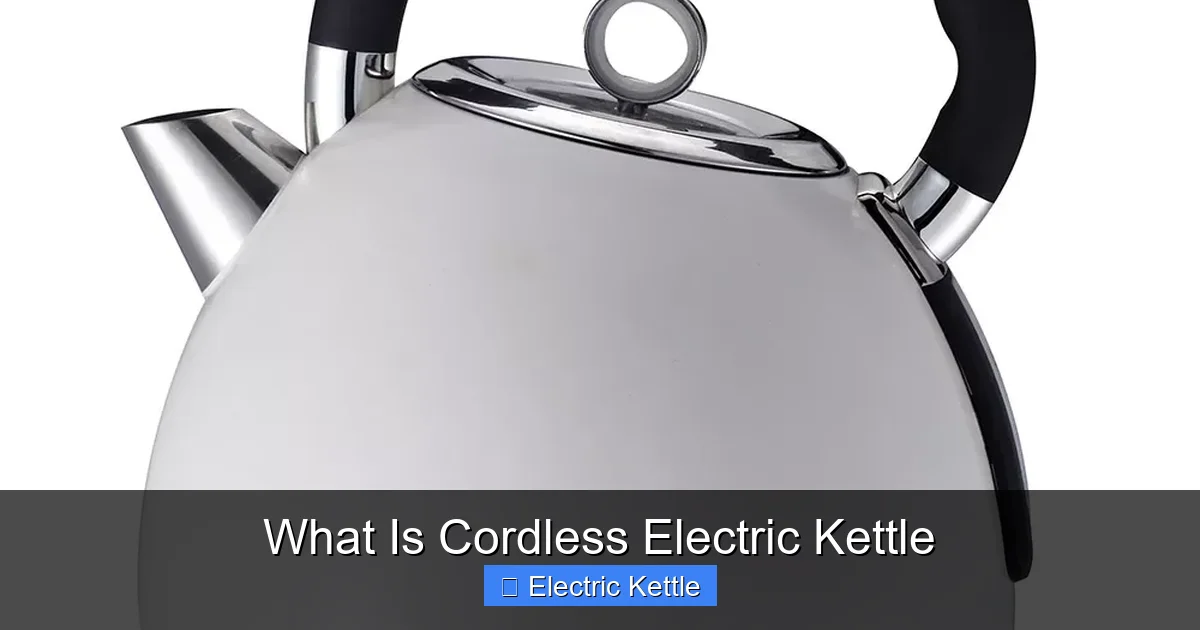
Visual guide about What Is Cordless Electric Kettle
Image source: irrorwxhiqijjr5q.ldycdn.com
When shopping for a cordless electric kettle, you’ll notice a range of features designed to enhance performance, safety, and user experience. Understanding these features can help you choose the right model for your needs.
Temperature Control and Preset Settings
Not all hot water needs to be boiling. Different beverages require different temperatures for optimal flavor extraction. Green tea, for instance, can become bitter if brewed with water that’s too hot, while French press coffee benefits from near-boiling water. Many modern cordless electric kettles come with variable temperature control, allowing you to select precise heat levels—typically ranging from 140°F to 212°F (60°C to 100°C).
Some high-end models offer preset programs for common drinks: one button for green tea, another for white tea, and a third for coffee. These settings not only simplify the brewing process but also help preserve the delicate flavors of your favorite beverages. For example, the Breville BKE820XL Smart Kettle features five preset temperature settings and a keep-warm function that maintains the water temperature for up to 60 minutes.
Capacity and Size Options
Cordless electric kettles come in various sizes to suit different households and usage needs. Common capacities range from 0.5 liters (ideal for individuals or travel) to 1.7 liters (perfect for families or office settings). A 1-liter kettle is a popular middle ground, offering enough water for 3–4 cups without taking up too much counter space.
When choosing a capacity, consider how often you’ll use the kettle and how many people you typically serve. If you’re a solo tea drinker who only needs one cup at a time, a smaller kettle may suffice. But if you’re preparing multiple servings or using the kettle for cooking tasks like making pasta or instant soup, a larger capacity will save you time.
Material Choices: Glass, Stainless Steel, and Plastic
The material of your kettle affects not only its appearance but also its durability, taste, and maintenance requirements.
– Stainless Steel: Durable, rust-resistant, and retains heat well. It doesn’t impart any flavor to the water, making it ideal for pure-tasting tea and coffee. However, it can be heavier and more expensive than other materials.
– Glass: Offers a sleek, modern look and allows you to see the water level and boiling process. High-quality borosilicate glass is heat-resistant and shatterproof. However, it’s more fragile and can show water stains or limescale buildup.
– Plastic: Lightweight and affordable, but lower-quality plastics may leach chemicals into the water when heated. Look for BPA-free, food-grade plastic if choosing this option.
Many premium kettles combine materials—such as a stainless steel interior with a glass exterior—to balance aesthetics and performance.
Keep-Warm Function and Insulation
Some cordless electric kettles include a keep-warm feature that maintains the water at a desired temperature after boiling. This is especially useful if you’re preparing multiple cups of tea or need hot water on demand over a period of time. The kettle gently reheats the water as it cools, ensuring it stays ready for use.
Insulated models take this a step further by using double walls or vacuum sealing to retain heat longer—sometimes for up to an hour. This reduces the need for repeated boiling, saving energy and time.
Benefits of Using a Cordless Electric Kettle
Switching to a cordless electric kettle offers a host of advantages that go beyond mere convenience. From energy savings to improved safety, these appliances are designed to make daily tasks easier and more efficient.
Speed and Efficiency
Time is precious, and cordless electric kettles deliver hot water faster than almost any other method. While a stovetop kettle might take 8–10 minutes to boil, an electric kettle can do it in half the time. This speed is especially valuable during busy mornings or when you’re in a rush.
Moreover, electric kettles are more energy-efficient than stovetops or microwaves. They heat only the water you need, minimizing waste. Studies show that electric kettles use up to 50% less energy than stovetops for the same amount of water, making them a greener choice for eco-conscious households.
Enhanced Safety
Safety is a major selling point for cordless electric kettles. The automatic shut-off feature prevents overheating and reduces the risk of fire or burns. Unlike stovetop kettles, which can be left unattended and forgotten, electric kettles turn off the moment boiling is complete.
The cordless design also reduces tripping hazards. With no cord running from the kettle to the outlet, there’s less clutter on your countertop and fewer chances of accidentally pulling the kettle off the edge. The cool-touch handles and insulated bodies further protect users from burns, even when the water inside is scalding hot.
Convenience and Portability
The ability to lift and pour the kettle without being tethered to a cord is a game-changer. Whether you’re pouring water into a French press across the counter or filling a thermos for a picnic, the freedom of movement is unmatched. This portability also makes cordless kettles ideal for small spaces like dorm rooms, RVs, or office break rooms.
Many models are lightweight and compact, fitting easily into cabinets or on narrow countertops. Some even come with cord storage compartments in the base, keeping your kitchen tidy when the kettle is not in use.
Versatility in Use
A cordless electric kettle isn’t just for tea and coffee. It’s a multi-purpose tool that can simplify a variety of kitchen tasks:
– Preparing instant noodles, oatmeal, or soup
– Sterilizing baby bottles and pacifiers
– Making hot water bottles for warmth
– Dissolving honey, sugar, or powdered drinks
– Cleaning with hot water for sanitizing surfaces
With variable temperature settings, you can even use it for delicate tasks like blooming yeast for bread or warming milk for lattes.
Choosing the Right Cordless Electric Kettle
With so many options on the market, selecting the best cordless electric kettle can feel overwhelming. Here are some practical tips to help you make an informed decision.
Assess Your Needs
Start by thinking about how you’ll use the kettle. Are you a tea enthusiast who needs precise temperature control? Do you live alone or with a large family? Do you have limited counter space? Answering these questions will help narrow down your choices.
For example, if you’re a coffee lover, look for a kettle with a gooseneck spout for controlled pouring—ideal for pour-over brewing. If you’re often on the go, a compact, lightweight model with a travel-friendly design might be best.
Check Power and Performance
Higher wattage generally means faster boiling. Look for kettles with at least 1500 watts for quick results. However, if you’re concerned about energy consumption, some models offer eco-modes that use less power while still heating efficiently.
Also, consider noise level. Some kettles are nearly silent, while others make a noticeable humming or clicking sound during operation. If you’re sensitive to noise, read reviews or look for models marketed as “quiet boil.”
Read Reviews and Compare Brands
Customer reviews can provide valuable insights into real-world performance. Look for feedback on durability, ease of cleaning, and reliability of safety features. Trusted brands like Cuisinart, Hamilton Beach, OXO, and Mueller offer reliable, well-designed kettles with strong customer support.
Pay attention to warranty length—most quality kettles come with a 1–2 year warranty, which reflects the manufacturer’s confidence in the product.
Consider Maintenance and Cleaning
Over time, mineral deposits from hard water can build up inside your kettle, affecting performance and taste. Look for models with removable limescale filters and smooth, easy-to-clean interiors. Some kettles even have self-cleaning functions or indicators that alert you when descaling is needed.
Regular maintenance—such as wiping the exterior, cleaning the filter, and descaling monthly—will keep your kettle in top condition and extend its lifespan.
Caring for Your Cordless Electric Kettle
Proper care ensures your kettle remains safe, efficient, and long-lasting. Here’s how to keep it in great shape.
Regular Cleaning and Descaling
Even with filtered water, mineral buildup is inevitable. To descale your kettle, fill it halfway with equal parts water and white vinegar, let it sit for 30 minutes, then boil and discard the solution. Rinse thoroughly with clean water and boil once more to remove any vinegar taste.
For daily cleaning, wipe the exterior with a damp cloth and avoid submerging the base in water. Never use abrasive cleaners or steel wool, which can scratch surfaces.
Avoiding Common Mistakes
– Don’t overfill the kettle—most have max fill lines to prevent spills and ensure proper heating.
– Never operate the kettle without water, as this can damage the heating element.
– Avoid using the kettle to heat liquids other than water unless specified by the manufacturer (e.g., some models allow milk or broth).
– Unplug the base when not in use to save energy and reduce wear.
Storing Your Kettle
When storing, make sure the kettle is completely dry to prevent mold or rust. Store it on its base with the cord wrapped neatly underneath. If you’re putting it in a cabinet, ensure there’s enough space for the handle and spout.
Conclusion
A cordless electric kettle is more than just a kitchen gadget—it’s a practical, efficient, and safe tool that simplifies daily routines. With its detachable design, rapid heating, and smart safety features, it outperforms traditional methods in nearly every way. Whether you’re brewing the perfect cup of tea, preparing a quick meal, or sterilizing baby items, this appliance delivers convenience and reliability.
From energy savings to enhanced safety and versatility, the benefits are clear. And with a wide range of styles, sizes, and features available, there’s a cordless electric kettle to suit every lifestyle and kitchen. Investing in one means investing in time, comfort, and peace of mind. So the next time you’re waiting for water to boil, ask yourself: why not make it effortless?
Frequently Asked Questions
Is a cordless electric kettle really cordless?
No, it’s not battery-powered. The term “cordless” refers to the kettle being detachable from its power base. The base plugs into an outlet, but the kettle itself can be lifted and poured without any cords attached.
Can I use a cordless electric kettle for purposes other than boiling water?
Yes, but with caution. While it’s great for heating water for tea, coffee, or instant meals, avoid using it for milk, soup, or other liquids unless the manufacturer specifically allows it. These can leave residue or damage the heating element.
How often should I descale my cordless electric kettle?
It depends on your water hardness. In areas with hard water, descale every 1–2 months. If you use filtered or soft water, every 3–4 months is usually sufficient. Look for signs like slower boiling or unusual taste.
Are cordless electric kettles safe to use around children?
Yes, especially models with cool-touch handles, auto shut-off, and boil-dry protection. However, always supervise children when the kettle is in use and keep it out of reach when not in use.
Do cordless electric kettles use a lot of electricity?
No, they’re quite energy-efficient. Most use between 1200–1800 watts and boil water faster than stovetops, resulting in lower overall energy consumption per use.
Can I leave water in my cordless electric kettle overnight?
It’s not recommended. Stagnant water can promote bacterial growth and mineral buildup. Always empty and rinse the kettle after use, and refill it with fresh water each time.