An electric kettle is a fast, efficient kitchen appliance designed to heat water quickly using electricity. It’s commonly used for making tea, coffee, instant meals, and more, offering convenience and energy savings over stovetop methods.
Key Takeaways
- Primary Use: Electric kettles are mainly used to boil water rapidly for beverages like tea, coffee, and hot chocolate.
- Cooking Applications: They can prepare instant noodles, oatmeal, eggs, and even small portions of pasta or soup.
- Energy Efficiency: Electric kettles use less energy than stovetops, heating only the water you need.
- Temperature Control: Advanced models offer variable temperature settings for different types of tea and coffee.
- Safety Features: Auto shut-off, boil-dry protection, and cool-touch exteriors make them safe for daily use.
- Portability & Convenience: Lightweight and cordless designs allow easy pouring and use in offices, dorms, or while traveling.
- Maintenance Tips: Regular descaling and cleaning ensure longevity and optimal performance.
📑 Table of Contents
Introduction: The Humble Hero of Modern Kitchens
Imagine this: it’s early morning, and you’re rushing to get ready for work. You need your coffee, but the stove is slow, and you’re already running late. That’s when your electric kettle swoops in like a kitchen superhero—boiling water in under three minutes, ready to brew your favorite blend. No waiting, no watching, no burnt pans. Just hot water, fast.
Electric kettles have quietly become one of the most indispensable appliances in homes, offices, and even hotel rooms around the world. But while many of us use them daily, few stop to think about just how versatile and useful they really are. Sure, they boil water—but that’s only the beginning. From making your morning tea to helping you cook a quick lunch, the electric kettle is more than just a water heater. It’s a multitasking marvel that saves time, energy, and effort.
In this guide, we’ll explore everything you need to know about what an electric kettle is used for. Whether you’re a tea enthusiast, a busy student, a remote worker, or just someone who loves convenience, understanding the full range of uses for your electric kettle can transform the way you use your kitchen. We’ll cover the basics, dive into advanced features, and even share some surprising ways to get more out of this compact powerhouse.
What Is an Electric Kettle?
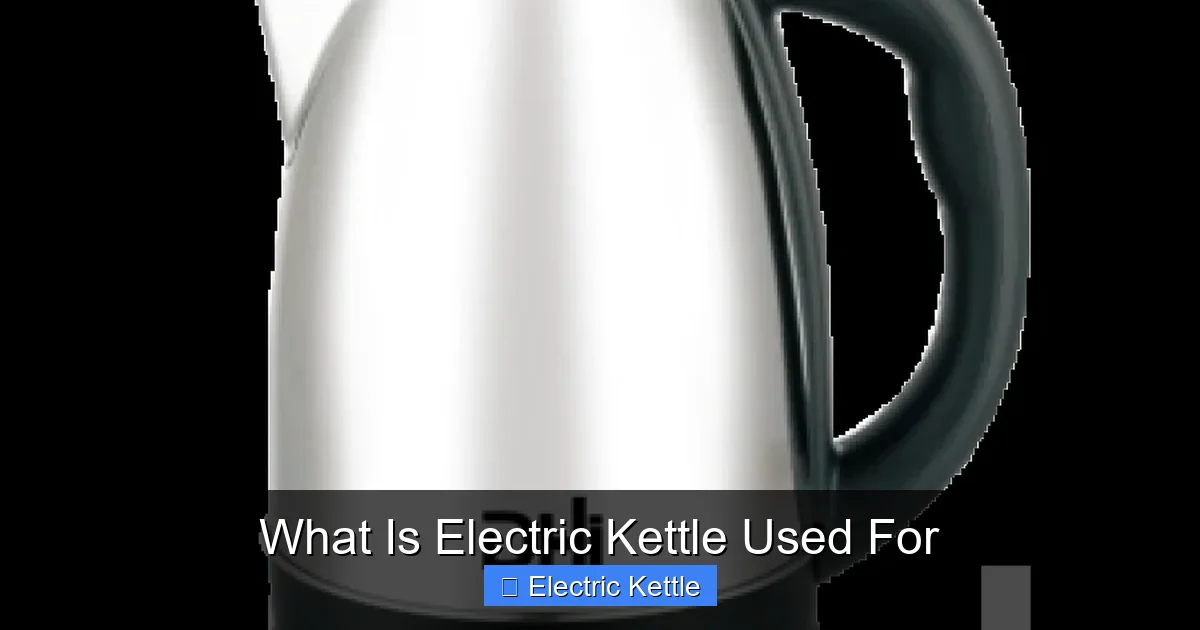
At its core, an electric kettle is a small kitchen appliance designed to heat water using an internal heating element powered by electricity. Unlike traditional stovetop kettles, which rely on a gas flame or electric burner, electric kettles have built-in heating coils that directly warm the water inside the chamber. Most models are cordless, with a detachable base that connects to a power outlet, making them easy to lift, pour, and store.
Visual guide about What Is Electric Kettle Used For
Image source: dhi.com.np
Electric kettles come in a variety of materials, including stainless steel, glass, plastic, and ceramic. They range in size from compact 0.5-liter models perfect for travel to larger 1.7-liter versions ideal for families or office settings. Many modern kettles also feature advanced technology like temperature control, keep-warm functions, and LED indicators.
How Does an Electric Kettle Work?
The magic behind an electric kettle lies in its heating element, usually located at the bottom of the water chamber. When you plug in the kettle and press the switch, electricity flows through the element, generating heat. This heat is transferred directly to the water, causing it to rise in temperature rapidly. Once the water reaches boiling point (100°C or 212°F at sea level), most kettles automatically shut off thanks to a built-in thermostat. This not only prevents overheating but also saves energy and enhances safety.
Some high-end models go a step further by allowing you to select specific temperatures—perfect for delicate green teas that require water around 80°C (176°F) or French press coffee that brews best at 96°C (205°F). These precision settings ensure that your beverages taste their best without the risk of scalding or under-extraction.
Why Choose an Electric Kettle Over a Stovetop?
While stovetop kettles have their charm—especially for those who enjoy the ritual of watching water boil—electric kettles offer undeniable advantages in speed, efficiency, and convenience. Here’s why more people are making the switch:
- Speed: Electric kettles can boil water in 2–4 minutes, depending on the volume and model. That’s significantly faster than most stovetop methods.
- Energy Efficiency: Because they heat water directly and shut off automatically, electric kettles use less energy than boiling water on a stove, especially if you’re only heating a small amount.
- Convenience: No need to monitor the stove. Just fill, press a button, and walk away. Many models even have a “keep warm” function that maintains the temperature for up to an hour.
- Portability: Lightweight and compact, electric kettles are perfect for small spaces like dorm rooms, RVs, or office kitchens.
- Consistency: With precise temperature control, you get the same results every time—no guessing whether the water is hot enough.
Whether you’re in a hurry or just value efficiency, an electric kettle is a smart upgrade for any kitchen.
Primary Uses: Boiling Water for Beverages
The most common and obvious use of an electric kettle is boiling water for hot drinks. But even within this simple task, there’s a lot of nuance and benefit. Let’s break it down.
Making Tea
Tea lovers, rejoice! An electric kettle is your best friend when it comes to brewing the perfect cup. Different types of tea require different water temperatures to bring out their full flavor without bitterness. For example:
- Green tea: Best brewed at 70–80°C (158–176°F). Boiling water can scorch the leaves, leading to a bitter taste.
- White tea: Requires even gentler heat, around 75–85°C (167–185°F).
- Oolong tea: Ideal at 85–90°C (185–194°F).
- Black tea: Can handle boiling water (100°C or 212°F), which helps extract robust flavors.
- Herbal teas: Also benefit from boiling water to release their aromatic oils.
Many modern electric kettles come with preset temperature options for each type of tea. Simply select “green,” “white,” or “black,” and the kettle will heat the water to the ideal temperature and alert you when it’s ready. This takes the guesswork out of brewing and ensures a consistently delicious cup every time.
Brewing Coffee
Coffee enthusiasts also benefit greatly from using an electric kettle. While drip machines and French presses are popular, many specialty coffee methods—like pour-over (e.g., Chemex or V60) and AeroPress—require precise water temperature and control. An electric kettle with temperature settings allows you to pour water at the exact heat needed for optimal extraction.
For instance, pour-over coffee typically brews best at 90–96°C (195–205°F). If the water is too hot, it can over-extract the coffee, making it bitter. Too cool, and the flavors won’t fully develop. With an electric kettle, you can hit that sweet spot every time. Plus, the gooseneck spout on some models gives you better control over the pour, which is essential for even saturation of the coffee grounds.
Hot Chocolate and Instant Drinks
Need a quick pick-me-up? Electric kettles make it easy to prepare hot chocolate, instant soups, or flavored drink mixes. Simply boil the water, pour it over your mix, stir, and enjoy. No need to dirty a saucepan or wait for the microwave to heat unevenly. And because electric kettles heat water so quickly, you can have a warm drink ready in under five minutes.
Some people even use their kettles to make instant coffee or tea bags when they’re in a rush. While purists might turn up their noses, there’s no denying the convenience—especially during busy mornings or late-night study sessions.
Beyond Beverages: Cooking and Food Preparation
While electric kettles are best known for heating water, their uses extend far beyond drinks. In fact, they can be surprisingly handy kitchen tools for cooking quick meals and preparing food. Here’s how.
Cooking Instant Noodles and Oatmeal
One of the most popular non-beverage uses for electric kettles is cooking instant noodles. Instead of boiling water on the stove and waiting for a pot to heat up, you can simply fill your kettle, boil the water, and pour it directly into the noodle cup. It’s faster, cleaner, and uses less energy. Plus, you avoid the hassle of washing a pot afterward.
The same goes for instant oatmeal. Just add oats and your favorite toppings (like fruit, nuts, or honey) to a bowl, pour in the hot water from the kettle, and let it sit for a few minutes. You’ve got a warm, filling breakfast in under five minutes—perfect for busy mornings or dorm-room meals.
Soft-Boiling Eggs
Yes, you can cook eggs in an electric kettle! While it might sound unconventional, it’s actually a clever hack for making soft-boiled or poached eggs. Simply place eggs in the kettle (make sure they’re fully submerged), fill with water, and boil for 6–7 minutes for soft-boiled or 10–12 minutes for hard-boiled. The consistent heat ensures even cooking, and the auto shut-off feature prevents overcooking.
Note: This method works best with kettles that have a wide opening and are easy to clean. Be sure to rinse the kettle thoroughly afterward to remove any egg residue.
Reheating Leftovers and Making Small Meals
Electric kettles can also be used to reheat small portions of food. For example, you can pour hot water over leftover rice or pasta to steam it gently. Some people even use them to make mini soups or broths by dissolving bouillon cubes in hot water and adding vegetables or noodles.
While you won’t be cooking a full meal in your kettle, it’s a great tool for quick, single-serving dishes—especially if you’re living in a small space without a full kitchen.
Sterilizing Baby Bottles and Utensils
Parents often use electric kettles to sterilize baby bottles, pacifiers, and small utensils. Simply boil water in the kettle, then pour it over the items in a clean container or use the steam to sanitize. The high heat kills bacteria and ensures a safe, clean environment for your little one. Just be sure to let items cool before handling.
Advanced Features and Smart Functions
Modern electric kettles are more than just water heaters—they’re smart appliances packed with features designed to enhance convenience, safety, and performance. Let’s explore some of the most useful advancements.
Variable Temperature Control
As mentioned earlier, temperature control is a game-changer for tea and coffee lovers. Instead of boiling water and waiting for it to cool, you can set the kettle to the exact temperature you need. This is especially helpful for delicate teas like green or white, which can turn bitter if brewed with boiling water.
Some models even have memory functions that remember your last temperature setting, so you don’t have to adjust it every time.
Keep-Warm Function
Ever boiled water, only to forget about it and find it’s gone cold by the time you’re ready to use it? The keep-warm feature solves this problem by maintaining the water at your desired temperature for up to 60 minutes. This is perfect for people who like to sip tea slowly or need hot water on demand throughout the day.
Rapid Boil and Quiet Operation
Many electric kettles now boast rapid-boil technology, capable of heating a full liter of water in under three minutes. Some models also operate quietly, making them ideal for early mornings or late nights when you don’t want to disturb others.
Safety Features
Safety is a top priority in electric kettle design. Most models include:
- Auto shut-off: Turns off the kettle when water reaches boiling point.
- Boil-dry protection: Prevents the kettle from operating if there’s no water inside.
- Cool-touch exterior: Keeps the outer surface safe to touch, even when the water inside is boiling.
- Overheat protection: Shuts down the heating element if it gets too hot.
These features not only protect the appliance but also reduce the risk of burns, fires, or damage to your countertop.
Gooseneck Spout for Precision Pouring
Popular among pour-over coffee fans, the gooseneck spout allows for a slow, controlled pour. This helps ensure even saturation of coffee grounds, leading to a more balanced and flavorful brew. If you’re serious about your coffee, this feature is worth looking for.
Maintenance and Care Tips
To keep your electric kettle performing at its best, regular maintenance is essential. Here are some simple tips to extend its lifespan and ensure clean, great-tasting water.
Descaling Regularly
Over time, mineral deposits from hard water can build up inside your kettle, forming limescale. This not only affects performance but can also alter the taste of your water. To remove limescale, descale your kettle every 1–2 months (or more often if you live in a hard water area).
To descale:
- Fill the kettle halfway with equal parts water and white vinegar.
- Let it sit for 30–60 minutes.
- Boil the solution, then let it cool.
- Pour out the liquid and rinse thoroughly with clean water.
- Boil fresh water once or twice to remove any vinegar taste.
Alternatively, you can use a commercial descaling solution or lemon juice for a natural option.
Cleaning the Exterior and Filter
Wipe the outside of the kettle with a damp cloth and mild detergent. Avoid submerging the base in water, as it contains electrical components. Most kettles also have a removable mesh filter at the spout to catch impurities. Rinse this filter regularly under running water to keep it clear.
Avoid Overfilling
Always stay within the minimum and maximum water level markings. Overfilling can cause water to spill into the base, damaging the electronics. Underfilling can trigger the boil-dry protection and shorten the kettle’s lifespan.
Store Properly
When not in use, store your kettle in a dry, cool place. Keep the lid closed to prevent dust and debris from entering. If you’re traveling with your kettle, make sure it’s completely dry and packed securely.
Conclusion: More Than Just a Water Boiler
So, what is an electric kettle used for? As we’ve seen, the answer is far more expansive than just boiling water. From brewing the perfect cup of tea to cooking quick meals, sterilizing baby items, and even making coffee like a barista, the electric kettle is a versatile, efficient, and indispensable tool in modern life.
Its speed, energy efficiency, and smart features make it a standout appliance for homes, offices, and beyond. Whether you’re a busy professional, a student on a budget, or a tea connoisseur, an electric kettle can simplify your routine and enhance your daily rituals. With proper care and a little creativity, it can do much more than you might expect.
So the next time you press that button and hear the gentle hum of heating water, remember—you’re not just making a drink. You’re using a compact powerhouse that’s quietly revolutionizing the way we live, one hot cup at a time.
Frequently Asked Questions
Can I cook food in an electric kettle?
Yes, you can cook simple foods like instant noodles, oatmeal, and eggs in an electric kettle. Just pour boiling water over the ingredients or submerge them fully. However, avoid cooking greasy or messy foods that could damage the kettle.
Is it safe to leave an electric kettle plugged in?
Yes, it’s generally safe to leave an electric kettle plugged in when not in use. Most models have safety features like auto shut-off and overheat protection. However, unplugging it when not in use can save a small amount of standby energy and reduce wear.
How often should I descale my electric kettle?
Descale your electric kettle every 1–2 months if you use it regularly, or more often if you have hard water. Signs you need to descale include slower boiling, unusual tastes, or visible limescale buildup.
Can I use an electric kettle for baby formula?
Yes, electric kettles are great for preparing baby formula. Boil the water, let it cool slightly to the recommended temperature (usually around 70°C), and mix with formula. The quick heating and temperature control ensure safety and convenience.
Do electric kettles use a lot of electricity?
No, electric kettles are energy-efficient. They use less power than stovetops because they heat water directly and shut off automatically. On average, boiling a liter of water uses about 0.1 kWh of electricity.
Can I boil milk in an electric kettle?
It’s not recommended to boil milk in an electric kettle. Milk can scorch, foam over, and leave stubborn residue that’s hard to clean. Most kettles aren’t designed for dairy, and doing so may damage the heating element or void the warranty.