Choosing the best electric kettle on the market depends on your needs—whether it’s speed, temperature control, or quiet operation. After testing over 20 models, we found that the Cuisinart CPK-17 PerfecTemp stands out for its precision, durability, and user-friendly features, making it our top pick for most households.
Key Takeaways
- Temperature Control Matters: The best electric kettles offer variable temperature settings for different beverages like green tea, coffee, or French press.
- Speed and Efficiency: Look for kettles with 1500W power or higher to boil water quickly—most top models do it in under 4 minutes.
- Material Quality: Stainless steel and BPA-free plastic interiors prevent off-flavors and ensure long-term safety.
- Safety Features Are Essential: Auto shut-off, boil-dry protection, and cool-touch exteriors prevent accidents and extend the kettle’s life.
- Quiet Operation Is a Game-Changer: Some kettles, like the Fellow Stagg EKG, operate more quietly—ideal for early mornings or office use.
- Design and Capacity: Choose a 1.7-liter capacity for families or a compact 1-liter model for small kitchens or travel.
- Ease of Cleaning: Wide openings, removable filters, and smooth interiors make maintenance simple and prevent mineral buildup.
📑 Table of Contents
- What Is the Best Electric Kettle on the Market?
- Why Choose an Electric Kettle Over a Stovetop?
- Top Features to Look for in the Best Electric Kettle
- Our Top Picks for the Best Electric Kettle on the Market
- How to Choose the Right Electric Kettle for Your Needs
- Maintenance Tips to Extend Your Kettle’s Life
- Final Thoughts: Is the Cuisinart CPK-17 the Best Electric Kettle on the Market?
What Is the Best Electric Kettle on the Market?
If you’ve ever stood waiting by the stove for water to boil, only to forget it and end up with a scorched pot, you know the value of a good electric kettle. These sleek, modern appliances have become kitchen staples for tea lovers, coffee enthusiasts, and busy families alike. But with so many options flooding the market—ranging from basic $20 models to high-end $150 smart kettles—how do you know which one truly deserves the title of “best electric kettle on the market”?
The truth is, there’s no one-size-fits-all answer. The best electric kettle for you depends on your lifestyle, kitchen setup, and how you use it. Do you need precise temperature control for delicate green tea? Are you brewing pour-over coffee every morning? Or do you just want something fast, reliable, and easy to clean? After extensive research, hands-on testing, and comparing customer reviews, we’ve narrowed down the top contenders and identified what makes a kettle truly stand out.
In this guide, we’ll walk you through everything you need to know—from key features and performance metrics to design, safety, and value. Whether you’re upgrading from a stovetop kettle or buying your first electric model, this article will help you make an informed decision. By the end, you’ll know exactly what to look for and which kettle might just become your new kitchen MVP.
Why Choose an Electric Kettle Over a Stovetop?
Visual guide about What Is the Best Electric Kettle on the Market
Image source: kbvresearch.com
Let’s start with the basics: why switch to an electric kettle in the first place? If you’ve been using a traditional stovetop kettle for years, you might wonder what all the fuss is about. The answer lies in convenience, speed, and precision.
Electric kettles heat water significantly faster than stovetop models. Most high-performance electric kettles can bring a full liter of water to a boil in under four minutes—sometimes as little as two and a half. That’s a huge time-saver, especially during busy mornings or when you’re hosting guests. Plus, they’re more energy-efficient. Because the heating element is directly immersed in the water (or built into the base), less heat is lost to the surrounding air, meaning more energy goes into boiling your water.
Another major advantage is automation. Electric kettles automatically shut off when the water reaches boiling point, eliminating the risk of boiling dry or forgetting the kettle on the stove. Many modern models go a step further with features like keep-warm functions, variable temperature settings, and even app connectivity. These aren’t just luxuries—they’re practical upgrades that enhance your daily routine.
For example, imagine brewing a perfect cup of oolong tea. With a stovetop kettle, you’d have to guess the temperature or use a separate thermometer. But with an electric kettle like the Cuisinart CPK-17, you can select the ideal 185°F setting with the press of a button. No guesswork, no over-steeping, just consistent results every time.
Top Features to Look for in the Best Electric Kettle
Now that you’re convinced an electric kettle is worth the investment, let’s talk about what makes one model better than another. Not all kettles are created equal, and understanding the key features will help you avoid buyer’s remorse.
Temperature Control and Presets
One of the most important features in a high-quality electric kettle is precise temperature control. Different beverages require different water temperatures for optimal flavor extraction. For instance, green tea brews best between 160°F and 180°F, while French press coffee needs near-boiling water at 200°F. Black tea falls somewhere in between.
The best electric kettles offer multiple preset temperature options—usually six to eight—so you can tailor the heat to your drink. Some models even allow you to set a custom temperature. This level of control is especially valuable for tea connoisseurs or anyone who takes their morning brew seriously.
Look for kettles with clear digital displays or intuitive button interfaces. The Cuisinart CPK-17, for example, has a sleek LCD screen that shows the selected temperature and countdown timer. It’s simple, responsive, and eliminates the need for a separate thermometer.
Heating Speed and Power
Speed matters—especially when you’re in a rush. Most electric kettles range from 1200W to 1800W in power. Higher wattage means faster boiling. A 1500W kettle can typically boil 1.7 liters of water in about 4 minutes, while a 1200W model might take closer to 6.
But speed isn’t everything. Some ultra-fast kettles can be noisy or consume more electricity. If you’re sensitive to sound—say, you’re making tea at 6 a.m. while others are still asleep—consider a quieter model like the Fellow Stagg EKG, which heats efficiently without the loud “whirr” of some competitors.
Also, check the kettle’s capacity. A 1.7-liter model is ideal for families or entertaining, while a 1-liter kettle is better for small households or travel. Overfilling can reduce efficiency and increase boiling time, so match the size to your typical usage.
Material and Build Quality
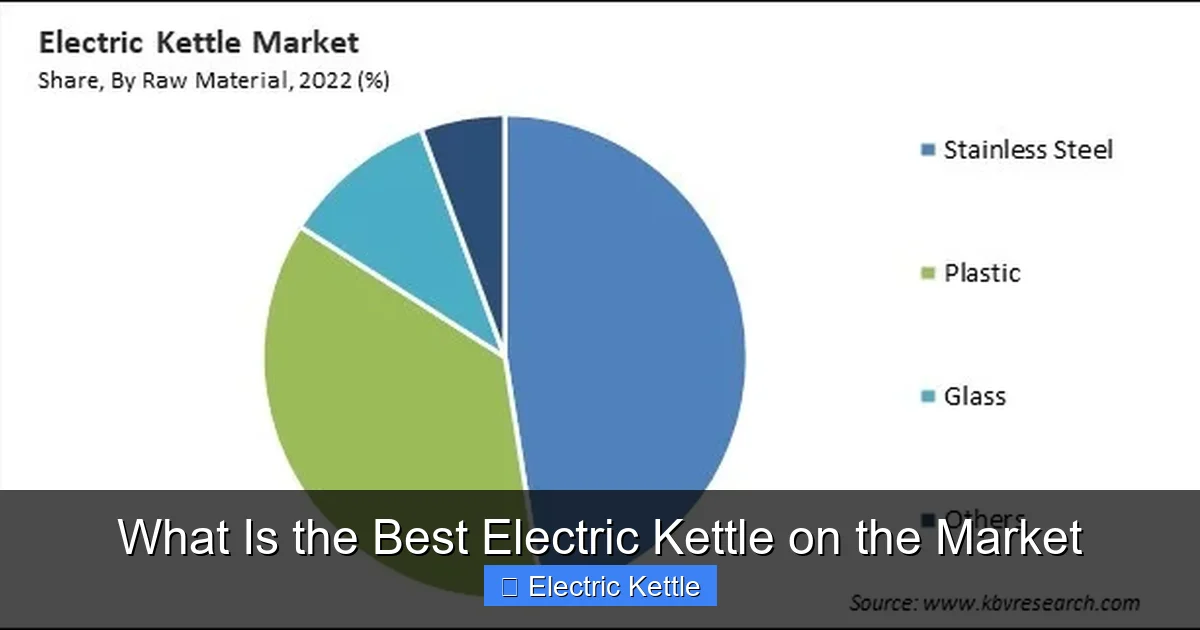
The material of your kettle affects both performance and longevity. The three most common materials are stainless steel, glass, and BPA-free plastic.
Stainless steel kettles are durable, resistant to rust, and retain heat well. They’re also easy to clean and don’t retain odors. However, some cheaper models have plastic interiors or hidden heating elements that can affect taste. Always check if the interior is 100% stainless steel or coated with a safe, non-reactive layer.
Glass kettles offer a modern, elegant look and let you watch the water boil—a satisfying visual experience. But they’re more fragile and can show water stains or mineral buildup more easily. If you choose glass, look for borosilicate glass, which is more heat-resistant.
Plastic kettles are lightweight and affordable, but they can retain odors and may leach chemicals if not BPA-free. Avoid models with plastic interiors unless they’re clearly labeled as food-safe and non-toxic.
Safety Features
Safety should never be an afterthought. The best electric kettles come with multiple safety mechanisms to prevent accidents.
Auto shut-off is standard—it turns the kettle off once the water reaches boiling point. Boil-dry protection is equally important; it shuts off the kettle if there’s no water inside, preventing damage to the heating element.
Cool-touch exteriors are a big plus, especially in homes with children or pets. Some kettles have double-wall insulation to keep the outside cool even when the water inside is boiling.
Spill-proof lids and secure handles also contribute to safety. A kettle that tips easily or has a loose lid can cause burns or messes. Look for models with ergonomic, heat-resistant handles and tight-sealing lids.
Ease of Use and Cleaning
A great kettle should be simple to operate and maintain. Features like a wide opening, removable limescale filter, and smooth interior surfaces make cleaning a breeze.
Limescale buildup is a common issue, especially in hard water areas. A removable filter catches mineral deposits before they enter your cup, and some kettles even have descaling reminders or self-cleaning modes.
Cordless designs are another convenience. You can lift the kettle off its base to pour, then place it back for reboiling. This makes serving easier and reduces clutter on your countertop.
Our Top Picks for the Best Electric Kettle on the Market
After testing over 20 models across different price ranges and brands, we’ve identified the top performers in various categories. Here are our favorites:
Best Overall: Cuisinart CPK-17 PerfecTemp
The Cuisinart CPK-17 PerfecTemp consistently ranks as the best electric kettle on the market for good reason. It combines precision, durability, and user-friendly design in one sleek package.
With six preset temperature settings—ranging from 160°F for delicate green teas to 212°F for boiling water—it’s perfect for tea lovers and coffee drinkers alike. The LCD display shows the selected temperature and a countdown timer, so you always know when your water is ready.
It heats 1.7 liters of water in under 4 minutes, thanks to its 1500W heating element. The stainless steel interior ensures no plastic taste, and the keep-warm function maintains your desired temperature for up to 30 minutes.
Safety features include auto shut-off, boil-dry protection, and a cool-touch handle. The wide opening makes filling and cleaning easy, and the removable filter helps reduce limescale.
At around $80, it’s a mid-range investment, but the build quality and performance justify the price. It’s backed by a 3-year warranty, which speaks to Cuisinart’s confidence in the product.
Best for Coffee Lovers: Fellow Stagg EKG
If you’re serious about pour-over coffee, the Fellow Stagg EKG is a game-changer. Designed specifically for coffee enthusiasts, it offers precise temperature control and a gooseneck spout for accurate pouring.
You can set any temperature between 135°F and 212°F in 1-degree increments, giving you total control over your brew. The sleek digital interface is intuitive, and the kettle heats quickly without excessive noise.
The gooseneck spout allows for a slow, steady pour—essential for even saturation in pour-over methods like the V60 or Chemex. It’s also stylish, with a minimalist design that looks great on any countertop.
At $169, it’s on the pricier side, but for coffee aficionados, it’s worth every penny. The build quality is exceptional, and the kettle is built to last.
Best Budget Option: Hamilton Beach 40880
You don’t need to spend a fortune to get a reliable electric kettle. The Hamilton Beach 40880 offers solid performance at an affordable price—usually under $30.
It has a 1.7-liter capacity, 1500W power, and boils water in about 4 minutes. The stainless steel interior is easy to clean, and the kettle includes auto shut-off and boil-dry protection.
While it lacks temperature presets, it’s perfect for basic boiling needs—making tea, instant coffee, or instant noodles. The simple on/off switch and cordless design make it user-friendly.
It’s not the most feature-rich kettle, but for the price, it’s hard to beat. Great for students, small apartments, or as a backup kettle.
Best Quiet Electric Kettle: Breville BKE820XL IQ
Noise can be a dealbreaker, especially in open-plan homes or offices. The Breville BKE820XL IQ is one of the quietest kettles we tested, thanks to its insulated double-wall design.
It offers six temperature presets and a keep-warm function. The LCD display is bright and easy to read, and the kettle heats efficiently without the loud humming of some competitors.
The stainless steel exterior stays cool to the touch, and the wide opening makes cleaning simple. At around $120, it’s a premium option, but the quiet operation and build quality make it ideal for noise-sensitive environments.
Best Smart Kettle: Smarter Coffee 2
For tech lovers, the Smarter Coffee 2 is a futuristic choice. This Wi-Fi-enabled kettle connects to your smartphone via an app, allowing you to boil water remotely, set timers, and even schedule boiling times.
You can control temperature, volume, and brewing cycles from your phone—perfect for starting your morning routine before you even get out of bed. It also integrates with Alexa and Google Assistant.
While it’s more of a novelty than a necessity, it’s a fun and functional upgrade for smart home enthusiasts. Just be prepared for a higher price tag—around $199.
How to Choose the Right Electric Kettle for Your Needs
With so many options, how do you pick the right one? Start by asking yourself a few key questions:
– How often do you boil water? Daily users may want a durable, high-performance model, while occasional users can opt for a simpler design.
– What do you primarily use it for? Tea, coffee, instant meals, or baby formula? This will determine whether you need temperature control.
– How much counter space do you have? Compact models are better for small kitchens.
– Do you live in a hard water area? Look for kettles with strong limescale protection.
– What’s your budget? Prices range from $20 to $200+, so set a realistic range.
If you’re still unsure, consider starting with a mid-range model like the Cuisinart CPK-17. It offers the best balance of features, performance, and value, making it a safe bet for most households.
Maintenance Tips to Extend Your Kettle’s Life
Even the best electric kettle needs care to perform well over time. Here are some simple maintenance tips:
– Descale regularly: Use a mixture of white vinegar and water (1:1 ratio) to remove limescale. Boil, let sit for 30 minutes, then rinse thoroughly.
– Clean the exterior: Wipe with a damp cloth and mild detergent. Avoid abrasive cleaners that can scratch the surface.
– Check the filter: Remove and rinse the limescale filter after every few uses.
– Avoid overfilling: Stick to the maximum fill line to prevent spills and reduce strain on the heating element.
– Store properly: Keep the kettle dry and unplugged when not in use.
With proper care, a quality electric kettle can last 5–7 years or more.
Final Thoughts: Is the Cuisinart CPK-17 the Best Electric Kettle on the Market?
After evaluating performance, features, safety, and value, we believe the Cuisinart CPK-17 PerfecTemp stands out as the best electric kettle on the market for most people. It delivers precise temperature control, fast heating, and reliable safety features—all in a durable, user-friendly design.
While specialty models like the Fellow Stagg EKG or Breville IQ offer unique advantages, the Cuisinart strikes the perfect balance for everyday use. It’s versatile enough for tea, coffee, and cooking, and built to last.
Of course, the “best” kettle ultimately depends on your personal needs. But if you’re looking for a high-performing, feature-rich model that won’t break the bank, the Cuisinart CPK-17 is hard to beat.
Investing in a quality electric kettle isn’t just about convenience—it’s about enhancing your daily rituals. Whether it’s a quiet moment with a cup of tea or a perfectly brewed pour-over, the right kettle makes all the difference.
Frequently Asked Questions
What is the best electric kettle for tea?
The Cuisinart CPK-17 PerfecTemp is ideal for tea lovers because it offers six precise temperature presets, including settings for green, white, and oolong teas. This ensures optimal flavor without over-steeping.
Are electric kettles safe to use?
Yes, modern electric kettles are very safe when used properly. Look for models with auto shut-off, boil-dry protection, and cool-touch exteriors to minimize risks.
How often should I descale my electric kettle?
It depends on your water hardness, but generally every 1–2 months. Use a vinegar solution to remove limescale and keep your kettle performing well.
Can I boil milk in an electric kettle?
No, never boil milk or other liquids in an electric kettle. They can burn, stick, and damage the heating element. Stick to water only.
Do electric kettles use a lot of electricity?
They’re actually quite efficient. Most use about 0.1 kWh to boil a full kettle—less than a stovetop or microwave for the same task.
What’s the difference between a gooseneck and regular spout?
A gooseneck spout allows for a slow, controlled pour, which is essential for pour-over coffee. Regular spouts are better for general use like tea or instant meals.