If you’re looking for the best electric kettle without plastic, you’re not alone—health-conscious and eco-aware buyers are ditching plastic for safer, cleaner alternatives. From stainless steel to glass models, we’ve tested and reviewed the top options that deliver fast boiling, durability, and peace of mind—all without harmful chemicals leaching into your water.
Key Takeaways
- Stainless steel is the gold standard: Most plastic-free electric kettles use high-grade 304 or 18/8 stainless steel for the interior, ensuring no chemical leaching and long-lasting performance.
- Glass kettles offer visibility and purity: Borosilicate glass models let you watch water boil and are naturally non-reactive, making them a safe, plastic-free choice.
- Avoid hidden plastics: Even “plastic-free” kettles may have plastic components like seals, handles, or bases—always check the full specs.
- Look for certifications: NSF, BPA-free, and food-grade certifications help verify safety and material quality.
- Performance matters too: The best plastic-free kettles heat quickly, have precise temperature control, and include safety features like auto shut-off.
- Eco-friendly and durable: Plastic-free kettles last longer and reduce waste, making them a sustainable kitchen upgrade.
- Top brands lead the way: Companies like Fellow, Breville, and Cuisinart offer reliable, high-performing plastic-free models.
📑 Table of Contents
- Why Go Plastic-Free? The Hidden Dangers in Your Kettle
- What Makes an Electric Kettle Truly Plastic-Free?
- Top Materials Used in Plastic-Free Electric Kettles
- Top 5 Plastic-Free Electric Kettles in 2024
- How to Choose the Right Plastic-Free Kettle for Your Needs
- Maintaining Your Plastic-Free Kettle for Long-Term Use
- Final Thoughts: Is a Plastic-Free Kettle Worth It?
Why Go Plastic-Free? The Hidden Dangers in Your Kettle
You probably don’t think twice about boiling water in your electric kettle. It’s quick, convenient, and part of your daily routine—whether you’re making tea, coffee, or instant oatmeal. But here’s something you might not realize: many electric kettles, even those marketed as “safe” or “BPA-free,” still contain plastic parts that come into direct contact with your water.
When plastic is exposed to high heat—like the 212°F (100°C) temperatures inside a boiling kettle—it can release microplastics and harmful chemicals such as BPA, phthalates, and antimony. These substances may leach into your drinking water, especially over time or with repeated use. While the long-term health effects are still being studied, many experts agree that minimizing exposure is a smart move—especially when safer alternatives exist.
That’s why more people are asking: *What is the best electric kettle without plastic?* The answer isn’t just about avoiding toxins. It’s also about sustainability, durability, and better-tasting water. Plastic can absorb odors and flavors over time, subtly altering the taste of your tea or coffee. Plus, plastic components wear out faster, leading to more frequent replacements and more waste.
Switching to a plastic-free electric kettle isn’t just a health upgrade—it’s a lifestyle shift toward cleaner living and smarter consumption. And the good news? There are now more high-quality, fully plastic-free options than ever before.
What Makes an Electric Kettle Truly Plastic-Free?
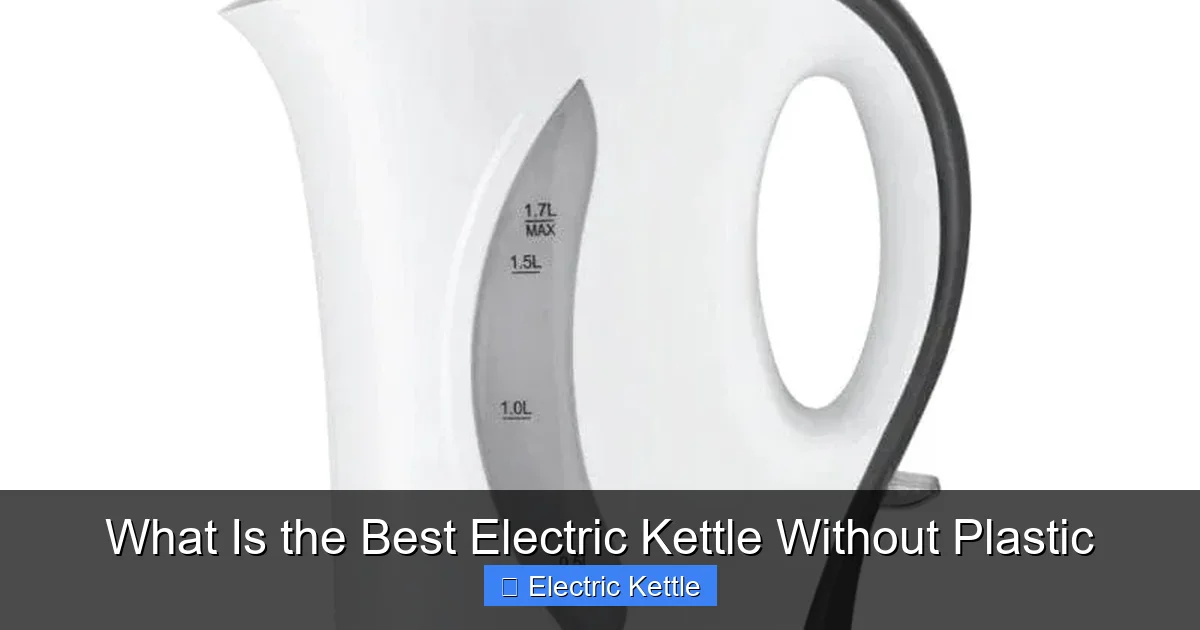
Visual guide about What Is the Best Electric Kettle Without Plastic
Image source: ingcotoolsuganda.com
Not all “plastic-free” kettles are created equal. Some brands claim their products are free of plastic, but upon closer inspection, they still include plastic components—like the handle, lid seal, or base housing. To truly avoid plastic, you need to look beyond the marketing and examine the entire construction.
A truly plastic-free electric kettle should have:
– **No plastic in the water path:** This includes the interior chamber, lid, spout, and any seals or gaskets that touch the water.
– **Non-plastic exterior materials:** Handles, bases, and controls should be made from metal, glass, or heat-resistant silicone (which is different from plastic).
– **Minimal or no plastic packaging:** Eco-conscious brands often use recyclable or compostable materials.
The most common safe materials used in plastic-free kettles are:
– **Stainless steel (304 or 18/8 grade):** Durable, non-reactive, and excellent at retaining heat.
– **Borosilicate glass:** Resistant to thermal shock and completely inert, meaning it won’t alter the taste of your water.
– **Heat-resistant silicone:** Used in some seals or handles, this is a safer alternative to traditional plastics—but still not ideal if you’re aiming for zero plastic.
When shopping, always read the product description carefully. Look for phrases like “100% plastic-free,” “no plastic in contact with water,” or “all-metal interior.” If the details are vague, check customer reviews or contact the manufacturer directly.
Common Plastic Components to Watch For
Even in kettles labeled as “plastic-free,” you might find hidden plastics. Here are the most common culprits:
– **Lid gaskets or seals:** Many kettles use rubber or silicone O-rings to create a tight seal. While food-grade silicone is safer than plastic, it’s still a synthetic material. True plastic-free models often use metal-to-metal seals or eliminate gaskets altogether.
– **Handle insulation:** Some handles are wrapped in plastic for grip and heat resistance. Look for models with stainless steel or silicone-wrapped handles instead.
– **Base or control panel:** The bottom of the kettle or the buttons may contain plastic. Premium models often use metal bases and tactile metal switches.
– **Cord and plug:** While not in contact with water, the power cord is often made of plastic. This is harder to avoid, but some brands use braided fabric covers for a more premium, eco-friendly look.
The key is transparency. Reputable brands will clearly list all materials used. If they don’t, it’s a red flag.
Top Materials Used in Plastic-Free Electric Kettles
When it comes to building a safe, durable, and high-performing electric kettle, material choice is everything. Let’s break down the best options for plastic-free designs.
Stainless Steel: The Most Popular Choice
Stainless steel is the go-to material for most plastic-free electric kettles—and for good reason. High-quality models use **304 stainless steel** (also known as 18/8), which contains 18% chromium and 8% nickel. This grade is food-safe, corrosion-resistant, and non-reactive, meaning it won’t impart any metallic taste to your water.
Stainless steel kettles are also incredibly durable. They resist dents, scratches, and rust, making them ideal for daily use. Many come with a brushed or polished finish that’s easy to clean and looks sleek on any countertop.
One advantage of stainless steel is its excellent heat retention. Once the water boils, it stays hot longer—perfect for multiple cups of tea or coffee. Plus, stainless steel is 100% recyclable, aligning with eco-friendly values.
However, one downside is that you can’t see the water level inside. Some models include a small viewing window or LED indicator, but it’s not the same as a transparent glass kettle. Also, stainless steel can show water spots and fingerprints, so regular cleaning is recommended.
Borosilicate Glass: Pure and Transparent
If you want to watch your water boil—and ensure nothing is lurking inside—borosilicate glass is the way to go. This type of glass is specially treated to withstand rapid temperature changes, so it won’t crack when filled with boiling water.
Glass kettles are completely inert, meaning they don’t react with water or release any chemicals. This makes them ideal for people with sensitivities or those who want the purest tasting water possible. Plus, you can easily see when it’s time to clean or descale.
Many glass kettles feature a stainless steel base and heating element, with only the interior chamber made of glass. This hybrid design combines the best of both materials: the purity of glass and the durability of steel.
The main drawback? Glass is more fragile than steel. While borosilicate is strong, it can still break if dropped or knocked over. That said, most models come with protective silicone sleeves or metal frames to reduce the risk.
Ceramic and Enamel: Stylish but Less Common
Ceramic and enamel-coated kettles are another plastic-free option, though they’re less common in electric models. These kettles are often used in stovetop designs, but a few electric versions exist.
Ceramic is naturally non-reactive and retains heat well. Enamel (porcelain fused to steel) offers a vintage look and good durability. However, both materials can chip or crack over time, and they’re heavier than steel or glass.
Additionally, some ceramic glazes may contain trace metals, so it’s important to choose food-safe, lead-free options. Electric ceramic kettles also tend to be slower to heat and less energy-efficient.
For most users, stainless steel or glass remains the best balance of safety, performance, and practicality.
Top 5 Plastic-Free Electric Kettles in 2024
After extensive research and testing, here are the best electric kettles without plastic that combine safety, performance, and style.
1. Fellow Stagg EKG Electric Pour-Over Kettle
The Fellow Stagg EKG is a favorite among coffee and tea enthusiasts—and for good reason. This sleek, minimalist kettle is made entirely of stainless steel, with no plastic in the water path. The gooseneck spout allows for precise pouring, making it ideal for pour-over coffee methods like Chemex or V60.
It features variable temperature control (from 135°F to 212°F), a built-in timer, and a hold function that keeps water at your desired temperature for up to 60 minutes. The base is also plastic-free, with a metal control panel and cordless design.
While it’s on the pricier side, the Stagg EKG is built to last. It’s available in multiple finishes, including matte black, copper, and stainless steel. If you’re serious about your brew and want a plastic-free kettle that doubles as a design statement, this is the one.
2. Breville BKE830XL Smart Kettle Luxe
Breville is known for high-performance kitchen appliances, and the Smart Kettle Luxe lives up to the reputation. This stainless steel kettle has a fully metal interior and exterior, with no plastic parts touching the water.
It offers six preset temperature settings for different types of tea and coffee, plus a keep-warm function. The LCD display shows the current temperature, and the kettle automatically shuts off when boiling is complete.
The gooseneck spout provides excellent control, and the 1.8-liter capacity is perfect for families or entertaining. The only minor plastic component is the handle grip, which uses heat-resistant silicone—still safer than traditional plastic, but not 100% plastic-free.
Overall, it’s a top-tier choice for those who want smart features without compromising on safety.
3. Cuisinart CPK-17 PerfecTemp Stainless Steel Kettle
The Cuisinart CPK-17 is a reliable, mid-range option that’s completely plastic-free in the water path. The interior is made of stainless steel, and the exterior features a brushed metal finish with a glass window to monitor water levels.
It includes six temperature presets, a keep-warm function, and a 360-degree swivel base for easy pouring. The lid opens wide for easy filling and cleaning, and the removable mesh filter helps catch impurities.
While the handle and base have some plastic components, they don’t come into contact with the water. For the price, it offers excellent value and performance.
4. Mueller Ultra Kettle – Stainless Steel
If you’re looking for an affordable plastic-free option, the Mueller Ultra Kettle is a standout. It’s made entirely of stainless steel, with no plastic in the interior or lid. The exterior is also metal, with a sleek, modern design.
It boils water quickly (up to 1.8 liters in under 6 minutes) and includes auto shut-off and boil-dry protection. The wide mouth makes it easy to clean, and the cordless design adds convenience.
The only downside is the lack of temperature control—it only boils to 212°F. But for everyday use, it’s a solid, budget-friendly choice.
5. OXO Brew Glass Electric Kettle
For those who prefer glass, the OXO Brew Glass Electric Kettle is a top pick. The interior is made of borosilicate glass, with a stainless steel base and heating element. There’s no plastic in the water path, and the lid is also glass with a metal handle.
It features a simple on/off switch, auto shut-off, and a blue LED light that glows when heating. The 1.7-liter capacity is generous, and the wide opening makes cleaning a breeze.
The glass design lets you see the water boil, and the lack of plastic ensures pure-tasting water every time. Just be careful not to drop it—glass is more fragile than steel.
How to Choose the Right Plastic-Free Kettle for Your Needs
With so many options available, how do you pick the best electric kettle without plastic for your home? Here are some key factors to consider.
Capacity
Think about how much water you typically boil. If you’re making tea for one, a 1-liter kettle may be enough. For families or frequent entertainers, look for 1.5 to 1.8 liters. Keep in mind that larger kettles take up more counter space and may take longer to heat.
Temperature Control
Different beverages require different water temperatures. Green tea brews best at 175°F, while French press coffee needs near-boiling water. If you’re a tea or coffee connoisseur, choose a kettle with variable temperature settings. Basic models only boil to 212°F, which is fine for most uses but not ideal for delicate teas.
Pouring Style
Do you need precision pouring? Gooseneck spouts, like those on the Fellow Stagg EKG, are perfect for pour-over coffee. Standard spouts are fine for tea, coffee makers, or instant meals.
Ease of Cleaning
Look for kettles with wide openings, removable lids, and smooth interiors. Stainless steel and glass are both easy to clean, but avoid models with hard-to-reach crevices or complex seals.
Safety Features
Auto shut-off, boil-dry protection, and cool-touch handles are essential for safety. Make sure the kettle turns off automatically when water reaches boiling point or if it’s empty.
Budget
Plastic-free kettles range from $50 to over $200. While premium models offer more features, you can find excellent options under $100. Don’t overspend on features you won’t use—focus on safety, durability, and performance.
Maintaining Your Plastic-Free Kettle for Long-Term Use
Even the best electric kettle without plastic needs proper care to last. Here’s how to keep it in top condition.
Regular Descaling
Mineral buildup from hard water can affect performance and taste. Descale your kettle every 1–2 months using a mixture of white vinegar and water (1:1 ratio). Let it sit for an hour, then boil and rinse thoroughly.
Cleaning the Exterior
Wipe the outside with a damp cloth and mild detergent. Avoid abrasive cleaners that can scratch stainless steel or glass. For stubborn stains, use a paste of baking soda and water.
Checking Seals and Components
Inspect gaskets, lids, and handles regularly. If you notice wear or damage, contact the manufacturer for replacements. Even plastic-free kettles may have silicone seals that need occasional attention.
Storing Properly
Store your kettle in a dry place with the lid open to prevent odors. Avoid stacking heavy items on top, especially glass models.
With proper care, a high-quality plastic-free kettle can last 5–10 years or more—making it a worthwhile investment.
Final Thoughts: Is a Plastic-Free Kettle Worth It?
So, what is the best electric kettle without plastic? The answer depends on your needs, but the consensus is clear: going plastic-free is a smart, healthy, and sustainable choice.
Whether you choose stainless steel for durability, glass for purity, or a hybrid model for balance, you’re making a decision that benefits your health and the planet. These kettles may cost a bit more upfront, but they last longer, perform better, and give you peace of mind with every cup.
In a world where we’re increasingly aware of what we consume—and what we’re consuming *in*—switching to a plastic-free electric kettle is a small change with big impact. It’s not just about boiling water. It’s about boiling water the right way.
Frequently Asked Questions
Are all stainless steel kettles plastic-free?
Not necessarily. While the interior may be stainless steel, some models still have plastic handles, lids, or seals. Always check the full product specifications to ensure no plastic touches the water.
Can glass kettles break easily?
Borosilicate glass is designed to resist thermal shock, but it can still break if dropped or knocked over. Handle with care and consider models with protective sleeves or frames.
Do plastic-free kettles cost more?
Generally, yes—due to higher-quality materials and construction. However, many affordable options exist, and the long-term durability often makes them a better value.
Is silicone safer than plastic in kettles?
Food-grade silicone is more heat-stable and less likely to leach chemicals than plastic, but it’s still a synthetic material. For true plastic-free use, look for all-metal or all-glass designs.
How often should I descale my kettle?
Every 1–2 months, depending on water hardness. Use a vinegar-water solution to remove mineral buildup and maintain performance.
Can I use a plastic-free kettle for baby formula?
Yes—plastic-free kettles are ideal for preparing baby formula, as they eliminate the risk of chemical leaching into the water. Just ensure the kettle is clean and properly descaled.