Choosing the best glass electric kettle means balancing safety, speed, design, and durability. Glass kettles offer a clean, chemical-free way to boil water while letting you watch the boil—perfect for tea lovers and modern kitchens alike.
If you’ve ever stood in the kitchen, waiting for water to boil, only to wonder if your kettle is adding weird flavors or chemicals to your tea—you’re not alone. That’s where the best glass electric kettle comes in. It’s more than just a pretty appliance; it’s a smart upgrade for anyone who values purity, performance, and peace of mind. Whether you’re a tea enthusiast, a coffee lover, or just someone who wants hot water fast, a glass electric kettle can transform your daily routine.
Glass kettles have surged in popularity—and for good reason. They eliminate the metallic aftertaste some stainless steel kettles can leave behind, and they don’t contain BPA or other harmful plastics found in cheaper models. Plus, watching water gently bubble to a boil through clear glass is oddly satisfying. It’s like a little kitchen ritual that feels both calming and efficient. But not all glass kettles are created equal. From build quality to smart features, there’s a lot to consider before you buy.
In this guide, we’ll walk you through everything you need to know to find the best glass electric kettle for your needs. We’ll cover what makes glass special, key features to look for, top models on the market, and tips for maintaining your kettle so it lasts for years. By the end, you’ll know exactly what to look for—and why investing in a high-quality glass electric kettle is one of the best decisions you can make for your kitchen.
Key Takeaways
- Glass kettles provide a pure taste: Unlike plastic or metal, glass doesn’t leach chemicals or retain odors, ensuring your water and tea taste clean and fresh.
- Look for borosilicate glass: This durable, heat-resistant material resists cracking from sudden temperature changes and lasts longer than regular glass.
- Temperature control is a game-changer: Variable temperature settings let you brew delicate teas like green or white at the perfect heat, avoiding bitterness.
- Capacity matters: Most glass electric kettles hold 1.7 liters—ideal for families or multiple cups—but compact 1-liter models suit small spaces.
- Safety features are essential: Auto shut-off, boil-dry protection, and cool-touch handles prevent accidents and extend the kettle’s life.
- Easy cleaning keeps performance strong: Wide openings, removable lids, and smooth interiors make maintenance simple and prevent mineral buildup.
- Design blends function and style: A sleek glass kettle looks great on any countertop and often includes LED lighting for a modern touch.
📑 Table of Contents
Why Choose a Glass Electric Kettle?
When it comes to electric kettles, you’ve got options: stainless steel, plastic, ceramic, and glass. But glass stands out for several compelling reasons. First and foremost, it’s non-reactive. That means it won’t interact with water or acidic beverages like lemon tea, preserving the natural taste without any metallic or plastic undertones. If you’ve ever sipped tea and noticed a faint “kettle” flavor, that’s likely your old kettle leaching materials into the water. Glass eliminates that problem entirely.
Another major advantage? Transparency. With a glass kettle, you can see exactly what’s happening inside. Is the water boiling? Is there scale buildup? Are there any foreign particles? This visibility gives you more control and confidence in your brewing process. It’s especially helpful for delicate teas that require precise temperatures—you can watch for the first bubbles and pull the kettle just before a full boil.
Glass also resists staining and odor retention. Unlike plastic, which can absorb smells over time (think: yesterday’s ginger tea lingering in today’s plain water), glass stays neutral. And because it’s non-porous, it’s less likely to harbor bacteria or mold, especially if cleaned regularly. That said, not all glass is created equal. The best glass electric kettles use borosilicate glass—a type of tempered glass known for its strength and thermal resistance.
The Science Behind Borosilicate Glass
Borosilicate glass was invented in the late 19th century and is famous for its ability to withstand extreme temperature changes without cracking. You’ve probably seen it in laboratory glassware or high-end cookware like Pyrex. In electric kettles, this material is a game-changer. It can go from freezing to boiling without shattering, which means you can safely pour cold water into a hot kettle or place it on a cold surface right after boiling.
This durability translates to longevity. A borosilicate glass kettle can last for years with proper care, even with daily use. It’s also resistant to scratches and clouding, so your kettle will stay clear and attractive over time. Cheaper glass kettles might use soda-lime glass, which is more prone to thermal shock and breakage. Always check the product description to ensure your kettle uses borosilicate glass—it’s a hallmark of quality.
Aesthetic and Functional Appeal
Let’s be honest: a glass electric kettle looks good. It adds a sleek, modern touch to any kitchen countertop. Many models come with LED lighting that glows when the kettle is heating, creating a soft blue or white glow that’s both functional and visually appealing. This feature isn’t just for show—it helps you see the water level in low light and confirms the heating process is active.
Beyond looks, the design of a glass kettle often enhances usability. Wide openings make filling and cleaning easier. Some models have a gooseneck spout for precise pouring—ideal for pour-over coffee or tea ceremonies. Others include built-in filters to catch limescale and impurities. And because glass doesn’t retain heat as long as metal, the exterior stays cooler to the touch, reducing the risk of burns.
Top Features to Look for in the Best Glass Electric Kettle
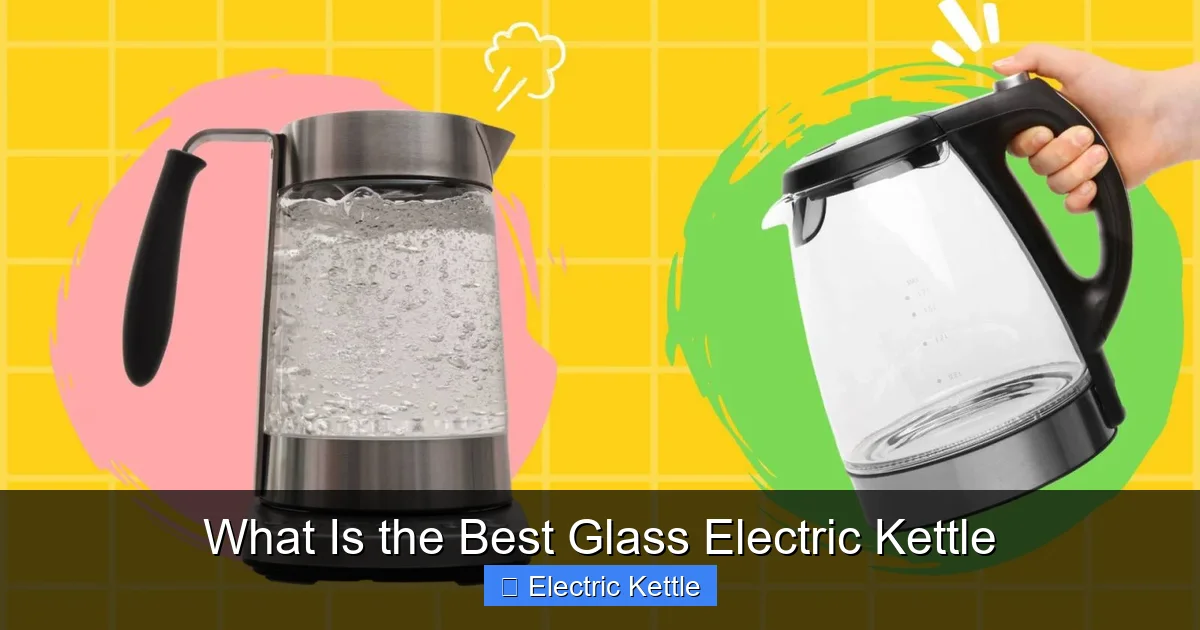
Visual guide about What Is the Best Glass Electric Kettle
Image source: campfirehq.org
Not all glass electric kettles are built the same. To find the best one for your kitchen, focus on these key features. They’ll help you avoid common pitfalls and ensure you get a kettle that’s safe, efficient, and built to last.
Temperature Control and Preset Settings
One of the biggest upgrades in modern electric kettles is variable temperature control. Instead of just boiling water to 212°F (100°C), many high-end glass kettles let you select specific temperatures for different beverages. Green tea, for example, brews best at around 175°F (80°C), while French press coffee needs near-boiling water at 200°F (93°C).
Look for kettles with preset options—like “Green Tea,” “White Tea,” “Coffee,” and “Boil”—that automatically heat to the ideal temperature. Some even have a “Keep Warm” function that maintains your water at the desired heat for up to an hour. This is especially useful if you’re brewing multiple cups or preparing a full tea service.
Capacity and Size
Most glass electric kettles range from 1 to 1.8 liters. A 1.7-liter model is the sweet spot for most households—it’s enough for 6–8 cups of tea or coffee without taking up too much counter space. If you live alone or have a small kitchen, a 1-liter kettle might be more practical. Just remember: larger kettles take longer to heat and use more energy, so choose based on your typical usage.
Also consider the kettle’s footprint. Some models are tall and narrow, while others are short and wide. Measure your counter space and cabinet clearance before buying. A kettle that’s too tall might not fit under your cabinets, and one that’s too wide could crowd your workspace.
Safety Features
Safety should never be an afterthought. The best glass electric kettles come with multiple built-in protections. Auto shut-off is essential—it turns the kettle off once the water reaches boiling point, preventing overheating and energy waste. Boil-dry protection is equally important; it shuts off the kettle if there’s no water inside, reducing the risk of fire or damage.
Cool-touch handles and bases are another must-have. Even though the glass gets hot, the handle should stay safe to hold. Some kettles also have a locking lid to prevent spills during pouring. And if you have kids or pets, look for models with a secure lid and stable base to avoid accidents.
Ease of Cleaning and Maintenance
Mineral buildup is the enemy of any electric kettle, especially in hard water areas. Over time, limescale can clog the heating element, reduce efficiency, and affect taste. The best glass kettles make cleaning easy. Look for a wide mouth opening, removable lids, and smooth interiors without hard-to-reach crevices.
Many models include a mesh filter at the spout to catch scale and debris. Some even have a descaling function or come with a cleaning kit. Regular maintenance—like running a vinegar-water solution through the kettle once a month—can keep it running smoothly for years.
Noise Level and Speed
No one wants a kettle that sounds like a jet engine. While all electric kettles make some noise, glass models tend to be quieter than metal ones because the glass dampens sound. Look for kettles with insulated walls or quiet-boil technology if noise is a concern.
Boiling speed matters too. Most glass electric kettles heat water in 3–5 minutes, depending on capacity and wattage. Higher wattage (1500W or more) means faster boiling, but also higher energy use. Balance speed with efficiency based on your needs.
Top 5 Glass Electric Kettles in 2024
To help you narrow down your choices, here are five of the best glass electric kettles currently on the market. Each offers a unique blend of features, design, and performance.
1. Breville BKE820XL IQ Electric Glass Kettle
The Breville IQ is a premium choice for serious tea and coffee lovers. It features six preset temperature settings, a keep-warm function, and a sleek glass body with a stainless steel base. The gooseneck spout allows for precise pouring, making it ideal for pour-over coffee. It also has a soft-opening lid to prevent steam burns and a removable scale filter. At around $150, it’s an investment—but one that pays off in performance and durability.
2. Cuisinart CPK-17 PerfecTemp Glass Kettle
This popular model offers six temperature presets, a 1.7-liter capacity, and a blue LED light that glows during heating. The borosilicate glass body is durable and easy to clean, and the kettle includes auto shut-off and boil-dry protection. Priced around $80–$100, it’s a great mid-range option with smart features and reliable performance.
3. Hamilton Beach 40880 Glass Electric Kettle
For budget-conscious buyers, the Hamilton Beach 40880 delivers excellent value. It has a 1.7-liter capacity, auto shut-off, and a simple one-touch operation. The glass body is clear and sturdy, and the kettle boils water quickly. While it lacks temperature control, it’s a solid choice for basic boiling needs at under $50.
4. OXO Brew Glass Electric Kettle
The OXO Brew combines style and function with a minimalist design and user-friendly features. It has a 1.7-liter capacity, auto shut-off, and a wide opening for easy filling and cleaning. The kettle includes a reusable mesh filter and a comfortable, non-slip handle. Priced around $70, it’s a great balance of affordability and quality.
5. Fellow Stagg EKG Electric Pour-Over Kettle
While not fully glass, the Fellow Stagg EKG has a glass temperature gauge and a sleek, modern design. It’s a gooseneck kettle with precise temperature control (from 135°F to 212°F) and a built-in timer. Perfect for coffee enthusiasts, it’s priced around $160 and built to last.
How to Maintain Your Glass Electric Kettle
Even the best glass electric kettle needs regular care to perform at its best. Here’s how to keep yours in top condition.
Cleaning Tips
Start by unplugging the kettle and letting it cool completely. Remove the lid and wash the interior with warm, soapy water. Use a soft sponge or brush to scrub away any residue. For tough limescale, mix equal parts water and white vinegar, fill the kettle, and let it sit for 30 minutes. Boil the solution, then rinse thoroughly with clean water.
Descaling Routine
In hard water areas, descale your kettle once a month. Use a commercial descaling solution or the vinegar method above. Never use abrasive cleaners or steel wool, as they can scratch the glass.
Storage and Handling
Store your kettle in a dry place with the lid off to prevent moisture buildup. Avoid dropping or knocking it against hard surfaces. And always use the handle—don’t lift it by the spout or base.
Conclusion
Finding the best glass electric kettle isn’t just about picking the prettiest one on the shelf. It’s about choosing a appliance that delivers pure taste, reliable performance, and long-term value. Glass kettles offer a clean, chemical-free way to boil water, and with features like temperature control, safety mechanisms, and easy cleaning, they’re a smart upgrade for any kitchen.
Whether you’re brewing a delicate green tea or making a quick cup of instant coffee, the right kettle can make all the difference. Look for borosilicate glass, thoughtful design, and user-friendly features. And don’t forget to maintain it regularly to keep it running smoothly.
Investing in a high-quality glass electric kettle is more than a purchase—it’s a commitment to better-tasting beverages and a more enjoyable daily routine. So go ahead, pour yourself a cup, and taste the difference.
Frequently Asked Questions
Is a glass electric kettle safe to use?
Yes, as long as it’s made with borosilicate glass and includes safety features like auto shut-off and boil-dry protection. These features prevent overheating and reduce the risk of accidents.
Can I put a glass kettle in the dishwasher?
Most glass kettles are not dishwasher-safe due to electrical components. Always hand wash the glass parts and wipe the base with a damp cloth.
Do glass kettles break easily?
High-quality glass kettles made with borosilicate glass are very durable and resistant to thermal shock. They’re less likely to break than regular glass when exposed to temperature changes.
How long do glass electric kettles last?
With proper care, a good glass electric kettle can last 5–7 years or more. Regular cleaning and descaling help extend its lifespan.
Can I boil milk in a glass electric kettle?
It’s not recommended. Milk can scorch, leave residue, and damage the heating element. Stick to water and water-based beverages.
Do glass kettles use more electricity?
No, glass kettles are just as energy-efficient as metal ones. Wattage and usage habits matter more than material when it comes to energy consumption.