Descaling your electric kettle regularly is essential for performance, taste, and longevity. The best way to descale an electric kettle involves using natural solutions like white vinegar or lemon juice, which effectively dissolve limescale without harsh chemicals. With a few simple steps, you can keep your kettle running smoothly and your tea tasting fresh.
Key Takeaways
- Use white vinegar or lemon juice: These natural acids break down limescale safely and effectively without damaging your kettle.
- Descale every 1-2 months: Regular maintenance prevents buildup and keeps your kettle efficient, especially in hard water areas.
- Never use abrasive cleaners: Scrubbing with steel wool or harsh chemicals can scratch the interior and ruin the heating element.
- Rinse thoroughly after descaling: Multiple rinses ensure no vinegar or lemon taste remains in your water or beverages.
- Check your kettle’s manual: Some models have specific descaling instructions or recommend certain solutions.
- Prevent scale with filtered water: Using filtered or distilled water reduces mineral buildup over time.
- Look for signs of limescale: White flakes, cloudy water, or slower heating are clear indicators it’s time to descale.
📑 Table of Contents
- What Is the Best Way to Descale an Electric Kettle
- Why Descaling Your Electric Kettle Matters
- Top Methods to Descale an Electric Kettle
- Step-by-Step Guide: How to Descale Your Electric Kettle Safely
- How Often Should You Descale Your Electric Kettle?
- Tips to Prevent Limescale Buildup
- Common Mistakes to Avoid When Descaling
- Conclusion
What Is the Best Way to Descale an Electric Kettle
If you’ve ever noticed a chalky white residue at the bottom of your electric kettle or your morning tea tasting a little off, you’re not alone. That’s limescale—mineral deposits left behind when hard water is heated. Over time, this buildup can affect your kettle’s performance, reduce heating efficiency, and even alter the taste of your water. The good news? Descaling your electric kettle is simple, affordable, and takes just a few minutes. But with so many methods out there—vinegar, baking soda, commercial cleaners—what is the best way to descale an electric kettle?
In this guide, we’ll walk you through everything you need to know about descaling your electric kettle safely and effectively. Whether you’re dealing with a light film or a thick crust of scale, we’ll cover the most reliable techniques, explain why they work, and help you avoid common mistakes. By the end, you’ll have a clean, efficient kettle that brews your favorite drinks just the way you like them—without any weird aftertaste.
Why Descaling Your Electric Kettle Matters
You might be thinking, “It’s just a little buildup—how bad can it really be?” The truth is, limescale isn’t just an eyesore. It’s a silent performance killer. When minerals like calcium and magnesium accumulate inside your kettle, they form a thick layer on the heating element and interior walls. This layer acts as an insulator, forcing your kettle to work harder and longer to heat water. The result? Longer wait times, higher energy bills, and reduced lifespan of your appliance.
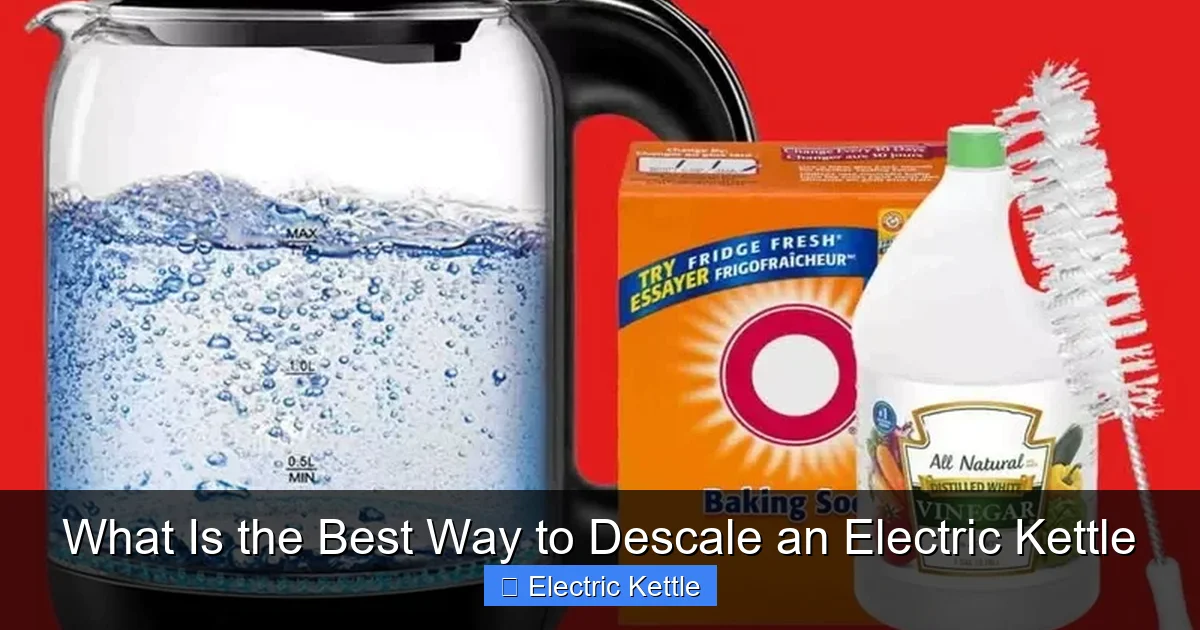
Visual guide about What Is the Best Way to Descale an Electric Kettle
Image source: irrorwxhiqijjr5q.ldycdn.com
But the problems don’t stop there. Limescale can flake off into your water, leaving behind tiny white particles that float in your cup. Even if you don’t see them, the minerals can affect the flavor of your tea, coffee, or hot chocolate. Imagine sipping your favorite Earl Grey only to taste a faint metallic or chalky undertone—yuck. Plus, over time, heavy scale buildup can clog small vents or sensors, leading to malfunctions or even complete failure.
How Limescale Forms
Limescale forms when hard water—water with high levels of dissolved minerals—is heated. As the water reaches boiling point, calcium and magnesium carbonate precipitate out of the solution and cling to surfaces. The hotter the water and the more frequently you use your kettle, the faster scale builds up. If you live in an area with hard water (common in many parts of the U.S., UK, and Australia), you’ll likely notice scale forming within weeks of regular use.
Even if your water seems clear, don’t be fooled. The minerals are invisible until they accumulate. That’s why prevention and regular cleaning are so important. Think of descaling like changing the oil in your car—it’s a small task that makes a big difference in performance and longevity.
Signs It’s Time to Descale
How do you know when your kettle needs a deep clean? Look for these common signs:
- White or gray deposits: Chalky residue at the bottom or along the walls of the kettle.
- Slower heating: Your kettle takes noticeably longer to boil water than it used to.
- Strange tastes or odors: Your tea or coffee tastes off, or you notice a metallic or sour smell.
- Floating particles: Tiny white flakes in your water after boiling.
- Reduced water flow: If your kettle has a spout or filter, scale may block it, causing weak or uneven pouring.
If you spot any of these, it’s time to take action. The sooner you descale, the easier the process will be—and the better your kettle will perform.
Top Methods to Descale an Electric Kettle
Now that you understand why descaling matters, let’s get into the how. There are several ways to remove limescale, but not all methods are created equal. Some are safer, more effective, or gentler on your appliance. Below, we’ll explore the most popular and reliable techniques, ranked by effectiveness and ease of use.
1. White Vinegar Method (The Gold Standard)
The best way to descale an electric kettle is with white vinegar. It’s cheap, widely available, and incredibly effective at dissolving limescale. Vinegar contains acetic acid, which reacts with calcium carbonate (the main component of scale) to break it down into water, carbon dioxide, and soluble salts. The result? A clean, scale-free kettle in under an hour.
Here’s how to do it:
- Mix equal parts white vinegar and water. For most kettles, fill it halfway with water, then add the same amount of white vinegar. For example, if your kettle holds 1 liter, use 500ml water and 500ml vinegar.
- Boil the solution. Turn on your kettle and let it boil. The heat helps accelerate the chemical reaction.
- Let it sit. Once boiled, turn off the kettle and let the vinegar solution sit for 30–60 minutes. For heavy buildup, you can leave it overnight.
- Scrub gently (if needed). Use a soft sponge or brush to loosen any remaining scale. Avoid abrasive tools that could scratch the surface.
- Rinse thoroughly. Empty the kettle, rinse it several times with clean water, and boil fresh water 1–2 times to remove any lingering vinegar taste.
Pro Tip: If the vinegar smell bothers you, add a slice of lemon or a teaspoon of baking soda to neutralize it during the rinse cycle.
2. Lemon Juice Method (Natural and Fresh)
If you prefer a more natural, citrusy approach, lemon juice is another excellent option. Like vinegar, lemon juice contains citric acid, which effectively dissolves limescale. It also leaves behind a fresh scent, making it a favorite among eco-conscious users.
To descale with lemon juice:
- Cut a lemon in half and squeeze the juice into the kettle. Use about 1–2 lemons, depending on the size of your kettle.
- Add water to cover the bottom. Fill the kettle with enough water to submerge the scale-covered areas.
- Boil and soak. Bring the mixture to a boil, then let it sit for 30–60 minutes.
- Scrub and rinse. Use a soft cloth to wipe away loosened scale, then rinse thoroughly and boil fresh water twice.
Bonus: You can also use lemon slices instead of juice. Just drop 2–3 slices into the kettle, add water, and follow the same steps. The citric acid will still do the job, and your kettle will smell amazing.
3. Baking Soda Method (For Light Buildup)
Baking soda (sodium bicarbonate) is a mild abrasive and alkaline cleaner that can help with light scale or as a follow-up to vinegar or lemon. While it’s not as strong as acid-based cleaners, it’s great for maintenance and deodorizing.
To use baking soda:
- Make a paste. Mix 2–3 tablespoons of baking soda with a small amount of water to form a thick paste.
- Apply to affected areas. Use a soft sponge to gently scrub the inside of the kettle, focusing on scale buildup.
- Rinse well. Empty the paste, rinse thoroughly, and boil fresh water once to ensure no residue remains.
Note: Baking soda works best when combined with vinegar. Try the “fizz test”: sprinkle baking soda on the scale, then add a few drops of vinegar. If it fizzes, the reaction is helping break down the minerals. Rinse after 10–15 minutes.
4. Commercial Descaling Solutions (Convenient but Costly)
If you’re short on time or prefer a ready-made solution, commercial descalers are available at most supermarkets or online. Brands like Durgol, Viakal, and Finish offer kettle-specific formulas that are safe and effective.
These products typically come in liquid or powder form and are designed to dissolve scale quickly. Follow the instructions on the label—most require you to mix the solution with water, boil, soak, and rinse.
Pros: Fast, convenient, and often formulated for specific appliances.
Cons: More expensive than DIY methods, and some contain chemicals you may want to avoid.
Tip: Always check that the product is safe for electric kettles and food-contact surfaces. Avoid using industrial-strength cleaners not intended for kitchen use.
5. Citric Acid Powder (Professional-Grade Cleaning)
For those who want a powerful, eco-friendly alternative, citric acid powder is a top choice. It’s widely used in commercial kitchens and is highly effective at removing tough limescale.
To use citric acid:
- Dissolve 1–2 tablespoons in warm water. Add to your kettle until it’s about half full.
- Boil and soak. Bring to a boil, then let sit for 30–60 minutes.
- Rinse thoroughly. Empty, rinse multiple times, and boil fresh water to remove any residue.
Citric acid is odorless and leaves no aftertaste, making it ideal for frequent use. It’s also biodegradable and safe for the environment.
Step-by-Step Guide: How to Descale Your Electric Kettle Safely
Now that you know the best methods, let’s walk through a foolproof step-by-step process using the vinegar method—our top recommendation for most users.
What You’ll Need
- White vinegar
- Water
- Soft sponge or brush
- Measuring cup
- Clean cloth
Step 1: Prepare the Solution
Unplug your kettle and let it cool completely. Never descale a hot or recently used kettle—thermal shock can damage the heating element. Once cool, mix equal parts white vinegar and water. For a standard 1-liter kettle, use 500ml of each. Pour the mixture into the kettle, making sure it covers all scale-covered areas.
Step 2: Boil the Mixture
Plug in your kettle and turn it on. Let it boil normally. You’ll likely notice bubbles and possibly a strong vinegar smell—this is normal. The heat helps the acetic acid penetrate and break down the limescale more effectively.
Step 3: Let It Soak
Once boiled, unplug the kettle and let the vinegar solution sit for at least 30 minutes. For heavy buildup, leave it for 1–2 hours or even overnight. The longer it sits, the more scale will dissolve.
Step 4: Scrub Gently
After soaking, use a soft sponge or non-abrasive brush to gently scrub the interior. Focus on areas with visible scale. Avoid metal scrubbers or steel wool—they can scratch stainless steel or damage non-stick coatings.
Step 5: Rinse Thoroughly
Empty the vinegar solution and rinse the kettle several times with clean water. Fill it with fresh water, boil it, and discard the water. Repeat this process 1–2 more times to ensure all vinegar taste and smell are gone.
Step 6: Wipe and Dry
Use a clean, dry cloth to wipe the exterior and interior. Leave the kettle open to air dry completely before your next use.
Final Tip: If you’re sensitive to smells, add a teaspoon of baking soda to the final rinse water to neutralize any lingering vinegar odor.
How Often Should You Descale Your Electric Kettle?
The frequency of descaling depends on how often you use your kettle and the hardness of your water. As a general rule:
- Soft water areas: Descale every 2–3 months.
- Moderate hard water: Descale every 1–2 months.
- Very hard water: Descale every 3–4 weeks.
If you use your kettle multiple times a day—say, for tea, coffee, or instant noodles—you may need to descale more often. Conversely, if you only use it occasionally, you can stretch the interval a bit.
Proactive Tip: Keep an eye on your kettle. The first sign of scale is your cue to clean. Don’t wait until it’s thick and crusty—early intervention makes the process quicker and easier.
Tips to Prevent Limescale Buildup
While descaling is essential, prevention is even better. Here are some simple habits to reduce scale formation and extend the time between cleanings:
Use Filtered or Distilled Water
The easiest way to prevent limescale is to use water with fewer minerals. Filtered water removes many of the calcium and magnesium ions that cause scale. Distilled water is even better—it’s nearly mineral-free. While it may cost a bit more, the savings in appliance longevity and energy efficiency are worth it.
Empty the Kettle After Use
Don’t let water sit in your kettle for long periods. Residual water evaporates, leaving behind concentrated minerals that accelerate scale formation. After each use, pour out any leftover water and leave the lid open to dry.
Wipe the Interior Weekly
Once a week, give the inside of your kettle a quick wipe with a damp cloth. This removes light mineral deposits before they harden into scale.
Choose a Kettle with a Removable Limescale Filter
Many modern electric kettles come with built-in filters in the spout that catch scale particles. These filters are easy to remove and clean, helping keep your water clear and your kettle functioning smoothly.
Descale Proactively
Even if you don’t see scale, a monthly vinegar rinse can prevent buildup. Think of it as a “maintenance clean”—quick, easy, and highly effective.
Common Mistakes to Avoid When Descaling
Even with the best intentions, it’s easy to make mistakes that can damage your kettle or reduce cleaning effectiveness. Here are the most common pitfalls and how to avoid them:
Using Abrasive Cleaners or Tools
Steel wool, harsh scouring pads, or strong chemical cleaners can scratch the interior of your kettle, especially if it’s made of stainless steel or has a non-stick coating. Scratches create grooves where scale can accumulate more easily. Always use soft sponges or brushes.
Not Rinsing Thoroughly
Skipping the rinse step is a recipe for vinegary tea. Residual acid can affect taste and, over time, corrode internal components. Always rinse multiple times and boil fresh water to flush out any traces.
Descaling a Hot Kettle
Never add vinegar or any cleaning solution to a hot kettle. The sudden temperature change can damage the heating element or cause the solution to splash. Always let the kettle cool completely first.
Using the Wrong Type of Vinegar
Stick to white distilled vinegar. Apple cider vinegar or flavored vinegars can leave behind odors or residues. White vinegar is pure, odorless (after rinsing), and highly effective.
Ignoring the Manufacturer’s Instructions
Some kettles have specific descaling guidelines. For example, certain models may recommend against using vinegar or suggest a particular cleaning frequency. Always check your user manual before starting.
Conclusion
So, what is the best way to descale an electric kettle? The answer is simple: use white vinegar or lemon juice in a gentle, step-by-step process that prioritizes safety and thoroughness. These natural, affordable solutions effectively dissolve limescale without harming your appliance or affecting the taste of your drinks.
Regular descaling not only keeps your kettle looking and working like new but also ensures your tea, coffee, and other hot beverages taste their best. By making descaling a part of your routine—and adopting preventive habits like using filtered water—you’ll extend the life of your kettle and enjoy cleaner, better-tasting water every time you boil.
Don’t wait for scale to build up. Take a few minutes today to give your kettle the care it deserves. Your taste buds—and your wallet—will thank you.
Frequently Asked Questions
Can I use apple cider vinegar to descale my kettle?
It’s not recommended. Apple cider vinegar contains additional compounds and a stronger odor that can leave behind residue or affect the taste of your water. Stick to white distilled vinegar for the best results.
Is it safe to drink water after descaling with vinegar?
Yes, as long as you rinse the kettle thoroughly and boil fresh water 1–2 times after descaling. This removes any lingering vinegar taste or smell, making the water safe and pleasant to drink.
How do I know if my water is hard?
Hard water leaves spots on glasses, reduces soap lather, and causes scale buildup in appliances. You can test your water with a home hardness test kit or check your local water report online.
Can I descale a plastic electric kettle?
Yes, but be extra cautious. Avoid high heat and strong acids. Use diluted vinegar or lemon juice and rinse thoroughly. Check the manufacturer’s guidelines to ensure compatibility.
What if my kettle still smells after descaling?
Add a teaspoon of baking soda to a full kettle of water, boil, and let it sit for 10 minutes. This neutralizes odors. Rinse well and boil fresh water to finish.
Can I use descaling tablets in my electric kettle?
Only if they’re specifically designed for kettles and food-safe. Avoid using tablets made for coffee machines or industrial use, as they may contain harsh chemicals.