An electric kettle is a modern kitchen appliance designed to quickly and efficiently boil water using electricity. It’s perfect for making tea, coffee, instant meals, and more—offering convenience, energy efficiency, and safety over stovetop methods.
Key Takeaways
- Fast and Efficient Boiling: Electric kettles heat water much faster than stovetop kettles, often in under 5 minutes, saving time and energy.
- Convenience for Daily Use: Ideal for making tea, coffee, instant noodles, oatmeal, and baby formula with minimal effort.
- Energy-Saving Design: Uses less electricity than boiling water on a stove, making it an eco-friendly choice for frequent use.
- Built-in Safety Features: Most models include auto shut-off, boil-dry protection, and cool-touch exteriors to prevent accidents.
- Temperature Control Options: Advanced kettles allow precise temperature settings for different beverages like green tea or French press coffee.
- Easy to Clean and Maintain: Removable filters and smooth interiors make cleaning simple and help prevent mineral buildup.
- Space-Saving and Portable: Compact design fits easily on countertops and can be used in offices, dorms, or while traveling.
📑 Table of Contents
What Is the Purpose of an Electric Kettle?
Imagine starting your morning with a steaming cup of coffee or winding down in the evening with a soothing cup of herbal tea. Now picture doing it all without waiting for a pot to boil on the stove. That’s where the electric kettle comes in—a simple yet powerful kitchen tool that has become a staple in homes, offices, and dorm rooms around the world.
At its core, the purpose of an electric kettle is to heat water quickly and efficiently using electricity. Unlike traditional stovetop kettles that rely on gas or electric burners, electric kettles have built-in heating elements that directly warm the water inside. This design allows them to boil water faster, use less energy, and offer greater safety and convenience. Whether you’re making your morning tea, preparing instant soup, or sterilizing baby bottles, an electric kettle makes the process smoother and more reliable.
But the benefits go beyond just speed. Electric kettles are engineered with modern features like automatic shut-off, temperature control, and insulated bodies that keep the exterior cool to the touch. These innovations not only improve safety but also enhance the overall user experience. From students in small apartments to busy professionals in offices, people from all walks of life rely on electric kettles to simplify daily routines.
How Does an Electric Kettle Work?
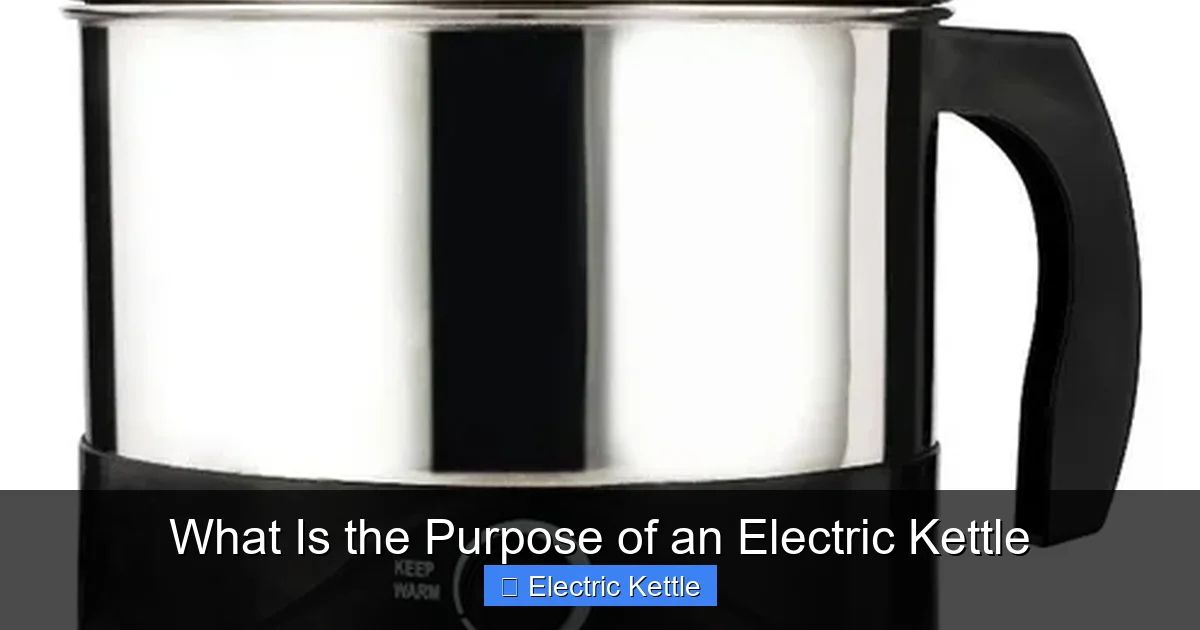
Visual guide about What Is the Purpose of an Electric Kettle
Image source: 5.imimg.com
To truly understand the purpose of an electric kettle, it helps to know how it works. At first glance, it looks like a simple appliance—just a container with a lid, a handle, and a power cord. But beneath its sleek exterior lies a clever system designed for efficiency and safety.
When you plug in the kettle and press the switch, electricity flows through a heating element located at the base of the unit. This element, usually made of stainless steel or another heat-conductive metal, rapidly heats up and transfers that heat directly to the water. Because the heating element is submerged or closely integrated with the water chamber, the transfer of heat is much more direct and efficient than a stove, where heat must travel from the burner to the pot and then to the water.
Most electric kettles are equipped with a thermostat—a small device that monitors the water temperature. Once the water reaches boiling point (around 212°F or 100°C at sea level), the thermostat triggers an automatic shut-off mechanism. This not only prevents over-boiling but also saves energy and reduces the risk of damage or fire. Some advanced models go a step further by allowing you to set specific temperatures, such as 160°F for green tea or 195°F for French press coffee.
Another key component is the lid and spout design. The lid typically has a secure seal to prevent spills, while the spout is shaped for smooth pouring. Many kettles also include a removable mesh filter at the spout to catch limescale and other impurities, especially in areas with hard water.
Key Components of an Electric Kettle
Understanding the internal parts of an electric kettle can help you appreciate its functionality and make better purchasing decisions. Here are the main components:
- Heating Element: The heart of the kettle, responsible for converting electrical energy into heat. It’s usually concealed under the base to prevent contact with water and users.
- Thermostat: Monitors water temperature and signals the kettle to turn off when boiling is complete.
- Power Base: The part that connects to the electrical outlet. In cordless models, the kettle lifts off the base for easy pouring.
- Lid and Seal: Keeps steam and water contained during heating and allows for safe filling and pouring.
- Water Level Indicator: A transparent window or marked lines that show how much water is inside, helping you avoid overfilling or underfilling.
- Auto Shut-Off Switch: A safety feature that cuts power when the water boils or if the kettle is turned on without water.
- Boil-Dry Protection: Prevents the heating element from burning out if the kettle is accidentally turned on empty.
These components work together seamlessly to deliver hot water quickly and safely. Whether you’re using a basic model or a high-end smart kettle, the core purpose remains the same: to make boiling water effortless.
Common Uses and Everyday Applications
The primary purpose of an electric kettle is to boil water, but its applications go far beyond that. In fact, it’s one of the most versatile appliances in the modern kitchen. Let’s explore some of the most common and practical uses.
Brewing Tea and Coffee
One of the most popular uses of an electric kettle is making tea and coffee. Different types of tea require different water temperatures for optimal flavor. For example, green tea tastes best when brewed at around 160–180°F, while black tea needs near-boiling water at 200–212°F. Many modern electric kettles come with preset temperature settings, allowing you to select the perfect heat level with the push of a button.
Similarly, coffee enthusiasts appreciate electric kettles for pour-over methods like the French press or Chemex. These techniques require precise water temperature and a controlled pour, which a gooseneck spout on some kettles can provide. Instead of guessing when water is hot enough, you can rely on the kettle’s accuracy.
Preparing Instant Meals
Busy mornings or late-night cravings often call for quick meals. Electric kettles make it easy to prepare instant noodles, oatmeal, soup mixes, and hot cereals. Simply add the ingredients to a bowl, pour in the hot water from the kettle, and let it sit for a few minutes. This method is not only fast but also requires minimal cleanup—no pots to scrub or stovetops to wipe.
For students living in dorms or travelers in hotel rooms, an electric kettle can be a game-changer. It allows them to enjoy homemade-style meals without access to a full kitchen.
Sterilizing and Cleaning
Another important purpose of an electric kettle is sterilization. Parents often use it to boil water for baby bottles, pacifiers, and other feeding equipment. Boiling water kills bacteria and ensures a safe, clean environment for infants.
It’s also useful for cleaning small items like thermometers, toothbrush heads, or reusable straws. Just submerge the items in water and boil for a few minutes. This method is more hygienic than washing with soap and water alone.
Making Hot Beverages Beyond Tea and Coffee
Electric kettles aren’t just for tea and coffee. You can use them to make hot chocolate, apple cider, mulled wine, or even herbal infusions like chamomile or ginger tea. Some people even use them to dissolve honey or sugar in warm drinks more efficiently.
Cooking and Food Preparation
Believe it or not, electric kettles can assist in actual cooking. For example, you can use boiling water to blanch vegetables, cook eggs, or rehydrate dried foods like mushrooms or beans. While it’s not a replacement for a full stove, it’s a handy backup when your kitchen is crowded or you’re in a hurry.
Benefits of Using an Electric Kettle
Now that we’ve covered the various uses, let’s dive into why electric kettles are such a valuable addition to any home. The benefits go beyond convenience—they touch on efficiency, safety, and even environmental impact.
Speed and Efficiency
One of the biggest advantages of an electric kettle is how fast it boils water. On average, it takes about 3 to 5 minutes to boil a full liter of water, compared to 8 to 10 minutes on a stovetop. This speed comes from the direct heating method, which minimizes heat loss.
Because electric kettles are so efficient, they use less energy overall. Studies have shown that they can be up to 50% more energy-efficient than boiling water on a gas or electric stove. This not only saves money on your utility bill but also reduces your carbon footprint.
Safety Features
Safety is a major concern when dealing with hot water and electricity. Fortunately, modern electric kettles are designed with multiple safety mechanisms. The most important is the automatic shut-off, which turns the kettle off as soon as the water reaches boiling point. This prevents overheating and reduces the risk of fire.
Many models also include boil-dry protection, which detects when there’s no water inside and cuts power to avoid damaging the heating element. Additionally, the exterior of most kettles stays cool to the touch, thanks to insulated materials and ergonomic handles. This makes them safer to use around children and pets.
Energy and Cost Savings
Electric kettles are not only faster but also more economical in the long run. Because they heat water directly and shut off automatically, they avoid the energy waste that comes from leaving a stove burner on too long. Over time, this can lead to noticeable savings on your electricity bill.
For households that boil water multiple times a day—like families that drink tea or coffee regularly—an electric kettle can pay for itself in energy savings within a few months.
Precision and Control
High-end electric kettles offer variable temperature settings, allowing you to choose the exact heat level for different beverages. This precision ensures that delicate teas aren’t scorched and that coffee extracts properly. Some models even have a “keep warm” function that maintains the water at a set temperature for up to an hour.
This level of control is difficult to achieve with a stovetop kettle, where you have to guess when the water is ready. With an electric kettle, you get consistent results every time.
Portability and Space-Saving Design
Electric kettles are compact and lightweight, making them ideal for small spaces. They’re perfect for studio apartments, RVs, dorm rooms, and offices. Many cordless models allow you to lift the kettle off the base for easy pouring, reducing the risk of spills.
Their portability also makes them great travel companions. Some travelers bring a small electric kettle on trips to ensure access to hot water for tea, coffee, or instant meals—especially in countries where tap water isn’t safe to drink.
Choosing the Right Electric Kettle
With so many options on the market, selecting the right electric kettle can feel overwhelming. But by focusing on your needs and priorities, you can find a model that fits your lifestyle.
Capacity
Electric kettles come in various sizes, typically ranging from 0.5 liters to 1.7 liters. A smaller kettle is great for individuals or small households, while larger models are better for families or frequent entertainers. Consider how much water you typically boil at once.
Material
The most common materials are stainless steel, plastic, and glass. Stainless steel is durable, easy to clean, and retains heat well. Plastic is lightweight and affordable but may retain odors over time. Glass kettles are stylish and allow you to see the water boiling, but they can be fragile.
Temperature Control
If you’re a tea or coffee connoisseur, look for a kettle with multiple temperature settings. Basic models boil to 212°F, while advanced ones offer presets for green tea, white tea, coffee, and more.
Additional Features
Consider extras like a gooseneck spout for precise pouring, a keep-warm function, a water filter, or a digital display. Some smart kettles even connect to apps for remote control and scheduling.
Budget
Electric kettles range from under $20 to over $100. While basic models get the job done, investing in a higher-quality kettle can improve performance, durability, and safety.
Maintenance and Care Tips
To keep your electric kettle working efficiently and safely, regular maintenance is essential. Here are some simple tips:
- Descale Regularly: Mineral buildup from hard water can affect performance. Use a mixture of vinegar and water or a commercial descaling solution once a month.
- Clean the Exterior: Wipe the outside with a damp cloth and mild detergent. Avoid submerging the base in water.
- Empty After Use: Don’t leave water sitting in the kettle for long periods, as it can lead to limescale and odors.
- Check the Filter: If your kettle has a mesh filter, remove and rinse it regularly to prevent clogs.
- Store Properly: Keep the kettle in a dry place and coil the cord neatly to avoid damage.
With proper care, an electric kettle can last for many years, continuing to serve its purpose reliably.
Conclusion
The purpose of an electric kettle is simple yet profound: to make boiling water faster, safer, and more convenient. From your morning coffee to your evening tea, from instant meals to sterilizing baby bottles, this humble appliance plays a vital role in daily life. Its combination of speed, efficiency, and smart features makes it a must-have in modern kitchens.
Whether you’re a student, a busy parent, a coffee lover, or someone who just wants to save time, an electric kettle offers real value. It’s not just about boiling water—it’s about simplifying routines, saving energy, and enjoying better-tasting beverages. So the next time you press that button and hear the gentle hum of heating water, remember: you’re not just making a drink. You’re using a tool designed to make life a little easier, one cup at a time.
Frequently Asked Questions
Can an electric kettle be used to cook food?
While an electric kettle is primarily designed to boil water, it can be used for light cooking tasks like blanching vegetables, cooking eggs, or rehydrating dried foods. However, it’s not a replacement for a full stove or oven.
Is it safe to leave an electric kettle plugged in?
Yes, it’s generally safe to leave an electric kettle plugged in when not in use, as long as it’s turned off. Most models have safety features that prevent overheating, but unplugging it when not in use can save a small amount of standby power.
How often should I descale my electric kettle?
It’s recommended to descale your electric kettle once a month if you live in an area with hard water. If your water is soft, you can do it every two to three months. Regular descaling improves performance and extends the kettle’s lifespan.
Can I boil milk in an electric kettle?
It’s not recommended to boil milk in an electric kettle. Milk can scorch, spill over, and leave stubborn residues that are hard to clean. Most kettles are designed for water only, and using them for milk can damage the heating element.
Do electric kettles use a lot of electricity?
No, electric kettles are actually quite energy-efficient. They use less electricity than boiling the same amount of water on a stove because they heat water directly and shut off automatically. This makes them a cost-effective choice for frequent use.
Can I use an electric kettle for baby formula?
Yes, electric kettles are commonly used to boil water for baby formula. Just make sure the water cools to a safe temperature before mixing, and always follow your pediatrician’s guidelines for preparing infant formula.