Finding the quietest electric kettle can transform your morning routine, especially in open-plan homes or shared spaces. With advancements in noise-reducing technology, several models now offer near-silent boiling without sacrificing speed or performance.
Key Takeaways
- Noise levels matter: The quietest electric kettles operate below 50 decibels, making them ideal for early mornings or late-night tea.
- Design impacts sound: Kettles with insulated walls, soft-close lids, and vibration-dampening bases reduce operational noise significantly.
- Material plays a role: Glass and stainless steel kettles tend to be quieter than plastic ones due to better sound absorption.
- Boil-dry protection adds silence: Advanced safety features prevent loud, dry boiling and extend the kettle’s lifespan.
- Top quiet models include: The Fellow Stagg EKG, Breville BKE830XL, and Cuisinart CPK-17 are among the quietest on the market.
- Maintenance keeps it quiet: Regular descaling prevents mineral buildup that can increase noise over time.
- Usage tips help: Filling to the right level and using lower heat settings can further reduce sound.
📑 Table of Contents
What Is the Quietest Electric Kettle?
Imagine this: It’s 6 a.m., the house is still asleep, and you’re craving a hot cup of tea. You reach for your electric kettle, press the button, and… silence. No loud bubbling, no high-pitched whistling—just a gentle hum as water heats up quietly in the background. That’s the dream, right? For many, the search for the quietest electric kettle isn’t just about comfort—it’s about peace, especially in small apartments, offices, or homes with light sleepers.
Electric kettles have come a long way since their noisy, clunky predecessors. Today’s models are designed with noise reduction in mind, using advanced materials, smarter heating elements, and thoughtful engineering to keep sound levels low. But what exactly makes one kettle quieter than another? And how do you know which one truly deserves the title of “quietest”?
In this guide, we’ll explore the science behind kettle noise, break down the features that contribute to a whisper-quiet boil, and highlight some of the top-performing models on the market. Whether you’re a tea enthusiast, a coffee lover, or just someone who values a calm kitchen environment, understanding what makes an electric kettle quiet can help you make a smarter, more peaceful purchase.
Why Noise Level Matters in Electric Kettles
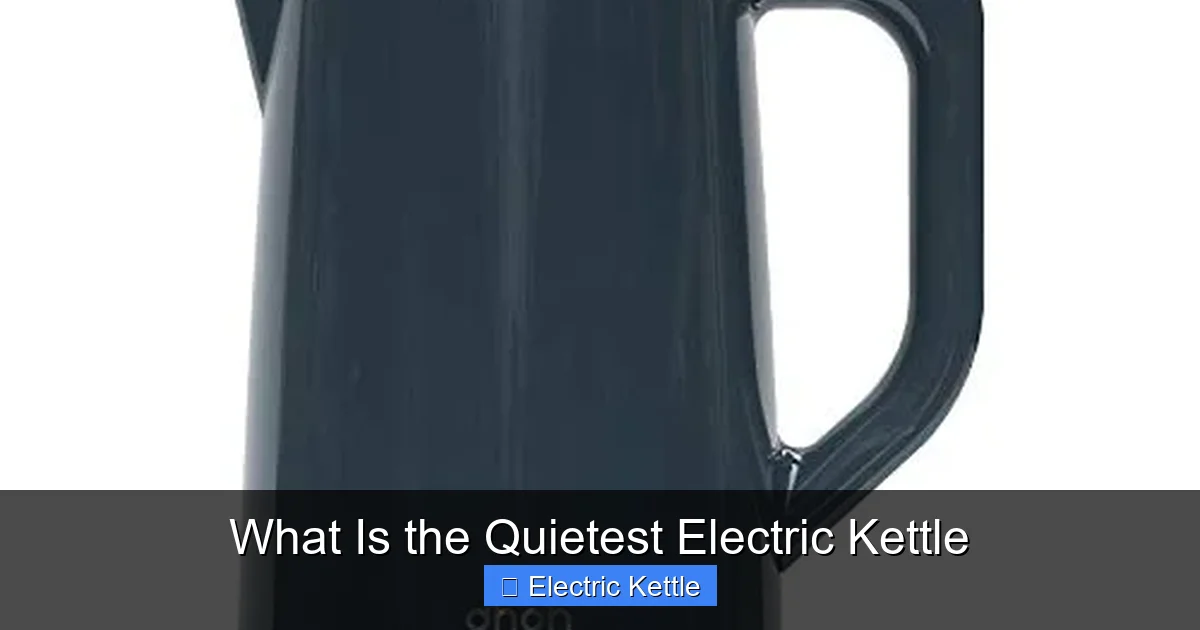
Visual guide about What Is the Quietest Electric Kettle
Image source: m.media-amazon.com
Let’s be honest—nobody wants a kettle that sounds like a jet engine taking off. But beyond the annoyance, there are practical reasons why noise level matters. In open-concept homes, a loud kettle can disrupt conversations, wake up babies, or interrupt work calls. In offices or shared living spaces, a noisy appliance can be a social liability. Even in quiet households, a loud boil can feel jarring, especially during early mornings or late evenings.
But it’s not just about volume. The type of noise matters too. Some kettles produce a high-pitched whine as they heat, while others make a deep rumbling sound when water begins to boil. These sounds can be more irritating than a simple hum, even at lower decibel levels. That’s why manufacturers are now focusing not only on reducing overall noise but also on creating a more pleasant, less intrusive sound profile.
Understanding Decibel Levels
To put it in perspective, normal conversation typically ranges from 60 to 70 decibels (dB). A quiet library is around 40 dB, while a whisper is about 30 dB. The quietest electric kettles on the market operate between 45 and 50 dB—quieter than a conversation and closer to the sound of a refrigerator humming. In contrast, many standard kettles can reach 70 dB or higher, especially during the final stages of boiling.
When shopping for a quiet kettle, look for models that specify their noise level in decibels. While not all brands publish this data, many premium manufacturers now include it as a selling point. If a brand doesn’t list decibel levels, check customer reviews for mentions of noise—real-world feedback often reveals more than marketing claims.
Impact on Daily Life
The benefits of a quiet kettle go beyond mere convenience. For people with sensory sensitivities, such as those with autism or anxiety, loud appliances can be overwhelming. A quieter kettle creates a more soothing environment, making daily routines less stressful. For shift workers or night owls, a silent boil means you can make tea at 2 a.m. without disturbing others.
Even in homes with multiple people, a quiet kettle reduces friction. No more arguments over who left the kettle on too long or who woke the baby with a loud boil. It’s a small change, but one that can significantly improve household harmony.
What Makes an Electric Kettle Quiet?
So, what’s the secret to a whisper-quiet boil? It’s not magic—it’s smart design. Several key factors contribute to how quietly an electric kettle operates. Understanding these can help you identify the best models and avoid those that are likely to be noisy.
Insulated Double-Wall Construction
One of the biggest noise reducers is double-wall insulation. Kettles with this feature have an inner and outer layer with air or vacuum in between, which not only keeps water hot longer but also dampens sound. The insulation absorbs vibrations and prevents noise from escaping, resulting in a much quieter operation.
For example, the Fellow Stagg EKG uses a double-wall stainless steel design that significantly reduces noise while also improving heat retention. This means your water stays hot longer, and you don’t have to reheat it—saving energy and reducing the need for repeated noisy boils.
Soft-Close Lid Mechanism
Ever heard a kettle lid slam shut? That sharp *clack* can be surprisingly loud, especially in a quiet kitchen. Many quiet kettles now feature soft-close lids that gently lower into place, eliminating that jarring sound. This small detail makes a big difference in overall noise levels.
Brands like Breville and Cuisinart have incorporated soft-close mechanisms into their premium models. It’s a feature that shows attention to user experience—because quiet isn’t just about the boil; it’s about every sound the kettle makes.
Vibration-Dampening Base
The base of the kettle is another common source of noise. When the heating element activates, it can cause vibrations that transfer to the countertop, creating a buzzing or rattling sound. High-quality kettles often include rubberized feet or silicone pads that absorb these vibrations, preventing them from echoing through your kitchen.
Look for models with non-slip, cushioned bases. These not only reduce noise but also protect your countertops from scratches and heat damage.
Advanced Heating Elements
The type and placement of the heating element also affect noise. Kettles with concealed heating elements—where the coil is hidden beneath a flat stainless steel plate—tend to be quieter than those with exposed coils. Exposed elements can cause more vigorous bubbling and louder sounds as water heats.
Additionally, some kettles use variable temperature control, allowing you to heat water to lower temperatures for delicate teas. Lower heat settings produce less turbulence and, therefore, less noise. This is especially useful for green or white teas that don’t require a full boil.
Material Matters
The material of the kettle body plays a role in sound absorption. Stainless steel and glass are generally quieter than plastic because they don’t resonate as much when heated. Plastic kettles can amplify sound, especially if they’re thin or poorly constructed.
Glass kettles, like the Mueller Ultra Kettle, offer the added benefit of visibility—you can watch the water heat—and they’re often very quiet due to their smooth, non-resonant surfaces. Stainless steel models, such as the Cuisinart CPK-17, combine durability with noise reduction, making them a popular choice for quiet kitchens.
Top Quiet Electric Kettles on the Market
Now that you know what to look for, let’s dive into some of the quietest electric kettles available today. These models have been praised by users and experts alike for their whisper-quiet operation, thoughtful design, and reliable performance.
Fellow Stagg EKG
The Fellow Stagg EKG is a favorite among coffee and tea professionals—and for good reason. It’s not just quiet; it’s a precision tool. With variable temperature control (from 135°F to 212°F), a gooseneck spout for perfect pouring, and a sleek stainless steel design, it’s built for those who take their hot beverages seriously.
But what makes it one of the quietest? The double-wall insulation and concealed heating element keep noise to a minimum. Users report that it’s so quiet, they often forget it’s on. Plus, the soft-close lid and stable base prevent any extra rattling. It’s a premium kettle, but if silence and precision are your priorities, it’s worth the investment.
Breville BKE830XL
Breville is known for high-performance kitchen appliances, and the BKE830XL is no exception. This kettle features a quiet boil technology that reduces noise by up to 50% compared to standard models. It has a 1.7-liter capacity, multiple temperature settings, and a keep-warm function that maintains your water temperature for up to 60 minutes.
The insulated stainless steel body and soft-close lid contribute to its quiet operation. It also includes a mesh filter to catch limescale and a removable base for easy pouring. While it’s on the pricier side, its combination of quiet performance and smart features makes it a top contender.
Cuisinart CPK-17
For a balance of affordability and quiet performance, the Cuisinart CPK-17 is hard to beat. This 1.7-liter kettle has a stainless steel exterior, concealed heating element, and a stay-cool handle. It offers six preset temperature settings for different types of tea and coffee, and it automatically shuts off when the water reaches the desired temperature.
Users consistently praise its quiet boil—many say it’s one of the quietest kettles they’ve owned. The soft-close lid and stable base help minimize noise, and the compact design fits well in smaller kitchens. It’s a great option if you want a quiet kettle without breaking the bank.
Mueller Ultra Kettle
If you prefer a glass kettle, the Mueller Ultra Kettle is an excellent choice. Made with borosilicate glass, it’s resistant to thermal shock and allows you to watch the water heat. It has a 1.8-liter capacity, a concealed heating element, and a blue LED light that illuminates during operation.
Despite being glass, it’s surprisingly quiet—thanks to its thick walls and stable base. The soft-close lid and automatic shut-off add to its user-friendly design. It’s also easy to clean and doesn’t retain odors, making it ideal for frequent use.
Bonavita BV3825T
Another gooseneck option, the Bonavita BV3825T is designed for pour-over coffee lovers. It has variable temperature control, a slow pour spout, and a compact design. Like the Fellow Stagg, it uses a concealed heating element and insulated body to reduce noise.
While it’s not as quiet as some other models, it’s still significantly quieter than standard kettles. Its precision and build quality make it a favorite among coffee enthusiasts who value both performance and peace.
Tips to Keep Your Kettle Quiet
Even the quietest kettle can become noisy over time if not properly maintained. Here are some practical tips to ensure your kettle stays as quiet as the day you bought it.
Descale Regularly
Mineral buildup from hard water is one of the biggest causes of increased noise in electric kettles. As limescale accumulates on the heating element, it can cause uneven heating, louder bubbling, and even rattling sounds. To prevent this, descale your kettle every 1–2 months, depending on water hardness.
Use a mixture of equal parts water and white vinegar. Fill the kettle, let it sit for an hour, then boil and discard the solution. Rinse thoroughly with clean water. For a gentler option, use a commercial descaling solution or citric acid.
Fill to the Right Level
Overfilling or underfilling your kettle can affect noise levels. Too little water can cause the heating element to overheat and produce a louder, more aggressive boil. Too much water increases the time it takes to heat, which can lead to more prolonged noise.
Most kettles have minimum and maximum fill lines—always stay within these limits. For most models, the ideal range is between 50% and 80% full. This ensures efficient heating and reduces stress on the element.
Use Lower Temperatures When Possible
Boiling water to 212°F (100°C) creates the most turbulence and noise. If you’re making green tea, herbal infusions, or instant coffee, you likely don’t need a full boil. Using lower temperature settings not only reduces noise but also preserves the flavor of delicate teas.
Many quiet kettles come with preset temperature options. Take advantage of these to match the water temperature to your beverage. Your ears—and your taste buds—will thank you.
Place on a Stable, Level Surface
A wobbly or uneven surface can amplify vibrations and create extra noise. Always place your kettle on a flat, stable countertop. Avoid placing it on thin plastic or metal surfaces that can resonate.
If your countertop is prone to vibrations, consider using a silicone trivet or a thick kitchen towel underneath the kettle. This adds an extra layer of sound dampening.
Avoid Boil-Dry Situations
Running your kettle without water—known as “boil-dry”—can damage the heating element and create loud, alarming noises. Most modern kettles have automatic shut-off features to prevent this, but it’s still important to always check the water level before use.
If your kettle does overheat, unplug it immediately and let it cool. Repeated boil-dry incidents can permanently damage the element and increase noise over time.
Are Quiet Kettles Worth the Investment?
You might be wondering: Is a quiet kettle really worth the extra cost? The answer depends on your lifestyle and priorities. If you live in a small space, work from home, or simply value a peaceful environment, the benefits are clear. A quiet kettle enhances your daily routine without adding stress or disruption.
But even if noise isn’t your top concern, many quiet kettles come with additional features—like temperature control, insulation, and safety mechanisms—that improve overall performance. So, you’re not just paying for silence; you’re investing in a better, more versatile appliance.
That said, you don’t need to spend hundreds of dollars to get a quiet kettle. Models like the Cuisinart CPK-17 and Mueller Ultra Kettle offer excellent noise reduction at a mid-range price. Look for key features like insulation, soft-close lids, and concealed heating elements—these are strong indicators of a quiet design.
Ultimately, the quietest electric kettle is one that fits your needs, budget, and kitchen style. With the right model, you can enjoy hot beverages anytime—without waking the house.
Conclusion
So, what is the quietest electric kettle? It’s not just one model—it’s any kettle that combines thoughtful design, quality materials, and smart engineering to minimize noise. From insulated stainless steel bodies to soft-close lids and vibration-dampening bases, the features that make a kettle quiet also make it more efficient, durable, and enjoyable to use.
Whether you choose the precision of the Fellow Stagg EKG, the smart features of the Breville BKE830XL, or the affordability of the Cuisinart CPK-17, you’re investing in a quieter, more peaceful kitchen experience. And with proper maintenance—like regular descaling and mindful usage—you can keep that silence for years to come.
In a world full of noise, sometimes the smallest changes make the biggest difference. A quiet kettle might seem like a minor upgrade, but for anyone who values calm, comfort, and convenience, it’s a game-changer. So go ahead—brew that tea, make that coffee, and enjoy the peace.
Frequently Asked Questions
What is the quietest electric kettle on the market?
The Fellow Stagg EKG and Breville BKE830XL are often cited as the quietest electric kettles, operating below 50 decibels. Both feature insulated designs and concealed heating elements that minimize noise.
How many decibels is a quiet electric kettle?
A quiet electric kettle typically operates between 45 and 50 decibels, which is quieter than a normal conversation (60–70 dB) and closer to the sound of a refrigerator.
Do glass kettles make less noise than stainless steel?
Glass kettles can be quieter than some stainless steel models because they don’t resonate as much when heated. However, thick-walled stainless steel kettles with insulation are also very quiet.
Can I make my existing kettle quieter?
Yes! Regular descaling, filling to the correct level, and placing the kettle on a stable surface can reduce noise. Using lower temperature settings also helps minimize sound.
Are quiet kettles more expensive?
Not necessarily. While premium models like the Fellow Stagg EKG are pricier, affordable options like the Cuisinart CPK-17 offer quiet performance at a mid-range price.
Do quiet kettles take longer to boil?
No, the quietest electric kettles boil just as fast as standard models. Noise reduction comes from design improvements, not reduced power or performance.