Choosing the safest electric kettle means prioritizing materials, design, and built-in safety mechanisms. From auto shut-off to boil-dry protection, modern kettles offer peace of mind—without sacrificing speed or style.
Key Takeaways
- Auto shut-off is essential: This feature turns the kettle off once water reaches boiling point, preventing overheating and energy waste.
- Boil-dry protection prevents damage: If the kettle runs without water, this safety feature cuts power to avoid fire or component failure.
- Stainless steel interiors are safest: They resist rust, don’t leach chemicals, and are easy to clean compared to plastic or aluminum.
- Avoid BPA-containing plastics: Even if labeled “BPA-free,” some plastics may still release harmful compounds when heated—opt for glass or metal instead.
- Look for certifications like UL or ETL: These indicate third-party testing for electrical and fire safety standards.
- Stable bases and cool-touch handles reduce burns: Ergonomic design matters just as much as internal safety tech.
- Regular maintenance extends safety life: Descaling and cleaning prevent mineral buildup that can affect performance and hygiene.
📑 Table of Contents
- Why Safety Should Be Your Top Priority When Buying an Electric Kettle
- Top Safety Features to Look for in an Electric Kettle
- Safe Materials: What Your Kettle Is Made Of Matters
- Certifications and Standards: How to Verify Safety Claims
- Top-Rated Safe Electric Kettles in 2024
- Common Safety Mistakes to Avoid
- Maintenance Tips to Keep Your Kettle Safe for Years
- Conclusion: Peace of Mind in Every Pour
Why Safety Should Be Your Top Priority When Buying an Electric Kettle
Let’s be honest—most of us don’t think twice about our electric kettle until something goes wrong. Maybe it starts making strange noises, leaking, or worse, overheating. But here’s the truth: your kettle isn’t just a convenience appliance—it’s a small electrical device that heats water to 212°F (100°C) in minutes. That kind of power demands respect.
When you’re searching for what is the safest electric kettle, you’re not just looking for reliability—you’re protecting your home, your family, and your health. A poorly designed or low-quality kettle can pose serious risks: electrical faults, scalding from hot surfaces, chemical leaching from plastic parts, or even fire hazards if safety features fail. In fact, according to the U.S. Consumer Product Safety Commission, thousands of kitchen appliance-related incidents occur annually—many involving heating devices like kettles.
The good news? Modern electric kettles come packed with advanced safety technologies. But not all are created equal. Some brands cut corners on materials or skip critical certifications. Others prioritize aesthetics over function. So how do you separate the truly safe options from the risky ones? It starts with understanding exactly what makes an electric kettle safe—and what red flags to avoid.
Top Safety Features to Look for in an Electric Kettle
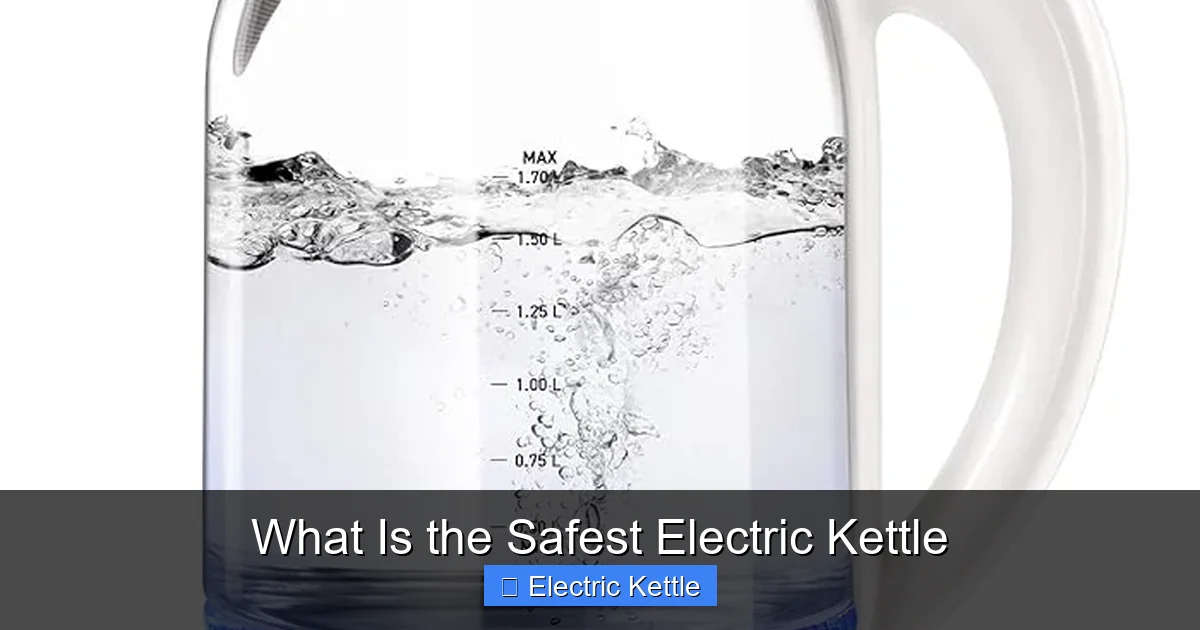
Visual guide about What Is the Safest Electric Kettle
Image source: images-na.ssl-images-amazon.com
When evaluating what is the safest electric kettle, focus on these non-negotiable safety features. Think of them as your kettle’s personal bodyguards—working behind the scenes to keep you protected.
Auto Shut-Off Function
This is arguably the most important safety feature in any electric kettle. Once the water reaches boiling temperature, the heating element automatically turns off. Without this, the kettle could continue heating dry, leading to overheating, warped components, or even fire. Most reputable models activate auto shut-off within seconds of boiling, giving you peace of mind whether you’re multitasking or momentarily distracted.
For example, the Breville BKE820XL Smart Kettle uses precise temperature control and instant shut-off to prevent over-boiling. Even if you walk away to answer a call, your kitchen stays safe.
Boil-Dry Protection
Ever accidentally turned on your kettle without water? It happens to the best of us. Boil-dry protection detects when there’s no liquid inside and cuts power immediately. This prevents the heating coil from burning out and reduces fire risk. Look for kettles that explicitly mention this feature—it’s often listed under “safety mechanisms” or “thermal protection.”
The Cuisinart CPK-17 PerfecTemp, for instance, includes robust boil-dry protection alongside its sleek design. It’s a great example of how safety doesn’t have to mean sacrificing style.
Cool-Touch Exterior and Handle
A kettle that stays cool to the touch—even while boiling—is a huge win for safety, especially in homes with kids or pets. Many high-end models use double-wall construction or insulated handles made from heat-resistant materials like silicone or reinforced plastic.
The Mueller Ultra Kettle features a fully cool-touch body, so you can grab it confidently without oven mitts. This might seem like a small detail, but it significantly reduces the risk of accidental burns.
Stable Base and Cordless Design
A wobbly kettle is a spill waiting to happen. Look for models with wide, weighted bases that sit flat on countertops. Cordless designs—where the kettle lifts off a separate base—are also safer because they minimize tripping hazards and make pouring easier and more controlled.
The OXO Brew Classic Electric Kettle has a sturdy, non-slip base and a 360-degree swivel cordless design, making it both stable and convenient.
Overheat Protection
Some kettles include secondary thermal fuses or sensors that trip if internal temperatures exceed safe limits—even if the primary auto shut-off fails. This redundancy is crucial for long-term safety, especially if you use your kettle daily.
Brands like Russell Hobbs and Hamilton Beach often integrate multi-layered thermal protection in their premium lines, offering extra peace of mind.
Safe Materials: What Your Kettle Is Made Of Matters
You wouldn’t drink from a rusty cup or eat off a chipped plate—so why risk it with your kettle? The materials used in your electric kettle directly impact both safety and taste. Let’s break down the safest (and riskiest) options.
Stainless Steel: The Gold Standard
Food-grade stainless steel (especially 304 or 18/8 grade) is widely regarded as the safest material for electric kettles. It’s non-reactive, doesn’t rust easily, resists scratches, and won’t leach chemicals into your water—even when heated repeatedly. Plus, it’s durable and easy to clean.
Models like the Secura SWK-1701DA All-Stainless Electric Kettle use 100% stainless steel interiors and exteriors, eliminating any contact between water and plastic. This is ideal for health-conscious users who want pure, untainted water every time.
Glass: Transparent and Non-Toxic
Borosilicate glass is another excellent choice. It’s heat-resistant, doesn’t absorb odors or flavors, and lets you see the water level and cleanliness at a glance. High-quality glass kettles, like the Cosori Glass Electric Kettle, are reinforced to withstand thermal shock—meaning they won’t crack if you add cold water to a hot kettle.
Just ensure the lid and handle are made from safe, heat-resistant materials (not cheap plastic). Also, handle glass kettles with care—they’re less drop-resistant than metal.
Avoid Plastic—Especially Cheap or Unlabeled Types
Plastic kettles are common due to their low cost, but they come with serious caveats. Even “BPA-free” plastics can release other endocrine-disrupting chemicals when heated. Over time, micro-scratches in plastic can harbor bacteria, and warping may occur with repeated use.
If you must choose a plastic kettle, look for Tritan™ or other certified food-safe, high-heat-resistant plastics—and never let it boil dry. However, for maximum safety, it’s best to skip plastic altogether.
Aluminum: Proceed with Caution
While lightweight and conductive, aluminum can react with acidic liquids (like lemon water) and may leach into your drink—especially if the interior coating wears off. Most modern aluminum kettles have protective linings, but these can degrade over time. Unless it’s explicitly labeled as food-safe and lined with stainless steel or enamel, it’s safer to avoid aluminum kettles.
Certifications and Standards: How to Verify Safety Claims
Anyone can slap a “safe” label on a product—but how do you know it’s legit? That’s where third-party certifications come in. These aren’t marketing gimmicks; they’re proof that your kettle has been rigorously tested for electrical, fire, and material safety.
UL Listed (Underwriters Laboratories)
A UL certification means the kettle meets strict U.S. safety standards for electrical appliances. Look for the UL logo on the packaging or base of the unit. This ensures protection against electric shock, fire, and mechanical hazards.
ETL Listed (Intertek)
Similar to UL, ETL certification indicates compliance with North American safety standards. Many imported kettles carry this mark instead of UL. Both are trustworthy—just make sure the certification is current and visible.
CE Marking (European Conformity)
If you’re in Europe or buying an imported model, the CE mark shows compliance with EU health and safety directives. However, note that CE is self-declared by manufacturers in some cases, so pair it with other certifications for full confidence.
Energy Star Certification
While not directly a safety mark, Energy Star-rated kettles are designed for efficiency and often include better thermal management—reducing the risk of overheating and extending the appliance’s lifespan.
Always check the manufacturer’s website or product manual for certification details. If a brand boasts “safety tested” but offers no proof, consider it a red flag.
Top-Rated Safe Electric Kettles in 2024
Now that you know what to look for, here are some of the safest electric kettles currently on the market—each excelling in safety, build quality, and user reviews.
1. Breville BKE820XL Smart Kettle
This premium kettle offers six preset temperature settings, perfect for different teas and coffees. But its real standout is safety: auto shut-off, boil-dry protection, cool-touch handle, and a stainless steel interior. It’s UL listed and built to last.
2. Cuisinart CPK-17 PerfecTemp
With variable temperature control and a sleek stainless steel design, this kettle combines safety with precision. It includes all major safety features and has earned high marks for reliability and ease of use.
3. Mueller Ultra Kettle
A budget-friendly option that doesn’t skimp on safety. It features a cool-touch exterior, auto shut-off, boil-dry protection, and a BPA-free plastic exterior with stainless steel interior. Great for families or first-time buyers.
4. OXO Brew Classic Electric Kettle
Known for its ergonomic design and stable base, this kettle includes auto shut-off, boil-dry protection, and a stainless steel interior. The gooseneck spout allows for precise pouring—ideal for pour-over coffee lovers.
5. Cosori Glass Electric Kettle
If you prefer transparency, this borosilicate glass model is stunning and safe. It includes all standard safety features, a stainless steel filter, and a keep-warm function. Just handle with care!
Each of these models has been independently reviewed and praised for their safety performance. Always buy from authorized retailers to avoid counterfeit units that may lack proper certifications.
Common Safety Mistakes to Avoid
Even the safest kettle can become risky if used improperly. Here are everyday habits that compromise safety—and how to fix them.
Using the Kettle Without Water
Never press the boil button unless the kettle contains water. Running it dry can damage the heating element and trigger fire risks—even with boil-dry protection, it’s better to prevent the situation entirely.
Overfilling or Underfilling
Most kettles have “min” and “max” water level markers. Ignoring them can lead to boiling over (causing steam burns or electrical shorts) or insufficient water for proper heating. Stick to the guidelines.
Neglecting Regular Cleaning
Mineral buildup from hard water can insulate the heating element, causing it to overheat. Descale your kettle every 1–2 months using vinegar or a commercial descaler. A clean kettle is a safe kettle.
Using Damaged Cords or Plugs
Frayed wires or loose plugs are fire hazards. Inspect your kettle’s cord regularly. If you notice damage, stop using it immediately and contact the manufacturer.
Leaving the Kettle Unattended
While auto shut-off helps, it’s still wise to stay nearby while boiling—especially if you have young children or pets. Accidents happen fast.
Maintenance Tips to Keep Your Kettle Safe for Years
Safety isn’t a one-time purchase—it’s an ongoing commitment. Proper maintenance ensures your kettle remains reliable and hazard-free.
Descale Regularly
Hard water leaves limescale deposits that reduce efficiency and can harbor bacteria. Use a 1:1 vinegar-water solution, boil, let sit for 30 minutes, then rinse thoroughly. For heavy buildup, repeat or use a dedicated descaling product.
Wipe Down Exteriors
Spills and splatters can attract pests or degrade materials. Wipe the outside with a damp cloth after each use. Avoid abrasive cleaners on stainless steel or glass.
Check the Filter
Many kettles have mesh filters to catch sediment. Remove and rinse it weekly to prevent clogging and ensure smooth pouring.
Store Properly
Keep your kettle in a dry, cool place. Don’t wrap the cord tightly around the base, as this can damage internal wiring over time.
Replace When Needed
Even the best kettles wear out. If you notice inconsistent heating, strange smells, or visible damage, it’s time for a replacement—don’t risk it.
Conclusion: Peace of Mind in Every Pour
Finding what is the safest electric kettle isn’t about chasing the fanciest features or the lowest price. It’s about making informed choices that prioritize your well-being. From auto shut-off and boil-dry protection to stainless steel construction and trusted certifications, every detail matters.
Remember: a safe kettle is one that works reliably, protects your health, and minimizes risks in your home. By choosing wisely and maintaining your appliance properly, you can enjoy hot water for tea, coffee, oatmeal, or instant meals—without a second thought.
Invest in safety today, and you’ll reap the benefits for years to come. After all, the best kettle isn’t just the one that boils fastest—it’s the one that lets you sip with confidence.
Frequently Asked Questions
What makes an electric kettle safe?
An electric kettle is considered safe when it includes essential features like auto shut-off, boil-dry protection, cool-touch handles, and is made from non-toxic materials like stainless steel or glass. Third-party certifications such as UL or ETL also confirm safety compliance.
Is it safe to leave an electric kettle plugged in?
Yes, it’s generally safe to leave a quality electric kettle plugged in when not in use, as long as it has proper safety features and isn’t damaged. However, unplugging it when not in use can reduce energy consumption and eliminate any minimal risk of electrical faults.
Can plastic electric kettles be safe?
Some plastic kettles are safe if they’re made from high-quality, BPA-free, heat-resistant materials like Tritan™ and include full safety mechanisms. However, stainless steel or glass kettles are still recommended for long-term health and safety.
How often should I descale my electric kettle?
Descale your kettle every 1–2 months if you have hard water, or every 3–4 months with soft water. Regular descaling prevents mineral buildup, maintains efficiency, and ensures safe, clean-tasting water.
What should I do if my kettle doesn’t turn off automatically?
Stop using the kettle immediately. A malfunctioning auto shut-off can lead to overheating or fire. Unplug it, check for blockages or damage, and contact the manufacturer for repair or replacement—especially if it’s still under warranty.
Are cordless electric kettles safer than corded ones?
Cordless kettles are generally safer because they reduce tripping hazards and allow for easier, more controlled pouring. The separate base also minimizes heat exposure to the cord, lowering the risk of wear and electrical issues over time.