Stainless steel electric kettles offer durability, safety, and fast heating—making them a top choice for modern kitchens. When shopping, focus on build quality, heating efficiency, and smart features to get the best value and performance.
If you’ve ever stood waiting by the stove for water to boil—only to forget it’s on and end up with a whistling kettle or worse, a scorched pot—you’ll understand why electric kettles have become a kitchen essential. Among the many options available, stainless steel electric kettles stand out as a reliable, stylish, and health-conscious choice. Whether you’re brewing your morning coffee, steeping a delicate green tea, or preparing instant oatmeal, a good electric kettle can make the process faster, safer, and more enjoyable.
But not all electric kettles are created equal. While plastic and glass models have their fans, stainless steel offers a unique blend of benefits that make it a top pick for many households. From its rugged durability to its ability to keep your water tasting pure, stainless steel brings more to the table than just a shiny exterior. In this guide, we’ll walk you through everything you need to know about stainless steel electric kettles—what makes them special, what to look for when buying one, and why they might just be the upgrade your kitchen has been waiting for.
Whether you’re a tea enthusiast, a busy parent, or someone who simply values efficiency and quality, understanding the advantages of stainless steel can help you make a smarter, more informed purchase. So let’s dive in and explore the many reasons why this material is a favorite among home cooks and professionals alike.
Key Takeaways
- Durability and Longevity: Stainless steel resists rust, corrosion, and dents, ensuring your kettle lasts for years with minimal maintenance.
- Health and Safety: Unlike plastic, stainless steel doesn’t leach chemicals into water, especially when heated, making it a safer option for daily use.
- Fast and Even Heating: High-quality stainless steel kettles heat water quickly and evenly, saving time and energy compared to stovetop methods.
- Easy to Clean and Maintain: Smooth, non-porous surfaces prevent buildup and make cleaning simple—just wipe or rinse after use.
- Temperature Control and Precision: Advanced models offer variable temperature settings, ideal for brewing tea, coffee, or baby formula at the perfect heat.
- Energy Efficiency: Electric stainless steel kettles use less power than microwaves or stovetops, reducing electricity bills and environmental impact.
- Aesthetic and Functional Design: Sleek, modern designs complement any kitchen decor while offering practical features like cordless bases and auto shut-off.
📑 Table of Contents
Why Choose Stainless Steel for Your Electric Kettle?
When it comes to selecting an electric kettle, the material matters—more than you might think. Stainless steel has become the gold standard for a reason. It’s not just about looking sleek on your countertop (though that’s a nice bonus). The real benefits lie in performance, safety, and long-term value.
One of the biggest advantages of stainless steel is its resistance to corrosion and rust. Unlike cheaper metals or plastic, stainless steel can withstand daily use, exposure to water, and high heat without degrading. This means your kettle won’t develop unpleasant odors, discoloration, or harmful chemical leaching over time. In fact, high-quality stainless steel is non-reactive, so it won’t alter the taste of your water—something that can’t always be said for plastic models, especially when heated repeatedly.
Another key benefit is durability. Stainless steel is tough. It resists dents, scratches, and impacts far better than glass or plastic. If you’ve ever accidentally dropped a glass kettle or cracked a plastic one, you’ll appreciate the peace of mind that comes with a sturdy stainless steel build. This durability translates to a longer lifespan, meaning you won’t need to replace your kettle every couple of years.
Stainless steel also excels in heat retention and distribution. It heats up quickly and maintains temperature efficiently, which not only speeds up your brewing process but also saves energy. And because it’s a poor conductor of heat on the outside (thanks to double-wall or insulated designs in many models), the exterior stays cool to the touch—reducing the risk of burns.
Finally, stainless steel is eco-friendly. It’s 100% recyclable and doesn’t release microplastics or toxic fumes when heated. For environmentally conscious consumers, this makes it a responsible choice that aligns with sustainable living.
Health and Safety Advantages
Your health should always come first—especially when it comes to something as essential as drinking water. One of the most compelling reasons to choose a stainless steel electric kettle is its safety profile. Unlike plastic kettles, which can release harmful chemicals like BPA or phthalates when heated, stainless steel is inert and non-toxic. This means no unwanted substances leach into your water, even after repeated use.
Plastic kettles, especially lower-quality ones, can degrade over time. Heat accelerates this process, causing tiny cracks and microplastics to form. These can contaminate your water and, over time, affect your health. Stainless steel eliminates this risk entirely. It’s also less likely to harbor bacteria or mold, thanks to its smooth, non-porous surface that’s easy to clean and sanitize.
Additionally, many stainless steel kettles come with food-grade certifications (like 304 or 18/8 stainless steel), ensuring they meet strict safety standards for contact with consumables. This gives you peace of mind knowing your kettle is safe for daily use, whether you’re making tea for yourself or preparing formula for a baby.
Durability and Longevity
Let’s be honest—no one wants to replace their kitchen appliances every year. Stainless steel electric kettles are built to last. Their robust construction can handle daily wear and tear, from accidental bumps to frequent heating cycles. Unlike glass kettles that can shatter or plastic ones that warp, stainless steel maintains its shape and function over time.
This durability also means fewer repairs and replacements, saving you money in the long run. A high-quality stainless steel kettle can easily last five to ten years—or even longer—with proper care. That’s a solid return on investment, especially when you consider the cost of replacing cheaper models every couple of years.
Moreover, stainless steel resists staining and discoloration. Even if you live in an area with hard water, limescale buildup is easier to manage and less likely to affect performance. Many models also feature removable filters or descaling functions to keep your kettle running smoothly.
What to Look for When Buying a Stainless Steel Electric Kettle
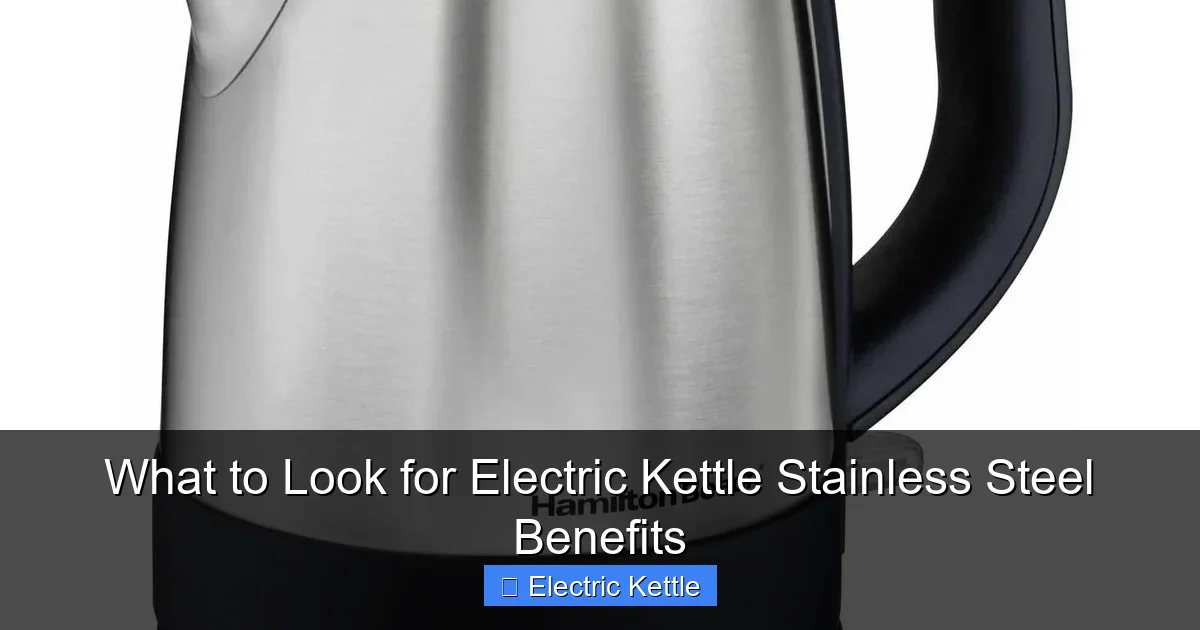
Visual guide about What to Look for Electric Kettle Stainless Steel Benefits
Image source: i5.walmartimages.com
Now that you know why stainless steel is a great choice, let’s talk about what to look for when shopping. Not all stainless steel kettles are the same, and a few key features can make a big difference in performance and convenience.
First, check the grade of stainless steel. Look for “304” or “18/8” stainless steel—these are food-safe grades commonly used in kitchenware. Avoid kettles that don’t specify the steel type, as they may use lower-quality alloys that can rust or leach metals.
Next, consider the design. A double-wall or insulated body keeps the exterior cool and improves heat retention. This is especially useful if you’re making multiple cups in a row. Also, look for a wide mouth opening—it makes filling, cleaning, and adding tea bags or infusers much easier.
Capacity is another important factor. Most kettles range from 1 to 1.7 liters. If you’re a solo drinker, a 1-liter model might suffice. But for families or frequent entertainers, a larger capacity saves time and effort.
Don’t overlook the base. A cordless design with a 360-degree swivel base allows for easy pouring and storage. It also reduces wear on the cord and makes the kettle more convenient to use.
Finally, check for safety features like auto shut-off, boil-dry protection, and overheat protection. These prevent accidents and extend the life of your kettle.
Heating Element and Efficiency
The heating element is the heart of your electric kettle. In stainless steel models, it’s usually hidden beneath the base to prevent contact with water—this reduces scaling and makes cleaning easier. Look for kettles with concealed heating elements made from high-quality materials like stainless steel or ceramic.
Wattage matters too. Most electric kettles range from 1200 to 1800 watts. Higher wattage means faster boiling, but it also uses more electricity. For most households, a 1500-watt kettle offers a good balance of speed and efficiency.
Energy efficiency is another plus. Electric kettles heat water more efficiently than stovetops or microwaves because they transfer heat directly to the water with minimal loss. This can reduce your energy bill and carbon footprint over time.
Temperature Control and Precision
If you’re serious about tea or coffee, temperature control is a game-changer. Different beverages require different water temperatures for optimal flavor. Green tea, for example, brews best at 160–180°F, while black tea needs near-boiling water at 200–212°F.
Many modern stainless steel kettles come with variable temperature settings, allowing you to select the perfect heat for your drink. Some even have preset options for tea, coffee, or baby formula. This precision not only improves taste but also prevents over-extraction or bitterness.
Look for models with digital displays or LED indicators that show the current temperature. This helps you monitor the heating process and ensures accuracy.
Ease of Cleaning and Maintenance
A kettle that’s hard to clean will quickly become a hassle. Stainless steel’s smooth surface makes it naturally easy to wipe down, but some designs are better than others.
Choose a kettle with a wide opening and a removable lid. This allows you to reach inside with a sponge or brush. A detachable filter is also helpful—it catches limescale and tea leaves, making cleanup quicker.
For hard water areas, consider a kettle with a built-in descaling function or one that’s compatible with vinegar cleaning. Regular descaling keeps your kettle efficient and your water tasting fresh.
Top Features That Enhance User Experience
Beyond the basics, several features can elevate your kettle from good to great. These extras add convenience, safety, and versatility to your daily routine.
One standout feature is the keep-warm function. After boiling, the kettle maintains the water at a set temperature for a period of time—perfect if you’re preparing multiple cups or need hot water later.
Another useful addition is a water level indicator. Clear markings on the side or inside the kettle help you measure the right amount of water, preventing overfilling or underfilling.
Some kettles also include a quiet-boil technology, which reduces noise during operation. This is ideal for early mornings or late-night tea sessions when you don’t want to disturb others.
Smart and Connected Kettles
Technology is making its way into the kitchen, and electric kettles are no exception. Smart kettles can connect to your smartphone via Wi-Fi or Bluetooth, allowing you to control temperature, set timers, and receive notifications.
Imagine starting your kettle from bed or scheduling a boil for when you get home. These features are especially useful for busy households or tech-savvy users who appreciate automation.
While not essential, smart kettles offer a futuristic touch and can enhance convenience for those who value innovation.
Safety Mechanisms You Can’t Ignore
Safety should always be a priority. Look for kettles with multiple safety features to prevent accidents.
Auto shut-off turns the kettle off once the water reaches boiling point, preventing overheating. Boil-dry protection stops the kettle if it’s turned on without water, protecting the heating element and reducing fire risk.
Overheat protection and cool-touch handles add another layer of safety, especially in homes with children or pets.
Comparing Stainless Steel to Other Materials
While stainless steel has many advantages, it’s worth comparing it to other common kettle materials to see how it stacks up.
Plastic kettles are lightweight and inexpensive, but they can retain odors, scratch easily, and potentially leach chemicals. They’re also less durable and may need replacing more often.
Glass kettles offer a modern look and let you see the water boil, but they’re fragile and can break if dropped. They also tend to show water spots and require more careful handling.
Stainless steel strikes the best balance—durable, safe, and stylish. It may cost a bit more upfront, but the long-term benefits make it a worthwhile investment.
Cost vs. Value Over Time
Yes, stainless steel kettles often have a higher initial price tag. But when you factor in durability, safety, and performance, they offer excellent value.
A $50 stainless steel kettle that lasts ten years is a better deal than a $20 plastic one that needs replacing every two years. Plus, you’re investing in your health and peace of mind.
Look for models with warranties—this is a sign of manufacturer confidence in the product’s quality.
Maintenance Tips to Extend Your Kettle’s Life
Even the best kettle needs a little care to perform at its best. Here are some simple tips to keep your stainless steel kettle in top condition.
Clean it regularly with warm, soapy water. Avoid abrasive sponges that can scratch the surface. For limescale, use a mixture of vinegar and water—let it sit for an hour, then rinse thoroughly.
Descale every few months, especially if you have hard water. This prevents buildup that can affect heating efficiency and taste.
Store your kettle in a dry place with the lid off to prevent moisture buildup and odors.
Descaling Made Simple
Descaling doesn’t have to be complicated. Mix equal parts water and white vinegar, fill the kettle, and let it sit for an hour. Boil the solution, then rinse thoroughly with clean water. Repeat if necessary.
For a natural alternative, use lemon juice. It’s gentler on the kettle and leaves a fresh scent.
Conclusion
Choosing the right electric kettle is about more than just boiling water—it’s about safety, efficiency, and long-term satisfaction. Stainless steel electric kettles deliver on all fronts, offering a durable, healthy, and stylish solution for your daily hot water needs.
From their resistance to rust and chemicals to their fast heating and easy maintenance, stainless steel kettles are a smart investment for any kitchen. When shopping, focus on quality materials, smart features, and safety mechanisms to get the best experience.
Whether you’re brewing tea, making coffee, or preparing a quick meal, a stainless steel electric kettle can make the process smoother, safer, and more enjoyable. So go ahead—upgrade your kitchen with a kettle that’s built to last and designed to perform.
Frequently Asked Questions
Is stainless steel safe for boiling water?
Yes, high-quality stainless steel (like 304 or 18/8 grade) is completely safe for boiling water. It’s non-reactive and doesn’t leach harmful chemicals, making it ideal for daily use.
Can I put milk or other liquids in a stainless steel electric kettle?
It’s not recommended. Electric kettles are designed for water only. Milk can burn, stick to the heating element, and be difficult to clean, potentially damaging the kettle.
How often should I descale my stainless steel kettle?
Descale every 1–3 months, depending on water hardness. If you notice limescale buildup or slower heating, it’s time to clean it.
Do stainless steel kettles keep water hot longer?
Yes, especially models with double-wall insulation. They retain heat better than single-wall designs, keeping water warm for up to 30 minutes after boiling.
Are stainless steel kettles energy efficient?
Absolutely. They heat water faster and use less energy than stovetops or microwaves, making them an eco-friendly and cost-effective choice.
Can I wash my stainless steel kettle in the dishwasher?
Most stainless steel kettles are not dishwasher-safe due to electrical components. Hand washing is recommended to preserve the finish and functionality.