Choosing a safe electric kettle isn’t just about convenience—it’s about protecting your home and family. With so many models on the market, knowing what safety features matter most can prevent accidents, extend appliance life, and give you peace of mind every time you boil water.
Key Takeaways
- Auto shut-off feature: Automatically turns off the kettle when water reaches boiling point, preventing overheating and potential fire hazards.
- Boil-dry protection: Shuts down the kettle if it’s turned on without water, reducing the risk of damage and dangerous overheating.
- Cool-touch exterior and handle: Prevents burns by keeping the outer surface and handle cool even when the water inside is boiling hot.
- Sturdy, heat-resistant materials: Look for BPA-free plastic, stainless steel, or glass that won’t warp, leach chemicals, or crack under high heat.
- Secure lid and spout design: Prevents accidental spills and steam burns during pouring, especially important in busy kitchens.
- Stable base and cord management: Reduces tipping risks and keeps cords away from heat sources and water to avoid electrical hazards.
- Certifications and compliance: Choose kettles with safety certifications like UL, ETL, or CE, indicating they’ve passed rigorous safety testing.
📑 Table of Contents
- Introduction: Why Electric Kettle Safety Matters
- Understanding the Risks: Common Electric Kettle Hazards
- Top Safety Features to Look for in an Electric Kettle
- Material Matters: Choosing Safe and Durable Kettle Materials
- Safety Certifications and Standards: What to Look For
- Smart Usage Tips to Maximize Kettle Safety
- Conclusion: Making Safety a Priority
Introduction: Why Electric Kettle Safety Matters
Electric kettles have become a staple in modern kitchens—fast, efficient, and perfect for making tea, coffee, instant meals, or even sterilizing baby bottles. But with great convenience comes great responsibility. While these appliances are generally safe, a poorly designed or malfunctioning kettle can pose serious risks, from scalding burns to electrical fires.
Imagine this: you’re rushing to make morning coffee, fill your kettle, and walk away. A few minutes later, you return to find smoke, a burnt smell, or worse—your kettle has overheated because it was turned on without water. Scary, right? That’s why understanding what to look for in electric kettle safety isn’t just helpful—it’s essential. Whether you’re buying your first kettle or upgrading an old one, knowing the key safety features can save you from accidents, costly repairs, or even injuries.
Understanding the Risks: Common Electric Kettle Hazards
Before diving into safety features, it’s important to understand the potential dangers associated with electric kettles. Most incidents stem from user error, poor design, or lack of safety mechanisms. Common risks include:
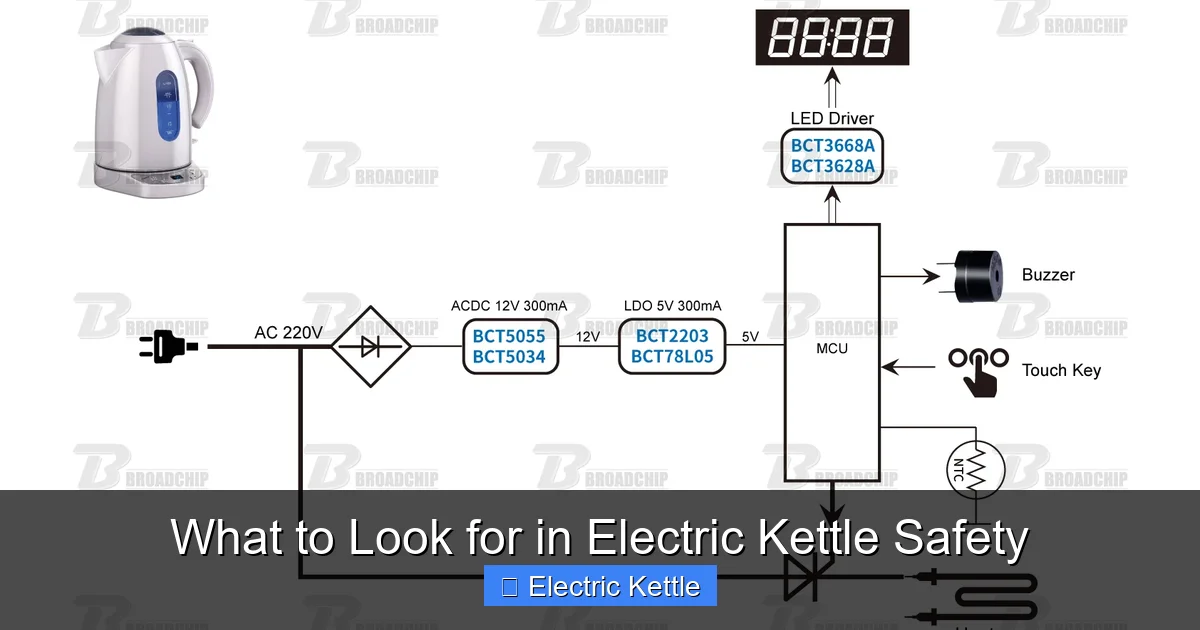
Visual guide about What to Look for in Electric Kettle Safety
Image source: broadchip.com
- Scalding and burns: Boiling water can cause severe burns if spilled, especially if the kettle tips over or the lid flies off.
- Electrical hazards: Faulty wiring, damaged cords, or water near electrical components can lead to shocks or short circuits.
- Overheating and fire: If a kettle runs dry or lacks proper shut-off, it can overheat, melt internal parts, or even start a fire.
- Chemical leaching: Low-quality plastics may release harmful chemicals like BPA when heated, especially over time.
- Tip-overs and spills: Unstable bases or poorly designed handles can cause the kettle to tip, spilling hot water.
These risks aren’t meant to scare you—they’re meant to inform you. The good news? Most of these hazards can be avoided with the right safety features and smart usage habits. Let’s explore what to look for in electric kettle safety to keep your kitchen safe and your mornings stress-free.
Top Safety Features to Look for in an Electric Kettle
1. Auto Shut-Off Function
One of the most important safety features in any electric kettle is the auto shut-off function. This feature automatically turns off the heating element once the water reaches boiling point (typically around 212°F or 100°C). Without it, the kettle could continue heating, leading to excessive steam, pressure buildup, or even damage to the internal components.
For example, imagine you’re boiling water for tea and get distracted by a phone call. With auto shut-off, the kettle will turn itself off after boiling, preventing overheating. This not only protects the appliance but also reduces the risk of fire or steam burns. Most modern kettles include this feature, but it’s always worth double-checking the product description or manual.
2. Boil-Dry Protection
Boil-dry protection is another critical safety mechanism. It detects when there’s little or no water in the kettle and shuts off the heating element before damage occurs. This is especially important if you accidentally turn on the kettle without filling it—a common mistake, especially in busy households.
Without boil-dry protection, running an empty kettle can cause the heating element to overheat, warp, or even catch fire. Some advanced models use thermal fuses or sensors to detect temperature spikes and cut power instantly. When shopping, look for kettles that explicitly mention “boil-dry protection” or “dry-boil safety.”
3. Cool-Touch Exterior and Handle
A cool-touch exterior means the outer surface of the kettle stays relatively cool, even when the water inside is boiling. This is a huge plus for safety, especially in homes with children or elderly users who may not realize how hot the kettle is.
The handle should also be insulated and heat-resistant. A well-designed handle stays cool to the touch and provides a secure grip, reducing the chance of slipping or dropping the kettle. Some premium models even feature double-walled insulation or silicone-coated handles for extra protection.
For instance, a stainless steel kettle with a plastic-coated handle and insulated body will feel much safer to hold than a thin metal kettle that gets scalding hot. Always test the handle when possible—if it feels warm during use, it’s not truly cool-touch.
4. Secure Lid and Spout Design
The lid and spout are often overlooked, but they play a big role in safety. A secure, tightly fitting lid prevents steam and hot water from escaping unexpectedly. Look for kettles with locking lids or push-button open mechanisms that require deliberate action to open.
The spout should have a smooth, drip-free pour to avoid splashing. A well-designed spout directs water cleanly into your cup, minimizing the risk of burns from stray droplets. Some kettles also feature anti-drip spouts or built-in filters to catch limescale, which can clog the spout and cause uneven pouring.
For example, a kettle with a wide, ergonomic spout and a lid that clicks shut will be much safer and more user-friendly than one with a flimsy lid that pops open under steam pressure.
5. Stable Base and Cord Management
A stable base is essential to prevent tipping. Look for kettles with wide, weighted bottoms or non-slip feet that grip countertops securely. This is especially important when the kettle is full of hot water—any wobble could lead to a dangerous spill.
Cord management is another safety detail. The power cord should be short enough to avoid tripping hazards but long enough to reach outlets comfortably. Some kettles have retractable cords or cord storage compartments in the base, keeping the cord tidy and away from heat sources.
Also, check that the cord and plug are made of heat-resistant materials and are not frayed or damaged. A damaged cord can cause electrical shocks or short circuits, so always inspect it regularly.
Material Matters: Choosing Safe and Durable Kettle Materials
The material your kettle is made from affects both safety and longevity. Here’s what to consider:
Stainless Steel
Stainless steel is one of the safest and most durable options. It doesn’t leach chemicals, resists rust and corrosion, and retains heat well. Look for food-grade stainless steel (like 304 or 18/8) that’s free from nickel allergies if you’re sensitive.
Stainless steel kettles often have cool-touch exteriors and are easy to clean. However, they can be heavier than plastic models, so consider weight if you have limited strength or mobility.
Glass
Glass kettles offer a modern, elegant look and allow you to see the water level and boiling process. High-quality borosilicate glass is heat-resistant and won’t crack under rapid temperature changes.
The downside? Glass can break if dropped, and some models have metal heating elements exposed to water, which may raise concerns about metal leaching. Choose glass kettles with concealed heating elements for better safety and easier cleaning.
BPA-Free Plastic
Plastic kettles are lightweight and affordable, but not all plastics are created equal. Avoid kettles made with polycarbonate plastic, which may contain BPA—a chemical linked to health risks when heated.
Instead, look for BPA-free, food-safe plastics like Tritan or polypropylene. These materials are safer when heated and less likely to warp or release toxins. However, plastic kettles may not last as long as metal or glass and can retain odors over time.
Ceramic
Ceramic kettles are stylish and retain heat well, but they’re heavier and more fragile. Ensure the ceramic is lead-free and the interior is glazed properly to prevent cracking. Like glass, ceramic is best for slow, gentle heating—not rapid boiling.
No matter the material, always check for certifications and avoid kettles with strong chemical smells, which could indicate low-quality materials.
Safety Certifications and Standards: What to Look For
When shopping for an electric kettle, don’t just rely on marketing claims—look for safety certifications from trusted organizations. These labels mean the kettle has been tested for electrical safety, fire resistance, and material safety.
Common certifications include:
- UL (Underwriters Laboratories): A U.S.-based safety certification that tests for electrical and fire hazards.
- ETL (Intertek): Similar to UL, ETL-listed products meet North American safety standards.
- CE (Conformité Européenne): Indicates compliance with European safety, health, and environmental standards.
- GS (Geprüfte Sicherheit): A German safety certification for consumer products.
- RoHS: Ensures the product is free from hazardous substances like lead and mercury.
You can usually find these certifications on the product label, packaging, or manufacturer’s website. If a kettle lacks any safety certifications, it’s a red flag—especially if it’s very cheap or from an unknown brand.
Also, check the warranty. A longer warranty (2+ years) often indicates the manufacturer stands behind the product’s safety and durability.
Smart Usage Tips to Maximize Kettle Safety
Even the safest kettle can become dangerous with improper use. Follow these practical tips to keep your kitchen safe:
- Never overfill the kettle: Leave at least 1 inch of space below the spout to prevent boiling water from spilling out.
- Always fill with water before turning on: Double-check that the kettle has water before pressing the switch.
- Keep the kettle clean: Regularly descale to prevent limescale buildup, which can affect performance and safety.
- Unplug when not in use: This prevents accidental activation and reduces electrical risks.
- Avoid placing near edges: Keep the kettle away from countertop edges to prevent tipping.
- Supervise children and pets: Teach kids about kettle safety and keep pets away from hot appliances.
- Inspect regularly: Check for cracks, frayed cords, or loose parts. Replace the kettle if you notice damage.
For example, if you live in a hard water area, descale your kettle every 1–2 months using vinegar or a commercial descaler. Limescale can insulate the heating element, causing it to overheat and fail prematurely.
Conclusion: Making Safety a Priority
When it comes to electric kettles, safety should never be an afterthought. From auto shut-off and boil-dry protection to cool-touch handles and certified materials, the right features can make all the difference in preventing accidents and ensuring long-term reliability.
By knowing what to look for in electric kettle safety, you’re not just buying an appliance—you’re investing in peace of mind. Whether you’re brewing your morning coffee or preparing a quick meal, a safe kettle lets you focus on what matters most: enjoying your day without worry. So next time you’re shopping, take a closer look at the safety specs. Your kitchen—and your family—will thank you.
Frequently Asked Questions
What is boil-dry protection and why is it important?
Boil-dry protection automatically shuts off the kettle if it’s turned on without water, preventing the heating element from overheating. This feature is crucial for avoiding fire hazards and extending the kettle’s lifespan.
Can an electric kettle catch fire?
While rare, electric kettles can catch fire if they lack safety features like auto shut-off or boil-dry protection, or if they’re used improperly. Choosing a certified, well-designed kettle greatly reduces this risk.
Are plastic electric kettles safe?
Plastic kettles can be safe if they’re made from BPA-free, food-grade materials and have proper safety certifications. Avoid cheap plastic models that may leach chemicals when heated.
How often should I clean my electric kettle?
Clean your kettle every 1–2 months, or more often if you live in a hard water area. Regular descaling prevents limescale buildup, which can affect performance and safety.
Is it safe to leave an electric kettle plugged in?
It’s generally safe to leave a kettle plugged in if it has modern safety features, but unplugging it when not in use reduces electrical risks and saves energy.
What should I do if my kettle starts smoking or smells burnt?
Immediately unplug the kettle and stop using it. Smoking or burning smells may indicate electrical damage, overheating, or internal failure. Have it inspected or replaced.