Choosing an electric kettle with strong safety features is crucial for preventing accidents and ensuring long-term reliability. From automatic shut-off to boil-dry protection, understanding these features helps you make a smart, safe purchase.
When it comes to kitchen appliances, few are as convenient and frequently used as the electric kettle. Whether you’re brewing your morning coffee, preparing instant oatmeal, or steeping a calming cup of tea, an electric kettle delivers hot water quickly and efficiently. But with great convenience comes the need for great care—especially when it comes to safety.
Electric kettles heat water using an internal heating element, often reaching temperatures over 200°F (93°C) in just minutes. While this speed is a major perk, it also introduces potential risks if the appliance isn’t designed with proper safety features. A malfunctioning kettle can lead to burns, electrical shocks, fires, or damage to your countertop. That’s why understanding what to look for in electric kettle safety features isn’t just a good idea—it’s essential.
In this guide, we’ll walk you through the most important safety features to consider when shopping for an electric kettle. We’ll explain how each feature works, why it matters, and what to watch out for. Whether you’re replacing an old kettle or buying your first one, this information will help you choose a model that’s not only fast and efficient but also safe for daily use in your home.
Key Takeaways
- Automatic shut-off: Prevents overheating by turning off the kettle when water reaches boiling point, reducing fire and damage risks.
- Boil-dry protection: Stops the kettle from operating if there’s no water inside, protecting the heating element and preventing potential hazards.
- Cool-touch exterior: Keeps the outer surface safe to touch, minimizing burn risks, especially in homes with children or pets.
- Sturdy, non-slip base: Ensures the kettle stays stable on countertops, reducing spills and accidental tipping.
- Secure lid and spout design: Prevents steam burns and spills during pouring, enhancing user safety.
- Cordless design with 360° swivel base: Allows easy lifting and placement, reducing tripping hazards and improving convenience.
- Certifications and compliance: Look for UL, ETL, or CSA marks to ensure the kettle meets recognized safety standards.
📑 Table of Contents
- 1. Automatic Shut-Off: Your First Line of Defense
- 2. Boil-Dry Protection: Preventing Damage and Danger
- 3. Cool-Touch Exterior: Minimizing Burn Risks
- 4. Sturdy, Non-Slip Base: Stability for Safety
- 5. Secure Lid and Spout Design: Preventing Spills and Steam Burns
- 6. Cordless Design with 360° Swivel Base: Convenience Meets Safety
- 7. Certifications and Compliance: Trust the Standards
- Conclusion: Safety First, Always
1. Automatic Shut-Off: Your First Line of Defense
One of the most critical safety features in any electric kettle is the automatic shut-off function. This feature turns off the heating element as soon as the water reaches its boiling point—typically around 212°F (100°C). Without this safeguard, the kettle could continue heating, leading to dry boiling, overheating, or even a fire.
How Automatic Shut-Off Works
Most modern electric kettles use a bimetallic strip or a thermal sensor to detect when water has boiled. Once the temperature hits the target, the sensor triggers a switch that cuts off power to the heating element. This process happens in seconds, often accompanied by a soft click or beep to signal that the water is ready.
Why It Matters
Imagine walking away from your kettle to answer a phone call, only to forget it’s still on. Without automatic shut-off, the water could evaporate completely, causing the heating element to overheat. This not only damages the kettle but can also release smoke or start a fire. With automatic shut-off, the kettle turns itself off safely, giving you peace of mind even if you get distracted.
What to Look For
When shopping, make sure the product description clearly states “automatic shut-off” or “auto-off.” Avoid models that only have a manual switch or require you to unplug the unit to stop heating. Some premium kettles even offer variable temperature settings with individual shut-off points—ideal for brewing delicate teas like green or white tea that require lower temperatures.
Real-World Example
Take the popular Cuisinart CPK-17 PerfecTemp kettle. It features six preset temperature settings, each with its own automatic shut-off. This means you can boil water for French press coffee at 212°F or gently heat water for green tea at 175°F—all without worrying about over-boiling. The precision and safety go hand in hand.
2. Boil-Dry Protection: Preventing Damage and Danger
Boil-dry protection is another essential safety feature that works closely with automatic shut-off. While automatic shut-off stops heating when water boils, boil-dry protection kicks in when there’s no water left in the kettle at all. This dual-layer defense is crucial for preventing serious damage and hazards.
How Boil-Dry Protection Works
Boil-dry protection uses a secondary thermal sensor or a float mechanism to detect when the water level is too low. If the kettle is turned on without water—or if all the water evaporates before the automatic shut-off activates—the sensor immediately cuts power to the heating element. This prevents the element from burning out and reduces the risk of fire or smoke.
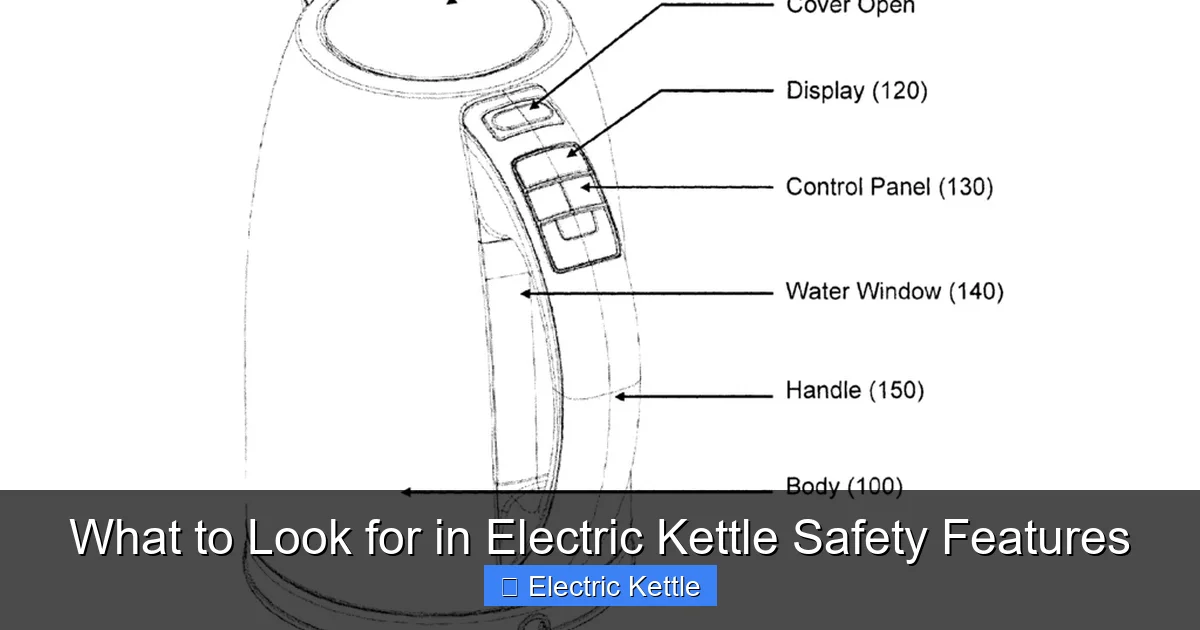
Visual guide about What to Look for in Electric Kettle Safety Features
Image source: i1.wp.com
Why It Matters
It’s surprisingly easy to accidentally turn on an empty kettle. Maybe you’re in a rush and forget to fill it, or you assume it still has water from the night before. Without boil-dry protection, the heating element can overheat within minutes, potentially melting internal components or releasing toxic fumes. In extreme cases, this can lead to electrical fires.
What to Look For
Check the product specifications for terms like “boil-dry protection,” “dry-boil protection,” or “overheat protection.” Some brands may use slightly different phrasing, but the function is the same. Avoid kettles that lack this feature—especially older or budget models that may prioritize cost over safety.
Practical Tip
Even with boil-dry protection, it’s still best practice to always check the water level before turning on your kettle. Make it a habit to fill the kettle only with the amount of water you need. This not only saves energy but also reduces the chance of accidental dry boiling.
3. Cool-Touch Exterior: Minimizing Burn Risks
A cool-touch exterior is a safety feature that keeps the outer surface of the kettle from getting dangerously hot during use. This is especially important in households with children, elderly individuals, or pets who might accidentally touch the kettle.
How Cool-Touch Technology Works
Kettles with cool-touch exteriors use double-wall construction or heat-resistant materials like stainless steel with insulating layers. The inner chamber holds the water and heating element, while the outer shell remains relatively cool to the touch—even when the water inside is boiling.
Why It Matters
Traditional kettles, especially those made of thin plastic or single-layer metal, can become extremely hot on the outside. A curious child reaching for the kettle or an adult brushing against it while walking by could suffer painful burns. A cool-touch design significantly reduces this risk, making the kettle safer for everyday use.
What to Look For
Look for kettles labeled “cool-touch,” “stay-cool handle,” or “insulated body.” Stainless steel models often include this feature, but some high-quality plastic kettles also offer insulated designs. Avoid kettles with exposed heating elements or thin, non-insulated walls.
Real-World Example
The Hamilton Beach 40880 Electric Kettle features a double-wall stainless steel design that keeps the exterior cool. Even after boiling, the outside remains safe to touch, and the handle stays comfortably cool thanks to its ergonomic, heat-resistant grip. This makes it a top choice for families.
Bonus Tip
Even with a cool-touch exterior, always use the handle to lift the kettle—never grab the body. And never place the kettle near the edge of the counter where it could be knocked over.
4. Sturdy, Non-Slip Base: Stability for Safety
A stable, non-slip base might not seem like a major safety feature, but it plays a crucial role in preventing accidents. A wobbly or slippery kettle can easily tip over, spilling boiling water and causing serious burns.
How a Good Base Enhances Safety
A high-quality base is typically made of rubber or silicone and designed to grip countertops securely. It also houses the electrical connections and swivel mechanism, ensuring the kettle sits level and won’t slide when you lift it. Some models include weighted bases for added stability.
Why It Matters
Imagine reaching for your kettle and accidentally knocking it off the counter. Without a stable base, this can happen easily—especially on smooth surfaces like granite or laminate. A fall can result in scalding water, broken glass or plastic, and electrical hazards if the cord is damaged.
What to Look For
Check for a wide, flat base with rubber feet or a silicone pad. The base should feel solid and not wobble when placed on a flat surface. Cordless kettles with 360° swivel bases are ideal because they allow you to lift the kettle without twisting the cord, reducing strain and the chance of tipping.
Practical Tip
Always place your kettle on a dry, level surface away from sink edges, stove burners, or high-traffic areas. And never leave it unattended while in use—especially if you have young children or pets.
5. Secure Lid and Spout Design: Preventing Spills and Steam Burns
The lid and spout of an electric kettle may seem like minor details, but they’re vital for safe operation. A poorly designed lid can pop open during boiling, while a narrow or sharp spout can make pouring difficult and increase the risk of spills.
How Lid and Spout Design Affects Safety
A secure lid should lock in place or have a tight seal to prevent steam from escaping unexpectedly. Some models feature a push-button lid release, which allows you to open the lid safely without exposing your hand to steam. The spout should be wide enough for smooth pouring and designed to minimize drips.
Why It Matters
Steam burns are a common injury with electric kettles. If the lid opens suddenly during boiling, a burst of steam can cause serious burns to your face or hands. Similarly, a poorly designed spout can cause water to splash or drip down the side of the kettle, creating a slipping hazard or damaging countertops.
What to Look For
Look for kettles with a locking lid, push-button release, or a lid that opens slowly. The spout should be ergonomically shaped and positioned to allow controlled pouring. Some high-end models even include anti-drip spouts or built-in filters to catch limescale.
Real-World Example
The Breville BKE820XL IQ Electric Kettle features a slow-open lid that releases steam gradually, reducing the risk of burns. Its precision-pour spout ensures a steady stream of water, making it easy to fill cups or French presses without spills.
Bonus Tip
Always open the lid away from your face and body. And never overfill the kettle—most models have a “max fill” line for a reason. Overfilling can cause boiling water to spill out through the spout or steam vent.
6. Cordless Design with 360° Swivel Base: Convenience Meets Safety
A cordless electric kettle with a 360° swivel base offers both convenience and safety. This design allows you to lift the kettle off its base for easy pouring, then place it back without worrying about cord alignment.
How Cordless Design Enhances Safety
The kettle itself contains the heating element and water reservoir, while the base houses the electrical contacts. When you place the kettle back on the base, the contacts align automatically—no need to twist or force it. This reduces wear on the cord and minimizes the risk of electrical issues.
Why It Matters
A corded kettle with a fixed cord can be awkward to use. You might have to twist the cord to pour, which can strain the wiring over time. In worst cases, this can lead to frayed cords or loose connections, creating a fire or shock hazard. A cordless design eliminates this problem.
What to Look For
Choose a kettle that clearly states “cordless” or “360° swivel base.” The base should be heavy enough to stay in place and have a secure connection. Avoid models where the cord is permanently attached to the kettle body.
Practical Tip
Always place the kettle back on the base gently and ensure it’s centered. Never lift the kettle by the cord or yank it off the base. And keep the base clean and dry to maintain good electrical contact.
7. Certifications and Compliance: Trust the Standards
When it comes to electric kettle safety features, one of the easiest ways to ensure quality is to look for recognized safety certifications. These labels indicate that the product has been tested and approved by independent organizations.
What Certifications to Look For
The most common and trusted certifications include:
- UL (Underwriters Laboratories): A U.S.-based safety science company that tests appliances for electrical and fire hazards.
- ETL (Intertek): Another respected testing lab that certifies products meet North American safety standards.
- CSA (Canadian Standards Association): A Canadian organization that ensures compliance with safety and performance standards.
You’ll usually find these marks on the bottom of the kettle or in the product description.
Why Certifications Matter
Certifications mean the kettle has undergone rigorous testing for electrical safety, thermal performance, and durability. They’re your assurance that the manufacturer hasn’t cut corners on safety. Uncertified kettles, especially those sold through online marketplaces, may lack essential protections.
What to Avoid
Be cautious of kettles that lack any certification or claim to be “CE certified” without further details. CE marking is common in Europe but doesn’t always guarantee the same level of testing as UL or ETL. When in doubt, stick to well-known brands with verified safety credentials.
Bonus Tip
Check the manufacturer’s website for safety reports or compliance documentation. Reputable brands are transparent about their testing processes.
Conclusion: Safety First, Always
Choosing an electric kettle with strong safety features isn’t just about avoiding accidents—it’s about investing in peace of mind. A well-designed kettle with automatic shut-off, boil-dry protection, cool-touch exterior, and a stable base can last for years without incident. On the other hand, a cheap, poorly made model can pose real dangers, especially in busy households.
As you shop, remember that safety features are not extras—they’re essentials. Don’t be swayed by flashy designs or ultra-low prices if they come at the cost of reliability. Instead, prioritize models from trusted brands that clearly list their safety certifications and protective technologies.
Ultimately, the best electric kettle is one that heats water quickly, pours smoothly, and keeps you safe every step of the way. By knowing what to look for in electric kettle safety features, you’re not just making a smart purchase—you’re protecting your home, your family, and yourself.
Frequently Asked Questions
Why is automatic shut-off important in an electric kettle?
Automatic shut-off prevents the kettle from overheating by turning off the heating element once water reaches boiling point. This reduces the risk of fire, damage to the kettle, and accidental burns.
Can an electric kettle explode if it doesn’t have safety features?
While rare, kettles without proper safety features like boil-dry protection can overheat, release smoke, or cause electrical issues. In extreme cases, pressure buildup could lead to cracking or bursting, especially in glass models.
Is a cool-touch exterior necessary if I’m careful?
Yes, because accidents happen. A cool-touch exterior adds an extra layer of protection, especially in homes with children, elderly individuals, or pets who might accidentally touch the kettle.
Do all electric kettles have boil-dry protection?
No, not all models include this feature. It’s more common in mid-to-high-end kettles. Always check the product description or specifications to confirm.
What does a 360° swivel base do?
A 360° swivel base allows the kettle to rotate freely on its power base, making it easier to lift and pour without twisting the cord. This improves convenience and reduces wear on the electrical connection.
How can I tell if an electric kettle is certified for safety?
Look for labels like UL, ETL, or CSA on the kettle or in the product details. These indicate the appliance has been tested and approved by independent safety organizations.