Stainless steel electric kettles offer durability, safety, and excellent heat retention, making them a top choice for modern kitchens. When shopping, focus on material quality, design features, and safety certifications to get the most value and performance.
Key Takeaways
- Superior Durability: Stainless steel resists rust, dents, and corrosion, ensuring your kettle lasts for years with minimal wear.
- Non-Reactive Surface: Unlike plastic or aluminum, stainless steel won’t leach chemicals or alter the taste of your water, especially when heated.
- Excellent Heat Retention: Retains heat longer than glass or plastic, keeping your water warm for tea, coffee, or instant meals.
- Easy to Clean and Maintain: Smooth, non-porous surface resists stains and odors; most models are dishwasher-safe or easy to wipe down.
- Modern Aesthetic: Sleek, polished finish complements any kitchen decor, from minimalist to industrial styles.
- Safety and Health Benefits: Free from BPA, phthalates, and other harmful chemicals commonly found in plastic kettles.
- Energy Efficiency: Heats water quickly and evenly, reducing electricity use compared to stovetop boiling.
📑 Table of Contents
- Why Choose a Stainless Steel Electric Kettle?
- Durability That Stands the Test of Time
- Health and Safety Advantages
- Superior Heat Retention and Efficiency
- Easy Cleaning and Low Maintenance
- Aesthetic Appeal and Kitchen Compatibility
- What to Look for When Buying a Stainless Steel Electric Kettle
- Real-World Examples and Tips
- Conclusion
Why Choose a Stainless Steel Electric Kettle?
Imagine starting your morning with a perfectly brewed cup of coffee or tea, made with water heated quickly and safely. That’s the everyday luxury an electric kettle brings—especially when it’s made of stainless steel. In recent years, stainless steel electric kettles have surged in popularity, and for good reason. They combine functionality, safety, and style in a way few other materials can match.
Unlike their plastic or glass counterparts, stainless steel kettles are built to last. They resist scratches, dents, and corrosion, making them ideal for daily use. Whether you’re a tea enthusiast, a busy parent, or someone who just loves efficiency, a stainless steel electric kettle can simplify your routine. But not all stainless steel kettles are created equal. Knowing what to look for ensures you get a model that delivers on performance, safety, and longevity.
In this guide, we’ll walk you through the key benefits of stainless steel electric kettles and what features to prioritize when shopping. From material quality to design details, we’ll help you make an informed decision so you can enjoy hot water—on demand—without compromise.
Durability That Stands the Test of Time
One of the most compelling reasons to choose a stainless steel electric kettle is its unmatched durability. Unlike plastic kettles that can crack or warp over time, or glass models that may shatter if dropped, stainless steel is built to endure daily wear and tear. It resists dents, scratches, and corrosion, even with frequent use.
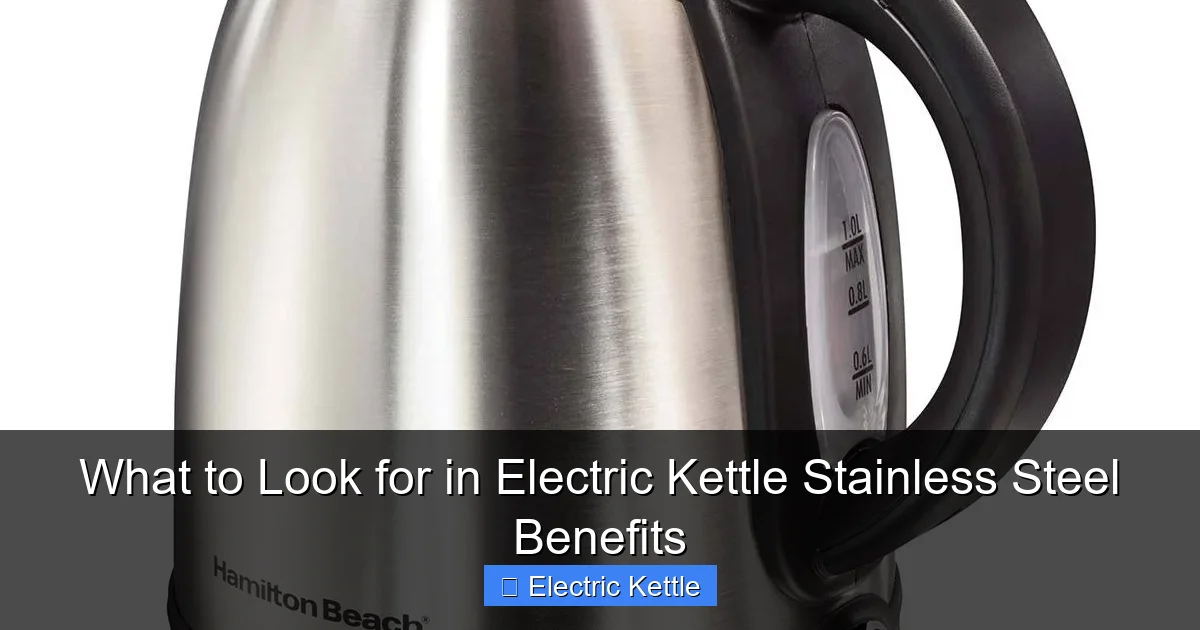
Visual guide about What to Look for in Electric Kettle Stainless Steel Benefits
Image source: hamiltonbeach.com
Resistance to Rust and Corrosion
High-quality stainless steel, particularly grades like 304 or 18/8, is highly resistant to rust and corrosion. This means your kettle won’t degrade when exposed to water, steam, or humid kitchen environments. Even if you live in an area with hard water, a well-made stainless steel kettle will maintain its integrity for years.
Impact Resistance
Stainless steel can handle accidental drops or bumps better than glass or ceramic. While no kettle is indestructible, stainless steel’s toughness reduces the risk of breakage. This makes it a great choice for families with kids or busy households where appliances get moved around often.
Long-Term Value
Because stainless steel kettles last longer, they offer better long-term value. While the upfront cost may be higher than plastic models, you’re less likely to replace them frequently. Over time, this saves money and reduces waste—making it a smart, sustainable choice.
Health and Safety Advantages
When it comes to heating water, safety should always be a top priority. Stainless steel electric kettles excel in this area, offering a non-toxic, chemical-free alternative to plastic models.
No Harmful Chemical Leaching
Plastic kettles, especially those made with lower-quality materials, can release chemicals like BPA or phthalates when heated. These substances may affect the taste of your water and pose health risks over time. Stainless steel, on the other hand, is inert—meaning it doesn’t react with water or release harmful compounds, even at high temperatures.
Food-Grade Certification Matters
Not all stainless steel is created equal. Look for kettles made with food-grade 304 stainless steel, also known as 18/8. This grade contains 18% chromium and 8% nickel, making it safe for contact with food and beverages. Check product labels or manufacturer specifications to confirm the material used.
Automatic Shut-Off and Boil-Dry Protection
Most modern stainless steel electric kettles come with built-in safety features like automatic shut-off and boil-dry protection. These prevent the kettle from overheating or running dry, reducing fire hazards and extending the appliance’s lifespan. Always choose a model with these features for peace of mind.
Superior Heat Retention and Efficiency
Stainless steel doesn’t just look good—it performs exceptionally well when it comes to heating and retaining heat. This makes it ideal for anyone who values speed and energy efficiency.
Fast and Even Heating
Stainless steel conducts heat efficiently, allowing water to reach boiling point quickly. Many models heat a full liter of water in under five minutes, saving you time during busy mornings. The even heat distribution also reduces the risk of hot spots, ensuring consistent results every time.
Keeps Water Warm Longer
Unlike plastic or glass, stainless steel retains heat well. Some kettles even come with insulated walls or double-wall construction, which keeps water hot for up to 30 minutes after boiling. This is perfect if you’re making multiple cups of tea or need hot water for instant noodles or oatmeal.
Energy Savings
Because stainless steel kettles heat water faster and more efficiently than stovetop methods, they use less electricity. This not only lowers your energy bill but also reduces your carbon footprint. Over time, these small savings add up—making your kettle both eco-friendly and cost-effective.
Easy Cleaning and Low Maintenance
Nobody wants to spend extra time scrubbing their kitchen appliances. Fortunately, stainless steel electric kettles are designed for easy cleaning and minimal upkeep.
Non-Porous Surface Resists Stains and Odors
The smooth, non-porous surface of stainless steel prevents stains, limescale buildup, and lingering odors. Even if you boil water with tea leaves or add lemon for flavor, the kettle won’t absorb unwanted tastes or smells.
Simple Cleaning Routine
To clean your kettle, simply wipe the exterior with a damp cloth. For the interior, rinse with water and use a soft brush or sponge to remove any mineral deposits. For hard water areas, a weekly rinse with a vinegar-water solution (1:1 ratio) helps dissolve limescale without damaging the steel.
Dishwasher-Safe Options
Some stainless steel kettles have removable lids or bases that are dishwasher-safe, making cleanup even easier. Always check the manufacturer’s instructions before placing any part in the dishwasher to avoid damaging electrical components.
Aesthetic Appeal and Kitchen Compatibility
Let’s be honest—kitchen appliances should look as good as they perform. Stainless steel electric kettles offer a sleek, modern appearance that fits seamlessly into any kitchen style.
Timeless, Polished Finish
The brushed or mirror-like finish of stainless steel adds a touch of elegance to your countertop. It pairs well with other stainless steel appliances like toasters, microwaves, and refrigerators, creating a cohesive, professional look.
Compact and Space-Saving Designs
Many stainless steel kettles are designed with space efficiency in mind. Look for models with a narrow base or cordless design that can be stored easily when not in use. Some even have a 360-degree swivel base, allowing you to place the kettle in any direction without tangling the cord.
Color and Style Variations
While classic silver is the most common, stainless steel kettles now come in a range of finishes, including black stainless steel, rose gold accents, or matte textures. This allows you to match your kettle to your kitchen’s color scheme and personal taste.
What to Look for When Buying a Stainless Steel Electric Kettle
Now that you know the benefits, it’s time to shop smart. Not all stainless steel kettles are equal, so here’s what to prioritize when making your purchase.
Material Quality and Grade
Always check the stainless steel grade. 304 (18/8) stainless steel is the gold standard for food safety and durability. Avoid kettles that simply say “stainless steel” without specifying the grade—this could indicate lower-quality material.
Capacity and Size
Consider how much water you typically boil. Kettles range from 0.5 liters (ideal for one or two cups) to 1.7 liters (great for families or entertaining). Choose a size that matches your needs without taking up too much counter space.
Heating Element and Power
Look for a kettle with a concealed heating element, which is easier to clean and less prone to mineral buildup. A power rating between 1500W and 1800W ensures fast boiling without excessive energy use.
Safety Features
Prioritize models with automatic shut-off, boil-dry protection, and cool-touch handles. These features prevent accidents and extend the kettle’s lifespan. Some advanced models also include overheat protection and child-safe lids.
Ease of Use and Design
A good kettle should be easy to fill, pour, and clean. Look for a wide mouth opening, ergonomic handle, and a spout that pours smoothly without dripping. A clear water level window helps you measure accurately without opening the lid.
Noise Level
Some kettles are quieter than others. If you’re sensitive to noise, especially in the morning, look for models with noise-reducing features or insulated walls that dampen sound.
Brand Reputation and Warranty
Choose a reputable brand with positive customer reviews and a solid warranty (at least one year). This ensures quality construction and reliable customer support if issues arise.
Real-World Examples and Tips
To help you visualize how a stainless steel electric kettle fits into daily life, here are a few practical examples and tips.
Morning Routine Made Easy
Imagine waking up, filling your kettle with fresh water, and pressing a button. In under five minutes, you have boiling water for your favorite tea or instant coffee. No waiting for the stove, no monitoring the pot—just quick, consistent results.
Perfect for Tea Enthusiasts
Different teas require different water temperatures. Some stainless steel kettles come with variable temperature settings, allowing you to select the ideal heat for green, black, or herbal teas. This preserves flavor and prevents bitterness.
Great for Small Spaces
If you live in a dorm, studio apartment, or office, a compact stainless steel kettle is a space-saving essential. It replaces the need for a stovetop kettle and can be stored in a cabinet when not in use.
Travel-Friendly Options
Some models are designed for travel, with dual voltage compatibility and foldable handles. These are perfect for international trips or camping, where access to hot water may be limited.
Eco-Conscious Choice
By choosing a durable, long-lasting stainless steel kettle, you reduce the need for frequent replacements. This cuts down on plastic waste and supports a more sustainable lifestyle.
Conclusion
Stainless steel electric kettles are more than just a kitchen gadget—they’re a smart investment in convenience, safety, and style. With their durable construction, health benefits, and energy efficiency, they outperform many other materials on the market. Whether you’re brewing your morning coffee, preparing a quick meal, or simply enjoying a warm cup of tea, a high-quality stainless steel kettle makes the process faster, safer, and more enjoyable.
When shopping, focus on material quality, safety features, and design details that match your lifestyle. Look for food-grade 304 stainless steel, automatic shut-off, and a capacity that suits your needs. With the right kettle, you’ll enjoy years of reliable performance and a cleaner, more efficient kitchen routine. So go ahead—upgrade to stainless steel and experience the difference for yourself.
Frequently Asked Questions
Is stainless steel safe for boiling water?
Yes, high-quality stainless steel, especially food-grade 304, is completely safe for boiling water. It doesn’t leach chemicals or alter the taste, making it a healthier choice than plastic.
Can I put my stainless steel kettle in the dishwasher?
Only the removable parts, like the lid or base, may be dishwasher-safe. Never submerge the electrical components. Always check the manufacturer’s instructions before cleaning.
How do I remove limescale from my stainless steel kettle?
Mix equal parts white vinegar and water, fill the kettle, and let it sit for 30 minutes. Boil the solution, then rinse thoroughly. Repeat if necessary for heavy buildup.
Do stainless steel kettles keep water hot longer?
Yes, stainless steel retains heat better than plastic or glass. Some models with double-wall insulation can keep water warm for up to 30 minutes after boiling.
Are stainless steel kettles noisy?
Most are quieter than stovetop kettles, but noise levels vary. Look for models with insulated walls or noise-dampening features if sound is a concern.
What’s the difference between 304 and 430 stainless steel?
304 (18/8) stainless steel is food-grade, highly corrosion-resistant, and ideal for kettles. 430 is less durable and more prone to rust, so avoid it for water heating appliances.