Choosing the right electric kettle can transform your daily tea or coffee ritual. With so many options on the market, knowing what to look for when buying electric kettle ensures you get speed, safety, durability, and convenience in one sleek package.
Key Takeaways
- Capacity matters: Choose a size that matches your household needs—1.7 liters suits most families, while smaller 1-liter models are ideal for singles or travel.
- Material impacts taste and durability: Stainless steel kettles resist rust and don’t retain odors, while glass offers visibility but may break more easily.
- Boiling speed and wattage go hand in hand: Higher wattage (1500W–3000W) means faster boiling—perfect for busy mornings.
- Safety features are non-negotiable: Look for auto shut-off, boil-dry protection, and cool-touch handles to prevent accidents.
- Temperature control adds versatility: Variable temperature settings let you brew delicate green teas or French press coffee at the ideal heat.
- Ease of cleaning and maintenance: Removable lids, wide openings, and limescale filters make upkeep simple and extend the kettle’s life.
- Noise level and design: Quieter models enhance comfort, while sleek designs complement modern kitchens.
📑 Table of Contents
- Introduction: Why Your Electric Kettle Choice Matters
- Capacity: Finding the Right Size for Your Needs
- Material: Stainless Steel, Glass, or Plastic?
- Wattage and Boiling Speed: How Fast Is Fast Enough?
- Safety Features: Protecting Yourself and Your Home
- Temperature Control: Brewing Perfection at Your Fingertips
- Ease of Cleaning and Maintenance
- Noise Level and Design: The Quiet Comfort of Your Kitchen
- Conclusion: Making the Smart Choice
Introduction: Why Your Electric Kettle Choice Matters
Let’s be honest—your electric kettle is probably one of the most used appliances in your kitchen. Whether you’re brewing your morning coffee, steeping a calming cup of chamomile, or whipping up instant oatmeal, this humble device plays a big role in your daily routine. But with so many models flooding the market, how do you pick the right one? Knowing what to look for when buying electric kettle can save you money, time, and frustration down the line.
An electric kettle isn’t just about boiling water. It’s about efficiency, safety, and consistency. A good kettle heats water quickly, doesn’t leak, and won’t leave a metallic aftertaste in your tea. On the flip side, a poor choice might mean constant descaling, noisy operation, or even safety hazards like overheating. That’s why it’s worth taking the time to understand the key features and how they impact your experience.
In this guide, we’ll walk you through everything you need to consider before making a purchase. From capacity and materials to advanced features like temperature control and noise levels, we’ll break it down in simple, practical terms. By the end, you’ll know exactly what to look for when buying electric kettle—and be ready to choose one that fits your lifestyle perfectly.
Capacity: Finding the Right Size for Your Needs
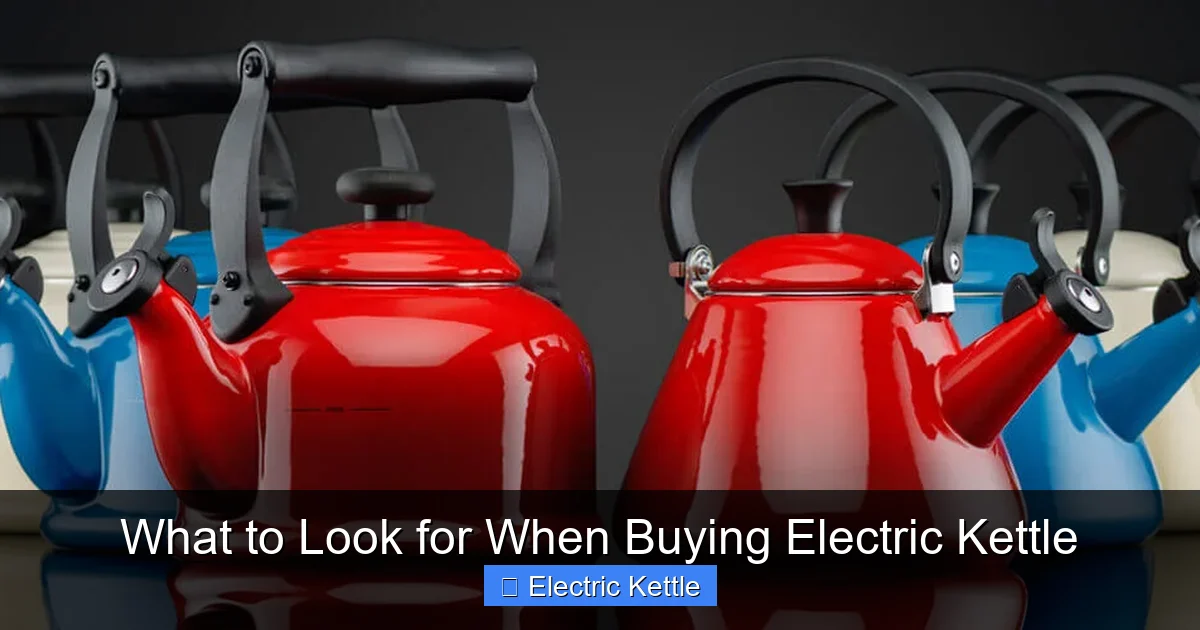
Visual guide about What to Look for When Buying Electric Kettle
Image source: liveenhanced.com
One of the first things to consider when choosing an electric kettle is its capacity. This determines how much water you can boil at once, which directly affects convenience and efficiency. Too small, and you’ll be refilling constantly. Too large, and you’re wasting energy heating more water than you need.
Standard Capacities and Who They Suit
Most electric kettles range from 1 liter to 1.7 liters. A 1-liter kettle is ideal for individuals or couples who only need water for one or two cups at a time. It’s also great for small kitchens or office desks where space is limited. On the other hand, a 1.7-liter model is the sweet spot for families or frequent entertainers. It can easily handle multiple mugs, instant soups, or even small batches of pasta.
For example, if you live alone and mostly drink one cup of tea in the morning, a 1-liter kettle will serve you well. But if you’re a family of four who enjoys hot beverages throughout the day, a larger capacity saves you from constant refills. Some premium models even go up to 2 liters, but these are best suited for large households or commercial use.
Energy Efficiency and Overfilling
It’s important to note that overfilling your kettle wastes electricity. Heating more water than necessary increases energy consumption and extends boiling time. Many modern kettles come with clear water level indicators, often marked in cups or milliliters, to help you measure the right amount.
Some smart kettles even allow you to program the exact amount of water you need. This feature is especially useful if you’re brewing pour-over coffee or tea that requires precise water volumes. By matching capacity to your actual usage, you’ll save energy and reduce your utility bills over time.
Material: Stainless Steel, Glass, or Plastic?
The material of your electric kettle affects not only its durability but also the taste of your water and how easy it is to clean. Let’s break down the pros and cons of the most common materials.
Stainless Steel: Durable and Reliable
Stainless steel is the most popular choice for a reason. It’s sturdy, resistant to rust and corrosion, and doesn’t retain odors or flavors from previous uses. High-quality stainless steel kettles often have a brushed or polished finish that looks sleek on any countertop.
One major advantage is that the heating element is usually concealed beneath the base, which means no direct contact with water. This reduces the risk of mineral buildup and makes cleaning easier. However, some users report a slight metallic taste, especially with lower-quality steel. To avoid this, look for food-grade 304 stainless steel, which is safe and non-reactive.
Glass: Transparent and Stylish
Glass kettles offer a modern, elegant look and let you watch the water boil—a satisfying visual experience. They’re also non-porous, so they won’t absorb smells or stains. This makes them ideal for people who switch between different types of tea or flavored beverages.
However, glass is more fragile than metal and can crack if dropped or exposed to sudden temperature changes. Some models come with a protective silicone sleeve to reduce the risk of breakage. Also, glass kettles often have exposed heating elements, which can lead to faster limescale buildup in hard water areas.
Plastic: Lightweight but Controversial
Plastic kettles are lightweight, affordable, and come in a variety of colors. They’re a good option if you’re on a tight budget or need a portable kettle for travel. However, there are concerns about chemicals like BPA leaching into hot water, especially with prolonged use.
If you do choose a plastic kettle, make sure it’s labeled BPA-free and made from high-quality, heat-resistant materials. Keep in mind that plastic can retain odors and may discolor over time. It’s also less durable than stainless steel or glass, so it may need replacing sooner.
Wattage and Boiling Speed: How Fast Is Fast Enough?
When it comes to electric kettles, wattage directly impacts how quickly your water boils. Most household kettles range from 1500 watts to 3000 watts. Higher wattage means faster heating, which is a major plus if you’re always in a rush.
Understanding Wattage and Performance
A 1500-watt kettle will boil a full liter of water in about 4 to 5 minutes, while a 3000-watt model can do it in under 3 minutes. That might not sound like a big difference, but when you’re half-asleep and craving coffee, every second counts.
High-wattage kettles are especially useful in homes with multiple people making hot drinks. They also perform better in colder climates, where tap water starts at a lower temperature. However, higher wattage also means higher energy consumption, so consider your electricity usage if you’re environmentally conscious.
Balancing Speed and Energy Use
Some kettles come with variable power settings, allowing you to choose between fast boil and energy-saving modes. This is a great feature if you want flexibility. For example, you might use high power for your morning coffee but switch to a lower setting for a quick cup of afternoon tea.
Also, look for kettles with rapid-boil technology, which uses optimized heating elements to maximize efficiency. These models often heat water evenly and reduce the risk of hot spots that can damage the kettle over time.
Safety Features: Protecting Yourself and Your Home
Safety should be a top priority when choosing an electric kettle. After all, you’re dealing with boiling water and electricity—two things that don’t mix well if something goes wrong. Fortunately, most modern kettles come with built-in safety mechanisms to prevent accidents.
Auto Shut-Off and Boil-Dry Protection
Auto shut-off is a must-have feature. It automatically turns off the kettle once the water reaches boiling point, preventing overheating and reducing fire risk. This is especially important if you tend to get distracted while waiting for your tea.
Boil-dry protection is another critical safety feature. It shuts off the kettle if it detects that there’s no water inside, which can happen if you accidentally turn it on empty. This protects the heating element from damage and prevents potential hazards.
Cool-Touch Exterior and Secure Lid
A cool-touch exterior ensures that the outside of the kettle stays safe to handle, even when the water inside is boiling. This is especially important if you have children or pets in the house. Look for models with insulated handles and bases that don’t get hot.
The lid should also be secure and easy to open without releasing steam directly into your face. Some kettles have a push-button lid release with a built-in spout cover to prevent splashing. Others feature a wide-opening lid for easy filling and cleaning.
Stability and Cord Management
A stable base prevents the kettle from tipping over, which could cause burns or damage your countertop. Look for a wide, non-slip base and a balanced design that doesn’t feel top-heavy when full.
Cord management is another small but important detail. Some kettles have retractable cords or cordless designs with a separate base, making them easier to store and less cluttered on your counter. This also reduces the risk of tripping over loose wires.
Temperature Control: Brewing Perfection at Your Fingertips
Not all hot beverages require the same water temperature. Black tea brews best at 100°C (212°F), while green tea needs a gentler 70–80°C (158–176°F). If you’re serious about your tea or coffee, a kettle with variable temperature control is a game-changer.
Precision Heating for Different Beverages
Kettles with temperature control let you select the ideal heat setting for your drink. This prevents over-extraction, which can make tea bitter, or under-extraction, which leaves coffee weak. Some models offer preset options like “Green Tea,” “White Tea,” “Coffee,” and “Oolong,” making it easy to get consistent results.
For example, the Fellow Stagg EKG is a popular gooseneck kettle with precise temperature control and a built-in timer. It’s a favorite among pour-over coffee enthusiasts who need exact water temperature and flow control.
Keep-Warm Functionality
Some advanced kettles include a keep-warm feature that maintains your water at the desired temperature for up to 60 minutes. This is perfect if you’re preparing multiple cups or need hot water for cooking. Just be mindful of energy use—keeping water hot over time does consume electricity.
Ease of Cleaning and Maintenance
No one wants to spend hours scrubbing their kettle. That’s why ease of cleaning is a crucial factor when choosing a model. A kettle that’s hard to clean will accumulate limescale, bacteria, and odors over time.
Removable Lids and Wide Openings
Kettles with removable lids or wide openings make it easy to reach inside with a sponge or brush. This is especially important for removing limescale buildup, which is common in areas with hard water.
Some models feature a flip-top lid with a large opening, while others have a completely detachable lid. Avoid kettles with narrow spouts or sealed designs that make cleaning difficult.
Limescale Filters and Descaling Reminders
A built-in limescale filter traps mineral deposits before they enter your cup. This improves taste and extends the life of your kettle. Look for filters that are easy to remove and clean.
Many modern kettles also have descaling reminders that alert you when it’s time to clean the interior. Some even come with self-cleaning modes that use steam or special cycles to break down buildup.
Noise Level and Design: The Quiet Comfort of Your Kitchen
While not the most critical factor, noise level can affect your daily experience—especially if you’re making tea early in the morning or late at night. Some kettles are surprisingly loud, with a high-pitched whistle or intense boiling sound.
Quieter Operation for Peaceful Mornings
Look for kettles with insulated walls or noise-reducing technology. These models tend to operate more quietly, making them ideal for open-plan living spaces or light sleepers.
Design also plays a role in usability. A well-balanced handle, intuitive controls, and a sleek aesthetic make the kettle more enjoyable to use. Some brands offer kettles in a variety of colors and finishes to match your kitchen decor.
Conclusion: Making the Smart Choice
Choosing the right electric kettle doesn’t have to be overwhelming. By focusing on what to look for when buying electric kettle—capacity, material, wattage, safety, temperature control, ease of cleaning, and noise level—you can find a model that fits your lifestyle and enhances your daily routine.
Remember, the best kettle isn’t necessarily the most expensive one. It’s the one that meets your specific needs, whether that’s fast boiling for busy mornings, precise temperature control for tea lovers, or a quiet design for peaceful kitchens. Take your time, read reviews, and prioritize features that matter most to you.
Investing in a quality electric kettle pays off in the long run. You’ll enjoy better-tasting beverages, fewer maintenance headaches, and the peace of mind that comes with safe, reliable performance. So go ahead—upgrade your kettle and elevate your hot drink game.
Frequently Asked Questions
What is the ideal capacity for a family of four?
A 1.5 to 1.7-liter electric kettle is ideal for a family of four. It provides enough water for multiple cups without requiring constant refills, making it convenient for busy households.
Is it safe to leave an electric kettle plugged in?
Yes, it’s generally safe to leave an electric kettle plugged in as long as it has auto shut-off and boil-dry protection. However, unplugging it when not in use can save energy and reduce wear on the appliance.
Can I use an electric kettle for purposes other than boiling water?
While electric kettles are designed for boiling water, some people use them to heat broth, make instant noodles, or warm baby bottles. Just avoid using them for cooking food directly, as this can damage the interior.
How often should I descale my electric kettle?
Descaling frequency depends on your water hardness. In hard water areas, descale every 4–6 weeks. In soft water areas, every 2–3 months is usually sufficient. Look for models with descaling reminders for convenience.
Do electric kettles use a lot of electricity?
Electric kettles are actually quite energy-efficient compared to stovetop kettles or microwaves. They heat water directly and quickly, using about the same amount of energy as a microwave for the same task.
Are glass kettles safe to use?
Yes, glass kettles are safe as long as they’re made from heat-resistant borosilicate glass. They’re non-toxic and don’t leach chemicals, but they are more fragile than metal kettles and should be handled with care.