An electric kettle isn’t just for boiling water—it’s a versatile kitchen tool that can simplify cooking, enhance your morning routine, and even help with cleaning. From making instant meals to sanitizing baby bottles, this guide reveals surprising and practical uses you may not have considered.
Key Takeaways
- Boiling water quickly and safely: Electric kettles heat water faster than stovetops and automatically shut off to prevent overheating.
- Brewing the perfect cup of tea or coffee: Precise temperature control ensures optimal flavor extraction for different beverages.
- Cooking simple meals: Use it to prepare instant noodles, oatmeal, eggs, and even small-batch pasta.
- Reheating liquids efficiently: Warm soups, broths, or baby formula without using the microwave or stove.
- Sanitizing household items: Boil water to disinfect baby bottles, kitchen tools, or reusable straws.
- Supporting beauty and self-care routines: Steam facial treatments or dissolve bath salts with hot water from your kettle.
- Emergency preparedness: Boil water during power outages (if using a battery-powered or portable model) or when camping.
📑 Table of Contents
- Introduction: More Than Just a Tea Maker
- Boiling Water: The Core Function with Hidden Benefits
- Brewing Beverages: Tea, Coffee, and Beyond
- Cooking Made Simple: Meals and Snacks
- Reheating and Warming: A Microwave Alternative
- Cleaning and Sanitizing: Beyond the Kitchen
- Beauty and Self-Care: At-Home Spa Treatments
- Emergency and Outdoor Use: Preparedness and Portability
- Conclusion: Unlock the Full Potential of Your Electric Kettle
Introduction: More Than Just a Tea Maker
When most people think of an electric kettle, they picture a sleek appliance humming on the countertop, ready to brew a comforting cup of tea or jumpstart their morning coffee. And yes, that’s exactly what it does—beautifully. But here’s the thing: an electric kettle is so much more than a one-trick pony. It’s a quiet workhorse in the kitchen, capable of handling a surprising range of tasks that go far beyond just heating water for your favorite beverage.
Imagine waking up to a chilly morning. Instead of waiting for the stovetop kettle to whistle or the microwave to beep, you press a button, and within minutes, you have piping-hot water ready not just for coffee, but for instant oatmeal, a warm compress, or even a quick steam facial. That’s the magic of the modern electric kettle—it’s fast, efficient, and incredibly versatile. Whether you’re a busy parent, a college student in a dorm, or someone who loves simplifying daily routines, understanding what to use an electric kettle for can transform the way you approach everyday tasks.
In this guide, we’ll explore the many surprising and practical uses of an electric kettle. You’ll learn how it can streamline your cooking, support your wellness routines, and even help with household chores. By the end, you might just wonder how you ever lived without tapping into its full potential.
Boiling Water: The Core Function with Hidden Benefits
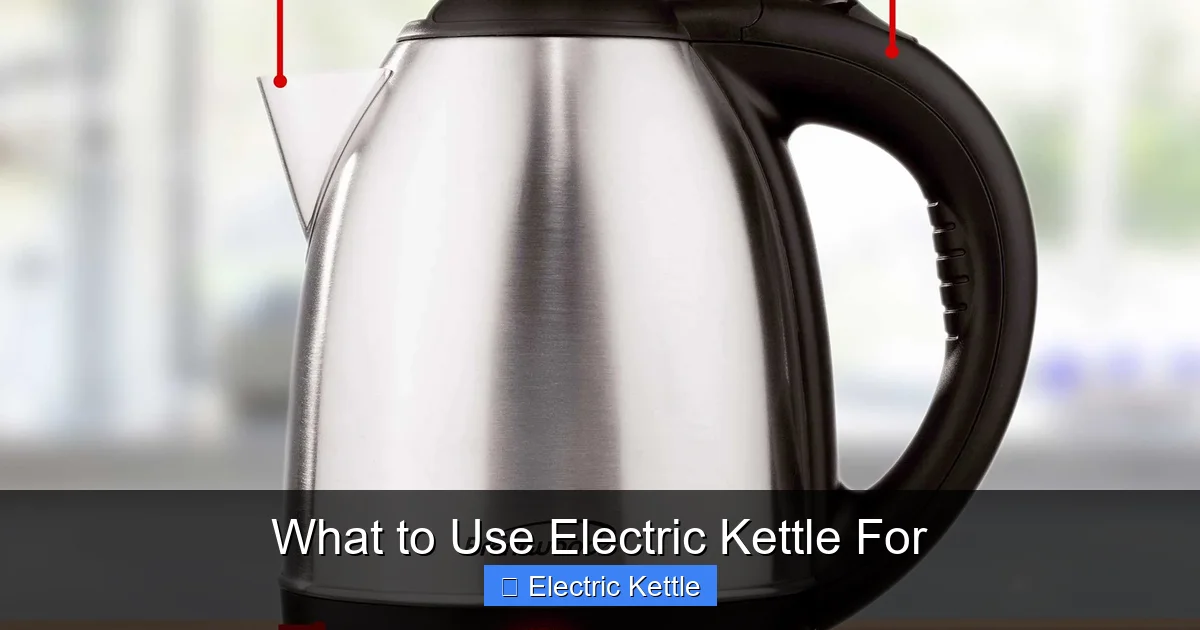
Visual guide about What to Use Electric Kettle For
Image source: easylifeelectronic.com
At its heart, an electric kettle is designed to boil water—and it does this better than almost any other kitchen appliance. But why is this such a big deal? Because hot water is the foundation of so many daily activities, from cooking to cleaning to self-care. Let’s break down why boiling water in an electric kettle is not just convenient, but also smarter and safer.
Speed and Efficiency
One of the biggest advantages of an electric kettle is how quickly it heats water. Most models can bring a full liter of water to a boil in under five minutes—sometimes even faster. Compare that to a stovetop kettle, which can take twice as long, especially on a gas burner. This speed isn’t just about saving time; it’s about energy efficiency. Electric kettles convert nearly 80–90% of their energy into heat, whereas stovetops lose a significant amount of heat to the surrounding air.
For example, if you’re making tea in the morning and need hot water fast, an electric kettle gets the job done before your toast is even done. Or imagine you’re in the middle of cooking and realize you need boiling water for pasta—instead of waiting for a pot to heat up, you can have it ready in minutes with your kettle.
Safety Features You Can Rely On
Modern electric kettles come equipped with a range of safety features that make them much safer than traditional methods. Most have automatic shut-off mechanisms that turn the kettle off once the water reaches boiling point. This prevents overheating, reduces the risk of burns, and eliminates the worry of forgetting a boiling pot on the stove.
Many models also include boil-dry protection, which stops the kettle from operating if there’s no water inside. This is especially useful if you accidentally turn it on empty. Some high-end kettles even have cool-touch exteriors, so you can handle them safely even when the water inside is scalding hot.
Temperature Control for Precision
Not all hot water needs to be boiling. Different beverages and foods require different temperatures for optimal results. Green tea, for instance, brews best at around 160–185°F (70–85°C), while black tea needs near-boiling water at 200–212°F (93–100°C). Many advanced electric kettles now offer variable temperature settings, allowing you to select the perfect heat level for your needs.
This precision isn’t just for tea connoisseurs. If you’re making pour-over coffee, using water that’s too hot can burn the grounds and create a bitter taste. With a temperature-controlled kettle, you can dial in the ideal setting and enjoy a smoother, more flavorful cup every time.
Brewing Beverages: Tea, Coffee, and Beyond
When it comes to drinks, the electric kettle is a game-changer. It’s not just about speed—it’s about consistency, flavor, and convenience. Whether you’re a tea lover, a coffee enthusiast, or someone who enjoys hot chocolate on a cold day, your kettle can elevate your beverage game.
The Art of Tea Brewing
Tea is one of the most popular uses for an electric kettle, and for good reason. Different types of tea require different water temperatures and steeping times to bring out their best flavors. Using the wrong temperature can result in a bitter, astringent, or flat-tasting cup.
For example:
– White tea: 160–185°F (70–85°C), steep for 2–3 minutes
– Green tea: 175–185°F (80–85°C), steep for 1–3 minutes
– Oolong tea: 185–205°F (85–96°C), steep for 2–5 minutes
– Black tea: 200–212°F (93–100°C), steep for 3–5 minutes
With a temperature-controlled electric kettle, you can set the exact heat level and avoid over-extraction. Some kettles even have built-in timers or keep-warm functions, so your tea stays at the perfect drinking temperature without over-steeping.
Perfecting Your Coffee Routine
Coffee lovers, take note: your electric kettle can be a secret weapon for better brews. While espresso machines and French presses have their place, many specialty coffee methods—like pour-over, Chemex, or V60—rely on precise water temperature and controlled pouring.
Using an electric kettle with a gooseneck spout gives you better control over the flow of water, which is crucial for even saturation of the coffee grounds. This leads to a more balanced, aromatic cup. Plus, since the kettle heats water quickly, you can go from grinding beans to sipping your coffee in under ten minutes.
Even if you’re using instant coffee, starting with freshly boiled water from your kettle makes a noticeable difference in taste compared to microwaved or stale water.
Hot Chocolate, Broths, and More
Beyond tea and coffee, your kettle can help you make other warm drinks. Hot chocolate, for instance, tastes richer when made with freshly boiled water or milk (though be cautious with milk—most kettles aren’t designed for dairy and can leave residue or scorch). You can also use hot water to dissolve instant soup mixes, miso paste, or bone broth powders for a quick, nourishing drink.
For a cozy winter treat, try making spiced apple cider by boiling water and steeping cinnamon sticks, cloves, and orange slices. The kettle does the hard work, and you get a fragrant, warming beverage in minutes.
Cooking Made Simple: Meals and Snacks
Here’s where the electric kettle really shines—its ability to help you cook quick, easy meals without needing a full stovetop setup. Whether you’re in a dorm room, traveling, or just want to simplify dinner prep, your kettle can be a mini kitchen all on its own.
Instant Noodles and Ramen
This is perhaps the most obvious use, but it’s worth mentioning because it’s so effective. Instead of waiting for a pot of water to boil on the stove, you can pour hot water directly from your kettle into a bowl of instant noodles. In under five minutes, you have a hot, satisfying meal.
But don’t stop at the basics. Try adding frozen vegetables, a boiled egg, or a spoonful of miso paste to upgrade your ramen. You can even use the kettle to soft-boil an egg by submerging it in boiling water for 6–7 minutes, then cooling it in ice water.
Oatmeal and Porridge
Making oatmeal doesn’t require a stove. Simply add oats and your choice of liquid (water, milk, or a plant-based alternative) to a heat-safe bowl, then pour in boiling water from your kettle. Stir, cover, and let it sit for 3–5 minutes. You’ll have creamy, warm oatmeal ready to top with fruit, nuts, or honey.
For creamier results, use a 1:2 ratio of oats to liquid and stir occasionally. Steel-cut oats may need a bit more time, but they’re still faster than stovetop cooking.
Pasta, Rice, and Grains
Yes, you can cook small portions of pasta or rice using just your electric kettle. For pasta, bring water to a boil, add the noodles, and let them sit covered for 8–10 minutes, stirring occasionally. Drain and toss with sauce. It won’t be al dente like stovetop pasta, but it’s perfect for a quick lunch.
Rice and other grains like quinoa or couscous can be “cooked” by pouring boiling water over them and letting them steam. Use a 1:1.5 ratio of grain to water, cover tightly, and wait 15–20 minutes. Fluff with a fork and serve.
Eggs and Dumplings
Soft-boiled or poached eggs are easy with an electric kettle. For soft-boiled eggs, submerge eggs in boiling water for 6–7 minutes, then transfer to cold water to stop cooking. For poached eggs, crack an egg into a small bowl, lower it into the boiling water using a spoon, and let it cook for 3–4 minutes.
You can also use your kettle to steam dumplings or buns. Place them in a steamer basket over a bowl of boiling water (created by pouring kettle water into a heat-safe container), cover, and steam for 8–10 minutes.
Reheating and Warming: A Microwave Alternative
Microwaves are convenient, but they often reheat food unevenly or leave liquids lukewarm. Your electric kettle offers a gentler, more effective way to warm up soups, broths, baby formula, and other liquids.
Warming Soups and Broths
Instead of microwaving a bowl of soup, try reheating it with your kettle. Pour the soup into a heat-safe container, then add boiling water from the kettle to warm it through. This method preserves texture and flavor better than microwaving, which can create hot spots and alter taste.
For creamy soups, stir frequently to prevent scorching. You can also use this method to revive leftover gravy or sauce.
Baby Formula and Milk
Parents often use electric kettles to warm baby bottles. Instead of waiting for a bottle warmer or risking uneven heating in the microwave, you can pour hot water into a bowl and place the bottle inside to warm gently. Some parents even use the kettle to boil water for formula preparation, ensuring it’s at the right temperature for mixing.
Always test the temperature before feeding, and never heat milk directly in the kettle, as it can burn and leave a difficult-to-clean residue.
Coffee and Tea Reheating
If your coffee or tea has gone cold, don’t microwave it—use your kettle. Pour the drink into a cup, add a small amount of boiling water, and stir. This restores heat without over-diluting the flavor. For tea, you can also steep a fresh bag in hot water and mix it with the cooled tea for a balanced result.
Cleaning and Sanitizing: Beyond the Kitchen
One of the most underrated uses of an electric kettle is its role in cleaning and sanitizing. The high heat of boiling water makes it a powerful tool for killing bacteria and loosening grime.
Sanitizing Baby Bottles and Pacifiers
Boiling is one of the most effective ways to sterilize baby items. After washing bottles and nipples, submerge them in a pot of boiling water for 5–10 minutes. With an electric kettle, you can quickly generate the hot water needed for this process. Simply boil water, pour it into a clean container, and add the items to soak.
This method is especially useful when traveling or when you don’t have access to a sterilizer.
Cleaning Kitchen Tools
Use boiling water to clean stubborn residues from mugs, thermoses, or reusable straws. Pour hot water into the item, let it sit for a few minutes, then scrub with a brush. The heat helps dissolve coffee stains, grease, and odors.
You can also use the kettle to clean your kettle! Regular descaling with vinegar and water (boiled in the kettle) removes mineral buildup and keeps it running efficiently.
Disinfecting Sponges and Dishcloths
Kitchen sponges and cloths can harbor bacteria. To sanitize them, soak them in a bowl of boiling water from your kettle for 1–2 minutes. This kills most germs and extends the life of your cleaning tools.
Beauty and Self-Care: At-Home Spa Treatments
Your electric kettle can also support your wellness routine. The steam and hot water it produces are perfect for DIY spa treatments that relax and rejuvenate.
Steam Facials
A steam facial opens pores, cleanses the skin, and promotes circulation. Simply boil water in your kettle, pour it into a heat-safe bowl, and drape a towel over your head to trap the steam. Lean over the bowl for 5–10 minutes, keeping a safe distance to avoid burns.
Add a few drops of essential oils like lavender or eucalyptus for aromatherapy benefits. Follow with a gentle cleanser and moisturizer for glowing skin.
Dissolving Bath Salts and Oils
If you enjoy bath salts or essential oils, use your kettle to dissolve them in hot water before adding to your bath. This ensures even distribution and faster activation of the ingredients. Just be sure to pour the water carefully to avoid spills.
Warm Compresses
For sore muscles, headaches, or sinus congestion, a warm compress can provide relief. Soak a clean cloth in hot water from your kettle, wring it out, and apply to the affected area. The consistent heat helps relax tension and improve circulation.
Emergency and Outdoor Use: Preparedness and Portability
Electric kettles aren’t just for home use. With the right model, they can be valuable tools in emergencies or outdoor settings.
Boiling Water for Safety
During power outages or when camping, access to clean drinking water can be limited. If you have a portable or battery-powered electric kettle, you can boil water to make it safe to drink. This is especially important in areas with questionable water quality.
Even standard kettles can be used with a power inverter in a car, making them useful for road trips or outdoor adventures.
Quick Meals on the Go
Traveling or staying in a hotel? Many modern accommodations don’t have stovetops, but they often provide electric kettles. Use it to make instant meals, coffee, or tea without needing extra equipment. Just pack some instant oatmeal, soup cups, or tea bags, and you’re all set.
Supporting Remote Work and Study
For students in dorms or remote workers in small spaces, an electric kettle is a compact kitchen essential. It lets you prepare meals, drinks, and even clean items without needing a full kitchen setup.
Conclusion: Unlock the Full Potential of Your Electric Kettle
So, what to use electric kettle for? As we’ve seen, the answer is: almost anything that involves hot water. From brewing the perfect cup of tea to cooking quick meals, sanitizing baby bottles, and even supporting your beauty routine, this humble appliance is a multitasking marvel.
Its speed, safety, and precision make it a standout in any kitchen. And with so many innovative features—like temperature control, gooseneck spouts, and keep-warm functions—modern electric kettles are more capable than ever.
Whether you’re a busy professional, a student, a parent, or just someone who loves convenience, understanding the full range of uses for your electric kettle can simplify your life and enhance your daily routines. So the next time you reach for your kettle, remember: it’s not just for boiling water. It’s for boiling possibilities.
Frequently Asked Questions
Can I use an electric kettle to boil milk?
It’s not recommended to boil milk directly in an electric kettle, as it can scorch, leave residue, and damage the interior. Instead, heat milk in a saucepan or use the kettle to boil water and then mix it with milk.
How do I clean my electric kettle?
To clean your kettle, mix equal parts water and white vinegar, boil it, let it sit for 15–20 minutes, then rinse thoroughly. For daily cleaning, wipe the exterior with a damp cloth and descale monthly to remove mineral buildup.
Can I cook rice in an electric kettle?
Yes, you can cook small portions of rice by pouring boiling water over it in a heat-safe container and letting it steam for 15–20 minutes. Use a 1:1.5 ratio of rice to water and cover tightly.
Is it safe to leave water in an electric kettle?
It’s best to empty the kettle after each use to prevent mineral buildup and bacteria growth. Leaving water sitting for long periods can affect taste and appliance performance.
Can I use an electric kettle for baby formula?
Yes, you can use boiled water from an electric kettle to prepare formula. Ensure the water is at the correct temperature (around 70°C or 158°F) to kill harmful bacteria while preserving nutrients.
Do electric kettles use a lot of electricity?
Electric kettles are energy-efficient, using less power than stovetops to boil the same amount of water. Most models consume between 1,200 and 1,500 watts and boil water in under five minutes.