Keeping your electric kettle clean inside is essential for great-tasting water and long appliance life. From vinegar to citric acid, we’ll show you the best, safest methods to remove limescale, residue, and odors—without damaging your kettle.
Key Takeaways
- White vinegar is the most popular and effective natural cleaner: It dissolves limescale and mineral buildup quickly and safely.
- Citric acid offers a strong, odor-free alternative: Ideal for frequent users or those sensitive to vinegar smell.
- Baking soda works best for light stains and odors: Use it for gentle scrubbing or combining with vinegar for extra power.
- Commercial descaling solutions are convenient and fast: Designed specifically for kettles and coffee makers, they’re safe when used correctly.
- Regular cleaning prevents buildup and improves performance: Clean your kettle every 2–4 weeks depending on water hardness.
- Never use abrasive scrubbers or harsh chemicals: These can scratch the interior or leave harmful residues.
- Always rinse thoroughly and boil fresh water after cleaning: Ensures no cleaning taste remains in your next cup of tea or coffee.
📑 Table of Contents
- Why Cleaning the Inside of Your Electric Kettle Matters
- Understanding Limescale and Mineral Buildup
- Top Natural Cleaners for Your Electric Kettle
- Commercial Descaling Solutions: When to Use Them
- Step-by-Step Guide to Cleaning Your Electric Kettle
- Preventing Future Buildup and Maintaining Your Kettle
- Common Mistakes to Avoid When Cleaning
- Conclusion
Why Cleaning the Inside of Your Electric Kettle Matters
Your electric kettle works hard every day—heating water for tea, coffee, instant soups, and more. But over time, the inside of your kettle can become a hidden hotspot for mineral buildup, bacteria, and lingering odors. If you live in an area with hard water, you’ve probably noticed a white, chalky residue lining the bottom or sides of your kettle. That’s limescale, and it’s more than just unsightly—it can affect how your kettle performs and even alter the taste of your water.
Beyond limescale, residue from tea, coffee, or flavored drinks can build up, creating a breeding ground for bacteria and mold. Even if your kettle looks clean, invisible films and odors can develop, especially if you use it frequently. A dirty kettle not only impacts the flavor of your beverages but can also reduce heating efficiency and shorten the lifespan of your appliance. That’s why knowing what to use to clean inside electric kettle is so important. Regular maintenance keeps your kettle running smoothly and ensures every cup tastes fresh and pure.
Understanding Limescale and Mineral Buildup
Limescale is the most common enemy of electric kettles. It forms when hard water—water high in calcium and magnesium—is heated repeatedly. These minerals don’t evaporate with the steam; instead, they settle on the heating element and interior surfaces, creating a hard, crusty layer. Over time, this buildup can insulate the heating coil, making your kettle take longer to boil water and use more energy. In severe cases, it can even cause the kettle to overheat or fail prematurely.
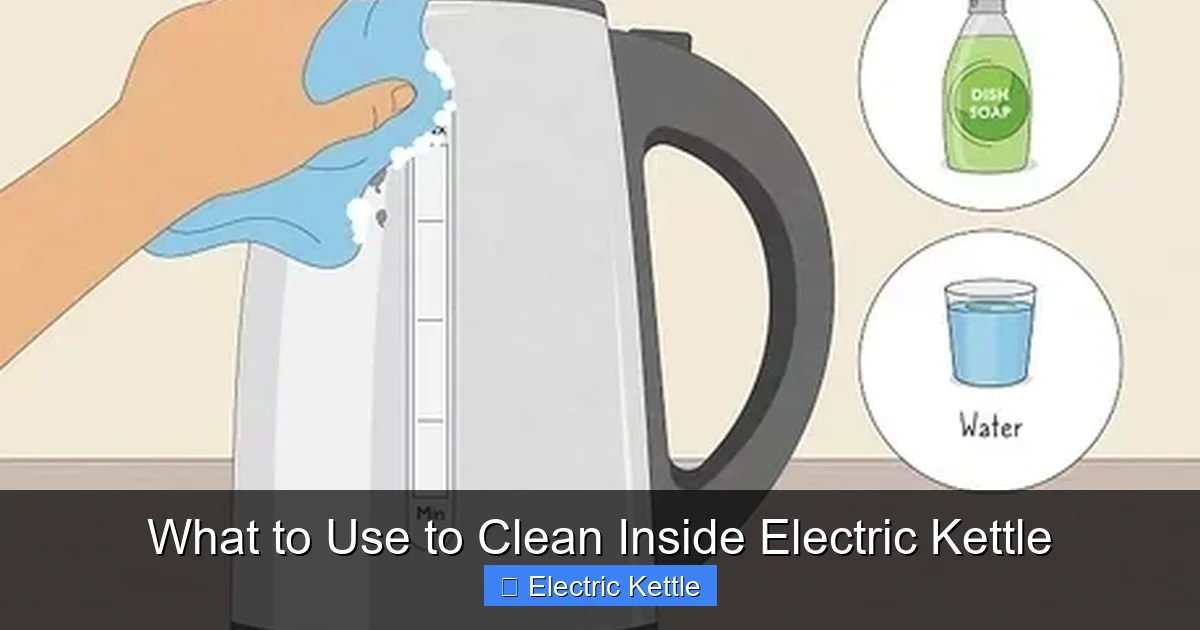
Visual guide about What to Use to Clean Inside Electric Kettle
Image source: easylifeelectronic.com
Signs Your Kettle Needs Cleaning
- White or gray chalky deposits on the bottom or walls
- Water takes longer to boil than usual
- Unusual noises during heating (like popping or crackling)
- Off-tastes or odd smells in your water or tea
- Visible cloudiness or floating particles in boiled water
If you notice any of these signs, it’s time to give your kettle a deep clean. The good news? You don’t need expensive tools or chemicals. Simple household ingredients can tackle even the toughest buildup.
Top Natural Cleaners for Your Electric Kettle
When it comes to cleaning the inside of your electric kettle, natural solutions are often the safest and most effective. They’re gentle on your appliance, eco-friendly, and usually already in your pantry. Here are the top natural cleaners you can use—each with its own strengths and best-use scenarios.
White Vinegar: The Classic Choice
White distilled vinegar is the gold standard for cleaning electric kettles. Its high acidity (typically 5% acetic acid) breaks down limescale and mineral deposits with ease. Plus, it’s inexpensive, widely available, and leaves no harmful residues when used correctly.
To use vinegar:
- Fill the kettle halfway with equal parts white vinegar and water.
- Bring the solution to a boil, then turn off the kettle and let it sit for 15–30 minutes.
- For heavy buildup, leave it overnight.
- Pour out the solution and scrub gently with a soft sponge or brush if needed.
- Rinse thoroughly with clean water, then boil fresh water 1–2 times to remove any vinegar taste.
Tip: If the vinegar smell bothers you, add a slice of lemon or a few drops of lemon juice to the mix. It helps neutralize the odor and boosts cleaning power.
Citric Acid: The Odor-Free Powerhouse
If you’re not a fan of vinegar’s sharp smell, citric acid is an excellent alternative. Found in citrus fruits and commonly sold as a powder or crystals, citric acid is highly effective at dissolving limescale and is often used in commercial descaling products.
To use citric acid:
- Dissolve 1–2 tablespoons of citric acid powder in a full kettle of water.
- Boil the solution, then let it sit for 30 minutes to an hour.
- Pour out the liquid and rinse well.
- Boil fresh water once or twice to ensure no residue remains.
Citric acid is especially great for frequent kettle users or those with very hard water. It’s also safe for stainless steel and plastic interiors, making it a versatile choice.
Baking Soda: Gentle Scrubbing and Deodorizing
Baking soda (sodium bicarbonate) isn’t as strong as vinegar or citric acid, but it’s perfect for light cleaning, deodorizing, and scrubbing away surface stains. It’s mildly abrasive, so it can help lift grime without scratching delicate surfaces.
To use baking soda:
- Mix 1–2 tablespoons of baking soda with a small amount of water to form a paste.
- Use a soft cloth or sponge to gently scrub the inside of the kettle.
- For deeper cleaning, add 1 tablespoon of baking soda to a full kettle of water, boil, and let sit for 15–20 minutes.
- Rinse thoroughly and boil fresh water to finish.
Baking soda works best when combined with vinegar. The fizzing reaction helps loosen stubborn deposits. Just be sure to rinse well afterward to avoid any soapy taste.
Lemon Juice: Fresh Scent and Natural Acidity
Lemon juice is another natural acid that can help break down limescale. It’s less potent than vinegar or citric acid, but it leaves a fresh, clean scent and is gentle on most kettle interiors.
To use lemon juice:
- Cut a lemon in half and squeeze the juice into the kettle, or use bottled lemon juice (about 1/4 to 1/2 cup).
- Add water to fill the kettle halfway.
- Boil the mixture, then let it sit for 30 minutes.
- Pour out the liquid, scrub if needed, and rinse well.
- Boil fresh water to remove any citrus taste.
Lemon juice is ideal for light cleaning or as a follow-up to vinegar to freshen the scent. It’s also a great option if you’re sensitive to strong smells.
Commercial Descaling Solutions: When to Use Them
While natural cleaners are effective, sometimes you need a little extra power—especially if your kettle has severe limescale or you’re short on time. That’s where commercial descaling solutions come in. These products are specifically formulated to remove mineral buildup from kettles, coffee makers, and other small appliances.
How They Work
Most descaling solutions contain food-safe acids like citric acid, lactic acid, or phosphoric acid. They’re designed to dissolve limescale quickly and safely without damaging your kettle’s interior. Many are odorless and leave no aftertaste when used correctly.
Popular Brands and Products
- Urnex KettleKlean: A plant-based, biodegradable cleaner safe for all kettle types.
- De’Longhi Descaling Solution: Designed for their appliances but works well on most kettles.
- Ecozone Kettle Descaler: Concentrated formula that’s eco-friendly and effective.
- Finish Dishwasher & Appliance Cleaner: Multi-use product that works on kettles and coffee makers.
Always follow the manufacturer’s instructions on the label. Most require diluting the solution with water, boiling, soaking, and rinsing. Never use undiluted descaler, as it can be too harsh.
Pros and Cons of Commercial Cleaners
Pros:
- Fast and effective on tough buildup
- Often odorless and tasteless
- Convenient and easy to use
- Formulated for appliance safety
Cons:
- More expensive than natural options
- May contain chemicals you prefer to avoid
- Not always eco-friendly
- Requires purchasing and storing
If you choose a commercial cleaner, look for products labeled “food-safe,” “biodegradable,” or “non-toxic.” Avoid anything with strong chemical odors or harsh ingredients like bleach or ammonia.
Step-by-Step Guide to Cleaning Your Electric Kettle
Now that you know what to use to clean inside electric kettle, here’s a simple, foolproof method you can follow every time. This process works with vinegar, citric acid, or commercial descalers.
Step 1: Unplug and Cool Down
Always unplug your kettle and let it cool completely before cleaning. Never add cold water to a hot kettle—it can cause cracking or damage to the heating element.
Step 2: Choose Your Cleaner
Select your preferred cleaning solution based on the level of buildup and your personal preference. For mild buildup, lemon juice or baking soda may suffice. For heavy limescale, go with vinegar or citric acid.
Step 3: Fill and Boil
Fill the kettle with your cleaning solution—usually a 1:1 ratio of cleaner to water, or as directed on the product label. Bring the solution to a full boil.
Step 4: Soak and Scrub
Turn off the kettle and let the solution sit for 15–30 minutes (or longer for tough buildup). For stubborn spots, use a soft sponge, brush, or cloth to gently scrub the interior. Avoid metal scrubbers or abrasive pads—they can scratch stainless steel or damage non-stick coatings.
Step 5: Rinse Thoroughly
Pour out the cleaning solution and rinse the kettle several times with clean water. Make sure no residue remains, especially if using vinegar or citric acid.
Step 6: Boil Fresh Water
Fill the kettle with fresh water and boil it 1–2 times. This helps remove any lingering taste or odor from the cleaning process. Discard the water after boiling—don’t drink it.
Step 7: Dry and Store
Wipe the exterior with a dry cloth and let the interior air dry with the lid open. Store your kettle in a cool, dry place until next use.
Tip: For kettles with removable lids or wide openings, you can use a bottle brush or toothbrush to reach tight spots. For narrow-necked kettles, a long-handled brush or even a spoon wrapped in a cloth can help.
Preventing Future Buildup and Maintaining Your Kettle
Cleaning your kettle regularly is important, but prevention is even better. With a few simple habits, you can reduce limescale and keep your kettle looking and tasting fresh for years.
Use Filtered or Softened Water
The easiest way to prevent limescale is to use soft or filtered water. If your tap water is hard, consider installing a water softener or using a pitcher filter. Distilled water is also an option, though it’s more expensive and may lack beneficial minerals.
Empty After Each Use
Don’t let water sit in your kettle for long periods. Empty it after each use to prevent mineral deposits from forming. This is especially important if you’re using hard water.
Wipe Down the Exterior
While we’re focused on the inside, don’t forget the outside! Wipe down the exterior with a damp cloth regularly to remove fingerprints, dust, and spills. Avoid getting water near the electrical base.
Clean Regularly
Even if you don’t see buildup, clean your kettle every 2–4 weeks. If you live in a hard water area or use your kettle daily, aim for every 2 weeks. For occasional users, once a month is usually enough.
Check the Manufacturer’s Instructions
Some kettles have specific cleaning recommendations. Always check the user manual for guidance on safe cleaning methods and compatible products. Using the wrong cleaner could void your warranty.
Common Mistakes to Avoid When Cleaning
Even with the best intentions, it’s easy to make mistakes when cleaning your electric kettle. Here are some common pitfalls and how to avoid them.
Using Harsh Chemicals
Never use bleach, ammonia, or oven cleaners in your kettle. These chemicals can leave toxic residues and damage the interior. Stick to food-safe acids like vinegar, citric acid, or approved descalers.
Scrubbing Too Hard
Aggressive scrubbing can scratch stainless steel or wear down non-stick coatings. Use soft tools and gentle pressure. If buildup is tough, let the cleaning solution soak longer instead of scrubbing harder.
Not Rinsing Enough
Rinsing is crucial. Any leftover cleaner—especially vinegar or citric acid—can affect the taste of your water. Always rinse thoroughly and boil fresh water afterward.
Cleaning a Hot Kettle
Never add cold water or cleaning solutions to a hot kettle. The sudden temperature change can crack the glass or damage the heating element. Always wait for the kettle to cool completely.
Ignoring the Heating Element
The heating coil or plate at the bottom is where most buildup occurs. Make sure your cleaning solution covers it completely. If your kettle has a concealed element, the liquid will naturally cover it when filled.
Conclusion
Keeping the inside of your electric kettle clean doesn’t have to be complicated or time-consuming. With the right tools and techniques, you can easily remove limescale, odors, and residue using simple household ingredients or safe commercial products. Whether you prefer the classic power of white vinegar, the odor-free strength of citric acid, or the convenience of a store-bought descaler, there’s a method that fits your needs.
Regular cleaning not only improves the taste of your tea and coffee but also extends the life of your kettle and ensures it operates efficiently. By following the steps outlined in this guide and avoiding common mistakes, you’ll keep your kettle in top condition for years to come. So the next time you wonder what to use to clean inside electric kettle, remember: a little care goes a long way. Your taste buds—and your kettle—will thank you.
Frequently Asked Questions
Can I use apple cider vinegar to clean my electric kettle?
Yes, you can use apple cider vinegar, but white distilled vinegar is preferred. Apple cider vinegar is less acidic and may leave a stronger smell. If you use it, rinse thoroughly and boil fresh water afterward to remove any aftertaste.
How often should I clean my electric kettle?
Clean your kettle every 2–4 weeks, depending on usage and water hardness. If you use it daily or have hard water, clean it every 2 weeks. For occasional use, once a month is usually sufficient.
Is it safe to drink water after cleaning with vinegar?
Yes, as long as you rinse the kettle thoroughly and boil fresh water 1–2 times after cleaning. This removes any vinegar taste or residue, making the water safe and clean to drink.
Can I clean a glass electric kettle the same way?
Yes, glass kettles can be cleaned with vinegar, citric acid, or commercial descalers. Avoid abrasive scrubbers that could scratch the glass. Always handle with care to prevent cracking.
What if my kettle has a non-stick coating?
Use gentle cleaners like vinegar or citric acid and avoid abrasive tools. Never use steel wool or harsh scrubbers, as they can damage the non-stick surface. Follow the manufacturer’s cleaning guidelines.
Can I use bleach to clean my electric kettle?
No, never use bleach or other harsh chemicals. They can leave toxic residues and damage the kettle. Stick to food-safe acids like vinegar, citric acid, or approved descaling solutions.