
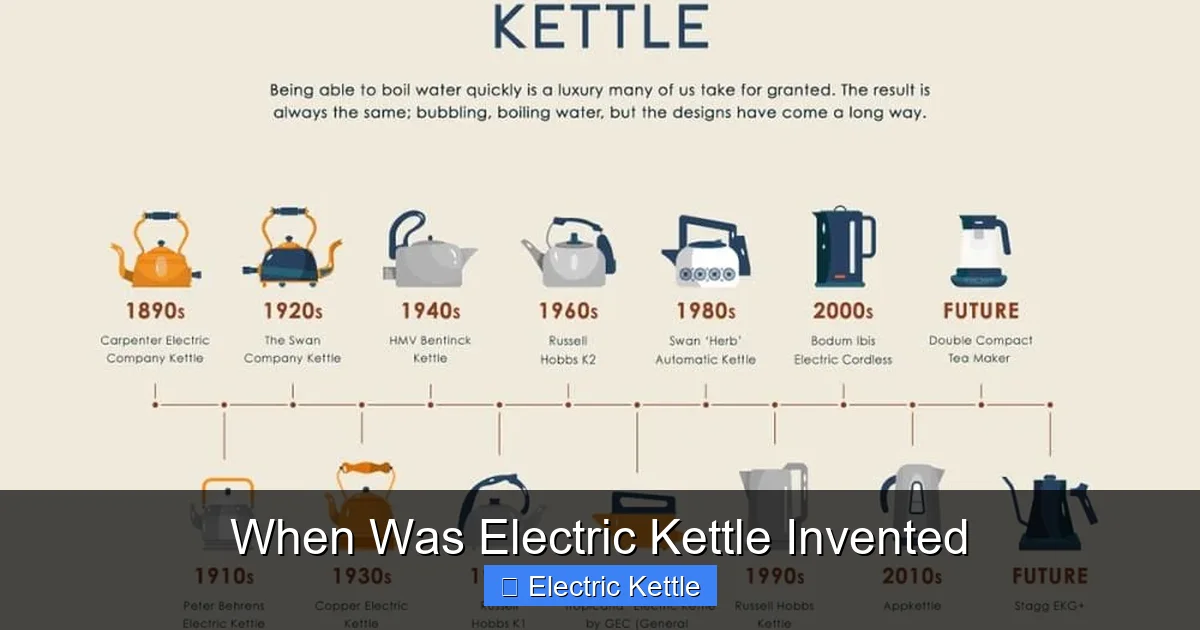
The electric kettle was invented in the late 1800s, with the first patent filed in 1891 by the Crompton & Co. company in the UK. It revolutionized home cooking by offering a faster, safer way to boil water compared to stovetop methods. Over time, it became a global kitchen essential, evolving with technology and design.
Have you ever stood in your kitchen, waiting for water to boil on the stove, and wished there was a faster way? If so, you’re not alone. For centuries, people relied on fire, stoves, or kettles placed over open flames to heat water—methods that were slow, inefficient, and sometimes dangerous. But then, a quiet revolution began in the late 19th century: the invention of the electric kettle. This simple yet transformative appliance changed how we prepare tea, coffee, instant meals, and even baby formula. It brought speed, convenience, and safety to kitchens around the world.
The journey of the electric kettle is a story of innovation, adaptation, and global influence. From its humble beginnings as a clunky, slow-heating device to today’s sleek, high-tech models, the electric kettle has evolved dramatically. It’s more than just a tool for boiling water—it’s a symbol of modern living, reflecting advances in electrical engineering, consumer needs, and lifestyle changes. Whether you’re sipping a morning cuppa in London or preparing instant noodles in Tokyo, chances are an electric kettle played a role.
Key Takeaways
- First electric kettle invented in 1891: The earliest known electric kettle was patented by British company Crompton & Co., marking the beginning of electric water heating in homes.
- Early models were basic and slow: Initial versions used external heating elements and took longer to boil water, lacking the efficiency of modern kettles.
- Popularity grew in the 1920s–1950s: As electricity became more common in households, electric kettles gained traction, especially in the UK and Europe.
- Automatic shut-off feature introduced in the 1950s: This innovation improved safety and energy efficiency, making kettles more user-friendly.
- Modern kettles are fast, smart, and energy-efficient: Today’s models boil water in under 3 minutes and include features like temperature control, LED indicators, and keep-warm functions.
- Global adoption varies by region: Electric kettles are most popular in the UK, Australia, and parts of Asia, while North America still favors stovetop kettles in many homes.
- Future trends include smart connectivity and eco-design: New models integrate with apps, voice assistants, and use sustainable materials to reduce environmental impact.
📑 Table of Contents
The Origins of the Electric Kettle
The idea of using electricity to heat water didn’t emerge overnight. It was the result of decades of experimentation with electricity and heating elements. In the mid-1800s, scientists and inventors were exploring how electricity could be used for practical purposes beyond lighting. One of the earliest breakthroughs came with the development of the electric heating coil, a key component in electric kettles.
Early Experiments with Electric Heating
In the 1850s and 1860s, inventors like James Bowman Lindsay and Thomas Edison were working on electric heating systems. Lindsay, a Scottish inventor, demonstrated an electric water heater as early as 1855, though it wasn’t designed for household use. These early experiments laid the groundwork for future appliances, but they were far from practical for everyday kitchens.
The real leap came with the invention of the resistance heating element. This is the part of the kettle that gets hot when electricity passes through it. By the 1880s, companies were producing electric irons and heaters using this technology. It was only a matter of time before someone applied it to boiling water.
The First Patent: 1891
The credit for the first electric kettle goes to the British company Crompton & Co., which filed a patent in 1891. This early model featured a heating element submerged in water, housed inside a metal container. Unlike modern kettles, it didn’t have an automatic shut-off or temperature control. Users had to monitor it closely to prevent overheating or boiling dry.
This invention was groundbreaking, but it wasn’t an instant hit. Electricity was still a novelty in most homes, and the cost of both the appliance and electricity made it inaccessible to the average family. Still, it marked the beginning of a new era in kitchen technology.
Early Electric Kettles: Design and Limitations
Visual guide about When Was Electric Kettle Invented
Image source: static.triviaclue.com
The first electric kettles were far from the sleek, fast-boiling devices we know today. They were bulky, slow, and often unsafe by modern standards. Yet, they represented a major step forward in home convenience.
Basic Design and Function
Early electric kettles typically had a metal body—often copper or steel—with a heating element attached to the bottom or side. The element was external, meaning it didn’t come into direct contact with the water. Instead, it heated the metal container, which then transferred heat to the water. This indirect method made the process slower and less efficient.
These kettles usually held about 1 to 2 liters of water and took 10 to 15 minutes to boil—much longer than today’s models. They also lacked insulation, so the outer surface could get dangerously hot. Users had to be careful not to touch the kettle while it was in use.
Safety Concerns and User Experience
One of the biggest drawbacks of early electric kettles was safety. Without automatic shut-off, there was a real risk of the kettle boiling dry, which could damage the heating element or even start a fire. Some models had basic thermostats, but they were unreliable.
Another issue was mineral buildup. Hard water left deposits on the heating element, reducing efficiency over time. Cleaning was difficult, and many users didn’t know how to maintain their kettles properly.
Despite these flaws, early adopters appreciated the convenience. No more waiting for a stove to heat up or worrying about leaving a flame unattended. For the first time, boiling water could be as simple as flipping a switch.
The Rise in Popularity: 1920s to 1950s
The electric kettle didn’t become a household staple overnight. It took decades of technological improvements and societal changes for it to gain widespread acceptance.
Electrification of Homes
The 1920s marked a turning point. As electricity spread across cities and towns, more homes had access to reliable power. This made electric appliances more practical and affordable. The Great Depression slowed progress, but by the 1940s and 1950s, electric kettles began appearing in middle-class kitchens.
In the UK, the electric kettle became especially popular. Tea is a national obsession, and the ability to boil water quickly was a game-changer. British manufacturers like Russell Hobbs and Morphy Richards started producing more advanced models, helping to drive adoption.
Introduction of Automatic Shut-Off
One of the most important innovations came in the 1950s: the automatic shut-off feature. This mechanism used a thermostat to detect when water reached boiling point and cut off the power. It prevented dry boiling, improved safety, and saved energy.
This feature was a major selling point. Suddenly, users could walk away from the kettle without worry. It also made the appliance more appealing to families, especially those with children.
Design Improvements
Kettles began to look more modern. Sleek enamel finishes, ergonomic handles, and detachable bases became common. Some models even had cordless designs, allowing users to lift the kettle off its base for pouring—a feature we now take for granted.
These improvements made electric kettles not just functional, but stylish. They started appearing in advertisements as symbols of modern, efficient living.
Modern Electric Kettles: Speed, Safety, and Smart Features
Today’s electric kettles are a far cry from their 19th-century ancestors. They’re faster, safer, and packed with features that make daily life easier.
Faster Boiling Times
Modern kettles can boil a full liter of water in under 3 minutes—sometimes even less. This is thanks to powerful heating elements (typically 1500 to 3000 watts) and improved insulation. Some high-end models use rapid-boil technology to heat water even faster.
For example, the Breville Smart Kettle can boil water in just 2 minutes and 30 seconds. That’s faster than most microwaves and stovetops. This speed is especially useful in busy households or offices where time is precious.
Temperature Control and Specialty Settings
One of the biggest advancements is variable temperature control. Instead of just boiling water, many kettles let you choose specific temperatures—perfect for different types of tea, coffee, or baby formula.
For instance, green tea brews best at around 175°F (80°C), while French press coffee needs water just off the boil (around 200°F or 93°C). Kettles like the Cuisinart PerfecTemp allow you to select these settings with the touch of a button.
Some models even have preset programs for oolong, white tea, or pour-over coffee. This level of precision was unimaginable just a few decades ago.
Smart and Connected Kettles
The latest trend is smart kettles that connect to Wi-Fi and smartphone apps. Brands like Smarter and Fellow offer models you can control remotely. Want to start boiling water from your bed? Just open the app and press a button.
These kettles can also integrate with voice assistants like Alexa or Google Assistant. Say, “Hey Google, boil water,” and your kettle starts heating. Some even send notifications when the water is ready.
While not essential, these features add convenience for tech-savvy users. They’re especially useful for people with mobility issues or busy schedules.
Energy Efficiency and Eco-Friendly Designs
Modern kettles are designed to be energy-efficient. Many use just the right amount of power to heat the water you need, reducing waste. Some models have “boil-dry protection” and auto shut-off after boiling, which saves electricity and prevents accidents.
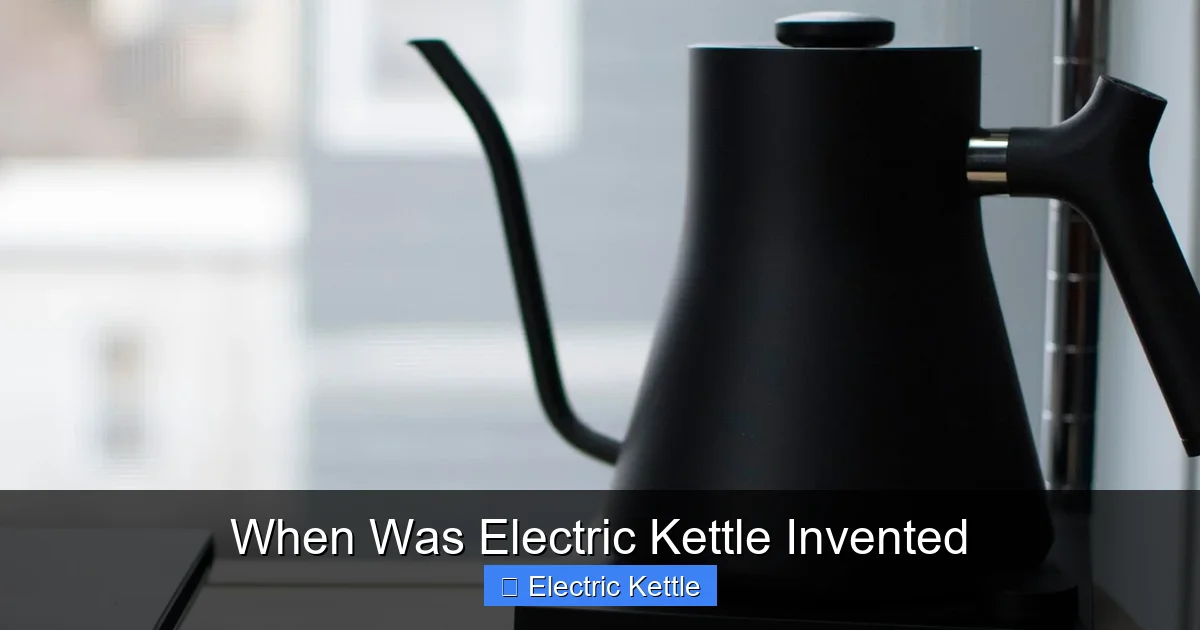
Eco-conscious brands are also using sustainable materials. For example, the Fellow Stagg EKG is made with recyclable aluminum and comes in minimal packaging. Other companies offer kettles with replaceable parts, reducing electronic waste.
Global Adoption and Cultural Differences
The electric kettle is a global appliance, but its popularity varies widely by region. Understanding these differences offers insight into cultural habits and lifestyle preferences.
United Kingdom: The Electric Kettle Capital
No country loves the electric kettle more than the UK. It’s estimated that over 90% of British households own one. Tea is deeply embedded in British culture, and the electric kettle is the heart of the daily “cuppa.”
In fact, the UK has some of the fastest kettle usage rates in the world. On average, Brits boil their kettles 6–7 times a day. During major TV events—like the FIFA World Cup final—national electricity usage spikes as millions boil water at once.
Australia and New Zealand: Strong Followers
Like the UK, Australia and New Zealand have high electric kettle ownership. Tea and instant coffee are popular, and the climate makes hot drinks a year-round habit. Kettles are also used for instant soups, noodles, and baby formula.
Australian models often have larger capacities (up to 1.7 liters) to accommodate family-sized brews.
Asia: A Mix of Tradition and Innovation
In countries like Japan and South Korea, electric kettles are common, but they often serve different purposes. Japanese kettles, or “kyusu,” are designed for precision brewing of green tea. Many have temperature control and gooseneck spouts for pour-over coffee.
In China, electric kettles are widely used, but traditional stovetop kettles are still popular in rural areas. Urban households, however, are rapidly adopting electric models for their speed and convenience.
North America: Slower Adoption
In the U.S. and Canada, electric kettles are less common. Many households still rely on stovetop kettles or microwaves to heat water. This is partly due to cultural habits—Americans drink more coffee than tea—and partly because of electrical standards.
North American outlets provide 120 volts, compared to 220–240 volts in Europe and Asia. This means electric kettles in the U.S. are slower and less powerful. As a result, many Americans don’t see the benefit over stovetop methods.
However, this is changing. With the rise of specialty coffee and tea culture, electric kettles are gaining popularity. Brands like Bonavita and OXO have introduced high-performance models tailored to the North American market.
The Future of Electric Kettles
As technology advances, so does the electric kettle. The future promises even greater convenience, efficiency, and sustainability.
Integration with Smart Homes
We’re likely to see more kettles that sync with smart home systems. Imagine your kettle starting to boil when your morning alarm goes off, or adjusting its temperature based on the weather forecast. These features may seem futuristic, but they’re already in development.
Improved Energy Efficiency
Manufacturers are working on kettles that use even less energy. Some prototypes use induction heating, which heats water directly without a traditional element. This could reduce boiling time and energy use by up to 30%.
Sustainable Materials and Repairability
The push for sustainability will drive innovation in materials and design. Expect more kettles made from recycled metals, biodegradable plastics, and modular components that can be easily replaced.
Health and Safety Enhancements
Future kettles may include water filtration systems to remove impurities, or sensors that detect mineral buildup and alert users when cleaning is needed. Some could even monitor water quality in real time.
Conclusion
The electric kettle has come a long way since its invention in 1891. What began as a slow, clunky device has evolved into a fast, smart, and essential kitchen tool. It’s a testament to human ingenuity and our constant quest for convenience.
From the UK’s tea culture to Japan’s precision brewing, the electric kettle has adapted to fit different lifestyles and needs. It’s more than just an appliance—it’s a daily companion that saves time, energy, and effort.
As we look to the future, the electric kettle will continue to evolve. With smarter features, greener designs, and greater efficiency, it’s poised to remain a staple in kitchens around the world. So the next time you press that button and hear the gentle hum of boiling water, take a moment to appreciate the century-long journey that brought you this simple pleasure.
Frequently Asked Questions
When was the first electric kettle invented?
The first electric kettle was invented in 1891 by the British company Crompton & Co., which filed the earliest known patent for an electric water-boiling device.
How did early electric kettles work?
Early electric kettles used an external heating element to warm a metal container, which then heated the water. They lacked automatic shut-off and took much longer to boil water than modern models.
When did electric kettles become popular?
Electric kettles gained popularity in the 1920s–1950s as home electrification increased and safety features like automatic shut-off were introduced, especially in the UK and Europe.
Why are electric kettles more popular in the UK than in the US?
The UK has a strong tea culture and higher-voltage electrical systems (230V), making electric kettles faster and more efficient. In the US, lower voltage (120V) and a preference for coffee have slowed adoption.
What are the benefits of a modern electric kettle?
Modern electric kettles boil water quickly, offer temperature control, include safety features like auto shut-off, and some even connect to smartphones for remote operation.
Are electric kettles energy-efficient?
Yes, most modern electric kettles are energy-efficient, using only the power needed to heat the water and shutting off automatically to prevent waste.