The Cosori electric kettle is primarily manufactured in China, where the brand partners with certified factories to ensure high-quality production. Despite being made overseas, Cosori maintains strict quality control and design standards, offering durable, stylish, and efficient kettles trusted by users worldwide.
Key Takeaways
- Manufactured in China: Cosori electric kettles are produced in China, where the company collaborates with experienced OEM manufacturers.
- Quality Control Standards: Each kettle undergoes rigorous testing for safety, performance, and durability before reaching consumers.
- Global Supply Chain: Cosori uses a global supply chain to source components and assemble products efficiently.
- Design in the USA: While made in China, Cosori’s product design and innovation are led by a U.S.-based team focused on user experience.
- Certifications and Safety: Cosori kettles meet international safety standards, including UL, ETL, and FCC certifications.
- Eco-Friendly Practices: The brand emphasizes sustainable packaging and energy-efficient designs to reduce environmental impact.
- Customer Trust: Despite overseas manufacturing, Cosori has built a strong reputation for reliability and customer satisfaction.
📑 Table of Contents
Where Is Cosori Electric Kettle Made?
If you’ve ever stood in your kitchen, waiting for your morning tea or coffee to brew, and glanced at your sleek, modern electric kettle, you might have wondered: *Where is this thing actually made?* Specifically, if you own or are considering buying a Cosori electric kettle, you’re not alone in asking where it comes from. In today’s global marketplace, understanding a product’s origin isn’t just about curiosity—it’s about trust, quality, and values.
Cosori, a brand known for its stylish kitchen appliances, has gained a loyal following thanks to its blend of affordability, functionality, and modern design. From air fryers to blenders, Cosori products often feature minimalist aesthetics, intuitive controls, and reliable performance. But when it comes to their electric kettles—one of their most popular offerings—many users want to know the full story behind the manufacturing process.
The short answer? The Cosori electric kettle is primarily manufactured in China. However, that doesn’t mean it’s a low-quality product. In fact, understanding the full picture—how it’s made, who makes it, and what standards are in place—reveals why Cosori has earned a strong reputation in the competitive small appliance market.
Why China? Understanding Cosori’s Manufacturing Base
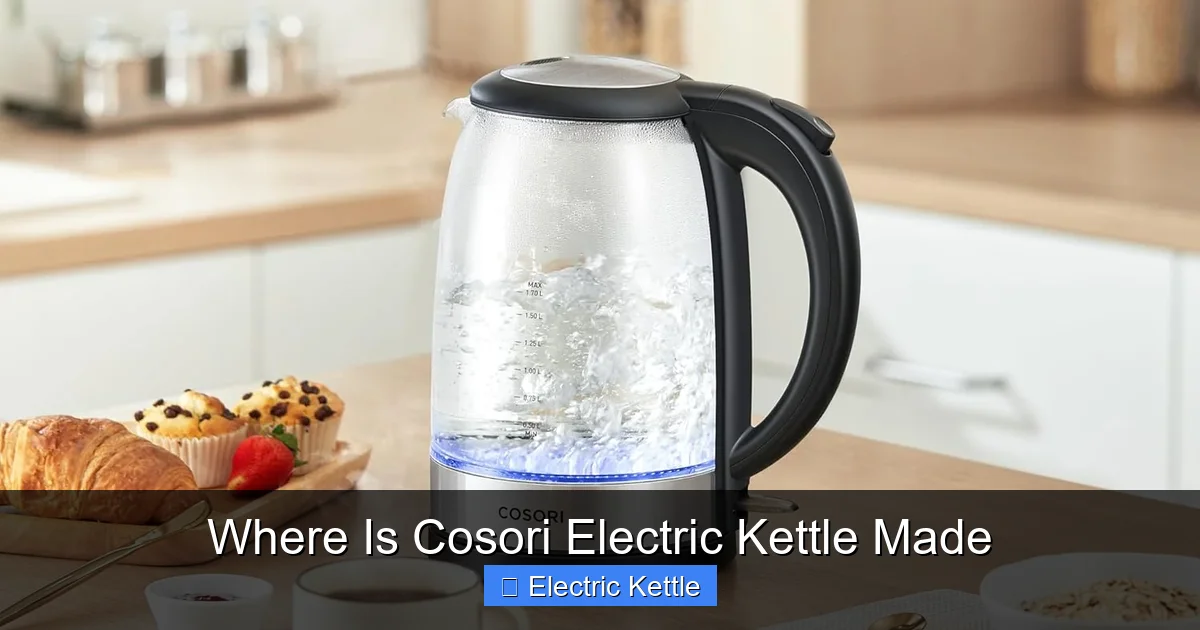
Visual guide about Where Is Cosori Electric Kettle Made
Image source: m.media-amazon.com
It’s no secret that a large portion of the world’s consumer electronics and small appliances are made in China. From smartphones to coffee makers, China’s manufacturing ecosystem offers unmatched scale, expertise, and cost efficiency. Cosori is no exception. The brand sources the production of its electric kettles from factories in China, where it partners with Original Equipment Manufacturers (OEMs) that specialize in kitchen appliances.
But why China? The answer lies in a combination of infrastructure, expertise, and supply chain efficiency. China has spent decades building a robust network of suppliers, factories, and logistics hubs that support high-volume production of complex electronics. This allows brands like Cosori to bring innovative products to market quickly and affordably.
Moreover, many of the components used in electric kettles—such as heating elements, plastic housings, and electronic controls—are best manufactured in regions with established expertise in these materials. Chinese factories often have access to high-grade stainless steel, BPA-free plastics, and precision-engineered heating coils, all of which are essential for a safe and efficient kettle.
OEM Partnerships and Factory Oversight
Cosori doesn’t own its own factories. Instead, it works with third-party manufacturers—commonly referred to as OEMs (Original Equipment Manufacturers). These are companies that produce goods under another brand’s name. While this model is standard in the industry, it raises questions about quality control and ethical production.
To address these concerns, Cosori maintains strict oversight of its manufacturing partners. The company conducts regular factory audits, both announced and unannounced, to ensure compliance with safety, labor, and environmental standards. These audits are often performed by third-party agencies to ensure impartiality.
Additionally, Cosori requires its manufacturers to adhere to international quality certifications. For example, factories must meet ISO 9001 standards for quality management systems, which cover everything from raw material sourcing to final product testing. This helps ensure consistency across production batches and reduces the risk of defects.
The Role of Global Supply Chains
Manufacturing a Cosori electric kettle isn’t a one-stop process. It involves a complex global supply chain that spans multiple countries. While final assembly takes place in China, many components are sourced from other regions.
For instance, the heating element—the core component that boils water—might be manufactured in Germany or Japan, known for their precision engineering. The plastic parts could come from South Korea or Taiwan, where advanced polymer technology is widely used. Even the packaging materials may be sourced from sustainable suppliers in Europe or North America.
This global approach allows Cosori to leverage the best materials and technologies available, while keeping costs manageable. It also reflects the interconnected nature of modern manufacturing, where no single country produces every part of a product.
Design and Innovation: Made in the USA?
One of the most common misconceptions about Cosori is that its products are “made in the USA.” While the company is headquartered in the United States—specifically in Irvine, California—the actual manufacturing of its electric kettles takes place overseas. However, the design, engineering, and innovation behind these products are largely driven by a U.S.-based team.
Cosori’s product development process begins in California, where a team of designers, engineers, and market researchers work together to create appliances that meet American consumer needs. This includes everything from ergonomic handle design to intuitive LED displays and smart temperature controls.
For example, the Cosori Electric Gooseneck Kettle—a favorite among pour-over coffee enthusiasts—features a precision spout designed for controlled pouring. This level of detail comes from user feedback and testing conducted in the U.S., ensuring the final product performs well in real-world kitchen environments.
User-Centered Design Philosophy
Cosori’s design philosophy centers on simplicity, functionality, and aesthetics. The brand aims to create appliances that not only work well but also look good on your countertop. This is evident in the clean lines, matte finishes, and minimalist controls found on their kettles.
The U.S. design team conducts extensive research, including focus groups and usability testing, to refine each product. They also monitor customer reviews and feedback to identify areas for improvement. For instance, after receiving feedback about the difficulty of cleaning narrow spouts, Cosori redesigned later models with wider openings and removable filters.
This iterative design process ensures that Cosori kettles are not only made to last but also made to be used—easily and enjoyably—by real people.
Collaboration Between Design and Manufacturing
Once a design is finalized in the U.S., it’s handed off to the manufacturing team in China. Close collaboration between the two teams is essential to ensure that the final product matches the original vision.
This includes detailed technical drawings, material specifications, and quality benchmarks. The U.S. team may even send prototypes to the factory for testing and refinement. This back-and-forth process helps prevent costly mistakes and ensures that the end product meets both design and performance standards.
In some cases, Cosori’s engineers travel to China to oversee production runs, especially for new product launches. This hands-on approach helps maintain consistency and allows for real-time problem-solving.
Quality Control and Safety Standards
One of the biggest concerns consumers have about products made in China is quality control. After all, not all factories are created equal. However, Cosori takes quality assurance seriously, implementing a multi-layered approach to ensure every kettle that leaves the factory is safe, reliable, and durable.
Pre-Production Testing
Before mass production begins, Cosori conducts extensive pre-production testing. This includes evaluating raw materials, testing component compatibility, and running simulations to predict performance under various conditions.
For example, the heating element is tested for efficiency, durability, and safety. It must heat water quickly without overheating or causing electrical faults. The plastic components are tested for heat resistance and chemical stability to ensure they won’t leach harmful substances into the water.
In-Process Inspections
During production, quality control inspectors monitor the assembly line at key checkpoints. They check for proper alignment of parts, correct wiring, and secure seals. Any unit that fails inspection is removed from the line and either repaired or discarded.
These inspections are often supported by automated systems, such as vision inspection cameras and electrical testers, which can detect defects that might be missed by the human eye.
Final Product Testing
Before shipping, every Cosori electric kettle undergoes a final round of testing. This includes:
– Leak testing: Ensuring the kettle doesn’t leak when filled to capacity.
– Electrical safety testing: Verifying that the kettle meets insulation and grounding standards.
– Performance testing: Measuring heating speed, temperature accuracy, and auto-shutoff functionality.
– Durability testing: Simulating thousands of uses to assess long-term reliability.
Only kettles that pass all tests are approved for packaging and shipment.
Certifications and Compliance
Cosori electric kettles are certified to meet international safety and performance standards. These include:
– UL (Underwriters Laboratories): A U.S.-based safety certification that ensures electrical products are safe for consumer use.
– ETL (Intertek): Another North American safety certification, similar to UL.
– FCC (Federal Communications Commission): Ensures that electronic devices don’t emit harmful interference.
– CE (Conformité Européenne): Indicates compliance with European health, safety, and environmental standards.
These certifications are not just for show—they’re required for legal sale in many countries. They also provide consumers with peace of mind, knowing that the product has been independently tested and approved.
Environmental and Ethical Considerations
In today’s world, where sustainability and ethical production are increasingly important, consumers want to know more than just where a product is made—they want to know *how* it’s made. Cosori has taken steps to address these concerns, particularly in the areas of environmental impact and labor practices.
Sustainable Packaging
Cosori has made a commitment to reducing its environmental footprint, starting with packaging. The brand uses minimal, recyclable materials for its electric kettles. Instead of plastic wrap, they use molded pulp trays and cardboard inserts. The outer boxes are made from recycled paper and printed with soy-based inks.
This not only reduces waste but also makes recycling easier for consumers. Cosori also encourages customers to reuse or recycle packaging materials, often including tips on how to do so in the product manual.
Energy Efficiency
Cosori electric kettles are designed to be energy-efficient. They use powerful heating elements that boil water quickly, reducing energy consumption compared to stovetop kettles or microwaves. Many models also feature automatic shut-off and boil-dry protection, which prevent unnecessary energy use and enhance safety.
Some kettles, like the Cosori Electric Glass Kettle, include variable temperature settings, allowing users to heat water to the ideal temperature for different beverages—saving energy by avoiding overheating.
Labor and Factory Conditions
Cosori states that it only works with manufacturers that comply with local labor laws and international ethical standards. This includes fair wages, reasonable working hours, and safe working conditions.
The company conducts regular social compliance audits, often through third-party organizations like Sedex or SMETA. These audits assess factors such as worker safety, child labor prevention, and freedom of association.
While no system is perfect, Cosori’s commitment to ethical sourcing is evident in its transparency and ongoing efforts to improve supply chain practices.
Customer Trust and Brand Reputation
Despite being made in China, Cosori has built a strong reputation for quality and reliability. This is reflected in its high customer satisfaction ratings, positive reviews, and growing market presence.
Customer Reviews and Feedback
On platforms like Amazon, Cosori electric kettles consistently receive 4.5- to 5-star ratings. Customers praise their fast heating, quiet operation, and stylish design. Many also appreciate the brand’s responsive customer service and hassle-free return policy.
Common compliments include:
– “Heats water in under 5 minutes.”
– “The gooseneck spout is perfect for pour-over coffee.”
– “Looks great on my countertop and works flawlessly.”
Of course, no product is perfect. Some users have reported issues with the plastic smell during the first few uses or minor leaks over time. However, Cosori’s customer service team is known for quickly addressing these concerns, often offering replacements or refunds.
Warranty and Support
Cosori offers a 1- to 2-year warranty on its electric kettles, depending on the model. This covers defects in materials and workmanship. The company also provides online support, including user manuals, troubleshooting guides, and video tutorials.
For customers who need help, Cosori’s support team is accessible via email, phone, and live chat. Many users report fast response times and helpful solutions.
Brand Transparency
Cosori is relatively transparent about its manufacturing process. While the company doesn’t publish the names of its factories, it does provide information about its quality control, certifications, and design philosophy on its website and product packaging.
This level of openness helps build trust with consumers who care about where and how their products are made.
The Future of Cosori Manufacturing
As consumer expectations evolve, so too will Cosori’s approach to manufacturing. The brand is likely to continue refining its supply chain, investing in sustainable practices, and exploring new technologies.
One area of potential growth is smart appliances. Cosori already offers Wi-Fi-enabled air fryers, and it’s possible that future electric kettles could include app connectivity, voice control, or integration with smart home systems.
Additionally, as global supply chains face disruptions—from pandemics to trade tensions—Cosori may consider diversifying its manufacturing locations. While China remains the primary hub, the company could explore partnerships in Southeast Asia or Eastern Europe to reduce risk and improve resilience.
Conclusion
So, where is the Cosori electric kettle made? The answer is China—but that’s only part of the story. While the physical manufacturing takes place overseas, the design, innovation, and quality control are driven by a U.S.-based team committed to delivering high-performance, safe, and stylish appliances.
Cosori’s use of certified factories, rigorous testing, and ethical sourcing practices ensures that its kettles meet international standards and consumer expectations. Add in sustainable packaging, energy efficiency, and strong customer support, and it’s easy to see why the brand has become a favorite among home cooks and coffee lovers alike.
Ultimately, the origin of a product matters—but so does how it’s made, who makes it, and what values guide the process. In the case of the Cosori electric kettle, the combination of global manufacturing expertise and American design excellence results in a product that’s not just made to boil water, but made to enhance your daily routine.
Frequently Asked Questions
Where is the Cosori electric kettle manufactured?
The Cosori electric kettle is primarily manufactured in China, where the brand partners with certified OEM factories to ensure high-quality production.
Is Cosori a Chinese company?
No, Cosori is a U.S.-based company headquartered in Irvine, California. While its products are made in China, the design and innovation are led by a team in the United States.
Are Cosori kettles safe to use?
Yes, Cosori electric kettles meet international safety standards, including UL, ETL, and FCC certifications, and undergo rigorous testing before sale.
Does Cosori test its kettles for quality?
Absolutely. Cosori conducts pre-production, in-process, and final product testing, including leak, electrical, and performance checks, to ensure reliability.
Are Cosori kettles environmentally friendly?
Cosori uses recyclable packaging, energy-efficient designs, and sustainable materials to reduce its environmental impact.
Can I trust a kettle made in China?
Yes, especially when it’s from a reputable brand like Cosori that enforces strict quality control, ethical sourcing, and safety certifications.