Recycling your old electric kettle isn’t just good for the planet—it’s often easier than you think. From local e-waste centers to retailer take-back programs, there are multiple convenient ways to ensure your appliance is responsibly recycled instead of ending up in a landfill.
So, your trusty electric kettle has finally given up the ghost. Maybe it’s making strange noises, won’t heat water anymore, or simply looks like it’s seen better days. You’re ready to replace it—but now you’re staring at the old one and wondering: What do I do with this thing? Tossing it in the trash feels wrong, but you’re not sure where to recycle electric kettle safely and responsibly.
You’re not alone. Millions of small kitchen appliances end up in landfills each year, even though many of their components—like stainless steel, copper wiring, and plastic—can be recovered and reused. The good news? Recycling an electric kettle is easier than you might think. With a little know-how, you can keep your old appliance out of the dump and give its materials a second life. Whether you live in a bustling city or a quiet suburb, there are practical, eco-friendly options near you.
Key Takeaways
- Check local e-waste recycling centers: Most cities offer free or low-cost drop-off locations for small electronics like electric kettles.
- Use retailer take-back programs: Stores like Best Buy, Staples, and IKEA often accept small appliances for recycling, even if you didn’t buy them there.
- Manufacturer recycling initiatives: Brands such as Breville, Cuisinart, and Hamilton Beach may offer mail-in or in-store recycling options.
- Donate if it still works: Functional kettles can be donated to shelters, community centers, or thrift stores instead of being recycled.
- Remove personal data (if applicable): While kettles don’t store data, always unplug and clean before recycling to ensure safety.
- Avoid curbside trash pickup: Electric kettles contain metals and electronics that shouldn’t go into regular waste streams.
- Look for certified recyclers: Choose facilities certified by R2 or e-Stewards to ensure environmentally responsible handling.
📑 Table of Contents
- Why Recycling Your Electric Kettle Matters
- Where to Recycle Electric Kettle: Local Options
- Retailer and Manufacturer Take-Back Programs
- Donation and Reuse: An Alternative to Recycling
- How to Prepare Your Electric Kettle for Recycling
- Choosing a Certified Recycler
- Final Thoughts: Small Actions, Big Impact
Why Recycling Your Electric Kettle Matters
Before we dive into where to recycle your electric kettle, let’s talk about why it’s so important. Electric kettles may seem harmless, but they’re actually a mix of materials that can be both valuable and harmful if not handled correctly.
The Environmental Impact of Improper Disposal
When electric kettles end up in landfills, they contribute to electronic waste—commonly known as e-waste. E-waste is one of the fastest-growing waste streams in the world, and small appliances like kettles make up a surprising portion of it. These devices often contain metals like copper, aluminum, and steel, which are energy-intensive to mine and refine. By recycling, you help conserve natural resources and reduce the demand for new raw materials.
Even more concerning is the potential for toxic substances. While modern electric kettles are generally free of hazardous materials like lead or mercury, older models might contain trace amounts of harmful compounds in their heating elements or insulation. When these break down in landfills, they can leach into soil and groundwater, posing risks to ecosystems and human health.
Energy and Resource Savings
Recycling just one electric kettle can save enough energy to power a laptop for several hours. That’s because recovering metals from existing products uses far less energy than extracting and processing virgin materials. For example, recycling aluminum saves up to 95% of the energy required to produce new aluminum from bauxite ore.
Additionally, the plastic components in kettles can often be shredded and reused in new products, reducing the need for petroleum-based plastics. Every kettle recycled is a small step toward a more circular economy—one where materials are kept in use for as long as possible.
The Bigger Picture: E-Waste Awareness
By choosing to recycle your electric kettle, you’re also helping to raise awareness about e-waste. Many people don’t realize that small appliances are recyclable, or they assume it’s too much hassle. When you take the extra step to recycle, you set an example for friends, family, and neighbors. Over time, these small actions add up to significant environmental benefits.
Where to Recycle Electric Kettle: Local Options
Now that you understand the importance of recycling, let’s explore the most accessible options in your community. Depending on where you live, you’ll likely have several convenient ways to recycle your electric kettle.
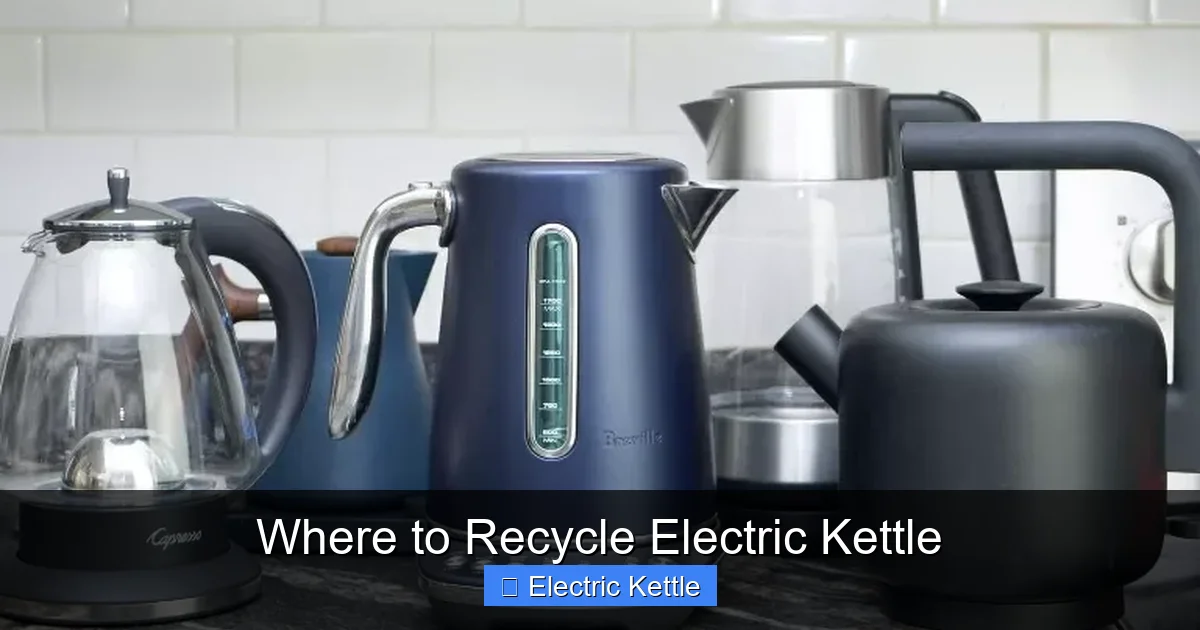
Visual guide about Where to Recycle Electric Kettle
Image source: irrorwxhiqijjr5q.ldycdn.com
Municipal E-Waste Recycling Centers
Most cities and towns operate dedicated e-waste recycling facilities or host periodic collection events. These centers are designed to handle everything from smartphones to small kitchen appliances—including electric kettles. They often accept items for free or for a small fee, and many provide drop-off hours that fit into your weekly routine.
To find a location near you, start by visiting your city or county’s official website. Look for sections labeled “Waste Management,” “Recycling,” or “Environmental Services.” Many sites include searchable databases where you can enter your ZIP code and see a list of nearby drop-off points. For example, residents of Los Angeles can use the LA Sanitation & Environment portal to locate e-waste centers, while New Yorkers can check the NYC Department of Sanitation website.
Some centers even offer curbside pickup for e-waste, though this service may require scheduling in advance. Be sure to call ahead or check online to confirm that electric kettles are accepted—some facilities only take larger electronics like TVs or computers.
Household Hazardous Waste (HHW) Facilities
In some areas, electric kettles may be accepted at Household Hazardous Waste (HHW) facilities. These centers are designed to safely handle items that contain potentially dangerous materials, but many also accept small electronics. While kettles aren’t typically classified as hazardous, HHW sites often serve as a catch-all for hard-to-recycle items.
HHW facilities usually operate on specific days of the week or month, so it’s important to check their schedule. For instance, King County in Washington State hosts HHW collection events twice a month, while Cook County in Illinois offers year-round drop-off at designated sites. Always call ahead to confirm that your kettle will be accepted.
Community Recycling Events
Many communities host seasonal or annual recycling events where residents can bring in old electronics, batteries, and appliances. These events are often organized by local governments, schools, or environmental groups and may be advertised in newspapers, on community bulletin boards, or through social media.
For example, the city of Austin, Texas, holds a “Recycle Day” every spring and fall, accepting everything from printers to toasters. Similarly, the nonprofit group Earth911 partners with cities across the U.S. to promote local recycling events. These events are a great opportunity to recycle multiple items at once and often include educational booths about sustainable living.
Retailer and Manufacturer Take-Back Programs
If you prefer a more convenient option, consider using a retailer or manufacturer take-back program. Many stores and brands now offer recycling services for small electronics, making it easy to drop off your old kettle while shopping for a new one.
Major Retailers with E-Waste Programs
Stores like Best Buy, Staples, and IKEA have long been leaders in e-waste recycling. Best Buy, for instance, accepts a wide range of electronics—including small kitchen appliances—for free, regardless of where they were purchased. You can drop off your electric kettle at any Best Buy location, and they’ll ensure it’s recycled responsibly.
Staples offers a similar program, accepting small electronics and appliances at their stores. While their focus is primarily on office equipment, many locations will take items like kettles, especially if they’re brought in during regular business hours. IKEA also participates in recycling initiatives, particularly in Europe and parts of the U.S., where they encourage customers to return old appliances when buying new ones.
These retailer programs are especially convenient because they’re often located in shopping centers or malls, making them easy to access during routine errands. Plus, you can often recycle multiple items at once—perfect if you’ve been meaning to get rid of that old phone charger or broken blender.
Manufacturer Recycling Initiatives
Some electric kettle brands offer their own recycling programs, either through mail-in services or in-store drop-offs. For example, Breville has a partnership with TerraCycle, a company that specializes in hard-to-recycle items. Through this program, you can mail your old Breville kettle to TerraCycle using a prepaid shipping label, available on their website.
Cuisinart and Hamilton Beach also provide recycling information on their websites, directing customers to local e-waste centers or offering guidance on proper disposal. While not all brands have formal programs, many are happy to provide advice if you contact their customer service team.
When using a manufacturer program, be sure to check the terms and conditions. Some may only accept products made by that brand, while others might charge a small processing fee. Still, these programs are a great way to ensure your kettle is handled by experts who understand its components.
Donation and Reuse: An Alternative to Recycling
Before you recycle your electric kettle, consider whether it could still be useful to someone else. If your kettle is in working condition—or even if it just needs a minor repair—donating it might be the best option.
Donating Functional Kettles
Many organizations accept working appliances for donation. Homeless shelters, women’s shelters, and community centers often need small kitchen items to help people get back on their feet. Thrift stores like Goodwill, The Salvation Army, and local charity shops may also accept electric kettles, especially if they’re clean and in good condition.
When donating, make sure the kettle is unplugged, cleaned, and free of any personal stickers or markings. Include the original cord and any accessories, and if possible, provide a note explaining how it works. Some organizations even offer pickup services for larger donations.
Repair and Upcycling Ideas
If your kettle is broken but you’re feeling creative, consider repurposing it instead of recycling. An old electric kettle can be transformed into a unique planter, a quirky lamp, or even a decorative piece for your garden. With a little DIY know-how, you can give it a second life without sending it to a recycling facility.
For example, remove the heating element and electrical components (safely, of course), then paint the exterior and add soil and plants. Or, install a small LED light inside to create a whimsical nightlight. These projects not only reduce waste but also add a personal touch to your home.
How to Prepare Your Electric Kettle for Recycling
Once you’ve decided where to recycle your electric kettle, it’s important to prepare it properly. Taking a few simple steps can make the recycling process smoother and safer for everyone involved.
Unplug and Clean Thoroughly
Before recycling, always unplug the kettle and let it cool completely. Then, wash it inside and out with warm, soapy water to remove any mineral buildup or residue. Dry it thoroughly to prevent mold or rust during storage or transport.
Remove Non-Recyclable Parts (If Possible)
Some components of your kettle may not be recyclable, such as certain types of plastic or rubber seals. If you’re comfortable doing so, disassemble the kettle to separate these parts. Use a screwdriver to remove the base plate and inspect the interior. Place non-recyclable items in your regular trash, and recycle the rest.
Be cautious when handling electrical components. If you’re unsure how to safely disassemble your kettle, it’s best to leave it intact and let the recycling facility handle it.
Pack Securely for Transport
If you’re mailing your kettle or dropping it off at a center, pack it securely to prevent damage. Use a sturdy box and cushioning materials like bubble wrap or newspaper. Label the box clearly with “E-Waste” or “For Recycling” to avoid confusion.
Choosing a Certified Recycler
Not all recycling facilities are created equal. To ensure your electric kettle is handled responsibly, look for centers certified by recognized organizations like R2 (Responsible Recycling) or e-Stewards. These certifications guarantee that recyclers follow strict environmental and safety standards.
Certified recyclers are required to track materials, prevent illegal exports, and protect worker health. They also prioritize reuse and proper material recovery over incineration or landfilling. You can search for certified facilities on the R2 or e-Stewards websites using your location.
Final Thoughts: Small Actions, Big Impact
Recycling your electric kettle might seem like a small act, but it’s part of a much larger movement toward sustainability. Every appliance you recycle helps conserve resources, reduce pollution, and support a healthier planet. And with so many convenient options available, there’s no reason to let your old kettle end up in a landfill.
Whether you drop it off at a local center, use a retailer program, or donate it to someone in need, you’re making a positive choice. So the next time your kettle bites the dust, remember: recycling isn’t just possible—it’s easy, responsible, and rewarding.
Frequently Asked Questions
Can I recycle my electric kettle in my regular trash?
No, electric kettles should not be thrown in regular trash. They contain metals and electronic components that can be recycled and may harm the environment if landfilled.
Do I need to clean my kettle before recycling?
Yes, it’s a good idea to clean your kettle thoroughly before recycling. Remove any mineral buildup or residue to ensure it’s safe to handle and process.
Can I recycle a kettle that no longer works?
Absolutely. Even broken kettles can be recycled. The metals and plastics inside can often be recovered and reused, even if the appliance is no longer functional.
Are there fees for recycling an electric kettle?
Most e-waste centers and retailer programs accept small appliances like kettles for free. However, some facilities may charge a small fee, so it’s best to check ahead.
What if my local recycling center doesn’t accept kettles?
If your local center doesn’t accept kettles, try a nearby retailer like Best Buy or Staples, or look for a certified e-waste recycler online using directories like Earth911.
Can I mail my electric kettle for recycling?
Yes, some manufacturer programs, like Breville’s partnership with TerraCycle, offer mail-in recycling options. Check the brand’s website for details and shipping instructions.