Choosing the best electric kettle depends on your needs—whether it’s speed, capacity, material, or smart features. This guide breaks down the top options across categories like stainless steel, glass, and gooseneck designs to help you make the perfect pour.
Key Takeaways
- Material matters: Stainless steel kettles are durable and retain heat well, while glass models let you watch the boil but may be more fragile.
- Speed and wattage: Higher wattage (1500W–3000W) means faster boiling—ideal for busy mornings or large households.
- Temperature control: Variable temperature settings are essential for tea lovers who need precise heat for green, white, or oolong teas.
- Capacity and size: Choose between 1-liter compact models for small spaces or 1.7-liter kettles for families or frequent entertaining.
- Safety features: Auto shut-off, boil-dry protection, and cool-touch handles prevent accidents and extend the kettle’s lifespan.
- Gooseneck vs. standard spout: Gooseneck kettles offer precision pouring for pour-over coffee, while standard spouts are better for everyday use.
- Budget vs. premium: You can find reliable kettles under $50, but investing $80–$150 often gets you better build quality and advanced features.
📑 Table of Contents
- Which Electric Kettle Is Best? A Complete Buyer’s Guide
- Why an Electric Kettle Beats Stovetop Every Time
- Top Electric Kettle Materials: Stainless Steel, Glass, and More
- Key Features to Look for in the Best Electric Kettle
- Top Electric Kettle Picks for Every Need
- How to Choose the Right Electric Kettle for Your Lifestyle
- Maintenance Tips to Keep Your Kettle Running Like New
- Final Thoughts: Which Electric Kettle Is Best for You?
Which Electric Kettle Is Best? A Complete Buyer’s Guide
Let’s be honest—making a great cup of tea or coffee starts long before you add the leaves or grounds. It begins with the water. And not just any water—water that’s heated to the right temperature, poured with control, and delivered quickly and safely. That’s where the electric kettle comes in. But with so many options on the market, how do you know which electric kettle is best for your kitchen?
Whether you’re a tea enthusiast, a coffee connoisseur, or just someone who wants hot water fast, the right electric kettle can make a surprising difference in your daily routine. From sleek stainless steel designs to high-tech models with digital displays, today’s kettles offer more than just boiling water—they offer precision, convenience, and style. In this guide, we’ll walk you through everything you need to know to find the perfect electric kettle for your lifestyle, budget, and kitchen setup.
Why an Electric Kettle Beats Stovetop Every Time
If you’ve ever waited impatiently for a stovetop kettle to whistle while your morning coffee craving grows stronger, you’re not alone. Electric kettles have become a kitchen staple for good reason—they’re faster, safer, and more energy-efficient than traditional methods. But the benefits go beyond speed.
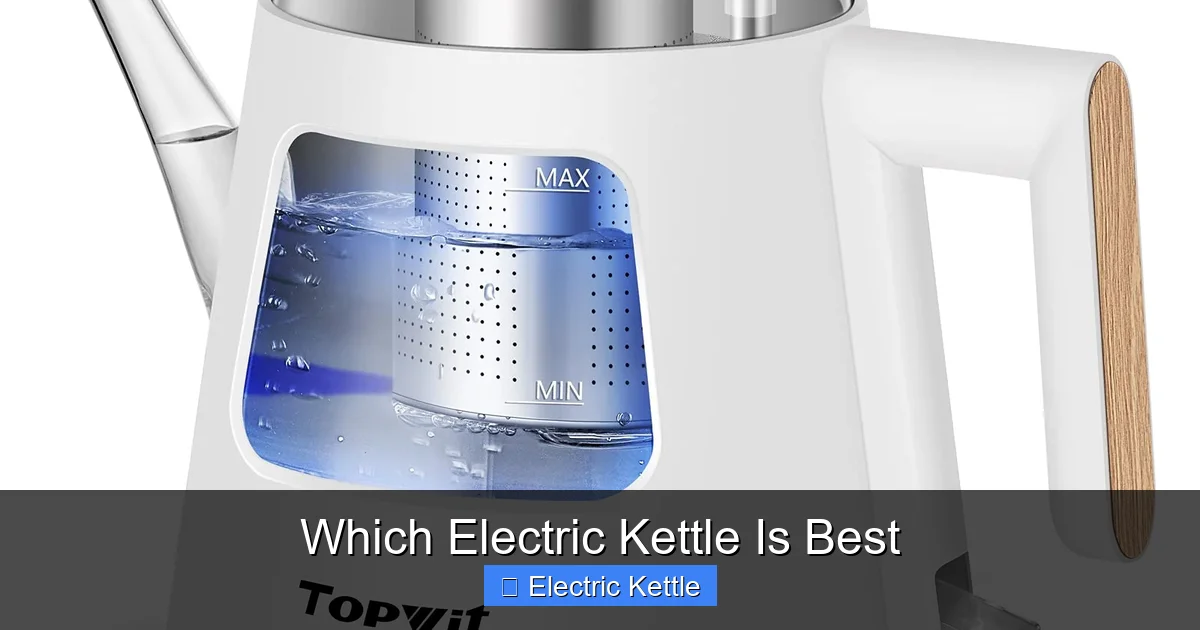
Visual guide about Which Electric Kettle Is Best
Image source: m.media-amazon.com
Faster Boiling Times
Most electric kettles can boil a full liter of water in under 4 minutes, thanks to high wattage heating elements (typically between 1500W and 3000W). Compare that to a stovetop kettle, which can take 6–8 minutes or more, depending on your stove type. That’s a huge time saver, especially during busy mornings.
Energy Efficiency
Electric kettles heat water more efficiently than gas or electric stovetops because the energy goes directly into the water, not the surrounding air or pot. Studies show that electric kettles use up to 50% less energy than stovetop methods, making them both eco-friendly and cost-effective over time.
Temperature Precision
Unlike stovetop kettles that only offer “boiling,” many electric models now include variable temperature settings. This is a game-changer for tea drinkers. Green tea, for example, should be brewed at around 175°F (80°C), while black tea needs near-boiling water at 212°F (100°C). With an electric kettle, you can dial in the exact temperature for the perfect steep.
Safety and Convenience
Modern electric kettles come with built-in safety features like auto shut-off when the water reaches boiling point, boil-dry protection (which turns off the kettle if there’s no water inside), and cool-touch exteriors. Many also have cordless designs with 360-degree swivel bases, making them easy to lift and pour without tangling cords.
Top Electric Kettle Materials: Stainless Steel, Glass, and More
One of the first decisions you’ll make when choosing an electric kettle is the material. Each has its pros and cons, and the best choice depends on your priorities—durability, aesthetics, taste, and maintenance.
Stainless Steel Kettles
Stainless steel is the most popular material for electric kettles, and for good reason. It’s durable, resistant to rust and corrosion, and doesn’t retain odors or flavors from previous uses. High-quality stainless steel kettles often feature double-wall insulation, which keeps water hot longer and prevents the exterior from getting too hot to touch.
Brands like Breville, Cuisinart, and Hamilton Beach offer excellent stainless steel models. The Breville BKE820XL Smart Kettle, for example, combines a sleek brushed steel exterior with precise temperature control and a keep-warm function that maintains water temperature for up to 20 minutes.
One downside? Stainless steel kettles don’t let you see the water boiling, which some users miss. Also, lower-quality models may have plastic components that can affect taste or degrade over time. Always look for food-grade, BPA-free materials.
Glass Kettles
If you love watching water come to a boil—or just want a modern, minimalist look—a glass electric kettle might be your best bet. Glass is non-reactive, so it won’t alter the taste of your water, and it’s easy to clean. Many glass kettles feature LED lighting that glows when heating, adding a touch of elegance to your countertop.
The OXO Brew Glass Electric Kettle is a standout in this category. It has a 1.7-liter capacity, variable temperature settings, and a gooseneck spout for precise pouring. The borosilicate glass is heat-resistant and shatterproof, so it can handle rapid temperature changes without cracking.
However, glass kettles are more fragile than metal ones and can be prone to scratches or cloudiness over time. They also tend to be heavier and may require more careful handling.
Plastic and Silicone Kettles
Plastic kettles are usually the most affordable option, but they come with trade-offs. Lower-quality plastics can leach chemicals into the water, especially when heated repeatedly. Even BPA-free plastics may retain odors or discolor over time.
That said, some newer models use high-grade, heat-resistant plastics that are safe and durable. The Hamilton Beach 40880 Electric Kettle is a budget-friendly plastic option with a 1.7-liter capacity and auto shut-off. It’s great for basic boiling needs but lacks advanced features like temperature control.
Silicone kettles are rare but gaining popularity for their flexibility and portability. They’re ideal for camping or travel, but not typically recommended for daily home use due to limited capacity and slower heating.
Ceramic Kettles
Ceramic kettles offer a unique aesthetic—often hand-painted or glazed—and are non-reactive, so they won’t affect water taste. They’re also naturally insulating, helping to keep water warm longer.
However, ceramic is heavy and can chip or crack if dropped. They’re also less common and often more expensive. The Le Creuset Enamel-on-Steel Kettle is a premium example, combining a ceramic-like enamel finish with a stainless steel interior for durability and style.
Key Features to Look for in the Best Electric Kettle
Beyond material, several features can elevate an electric kettle from “good” to “great.” Here’s what to prioritize based on your needs.
Variable Temperature Control
If you’re serious about tea or pour-over coffee, variable temperature control is a must. Instead of just boiling water, these kettles let you select specific temperatures—often in 5° or 10° increments—for different beverages.
For example, white tea brews best at 160–185°F, while French press coffee needs water just off the boil (around 200°F). The Bonavita 1.0L Variable Temperature Gooseneck Kettle offers six preset temperatures and a hold function that maintains the selected temp for up to 60 minutes.
Gooseneck Spout for Precision Pouring
Gooseneck kettles have a long, narrow spout designed for slow, controlled pouring—perfect for pour-over coffee methods like Chemex or V60. The narrow opening allows you to direct the water stream precisely over the coffee grounds, ensuring even saturation and better extraction.
While gooseneck kettles are essential for coffee lovers, they’re less practical for everyday tasks like filling a teapot or a large mug. If you mostly drink tea or instant coffee, a standard spout may be more convenient.
Capacity and Size
Electric kettles typically range from 0.8 liters to 1.7 liters. A 1-liter kettle is ideal for individuals or small households, while a 1.7-liter model suits families or frequent entertainers.
Keep in mind that larger kettles take up more counter space and may take longer to boil if you only need a cup of water. Some models, like the Cuisinart CPK-17 PerfecTemp, offer a “quick boil” mode that heats smaller amounts faster.
Keep-Warm Function
This feature maintains the water at your selected temperature for a set time (usually 10–60 minutes). It’s incredibly convenient if you’re brewing multiple cups or preparing a full pot of tea. The Breville Smart Kettle includes a 20-minute keep-warm cycle, so your water stays ready without reboiling.
Ease of Cleaning
Mineral buildup from hard water can affect taste and performance over time. Look for kettles with wide openings, removable lids, and smooth interiors that are easy to wipe down. Some models include descaling alerts or come with cleaning tablets.
Glass and stainless steel kettles are generally easier to clean than plastic ones, which can stain or retain odors. Avoid kettles with hard-to-reach heating elements or narrow spouts that trap residue.
Noise Level
While most electric kettles make some noise when boiling, some are quieter than others. If you’re sensitive to sound—especially in the morning—look for models with insulated walls or low-decibel heating elements. The KitchenAid KEK1222OB is known for its quiet operation, making it a favorite among light sleepers.
Top Electric Kettle Picks for Every Need
Now that you know what to look for, here are our top recommendations across different categories.
Best Overall: Breville BKE820XL Smart Kettle
This stainless steel kettle combines style, speed, and smart features. It has six preset temperature settings, a 20-minute keep-warm function, and a fast-boil element that heats 1.7 liters in under 5 minutes. The LCD display shows real-time temperature, and the kettle beeps when it reaches the desired setting. It’s a bit pricey at around $130, but worth it for serious tea and coffee drinkers.
Best for Pour-Over Coffee: Bonavita 1.0L Gooseneck Kettle
With its precise gooseneck spout and variable temperature control, this kettle is a favorite among baristas and home brewers. It heats water quickly and holds the temperature for up to an hour. The simple dial interface is easy to use, and the compact design fits well on small counters. At around $80, it’s a solid investment for coffee lovers.
Best Budget Option: Hamilton Beach 40880
If you need a reliable kettle without breaking the bank, this 1.7-liter plastic model is a great choice. It boils water fast, has auto shut-off, and costs under $30. While it lacks temperature control, it’s perfect for basic boiling needs like instant coffee, oatmeal, or tea bags.
Best Glass Kettle: OXO Brew Glass Electric Kettle
This sleek glass kettle offers the best of both worlds—modern design and advanced features. It has variable temperature settings, a gooseneck spout, and a keep-warm function. The LED light adds a nice touch, and the borosilicate glass is durable and easy to clean. Priced around $100, it’s a stylish upgrade for any kitchen.
Best for Tea Lovers: Cuisinart CPK-17 PerfecTemp
With six precise temperature settings and a 30-minute keep-warm function, this stainless steel kettle is ideal for tea enthusiasts. It has a large 1.7-liter capacity, a blue LED indicator, and a removable scale filter. At around $90, it’s a great mid-range option with premium features.
Best Compact Kettle: Mueller Ultra Kettle
If counter space is limited, this 1-liter stainless steel kettle is a smart pick. It boils water in under 4 minutes, has auto shut-off, and a cool-touch handle. The compact design fits easily in small kitchens or dorm rooms. At under $50, it’s affordable and efficient.
How to Choose the Right Electric Kettle for Your Lifestyle
With so many options, narrowing down your choice can feel overwhelming. Here’s a quick decision guide based on common use cases.
For the Busy Professional
You need speed and reliability. Look for a high-wattage kettle (1800W or more) with auto shut-off and a large capacity. The Breville Smart Kettle or Hamilton Beach 40880 are excellent choices.
For the Tea Connoisseur
Precision is key. Choose a kettle with variable temperature control and a keep-warm function. The Cuisinart PerfecTemp or Bonavita Gooseneck are top picks.
For the Coffee Enthusiast
A gooseneck spout and temperature control are essential. The Bonavita 1.0L is the gold standard for pour-over brewing.
For Small Spaces
Opt for a compact 1-liter model with a cordless design. The Mueller Ultra Kettle or OXO Brew (if you prefer glass) are great space-saving options.
For Families
Go for a 1.7-liter kettle with fast boiling and safety features. The Breville Smart Kettle or Cuisinart PerfecTemp handle high demand with ease.
Maintenance Tips to Keep Your Kettle Running Like New
Even the best electric kettle needs a little TLC to perform at its best. Here’s how to keep yours in top condition.
Descale Regularly
Hard water leaves mineral deposits that can affect taste and heating efficiency. Descale your kettle every 1–2 months using a mixture of equal parts water and white vinegar. Let it sit for an hour, then rinse thoroughly.
Clean the Exterior
Wipe down the outside with a damp cloth and mild detergent. Avoid abrasive cleaners that can scratch stainless steel or glass.
Check the Filter
Many kettles have a mesh filter at the spout to catch sediment. Remove and rinse it regularly to prevent clogs.
Avoid Overfilling
Never fill your kettle beyond the maximum line. Overfilling can cause water to spill into the base, damaging the electrical components.
Store Properly
If you’re not using your kettle for a while, empty it completely and store it in a dry place. This prevents mold and mineral buildup.
Final Thoughts: Which Electric Kettle Is Best for You?
So, which electric kettle is best? The answer depends on what you value most—speed, precision, durability, or style. If you’re a tea or coffee lover, investing in a model with variable temperature control and a gooseneck spout will elevate your brewing experience. For everyday use, a reliable stainless steel kettle with auto shut-off and a large capacity will serve you well.
Remember, the best kettle isn’t necessarily the most expensive one—it’s the one that fits your routine, kitchen, and preferences. Whether you choose a sleek glass design, a rugged stainless steel workhorse, or a budget-friendly plastic model, the right electric kettle can make your mornings smoother, your tea tastier, and your coffee richer.
Take the time to consider your needs, read reviews, and compare features. With the right choice, you’ll wonder how you ever lived without it.
Frequently Asked Questions
What is the best material for an electric kettle?
Stainless steel is generally the best material due to its durability, heat retention, and resistance to rust. Glass is great for visibility and taste purity, while plastic is affordable but less durable over time.
Do electric kettles use a lot of electricity?
No, electric kettles are energy-efficient. They use about 2–3 cents per boil, which is less than stovetop methods. High-wattage models heat water faster, reducing overall energy use.
Can I boil milk or soup in an electric kettle?
No, most electric kettles are designed only for water. Boiling milk or soup can damage the heating element, cause spills, and void the warranty. Always check the manufacturer’s guidelines.
How often should I descale my electric kettle?
Descale every 1–2 months if you have hard water, or every 3–4 months with soft water. Regular descaling improves taste and extends the kettle’s lifespan.
Are gooseneck kettles worth it?
Yes, if you make pour-over coffee. The narrow spout allows precise control over water flow, leading to better extraction and flavor. For tea or regular coffee, a standard spout is sufficient.
Can I leave water in my electric kettle overnight?
It’s not recommended. Stagnant water can develop bacteria or mineral buildup. Always empty and rinse your kettle after use, especially if you won’t be using it for a few days.