Choosing between a glass or stainless steel electric kettle? Glass offers transparency and taste purity, while stainless steel wins in durability and heat retention. Your decision depends on priorities—style, longevity, or flavor—but both have unique benefits worth considering.
Key Takeaways
- Glass kettles are non-reactive and preserve water taste: Ideal for those who want pure, untainted flavor without metallic aftertaste.
- Stainless steel kettles are more durable and resistant to breakage: Perfect for busy kitchens or homes with kids and pets.
- Glass allows you to monitor water level and boiling process: Great for precision brewing, especially for tea and coffee lovers.
- Stainless steel retains heat longer and often includes double-wall insulation: Keeps water hot longer, reducing the need for reheating.
- Glass kettles require more careful handling and cleaning: Prone to scratches and water stains if not maintained properly.
- Stainless steel is easier to clean and resists odors and stains: A low-maintenance option for daily use.
- Design and aesthetics vary widely: Glass suits modern, minimalist kitchens; stainless steel fits industrial or traditional styles.
📑 Table of Contents
- Introduction: The Great Kettle Debate – Glass vs. Stainless Steel
- Understanding the Basics: What Makes Glass and Stainless Steel Kettles Different?
- Durability and Longevity: Which Kettle Lasts Longer?
- Maintenance and Cleaning: Which Is Easier to Care For?
- Aesthetics and Kitchen Style: Which Looks Better?
- Safety Features and User Experience
- Environmental Impact and Sustainability
- Final Verdict: Which Electric Kettle Is Better?
Introduction: The Great Kettle Debate – Glass vs. Stainless Steel
So, you’re in the market for a new electric kettle. You’ve probably noticed that two materials dominate the shelves: glass and stainless steel. Both look sleek, promise fast boiling, and claim to deliver great-tasting water. But which one is truly better? The answer isn’t as simple as picking the shiniest one on the shelf. It depends on your lifestyle, kitchen habits, and what you value most in a kettle.
Let’s be honest—your electric kettle is one of the most used appliances in your kitchen. Whether you’re brewing morning coffee, steeping afternoon tea, or preparing instant oatmeal, it’s working hard behind the scenes. And while it might seem like a small decision, choosing the right material can impact everything from taste to longevity. Glass kettles offer a modern, transparent look and are praised for not affecting water flavor. Stainless steel, on the other hand, is tough, long-lasting, and often more energy-efficient. But which one deserves a spot on your countertop?
In this guide, we’ll dive deep into the glass vs. stainless steel electric kettle debate. We’ll compare their durability, performance, maintenance, safety, and even aesthetics. By the end, you’ll have a clear idea of which material aligns best with your needs—whether you’re a tea connoisseur, a busy parent, or someone who just wants a reliable appliance that looks good.
Understanding the Basics: What Makes Glass and Stainless Steel Kettles Different?
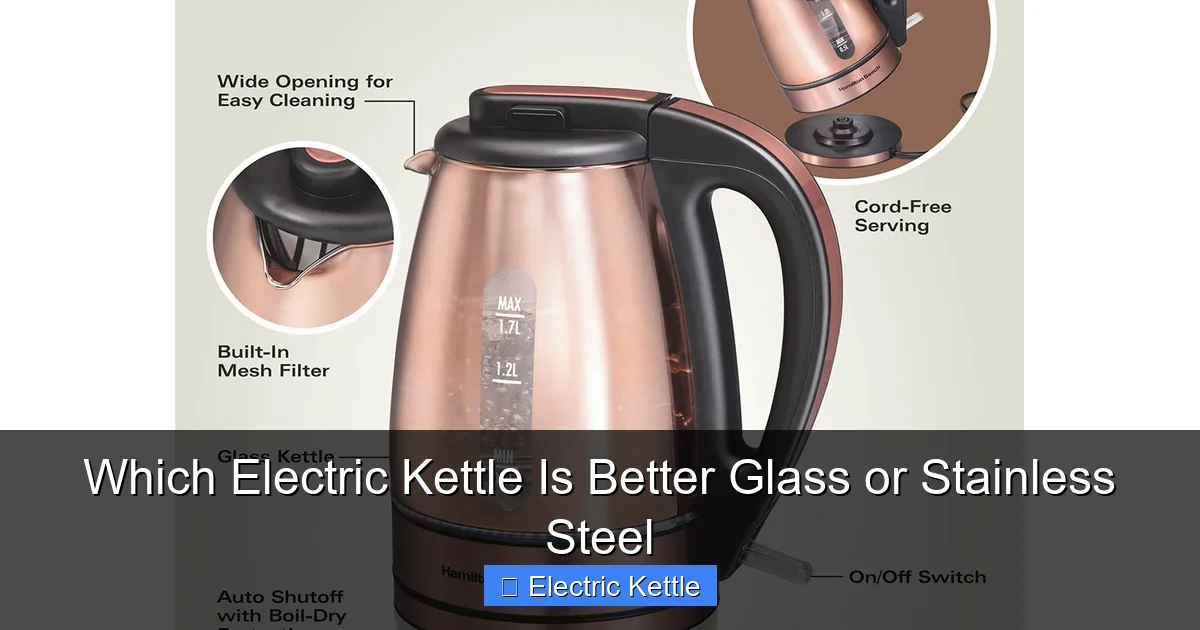
Visual guide about Which Electric Kettle Is Better Glass or Stainless Steel
Image source: hamiltonbeach.com
Before we get into the nitty-gritty, let’s break down what sets these two materials apart. At first glance, both glass and stainless steel kettles look like they do the same job—heat water quickly and efficiently. But under the surface, their construction, performance, and user experience differ significantly.
Glass electric kettles are typically made from borosilicate glass, a type of heat-resistant glass known for its ability to withstand rapid temperature changes without cracking. This makes it safe for boiling water. Many glass kettles feature a transparent body, allowing you to see the water level and watch the boiling process—something that’s both practical and oddly satisfying. They often come with stainless steel heating elements or bases, but the main chamber where water sits is glass.
Stainless steel kettles, as the name suggests, are constructed primarily from food-grade stainless steel, usually 304 or 18/8 grade, which is rust-resistant and non-toxic. These kettles are fully enclosed, meaning you can’t see inside while the water heats. They often have a double-wall design, which improves insulation and keeps the exterior cool to the touch—a major safety advantage.
One key difference lies in how they interact with water. Glass is inert, meaning it doesn’t react with water or leach any substances, even at high temperatures. Stainless steel, while generally safe, can sometimes impart a slight metallic taste, especially in lower-quality models or if the interior isn’t properly coated or maintained.
Another factor is heat retention. Stainless steel kettles, particularly those with double walls, tend to keep water hot longer after boiling. Glass kettles cool down faster, which might be a pro or con depending on your preference. If you like your tea at just the right temperature and don’t want it scalding hot, glass might be better. But if you want your water to stay hot for a second cup, stainless steel has the edge.
How Material Affects Taste and Purity
Let’s talk about taste—because let’s face it, no one wants their morning coffee to taste like metal. This is where glass kettles often shine. Since glass is non-porous and non-reactive, it doesn’t absorb odors or flavors from previous uses. That means your water stays pure, and your tea or coffee tastes exactly as it should. This is especially important for delicate teas like white or green tea, where even a hint of residual flavor can ruin the experience.
Stainless steel, on the other hand, is generally safe but not entirely inert. Over time, especially with hard water or infrequent cleaning, mineral deposits can build up inside the kettle. These deposits, along with the natural properties of steel, can sometimes lead to a faint metallic taste. High-quality stainless steel kettles often have a polished interior or a protective coating to minimize this, but it’s still something to consider.
That said, many people never notice any taste difference. If you use filtered water and clean your kettle regularly, a stainless steel model can perform just as well. But if you’re a purist who values flavor above all, glass might be the safer bet.
Energy Efficiency and Boiling Speed
When it comes to performance, both materials are capable of heating water quickly—most electric kettles boil a liter of water in 3 to 5 minutes. However, stainless steel kettles often have a slight edge in energy efficiency. Their double-wall construction not only insulates heat but also reduces heat loss during the boiling process. This means they can use less energy to reach the same temperature compared to single-wall glass kettles.
Glass kettles, while efficient, tend to lose heat faster once the heating stops. This isn’t a dealbreaker, but it’s something to keep in mind if you’re trying to cut down on electricity usage. Some high-end glass models now come with insulated lids or bases to help retain heat, narrowing the gap.
Another performance factor is noise. Stainless steel kettles are generally quieter during operation because the metal dampens sound. Glass kettles can be a bit noisier, especially if the heating element is exposed or if the glass vibrates during boiling. If you’re sensitive to kitchen noise—say, you’re making tea early in the morning while others are sleeping—this could influence your choice.
Durability and Longevity: Which Kettle Lasts Longer?
Now let’s talk about toughness. If you’ve ever dropped a glass mug, you know how fragile glass can be. The same applies to glass kettles. While borosilicate glass is more resistant to thermal shock than regular glass, it’s still prone to cracking or shattering if dropped or knocked over. A single mishap on a tile floor could mean the end of your kettle.
Stainless steel, by contrast, is incredibly durable. It can withstand bumps, drops, and daily wear and tear without showing much damage. Scratches might appear over time, but they don’t affect performance. This makes stainless steel kettles ideal for households with kids, pets, or just a generally busy kitchen environment.
But durability isn’t just about surviving drops. It’s also about long-term use. Stainless steel resists corrosion, rust, and staining, especially when made from high-grade materials. Glass, while resistant to staining, can develop cloudiness or hard water spots over time, particularly if you live in an area with hard water. These spots don’t affect safety, but they can make the kettle look dirty even when it’s clean.
Resistance to Stains and Odors
Let’s dig deeper into maintenance. Glass kettles are prone to water stains and mineral buildup, especially if you don’t dry them after use. Over time, these stains can become stubborn and affect the clarity of the glass. Some users find themselves scrubbing with vinegar or lemon juice weekly just to keep it looking new.
Stainless steel, on the other hand, is much more forgiving. It doesn’t show water spots as easily, and any mineral buildup can usually be wiped away with a soft cloth. Plus, stainless steel doesn’t absorb odors, so you won’t have to worry about your kettle retaining the scent of yesterday’s herbal tea.
That said, both materials require regular cleaning to prevent limescale, which can clog the heating element and reduce efficiency. The good news is that both glass and stainless steel are easy to clean with natural solutions like vinegar or commercial descaling products.
Impact Resistance and Safety
Safety is another critical factor. Glass kettles, while safe when used properly, pose a higher risk if they break. A shattered kettle can cause cuts or burns, especially if it happens while the water is hot. Most modern glass kettles come with protective bases or silicone sleeves to reduce this risk, but it’s still something to consider.
Stainless steel kettles are inherently safer in this regard. They won’t shatter, and their sturdy build makes them less likely to tip over. Many also feature cool-touch exteriors, meaning the outside stays safe to handle even when the water inside is boiling. This is a big plus for families with young children.
Additionally, stainless steel kettles often come with advanced safety features like automatic shut-off, boil-dry protection, and overheat protection. While many glass kettles have these features too, the combination of durability and safety tech makes stainless steel a strong contender for safety-conscious buyers.
Maintenance and Cleaning: Which Is Easier to Care For?
Let’s be real—no one loves cleaning kitchen appliances. But some are definitely easier than others. When it comes to electric kettles, maintenance can make or break your experience. So, which is easier to clean: glass or stainless steel?
Glass kettles offer a clear advantage in visibility. Because you can see inside, it’s easy to spot mineral buildup, stains, or residue. This makes it simpler to know when it’s time to clean. However, the transparency also means every smudge, water spot, or scale deposit is visible, which can be annoying if you’re particular about appearance.
Cleaning a glass kettle usually involves filling it with a mixture of water and vinegar, letting it sit, then scrubbing with a soft brush or sponge. The smooth surface makes it easy to wipe down, but you’ll need to be gentle to avoid scratching the glass.
Stainless steel kettles, while not see-through, are generally easier to maintain in the long run. The metal surface resists staining and doesn’t show water spots. You can use the same vinegar solution to descale, but you won’t need to worry about keeping it looking crystal clear. A quick wipe with a damp cloth is often enough for daily upkeep.
One downside of stainless steel is that some models have hard-to-reach interiors, especially if the spout is narrow or the heating element is exposed. This can make deep cleaning a bit more challenging. Glass kettles, with their open design, are usually easier to reach into with a brush.
Dealing with Limescale and Hard Water
If you live in an area with hard water, limescale buildup is inevitable—no matter what material your kettle is made of. Limescale is a chalky deposit of calcium and magnesium that forms when water is heated. It can reduce heating efficiency, clog the spout, and even affect taste.
Both glass and stainless steel kettles are susceptible, but glass makes it easier to see when it’s time to descale. With stainless steel, you might not notice the buildup until your kettle starts taking longer to boil.
The good news? Descaling is simple. Just fill the kettle with equal parts water and white vinegar, let it sit for an hour, then boil and rinse thoroughly. For tougher buildup, repeat the process or use a commercial descaler. Regular descaling—once a month or so—will keep your kettle running smoothly, regardless of material.
Long-Term Wear and Tear
Over time, both materials can show signs of aging. Glass may develop fine scratches from cleaning or handling, which can affect clarity but not performance. In rare cases, repeated thermal stress can lead to cracks, especially if the kettle is filled with cold water immediately after boiling.
Stainless steel can scratch or dent, but these marks are usually cosmetic. The interior may dull over time, but as long as it’s made from food-grade steel, it remains safe to use. The main concern with stainless steel is rust, which can occur if the kettle is left wet or made from low-quality materials.
To extend the life of either kettle, always dry it after use, avoid overfilling, and descale regularly. With proper care, both glass and stainless steel kettles can last 5 to 10 years or more.
Aesthetics and Kitchen Style: Which Looks Better?
Let’s not ignore the elephant in the room: looks matter. Your kettle is often on display, so it should complement your kitchen’s style. Glass and stainless steel cater to different aesthetics, and your choice might come down to personal taste.
Glass kettles have a modern, minimalist appeal. Their transparency gives them a light, airy feel, and they often feature sleek designs with LED lighting that illuminates the water as it boils. This creates a beautiful visual effect, especially in dimly lit kitchens. They’re perfect for contemporary, Scandinavian, or high-tech kitchens where clean lines and visibility are valued.
Stainless steel kettles, on the other hand, offer a classic, industrial look. They’re often associated with durability and professionalism, making them a favorite in modern farmhouse, industrial, or traditional kitchens. Many models come in brushed, polished, or matte finishes, allowing you to match your other appliances.
Color and Finish Options
Glass kettles are typically clear, though some come in tinted shades like blue or green. The focus is on clarity and light, so color options are limited. However, the LED lighting in some models can add a pop of color during use.
Stainless steel offers more variety. You can find kettles in classic silver, black stainless, copper accents, or even two-tone designs. This makes it easier to coordinate with your existing kitchen hardware and appliances.
Countertop Presence
Consider how much space your kettle will take up. Glass kettles often have a slimmer profile and take up less visual space, making them ideal for small kitchens. Stainless steel models can be bulkier, especially double-wall ones, but their sturdy build means they’re less likely to tip over.
If you like to showcase your appliances, a glass kettle with glowing LED lights can be a conversation starter. If you prefer a more understated look, a brushed stainless steel kettle blends in seamlessly.
Safety Features and User Experience
Safety should always be a top priority, especially with appliances that involve boiling water. Both glass and stainless steel kettles come with standard safety features, but there are some differences in user experience.
Most modern electric kettles—regardless of material—include automatic shut-off when the water reaches boiling point. This prevents overheating and saves energy. Many also have boil-dry protection, which turns off the kettle if it’s turned on without water.
Stainless steel kettles often have an edge in safety due to their cool-touch exteriors. Even when the water inside is boiling, the outside remains safe to touch. This is especially important if you have children or pets who might accidentally bump into the kettle.
Glass kettles, while safe, can get hot on the outside, especially near the base. Some models include insulated handles and bases to reduce this risk, but it’s still something to be cautious about.
Ease of Use and Handling
Think about how you’ll use your kettle daily. Glass kettles are lightweight and easy to lift, but their smooth surface can be slippery when wet. Stainless steel kettles are heavier but often have ergonomic handles that provide a better grip.
Pouring is another consideration. Glass kettles usually have a wide spout, making it easy to pour without splashing. Stainless steel models may have narrower spouts, which can lead to drips if not poured carefully.
Noise Levels During Operation
If you’re sensitive to noise, this could be a deciding factor. Stainless steel kettles tend to be quieter because the metal absorbs sound. Glass kettles can be noisier, especially if the heating element vibrates against the glass. Some users describe the sound as a gentle hum, while others find it distracting.
Environmental Impact and Sustainability
More consumers are thinking about sustainability when choosing appliances. So, which material is greener?
Glass is made from natural materials like sand and is fully recyclable. However, the production process is energy-intensive, and broken glass kettles often end up in landfills because they’re not always accepted in curbside recycling.
Stainless steel is also recyclable and has a long lifespan, which reduces waste. It’s made from iron, chromium, and nickel, and while mining these materials has environmental impacts, the durability of stainless steel offsets this over time.
In terms of energy use, stainless steel kettles are often more efficient due to better insulation, meaning they use less electricity over their lifetime.
Final Verdict: Which Electric Kettle Is Better?
So, which is better—glass or stainless steel? The truth is, there’s no one-size-fits-all answer. It depends on what you value most.
Choose a glass electric kettle if:
– You prioritize pure taste and no metallic aftertaste
– You want to see the water level and boiling process
– You prefer a modern, minimalist look
– You’re willing to handle it with care and clean it regularly
Choose a stainless steel electric kettle if:
– You want durability and resistance to drops and dents
– You prefer a cooler exterior and better heat retention
– You want low maintenance and easy cleaning
– You have kids or pets and need a safer, sturdier option
Ultimately, both materials have their strengths. If flavor and visibility are your top concerns, go glass. If durability, safety, and ease of use matter more, stainless steel is the way to go. And remember—no matter which you choose, regular cleaning and proper care will keep your kettle performing like new for years.
Frequently Asked Questions
Can a glass electric kettle break easily?
Glass kettles are made from heat-resistant borosilicate glass, which is durable but can still crack or shatter if dropped or exposed to extreme temperature changes. Handle with care, especially on hard surfaces.
Does stainless steel affect the taste of water?
High-quality stainless steel kettles made from food-grade materials (like 304 steel) generally don’t affect taste. However, lower-quality models or those with mineral buildup may impart a slight metallic flavor.
Which kettle is easier to clean?
Stainless steel is generally easier to maintain because it resists stains and doesn’t show water spots. Glass requires more frequent cleaning to maintain clarity but is easier to inspect for buildup.
Do glass kettles use more electricity?
Not necessarily. While glass kettles may lose heat faster after boiling, modern models are energy-efficient. Stainless steel kettles with double walls may use slightly less energy due to better insulation.
Are glass kettles safe for daily use?
Yes, as long as they’re made from borosilicate glass and used according to instructions. Avoid sudden temperature changes and inspect regularly for cracks.
Which kettle keeps water hotter longer?
Stainless steel kettles, especially double-wall models, retain heat better than glass. This makes them ideal if you want your water to stay hot for a second cup.