Boiling milk in an electric kettle isn’t just possible—it can be convenient and safe if you choose the right model. This guide breaks down what to look for, from non-stick interiors to temperature control, and highlights top-performing kettles designed specifically for milk.
Key Takeaways
- Choose a kettle with a non-stick or stainless steel interior: Prevents milk from sticking and burning, making cleanup easier and preserving flavor.
- Look for variable temperature settings: Milk should be heated gently—around 140–160°F (60–70°C)—to avoid scalding or curdling.
- Opt for a kettle with a “milk” or “gentle boil” mode: These preset functions are designed to heat milk slowly and evenly.
- Avoid kettles with exposed heating elements: They increase the risk of hot spots and milk scorching.
- Consider capacity and spout design: A narrow spout helps prevent spills when pouring hot milk, especially for frothing or latte art.
- Regular cleaning is essential: Milk residue can build up quickly, so choose a kettle that’s easy to clean and maintain.
- Top brands like Breville, Cuisinart, and Smeg offer reliable milk-friendly models: These brands prioritize safety, precision, and durability for daily milk boiling.
📑 Table of Contents
Why Boil Milk in an Electric Kettle?
You might be wondering—can you even boil milk in an electric kettle? The short answer is yes, but not all kettles are created equal when it comes to handling dairy. While most electric kettles are designed primarily for water, many modern models now include features that make them safe and effective for boiling milk. Whether you’re making morning coffee, preparing baby formula, or whipping up a creamy hot chocolate, using an electric kettle can save time and energy compared to stovetop methods.
The convenience factor is hard to beat. Instead of standing over a pot, stirring constantly to prevent scorching, an electric kettle can heat your milk with minimal supervision. Plus, many models come with automatic shut-off and temperature control, reducing the risk of overheating. But here’s the catch: not every kettle can handle milk without issues like burning, sticking, or unpleasant odors. That’s why choosing the right one matters.
Milk behaves differently than water. It contains proteins and fats that can coagulate or burn when exposed to high heat, especially on hot surfaces. This means the material of the kettle, the heating mechanism, and the temperature settings all play a crucial role. In this guide, we’ll walk you through everything you need to know to pick the best electric kettle for boiling milk—so you can enjoy smooth, perfectly heated milk every time.
What to Look for in an Electric Kettle for Boiling Milk
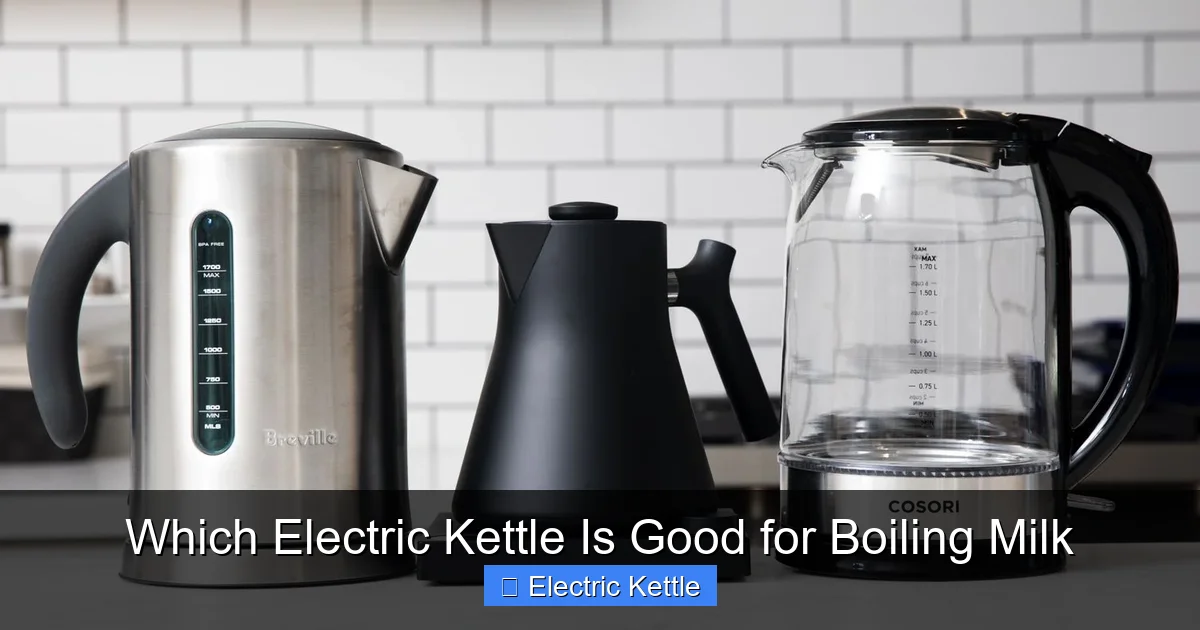
Visual guide about Which Electric Kettle Is Good for Boiling Milk
Image source: storables.com
When shopping for an electric kettle that can handle milk, it’s important to go beyond basic features like wattage and capacity. Milk requires gentle, consistent heating, so the design and functionality of the kettle are key. Here are the most important factors to consider.
Interior Material: Stainless Steel vs. Non-Stick
The inside of your kettle is where the magic—and potential mess—happens. For boiling milk, stainless steel and non-stick interiors are your best bets.
Stainless steel is durable, easy to clean, and resistant to staining. High-quality food-grade stainless steel (like 304 or 18/8) won’t react with milk or leave a metallic taste. It also distributes heat evenly, reducing the chance of hot spots that can scorch milk. Brands like Breville and Cuisinart often use brushed stainless steel interiors for this reason.
Non-stick coatings, typically made from ceramic or PTFE (Teflon), are another excellent option. They prevent milk from sticking to the bottom and sides, which means less scrubbing and a lower risk of burning. However, you’ll want to ensure the coating is PFOA-free and food-safe. Ceramic-coated kettles are especially popular for milk because they’re naturally non-reactive and easy to wipe clean.
Avoid kettles with aluminum interiors unless they’re coated. Bare aluminum can react with milk and affect both taste and safety.
Temperature Control and Preset Modes
One of the biggest advantages of modern electric kettles is precise temperature control. Water boils at 212°F (100°C), but milk should never reach that point. Heating milk beyond 160°F (70°C) can cause it to scald, form a skin, or even curdle—especially if it’s whole milk or contains added sugars.
Look for kettles with variable temperature settings. Many premium models offer presets for different beverages, including a “milk” or “gentle boil” mode. These settings typically heat milk to around 140–155°F (60–68°C), which is ideal for frothing, making lattes, or warming baby bottles.
For example, the Breville BKE820XL IQ Electric Kettle has a “Milk” preset that heats to 160°F and holds the temperature for up to 20 minutes—perfect for slow-steeping tea or preparing warm milk drinks. Similarly, the Cuisinart CPK-17 PerfecTemp offers six temperature settings, including one specifically for milk.
If your kettle doesn’t have a milk mode, you can still use it—just monitor the temperature with a kitchen thermometer or stop the heating process manually before it reaches a full boil.
Heating Element Design
The heating element is the heart of your kettle. For milk, you want a concealed or fully immersed element that doesn’t come into direct contact with the liquid in a way that creates hot spots.
Exposed heating coils—common in older or budget kettles—can cause milk to burn quickly. The intense heat directly under the coil can scorch the milk before the rest even warms up. This not only ruins the taste but also makes cleanup a nightmare.
Concealed heating elements, usually located under a flat stainless steel base, distribute heat more evenly. They’re safer for milk and easier to clean since there’s no coil to scrub around. Some high-end models even use rapid-boil technology with hidden elements that heat water (and milk) quickly without sacrificing control.
Spout and Pouring Design
Pouring hot milk requires precision—especially if you’re making coffee art or filling a baby bottle. A well-designed spout can make all the difference.
Look for a kettle with a narrow, drip-free spout. Wide openings may lead to spills or splashing, which is both messy and dangerous. A gooseneck spout, often found in pour-over coffee kettles, offers excellent control and is ideal for slow, steady pours.
Some kettles also feature a built-in filter or mesh screen near the spout. This helps catch any milk skin or foam that forms during heating, ensuring a smooth pour. While not essential, it’s a nice touch for frequent milk users.
Capacity and Size
Consider how much milk you typically heat at once. Most electric kettles range from 0.5 to 1.7 liters. For single servings—like one cup of milk for coffee—a smaller kettle (0.5–1 liter) is sufficient and heats faster. Larger families or those who make multiple drinks may prefer a 1.5-liter model.
Keep in mind that milk expands when heated and can foam up, so never fill the kettle more than halfway when boiling milk. Overfilling increases the risk of overflow, which can damage the kettle or create a safety hazard.
Top Electric Kettles for Boiling Milk in 2024
Now that you know what to look for, let’s explore some of the best electric kettles on the market that are specifically suited for boiling milk. These models combine safety, precision, and ease of use to deliver excellent results.
Breville BKE820XL IQ Electric Kettle
The Breville IQ is a top-tier choice for anyone serious about milk-based beverages. It features a sleek stainless steel exterior and interior, a concealed heating element, and six preset temperature settings—including a dedicated “Milk” mode that heats to 160°F.
One standout feature is its “Keep Warm” function, which maintains the selected temperature for up to 20 minutes. This is perfect if you’re preparing multiple drinks or need to wait for your coffee to brew. The kettle also has a soft-open lid to prevent steam burns and a 360-degree swivel base for easy handling.
Users love how quietly it operates and how evenly it heats milk without scorching. The only downside is the price—it’s on the higher end, but the build quality and performance justify the investment for frequent users.
Cuisinart CPK-17 PerfecTemp
The Cuisinart PerfecTemp is a close competitor to the Breville, offering similar features at a slightly lower price point. It has a 1.7-liter capacity, a stainless steel interior, and six temperature presets—including one for milk.
What sets it apart is its blue LED lighting that illuminates the kettle when in use, adding a modern touch to your kitchen. The kettle also includes a removable scale filter to reduce mineral buildup, which is helpful if you live in an area with hard water.
It heats quickly and maintains consistent temperatures, making it ideal for both milk and tea. The ergonomic handle and drip-free spout make pouring safe and easy. Many users appreciate the clear water-level window, which helps prevent overfilling.
Smeg KLF04 Electric Kettle
If style matters as much as function, the Smeg KLF04 is a standout. Known for its retro design and vibrant colors, this Italian-made kettle doesn’t sacrifice performance for aesthetics.
It features a 1.7-liter stainless steel body, a concealed heating element, and a “gentle boil” mode perfect for milk. The kettle also includes a removable limescale filter and an automatic shut-off feature for safety.
While it doesn’t have as many temperature presets as the Breville or Cuisinart, its “gentle boil” setting is specifically calibrated for delicate liquids like milk. The wide opening makes it easy to clean, and the cool-touch exterior ensures safe handling.
Smeg kettles are built to last, with high-quality materials and a 2-year warranty. They’re a great choice for design-conscious buyers who want a reliable milk-boiling kettle.
Hamilton Beach 40880C
For budget-conscious shoppers, the Hamilton Beach 40880C offers excellent value. Priced under $50, this kettle has a 1.7-liter capacity, a stainless steel interior, and a concealed heating element.
It includes a “keep warm” function that holds temperature for 30 minutes—longer than many premium models. While it doesn’t have preset temperature controls, it does have an automatic shut-off and boil-dry protection, which are essential safety features.
Users report that it heats milk evenly and quickly, though you’ll need to monitor the temperature manually. The wide mouth makes cleaning straightforward, and the blue LED indicator adds a nice touch.
This kettle is ideal for occasional milk boiling or for those who want a reliable backup appliance without breaking the bank.
Bonavita BV3825B 1.0L Gooseneck Kettle
Originally designed for pour-over coffee, the Bonavita gooseneck kettle is also excellent for heating milk—especially if you’re making lattes or cappuccinos.
Its narrow, curved spout allows for precise pouring, which is crucial for creating microfoam or latte art. The kettle has variable temperature control (from 140°F to 212°F) and holds the temperature for up to 60 minutes.
The stainless steel body is durable and easy to clean, and the ergonomic handle stays cool to the touch. While it’s smaller (1.0 liter), it’s perfect for single or double servings.
Many baristas and home coffee enthusiasts swear by this kettle for its precision and control. It’s a bit pricier than standard kettles, but worth it if you’re serious about milk-based drinks.
Tips for Safely Boiling Milk in an Electric Kettle
Even with the right kettle, boiling milk requires some care. Follow these tips to ensure safe, delicious results every time.
Never Overfill the Kettle
Milk expands and foams when heated, so always fill the kettle no more than halfway. Overfilling can cause overflow, which may damage the heating element or create a mess. For most kettles, this means staying below the 1-liter mark, even if the total capacity is higher.
Stir Occasionally (If Possible)
While many kettles heat milk evenly, stirring gently with a long-handled spoon can help prevent skin formation and ensure uniform temperature. Just be careful not to scratch non-stick surfaces.
Use a Thermometer for Precision
If your kettle doesn’t have a milk preset, use a food-safe thermometer to monitor the temperature. Aim for 140–160°F (60–70°C). Remove the kettle from power just before it reaches boiling point.
Clean Immediately After Use
Milk residue can harden and become difficult to remove. Rinse the kettle with warm water right after use, and wash it thoroughly with mild soap and a soft sponge. For stubborn stains, soak with a vinegar-water solution.
Descale Regularly
Mineral buildup from hard water can affect performance and taste. Descale your kettle every 1–2 months using a mixture of equal parts water and white vinegar. Let it sit for 30 minutes, then rinse thoroughly.
Common Mistakes to Avoid
Even experienced users can make mistakes when boiling milk. Here are some common pitfalls and how to avoid them.
Using a Kettle with an Exposed Heating Element
As mentioned earlier, exposed coils can scorch milk quickly. Always choose a kettle with a concealed element for safer, more even heating.
Ignoring Temperature Settings
Boiling milk at full heat is a recipe for disaster. Always use a lower temperature setting or monitor the process closely to prevent burning.
Leaving the Kettle Unattended
While many kettles have auto shut-off, it’s still wise to stay nearby. Milk can foam up rapidly and overflow before the kettle detects the temperature change.
Using the Wrong Cleaning Tools
Avoid abrasive scrubbers or steel wool on non-stick or stainless steel surfaces. They can scratch the interior and reduce the kettle’s lifespan.
Conclusion
Choosing the right electric kettle for boiling milk can transform your daily routine. Whether you’re a coffee lover, a parent preparing formula, or just someone who enjoys warm milk before bed, the right appliance makes all the difference. Look for models with non-stick or stainless steel interiors, precise temperature control, and a concealed heating element. Brands like Breville, Cuisinart, Smeg, and Bonavita offer reliable options that balance performance, safety, and style.
Remember, not all kettles are created equal—especially when it comes to dairy. Investing in a milk-friendly model means better taste, easier cleanup, and peace of mind. With the tips and recommendations in this guide, you’re well-equipped to find the perfect kettle for your needs. So go ahead, heat that milk with confidence—and enjoy every sip.
Frequently Asked Questions
Can you boil milk in any electric kettle?
Not all electric kettles are safe for boiling milk. Models with exposed heating elements or plastic interiors can scorch milk or release harmful chemicals. Always choose a kettle with a stainless steel or non-stick interior and a concealed heating element.
What temperature should milk be heated to in an electric kettle?
Milk should be heated to between 140°F and 160°F (60°C to 70°C). Heating beyond this can cause scalding, skin formation, or curdling. Use a kettle with a milk preset or monitor the temperature with a thermometer.
Is it safe to leave milk boiling in an electric kettle unattended?
It’s best not to leave milk unattended, even in kettles with auto shut-off. Milk can foam and overflow quickly, potentially damaging the appliance or creating a mess. Stay nearby and monitor the process.
How do you clean an electric kettle after boiling milk?
Rinse the kettle immediately with warm water to remove residue. Wash with mild soap and a soft sponge. For tough stains, soak with a vinegar-water solution (1:1 ratio) for 30 minutes, then rinse thoroughly.
Can you use a gooseneck kettle for boiling milk?
Yes, gooseneck kettles like the Bonavita are excellent for heating milk, especially for frothing or latte art. Their precise spout allows for controlled pouring, and many have variable temperature settings ideal for milk.
Do electric kettles with milk modes really make a difference?
Yes. Milk modes heat the liquid gently and maintain a safe temperature, reducing the risk of burning or curdling. They’re especially helpful for beginners or those who frequently prepare milk-based drinks.