Choosing the right electric kettle can make your daily routine faster, safer, and more enjoyable. With so many options on the market, it’s important to know what features matter most—like speed, capacity, material, and smart controls—so you can pick one that fits your lifestyle.
Key Takeaways
- Speed matters: Look for kettles with 1500W or higher power for faster boiling times.
- Material impacts taste and safety: Stainless steel and glass are durable and non-reactive, while plastic can retain odors.
- Capacity should match your needs: 1.5 to 1.7 liters suits most households; smaller ones are great for travel or single users.
- Temperature control is a game-changer: Variable temperature settings let you brew tea, coffee, or baby formula at the perfect heat.
- Safety features are essential: Auto shut-off, boil-dry protection, and cool-touch handles prevent accidents.
- Ease of cleaning saves time: Removable lids, wide openings, and smooth interiors make maintenance simple.
- Noise level affects comfort: Some kettles are quieter than others—important if you’re making early morning tea.
📑 Table of Contents
- Which Electric Kettle to Buy: A Complete Guide for Every Kitchen
- Why Choose an Electric Kettle Over a Stovetop?
- Key Features to Consider When Buying an Electric Kettle
- Top Electric Kettle Brands and Models to Consider
- Special Considerations: Noise, Design, and Smart Features
- Budget vs. Premium: Finding the Right Balance
- Maintenance and Care Tips
- Final Thoughts: Which Electric Kettle to Buy?
Which Electric Kettle to Buy: A Complete Guide for Every Kitchen
Imagine this: it’s early morning, you’re half-awake, and all you want is a hot cup of coffee or tea. You flip the switch on your electric kettle, and within minutes, you’ve got piping hot water ready to go. No waiting for a stovetop kettle to whistle, no worrying about forgetting it on the burner. That’s the magic of a good electric kettle—it’s fast, convenient, and reliable.
But with so many models flooding the market, how do you know which electric kettle to buy? Are all kettles created equal, or do some stand out for speed, safety, or smart features? The truth is, not all electric kettles are the same. Some boil water in under three minutes, while others take twice as long. Some have sleek designs that look great on your countertop, while others are built purely for function. And then there’s the question of materials—do you want stainless steel, glass, or plastic? Each has pros and cons.
In this guide, we’ll walk you through everything you need to know to make an informed decision. Whether you’re a tea enthusiast, a busy parent, or someone who just wants hot water fast, we’ll help you find the perfect electric kettle for your needs. We’ll cover key features, top brands, and practical tips to ensure you get the best value for your money. Let’s dive in.
Why Choose an Electric Kettle Over a Stovetop?
Before we get into the nitty-gritty of which electric kettle to buy, let’s talk about why you’d want one in the first place. Sure, stovetop kettles have charm—especially the classic whistling kind—but electric kettles offer serious advantages in today’s fast-paced world.
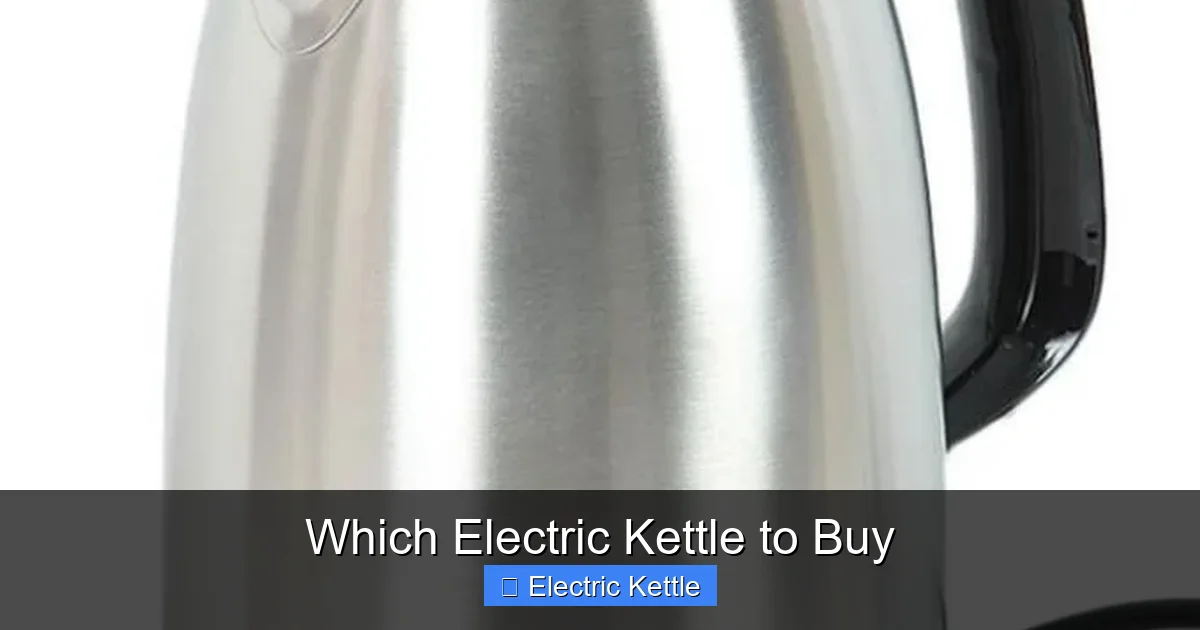
Visual guide about Which Electric Kettle to Buy
Image source: islamabadelectronics.com
Speed and Efficiency
Electric kettles heat water much faster than stovetop models. Most high-quality electric kettles can boil a full liter of water in under four minutes, thanks to powerful heating elements—often 1500 watts or more. That means less waiting and more sipping. If you’re rushing out the door in the morning, this speed is a game-changer.
Energy Efficiency
Electric kettles are generally more energy-efficient than stovetops because they transfer heat directly to the water with minimal loss. You’re not heating a pot or wasting energy on an open flame. Many modern kettles also have insulated walls that keep water hot longer, so you don’t need to reboil as often.
Precision and Control
Many electric kettles come with temperature control settings, allowing you to heat water to exact temperatures—perfect for delicate green teas or French press coffee. Stovetop kettles can’t offer that level of precision. Some even have keep-warm functions that maintain your desired temperature for up to an hour.
Safety and Convenience
Electric kettles are designed with safety in mind. Features like auto shut-off, boil-dry protection, and cool-touch exteriors reduce the risk of burns or accidents. Plus, they’re easy to use—just fill, press a button, and walk away. No need to monitor the stove or worry about forgetting the kettle.
Key Features to Consider When Buying an Electric Kettle
Now that you know why electric kettles are worth it, let’s break down the features that matter most. When deciding which electric kettle to buy, these are the factors that will make the biggest difference in your daily experience.
Power and Boiling Speed
The wattage of your kettle determines how fast it boils water. Most standard models range from 1200W to 1800W. A 1500W kettle is a sweet spot—fast enough for most households without drawing too much power. Higher wattage means quicker boiling, but also higher energy use. If speed is your top priority, look for kettles with 1800W or more.
For example, the Breville BKE820XL IQ Electric Kettle boils a full liter in just over three minutes thanks to its 1500W element. That’s ideal for busy mornings or when you’re making multiple cups throughout the day.
Capacity and Size
Electric kettles typically range from 0.5 liters (great for travel or single servings) to 1.8 liters (ideal for families or entertaining). For most households, a 1.5 to 1.7-liter capacity is perfect—it’s enough for 4–6 cups without taking up too much counter space.
If you live alone or in a small apartment, a compact 1-liter model like the Hamilton Beach 40880 might be all you need. But if you’re brewing tea for a family or hosting guests, go bigger. Just remember: larger kettles take longer to boil and use more energy.
Material: Stainless Steel, Glass, or Plastic?
The material of your kettle affects taste, durability, and safety. Here’s a quick breakdown:
- Stainless Steel: Durable, rust-resistant, and doesn’t retain flavors. Great for long-term use. Look for food-grade 304 stainless steel. Models like the Cuisinart CPK-17 are popular for their sleek look and reliability.
- Glass: Lets you see the water boiling, which some people find satisfying. Glass is non-reactive, so it won’t affect taste. However, it’s more fragile and can be heavier. The OXO Brew Classic is a top-rated glass option.
- Plastic: Lightweight and affordable, but can retain odors or leach chemicals if not BPA-free. Avoid plastic if you’re concerned about taste or health. If you do choose plastic, make sure it’s labeled BPA-free and food-safe.
For most people, stainless steel offers the best balance of durability, safety, and performance.
Temperature Control and Presets
If you’re serious about tea or coffee, temperature control is a must. Different beverages require different water temperatures:
- Green tea: 160–180°F
- White tea: 175–185°F
- Oolong: 185–205°F
- Black tea: 200–212°F
- Coffee (pour-over): 195–205°F
Kettles with variable temperature settings let you select the perfect heat for each drink. Some even have presets labeled “Green,” “Black,” or “Coffee.” The Breville Smart Kettle and Fellow Stagg EKG are excellent examples with precise digital controls.
Safety Features
Safety should never be an afterthought. Look for these essential features:
- Auto Shut-Off: Turns the kettle off once water reaches boiling point.
- Boil-Dry Protection: Prevents the kettle from heating if there’s no water inside.
- Cool-Touch Exterior: Keeps the outside safe to touch, even when the water is hot.
- Stable Base: Prevents tipping and spills.
These features not only protect you but also extend the life of your kettle.
Ease of Use and Cleaning
A good electric kettle should be easy to fill, pour, and clean. Look for:
- A wide opening or removable lid for easy filling and cleaning.
- A smooth interior with no hard-to-reach corners.
- A cordless design with a 360-degree swivel base for easy pouring.
- A concealed heating element to reduce mineral buildup.
Mineral deposits (limescale) are common in hard water areas. Some kettles come with built-in filters or descaling reminders. Regular cleaning with vinegar or a descaling solution will keep your kettle running smoothly.
Top Electric Kettle Brands and Models to Consider
With so many options, it helps to know which brands and models are consistently rated highly. Here are some of the best electric kettles on the market, based on performance, durability, and user reviews.
Breville
Breville is known for high-end kitchen appliances, and their electric kettles are no exception. The Breville BKE820XL IQ features precise temperature control, a keep-warm function, and a sleek stainless steel design. It’s ideal for tea lovers who want perfection in every cup.
Cuisinart
Cuisinart offers reliable, mid-range kettles with great value. The Cuisinart CPK-17 Perfectemp has six preset temperatures, a blue LED indicator, and a 1.7-liter capacity. It’s a favorite among home cooks and coffee enthusiasts.
Fellow
Fellow’s Stagg EKG is a minimalist’s dream. With a gooseneck spout for precise pouring and digital temperature control, it’s perfect for pour-over coffee. It’s stylish, functional, and built to last.
OXO
The OXO Brew Classic combines affordability with quality. Its glass body lets you watch the water boil, and it has a simple one-touch operation. It’s great for beginners or those who want a no-frills kettle.
Hamilton Beach
For budget-conscious buyers, Hamilton Beach offers solid performance at a low price. The Hamilton Beach 40880 is a 1-liter stainless steel kettle with auto shut-off and boil-dry protection. It’s simple, reliable, and perfect for small households.
Special Considerations: Noise, Design, and Smart Features
Beyond the basics, there are a few extra factors that can influence your decision when choosing which electric kettle to buy.
Noise Level
Some kettles are louder than others. If you’re sensitive to noise—especially in the morning—look for models with quieter heating elements. Glass and stainless steel kettles tend to be quieter than plastic ones. The Breville IQ and OXO Brew are known for their relatively quiet operation.
Design and Aesthetics
Your kettle will likely sit on your countertop, so it should look good. Modern kettles come in a range of colors and finishes—matte black, brushed stainless, white, or even copper. Choose one that matches your kitchen style. The Fellow Stagg EKG is a standout for its minimalist design, while the Cuisinart CPK-17 offers a classic, polished look.
Smart and Connected Features
Some high-end kettles now come with smart features like app control, voice compatibility (with Alexa or Google Assistant), and scheduling. The Smarter Coffee Kettle lets you start boiling water from your phone, which is handy if you want your tea ready when you wake up. While these features are fun, they’re not essential for most users.
Budget vs. Premium: Finding the Right Balance
Electric kettles range from under $20 to over $200. So how much should you spend?
If you’re on a tight budget, models like the Hamilton Beach 40880 or Proctor Silex 1.7L offer solid performance for under $30. They may lack advanced features, but they get the job done.
Mid-range kettles ($50–$100) like the Cuisinart CPK-17 or OXO Brew offer better build quality, more features, and longer lifespans. This is the sweet spot for most buyers.
Premium kettles ($100+) like the Breville IQ or Fellow Stagg EKG are for enthusiasts who want precision, durability, and design. They’re worth the investment if you use your kettle daily and care about details like temperature accuracy and pour control.
Remember: a good electric kettle should last 5–7 years with proper care. Spending a little more upfront can save you money in the long run.
Maintenance and Care Tips
To keep your electric kettle performing at its best, follow these simple maintenance tips:
- Descale regularly: Use a mixture of equal parts water and white vinegar. Boil, let sit for 30 minutes, then rinse thoroughly. Do this every 1–2 months, depending on water hardness.
- Clean the exterior: Wipe down with a damp cloth. Avoid abrasive cleaners that can scratch stainless steel or glass.
- Check the filter: If your kettle has a mesh filter, remove and rinse it weekly to prevent clogs.
- Avoid overfilling: Stick to the max fill line to prevent spills and damage to the heating element.
- Store properly: Keep the kettle unplugged and dry when not in use.
With proper care, your kettle will stay efficient and safe for years.
Final Thoughts: Which Electric Kettle to Buy?
So, which electric kettle to buy? The answer depends on your needs, budget, and preferences. If you want speed and simplicity, go for a reliable stainless steel model like the Hamilton Beach 40880. If you’re a tea or coffee connoisseur, invest in a kettle with temperature control, like the Breville IQ or Fellow Stagg EKG. For a balance of style and function, the Cuisinart CPK-17 is a top choice.
No matter which one you pick, make sure it has essential safety features, is easy to clean, and fits your lifestyle. A good electric kettle isn’t just a kitchen gadget—it’s a daily companion that makes your mornings smoother and your beverages better.
Take your time, read reviews, and consider what matters most to you. Whether it’s speed, silence, or smart controls, there’s a perfect electric kettle out there waiting to boil your water—and your day—just right.
Frequently Asked Questions
What is the best material for an electric kettle?
Stainless steel is generally the best material because it’s durable, non-reactive, and doesn’t affect the taste of water. Glass is also a good option if you prefer to see the water boiling, but it’s more fragile.
How long do electric kettles last?
With proper care, most electric kettles last 5 to 7 years. Regular descaling and avoiding overfilling can extend their lifespan significantly.
Can I boil milk or other liquids in an electric kettle?
No, most electric kettles are designed for water only. Boiling milk or sugary liquids can damage the heating element and leave hard-to-clean residue.
Are electric kettles energy efficient?
Yes, electric kettles are more energy efficient than stovetops because they heat water directly with minimal heat loss. They use only the energy needed to boil the water.
Do I need a kettle with temperature control?
It depends on what you’re brewing. If you drink green tea, white tea, or pour-over coffee, temperature control ensures optimal flavor. For black tea or instant coffee, a standard kettle works fine.
How do I clean my electric kettle?
Use a mixture of equal parts water and white vinegar. Boil it, let it sit for 30 minutes, then rinse thoroughly. Do this every 1–2 months to remove limescale buildup.