Electric kettles leak for several common reasons—overfilling, worn seals, mineral deposits, or poor design. Most leaks are preventable with proper use and regular maintenance. Understanding the root causes helps you fix the problem fast and extend your kettle’s life.
Key Takeaways
- Overfilling is the #1 cause: Pouring water above the max line increases pressure and forces water out through the spout or lid seal.
- Worn or damaged seals lead to leaks: Rubber or silicone gaskets degrade over time, especially with heat and steam exposure.
- Mineral buildup clogs vents and seals: Hard water leaves limescale that blocks steam vents and warps sealing surfaces.
- Poor-quality materials fail faster: Cheap plastic or thin metal bases can warp, crack, or develop gaps under repeated heating.
- Improper cleaning damages components: Using abrasive cleaners or submerging the base can degrade seals and electrical parts.
- Design flaws in some models: Kettles with poorly aligned lids, weak hinges, or inadequate venting are more prone to leaking.
- Regular maintenance prevents leaks: Descaling monthly and inspecting seals can stop most issues before they start.
📑 Table of Contents
- Why Do Electric Kettles Leak? A Common but Fixable Problem
- Overfilling: The Most Common Cause of Kettle Leaks
- Worn or Damaged Seals: When the Gasket Fails
- Mineral Buildup and Limescale: The Hidden Leak Culprit
- Poor-Quality Materials and Design Flaws
- Improper Cleaning and Maintenance Habits
- How to Fix and Prevent Electric Kettle Leaks
- Conclusion: Keep Your Kettle Dry and Safe
Why Do Electric Kettles Leak? A Common but Fixable Problem
You’re in the kitchen, rushing to make your morning coffee or tea. You fill your electric kettle, press the button, and walk away—only to return and find a puddle under the base. Sound familiar? If your electric kettle is leaking, you’re not alone. It’s one of the most frustrating issues kettle owners face, and it happens more often than you’d think.
Electric kettles are designed to heat water quickly and safely, but when they start leaking, it’s not just annoying—it can be a safety hazard. Water near electrical components is a serious risk. The good news? Most leaks are caused by simple, fixable problems. Whether it’s overfilling, a worn-out seal, or mineral buildup, understanding the root cause is the first step to solving it.
In this guide, we’ll explore the most common reasons electric kettles leak, how to identify each issue, and what you can do to fix or prevent it. From design flaws to user habits, we’ll cover everything you need to know to keep your kettle working smoothly and your countertop dry.
Overfilling: The Most Common Cause of Kettle Leaks
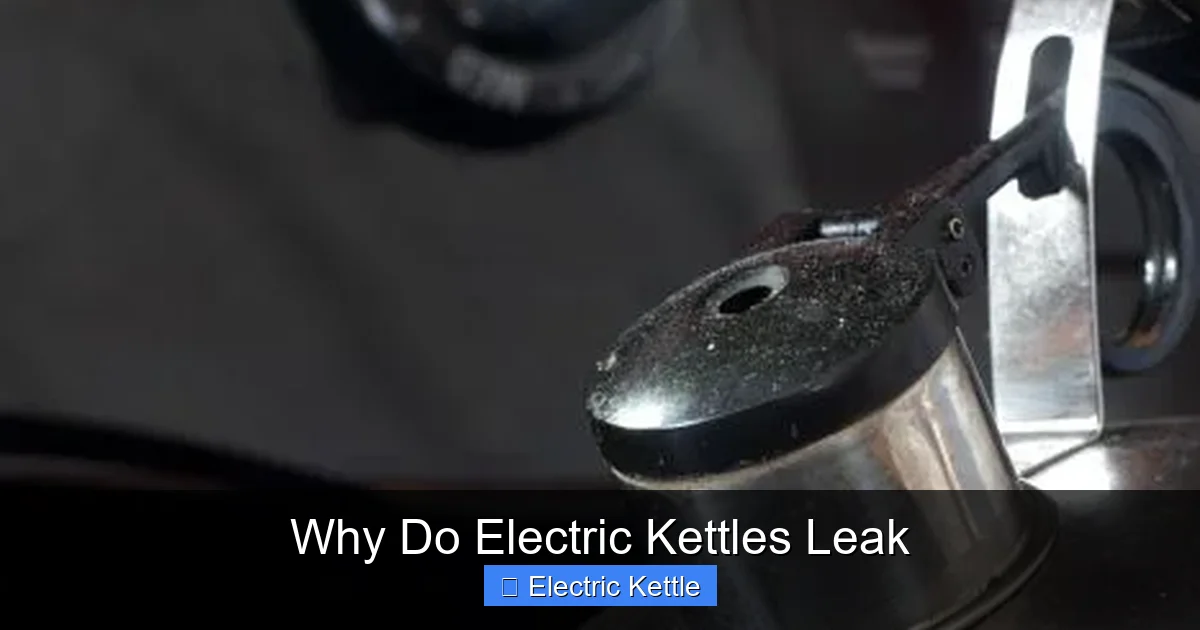
Visual guide about Why Do Electric Kettles Leak
Image source: why.do
Let’s start with the number one culprit: overfilling. It might seem harmless to fill your kettle “just a little past the max line,” but that small mistake can lead to big leaks.
When you pour water above the maximum fill line, you’re increasing the internal pressure inside the kettle. As the water heats up, it expands and turns into steam. If there’s too much water, the steam has nowhere to go except out through the weakest point—usually the spout, lid, or base seal. This forces hot water to escape, often in a steady drip or even a spray.
For example, imagine filling your kettle to the very top before boiling. As the water reaches boiling point, steam builds up rapidly. The lid may not seal tightly enough to contain the pressure, especially if it’s slightly warped or misaligned. The result? Water sprays out from under the lid or leaks from the spout during or after boiling.
Another scenario: you fill the kettle past the max line, then place it on the base. The extra weight can cause the kettle to sit unevenly, putting stress on the seal between the kettle and the base. Over time, this can weaken the connection and lead to leaks around the bottom.
The fix is simple: always check the water level before heating. Most kettles have clear “min” and “max” markings on the interior. Stick to the max line—even if you’re in a hurry. It only takes a few seconds to pour carefully, and it can save you from a messy cleanup and potential damage.
Pro tip: Use a measuring cup to fill your kettle. This helps you avoid guessing and ensures you don’t overfill. If you’re making tea for one, fill only to the minimum line. This reduces pressure and speeds up boiling time.
Worn or Damaged Seals: When the Gasket Fails
If your kettle isn’t overfilled but still leaks, the problem might be the seal—specifically, the rubber or silicone gasket that creates a watertight barrier.
Most electric kettles have a seal around the lid or where the kettle connects to the base. This gasket is made of heat-resistant rubber or silicone and is designed to expand slightly when heated, creating a tight seal. Over time, however, this material can degrade.
Heat, steam, and repeated use cause the seal to harden, crack, or lose its elasticity. Once the gasket no longer fits snugly, water can seep through tiny gaps. You might notice a slow drip from the spout, water pooling under the kettle, or steam escaping from the lid.
For instance, a kettle used daily for several years may develop a brittle seal. Even a small crack can allow water to leak during boiling. In some cases, the seal may appear intact but no longer compress properly when the lid is closed, leaving a gap.
How can you tell if the seal is the problem? Look for visible signs of wear—cracks, discoloration, or deformation. You can also test the seal by closing the lid and gently pressing around the edges. If you feel a gap or hear air escaping, the seal isn’t doing its job.
The solution? Replace the gasket. Many kettle manufacturers sell replacement seals, or you can find universal ones online. The process usually involves removing the old seal (often by prying it out of a groove) and pressing in the new one. It’s a quick fix that can restore your kettle to like-new condition.
If your kettle is older and the seal is no longer available, it might be time to upgrade. Modern kettles often use higher-quality materials and improved seal designs that last longer and resist degradation.
Mineral Buildup and Limescale: The Hidden Leak Culprit
If you live in an area with hard water, mineral buildup could be silently causing your kettle to leak.
Hard water contains high levels of calcium and magnesium. When you boil water repeatedly, these minerals settle on the interior surfaces, forming a chalky white deposit known as limescale. While limescale itself doesn’t always cause leaks, it can lead to problems in several ways.
First, limescale can clog the steam vent—a small opening that allows steam to escape safely. When the vent is blocked, pressure builds inside the kettle. With nowhere to go, steam and water are forced out through the lid, spout, or base seal, causing leaks.
Second, mineral deposits can accumulate around the seal or gasket. Over time, this buildup can prevent the seal from making full contact with the kettle body. Even a thin layer of scale can create a gap, allowing water to seep through.
For example, imagine a kettle used daily with hard water. After a few months, you notice a white crust around the spout and under the lid. You clean the exterior, but the interior remains coated. When you boil water, you hear a hissing sound and see water dripping from the spout. That’s likely limescale blocking the vent and interfering with the seal.
The fix is regular descaling. Use a mixture of equal parts white vinegar and water. Fill the kettle halfway, boil it, then let it sit for 30 minutes. Pour out the solution, rinse thoroughly, and boil fresh water once to remove any vinegar taste. Repeat monthly if you have hard water.
Alternatively, use a commercial descaling solution or citric acid. These are effective and safe for most kettles. Avoid using harsh chemicals like bleach, which can damage seals and leave toxic residues.
Pro tip: Install a water filter or use filtered water in your kettle. This reduces mineral content and slows limescale buildup, extending the life of your kettle and preventing leaks.
Poor-Quality Materials and Design Flaws
Not all electric kettles are created equal. Some are built with cheaper materials or flawed designs that make them more prone to leaking.
Low-cost kettles often use thin plastic or low-grade stainless steel. These materials can warp under repeated heating and cooling cycles. A warped base or lid won’t sit flat, creating gaps where water can escape.
For example, a kettle with a plastic base may develop a slight curve after months of use. When placed on the heating element, it doesn’t make full contact. This uneven fit can cause water to seep out from the sides or bottom.
Similarly, kettles with poorly designed lids—such as those that don’t snap shut securely or have weak hinges—are more likely to leak. If the lid doesn’t seal tightly, steam and water can escape during boiling.
Another design flaw is inadequate venting. Some kettles have small or poorly placed steam vents that can’t handle the volume of steam produced during boiling. This leads to pressure buildup and leaks.
How can you spot a poorly designed kettle? Look for reviews that mention leaking, warping, or lid issues. Check the material quality—opt for kettles with thick stainless steel bodies and secure, well-fitted lids.
If you’re buying a new kettle, invest in a reputable brand with good warranties. While they may cost more upfront, they’re less likely to develop leaks and often last years longer.
Improper Cleaning and Maintenance Habits
Believe it or not, how you clean your kettle can contribute to leaks.
Many people make the mistake of submerging the entire kettle in water or using abrasive cleaners. Electric kettles have electrical components in the base that must stay dry. Submerging the base can damage the seal or cause corrosion, leading to leaks.
Similarly, using steel wool or harsh scrubbers can scratch the interior, creating rough spots where minerals accumulate. Over time, this buildup can interfere with the seal and cause leaks.
For example, someone might scrub the inside of their kettle with a metal brush to remove limescale. While it removes the scale, it also scratches the surface. The next time they boil water, minerals settle into the scratches, forming a thick crust that prevents the lid from sealing properly.
The correct way to clean your kettle is to wipe the exterior with a damp cloth and clean the interior with vinegar or a descaling solution. Never submerge the base, and avoid abrasive tools.
Also, check the manufacturer’s instructions. Some kettles are dishwasher-safe for the lid and body, but the base should never go in water.
Regular maintenance—like descaling and inspecting seals—can prevent most leaks. Make it a habit to check your kettle monthly for signs of wear or buildup.
How to Fix and Prevent Electric Kettle Leaks
Now that you know the common causes, let’s talk about how to fix and prevent leaks.
First, identify the source. Is the leak coming from the spout, lid, or base? Check for overfilling, worn seals, or mineral buildup.
If it’s overfilling, simply adjust your filling habits. Use the max line as your guide.
If the seal is damaged, replace it. Most gaskets are inexpensive and easy to install.
For mineral buildup, descale regularly. Use vinegar or a commercial solution monthly if you have hard water.
If your kettle is made of low-quality materials or has design flaws, consider upgrading to a better model.
Finally, clean your kettle properly—avoid submerging the base and use gentle cleaners.
Prevention is key. A little care goes a long way in keeping your kettle leak-free.
Conclusion: Keep Your Kettle Dry and Safe
Electric kettles leak for many reasons, but most are easy to fix. Whether it’s overfilling, a worn seal, or mineral buildup, understanding the cause helps you solve the problem quickly.
By following best practices—filling to the correct level, descaling regularly, and inspecting seals—you can extend your kettle’s life and avoid messy leaks.
Remember, a leaking kettle isn’t just inconvenient—it can be a safety risk. Water and electricity don’t mix, so address leaks promptly.
With the right care, your electric kettle can serve you well for years, delivering hot water safely and efficiently.
Frequently Asked Questions
Why does my electric kettle leak from the bottom?
This usually happens when the seal between the kettle and base is damaged or the base is warped. Overfilling or poor-quality materials can also cause water to seep out from the bottom. Check the seal and ensure the kettle sits flat on the base.
Can a leaking electric kettle be dangerous?
Yes, water near electrical components can cause short circuits, shocks, or fire hazards. If your kettle leaks, stop using it immediately and inspect the issue. Repair or replace it if necessary.
How often should I descale my electric kettle?
If you have hard water, descale your kettle once a month. For soft water, every 2–3 months is usually enough. Regular descaling prevents mineral buildup that can lead to leaks.
Can I fix a leaking kettle myself?
Many leaks can be fixed at home—replacing a seal, descaling, or adjusting fill levels. However, if the base is cracked or electrical parts are damaged, it’s safer to replace the kettle.
Why does my kettle leak only when boiling?
This is often due to pressure buildup from overfilling, a clogged steam vent, or a failing seal. Steam needs a way to escape, and if blocked, it forces water out through weak points.
Are expensive kettles less likely to leak?
Generally, yes. Higher-quality kettles use better materials, stronger seals, and smarter designs that reduce the risk of leaks. They’re a worthwhile investment for long-term use.