Electric kettles make noise primarily due to the heating process, water movement, and mineral deposits. While some sound is normal, excessive or unusual noises may signal maintenance needs or component issues. Understanding these sounds helps ensure safe, efficient use and extends your kettle’s lifespan.
Have you ever stood in your kitchen, waiting for your morning coffee, only to be startled by the loud gurgling, popping, or humming coming from your electric kettle? You’re not alone. Many people assume that a quiet kettle is a sign of quality—but in reality, some noise is not only expected, it’s perfectly normal. In fact, the sounds your electric kettle makes are often direct results of physics, design, and the natural behavior of water under heat.
Electric kettles are among the most efficient and convenient appliances in modern kitchens. They heat water faster than stovetop models, use less energy, and often come with features like temperature control and auto shut-off. But with that speed and power comes sound. Whether it’s a gentle simmer or a full-on roar, understanding why your electric kettle makes noise can help you distinguish between normal operation and potential problems. This knowledge also empowers you to maintain your kettle better, ensuring it lasts longer and performs safely.
In this article, we’ll explore the science behind kettle sounds, break down the most common noises, and offer practical tips to reduce unwanted racket. We’ll also cover when to be concerned and how regular care can keep your kettle running smoothly—and quietly. So, the next time your kettle starts singing its boiling song, you’ll know exactly what’s going on.
Key Takeaways
- Boiling water creates sound: The rumbling and bubbling you hear is mostly steam and bubbles forming—this is completely normal.
- Heating element vibration causes humming: As electricity flows through the coil, it vibrates slightly, producing a low hum during operation.
- Mineral buildup leads to louder noises: Limescale and sediment on the heating element can cause popping, cracking, or sizzling sounds.
- Kettle design affects noise levels: Materials like stainless steel or double-walled insulation can dampen or amplify sound differently.
- Water temperature influences sound intensity: Colder water takes longer to heat, often resulting in more pronounced bubbling and noise.
- Unusual sounds may indicate problems: Persistent clicking, grinding, or high-pitched whining could mean electrical or mechanical issues needing attention.
- Regular cleaning reduces noise: Descaling your kettle every few weeks minimizes mineral-related sounds and improves performance.
📑 Table of Contents
The Science Behind Kettle Noise
At first glance, it might seem odd that heating water would produce such a range of sounds—from soft hums to loud pops. But when you dig into the science, it all makes sense. The noise from an electric kettle is primarily the result of three physical processes: boiling, convection, and thermal expansion.
When you turn on your electric kettle, electricity flows through a coiled heating element submerged in water. This element rapidly heats up, transferring thermal energy to the surrounding water. As the temperature rises, tiny bubbles of steam begin to form at nucleation sites—microscopic imperfections or particles on the heating surface. These bubbles grow, rise, and collapse, creating the familiar bubbling and gurgling sounds.
This process is known as nucleate boiling, and it’s the main source of kettle noise during the heating phase. The louder the bubbling, the more intense the boiling action. As the water approaches boiling point (100°C or 212°F at sea level), the bubbles become larger and more frequent, leading to a crescendo of sound just before the kettle automatically shuts off.
Another factor is convection currents. As water heats, it becomes less dense and rises, while cooler water sinks. This creates a circulating flow that helps distribute heat evenly. But this movement also contributes to the swishing and sloshing sounds you might hear, especially in kettles with wide openings or less insulated bodies.
Thermal expansion plays a role too. The heating element and kettle body expand slightly as they warm up. This can cause faint creaking or ticking noises, particularly in metal kettles. These sounds are usually harmless and fade as the kettle reaches a stable temperature.
Understanding these scientific principles helps demystify kettle noise. It’s not a defect—it’s physics in action. And while you can’t eliminate all sound, knowing what’s normal helps you identify when something might be wrong.
Common Types of Electric Kettle Sounds and What They Mean
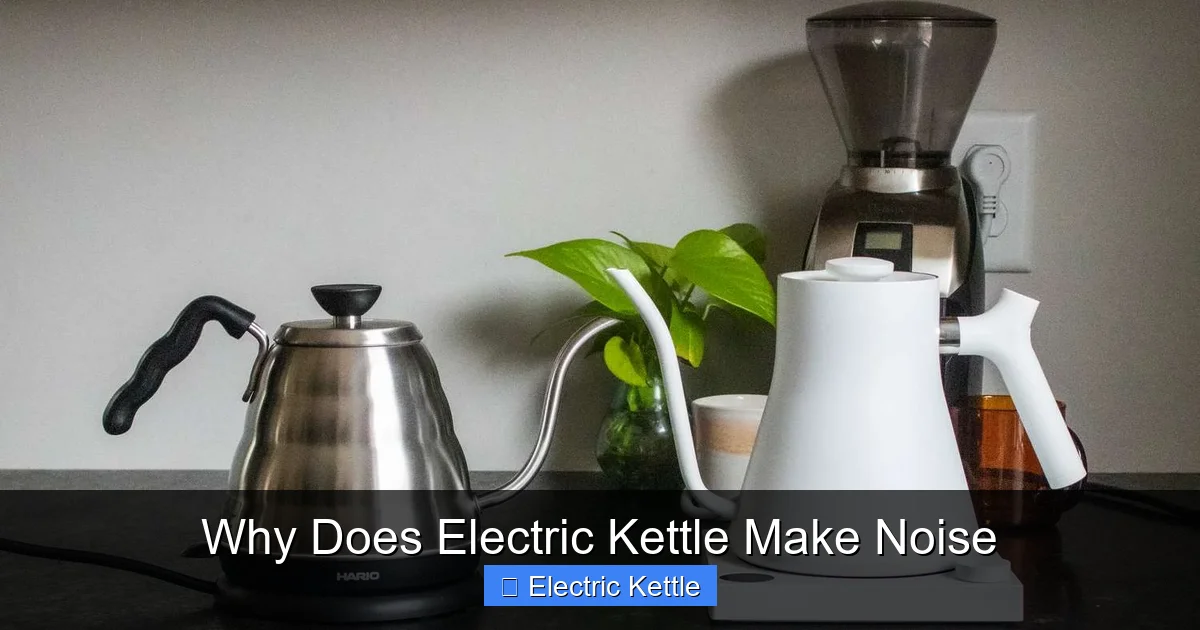
Visual guide about Why Does Electric Kettle Make Noise
Image source: seriouseats.com
Not all kettle noises are created equal. Some are soft and rhythmic, while others are sharp and alarming. By learning to recognize the different types of sounds, you can better assess whether your kettle is functioning normally or if it needs attention.
Humming or Buzzing
One of the most common sounds is a low hum or buzz, especially when the kettle is first turned on. This is caused by the electromagnetic vibration of the heating element as electricity passes through it. Think of it like a guitar string vibrating when plucked—except here, the “string” is a coiled wire carrying high current.
This hum is typically steady and fades slightly as the water heats up. It’s more noticeable in kettles with exposed or poorly insulated heating elements. While it might be annoying in a quiet kitchen, it’s not a sign of malfunction. However, if the hum becomes unusually loud or develops a rattling quality, it could indicate a loose component or electrical issue.
Bubbling and Gurgling
As mentioned earlier, bubbling is a natural part of the boiling process. You’ll hear this most clearly in the final minutes before the kettle shuts off. The sound starts as small, sporadic pops and builds into a rolling boil with larger, more frequent bubbles.
In some kettles, especially those with wide bases or open designs, you might also hear a gurgling or sloshing sound. This happens when steam bubbles rise through cooler water layers, causing turbulence. It’s more common in kettles filled beyond the recommended level or when using very cold water.
Popping and Cracking
Popping or cracking noises are often linked to mineral buildup. In areas with hard water, limescale and other deposits accumulate on the heating element over time. When the element heats up, these deposits trap moisture underneath. As steam builds pressure beneath the scale, it eventually bursts through, creating sharp popping sounds.
These noises can be startling, but they’re usually harmless—unless they become frequent or are accompanied by reduced heating efficiency. Regular descaling can prevent this issue and keep your kettle quieter.
Ticking or Clicking
A gentle ticking sound, especially after the kettle has turned off, is typically due to thermal contraction. As the heating element and kettle body cool down, they shrink slightly, causing small shifts in metal parts. This is similar to the sound of a car engine cooling after a drive.
Clicking can also occur during operation if the thermostat or switch mechanisms are engaging. Most modern kettles use bimetallic strips or electronic sensors to detect temperature and trigger shut-off. These components can make faint clicks as they activate—this is normal.
However, if you hear persistent or loud clicking during heating, it might indicate a faulty thermostat or loose internal wiring. In such cases, it’s best to have the kettle inspected.
High-Pitched Whining or Squealing
This is less common and often a red flag. A high-pitched whine or squeal could suggest an electrical problem, such as arcing in the heating element or a failing motor in kettles with built-in pumps or stirrers. It might also result from a damaged or misaligned component vibrating at high frequency.
If you notice this sound, stop using the kettle immediately and unplug it. Continuing to use it could pose a safety risk.
Knocking or Rattling
A knocking or rattling noise, especially when the kettle is moved or touched, usually points to a loose part. This could be a detached lid seal, a wobbly base, or internal components that have come loose over time.
While not always dangerous, loose parts can affect performance and safety. Check the kettle’s exterior and interior (when cool and unplugged) for anything that seems out of place.
How Kettle Design Influences Noise Levels
Not all electric kettles sound the same—and a big reason is design. From materials to insulation to heating technology, every aspect of a kettle’s construction can affect how much noise it makes.
Material Matters
The body material of your kettle plays a major role in sound transmission. Stainless steel kettles, for example, tend to be louder than glass or plastic models because metal conducts and amplifies sound. A stainless steel kettle might produce a sharper, more resonant hum or clang when the heating element vibrates.
Glass kettles, on the other hand, are often quieter because glass dampens vibrations better than metal. However, they may still transmit bubbling sounds clearly due to their transparency and thin walls.
Plastic kettles, especially those with double-walled insulation, can be the quietest option. The plastic absorbs sound, and the air gap between walls acts as a buffer. But be cautious—some plastics may release harmful chemicals when heated, so always choose BPA-free, food-grade materials.
Insulation and Sound Dampening
High-end kettles often include sound-dampening features. Double-walled designs, silicone gaskets, and rubberized bases help reduce noise by absorbing vibrations and minimizing resonance.
For example, some premium kettles use a vacuum-insulated layer between inner and outer walls. This not only keeps water hot longer but also muffles internal sounds. Similarly, kettles with soft-touch handles and non-slip bases tend to vibrate less when placed on countertops.
Heating Element Type
The design of the heating element also affects noise. Kettles with exposed coils (common in older or budget models) tend to be noisier because the element is in direct contact with water and air, allowing more vibration and bubble formation.
In contrast, kettles with concealed or flat heating elements—where the coil is embedded beneath a smooth stainless steel plate—are generally quieter. The plate distributes heat more evenly and reduces direct bubble formation, leading to smoother, less turbulent boiling.
Shape and Size
The shape of the kettle influences how sound travels. Tall, narrow kettles may amplify certain frequencies, making the boiling sound more pronounced. Wider, shorter kettles allow sound to dissipate more evenly.
Additionally, larger kettles (1.7L or more) tend to be louder simply because they hold more water and require more energy to heat. The increased volume of boiling water creates more turbulence and sound.
Advanced Features and Noise
Modern kettles come with features like variable temperature settings, keep-warm functions, and LED indicators. While convenient, some of these can introduce new sounds. For instance, a kettle with a built-in pump for pouring might make a faint whirring noise. Or a digital display might emit a soft beep when settings are changed.
These sounds are usually minor and expected, but they can add to the overall noise profile. If quiet operation is a priority, look for kettles labeled “quiet boil” or “low-noise design.”
The Role of Water Quality and Mineral Buildup
One of the most overlooked factors in kettle noise is water quality. If you live in an area with hard water—water high in calcium and magnesium—your kettle is more likely to develop mineral deposits over time. These deposits, commonly known as limescale, can significantly alter how your kettle sounds and performs.
How Limescale Affects Noise
Limescale forms when minerals in water precipitate out during heating and stick to surfaces, especially the heating element. As the element heats up, the scale acts as an insulator, trapping heat and moisture beneath it. When steam builds up under the scale, it eventually bursts through, creating loud popping or cracking sounds.
Over time, thick layers of scale can cause the heating element to overheat, leading to inefficient heating and louder operation. You might also notice that your kettle takes longer to boil or doesn’t reach full temperature.
Other Sediment and Impurities
In addition to limescale, other impurities like sand, rust, or organic matter can enter your kettle, especially if you use unfiltered tap water. These particles can settle at the bottom and create nucleation sites for bubbles, increasing bubbling noise.
They can also scratch or damage the heating surface, leading to uneven heating and more vibration.
Preventing and Removing Buildup
The best way to reduce noise caused by mineral buildup is regular descaling. Most manufacturers recommend descaling every 1–3 months, depending on water hardness.
To descale, fill the kettle halfway with equal parts water and white vinegar. Let it sit for 30–60 minutes, then boil the solution. Allow it to cool, then rinse thoroughly with clean water. For tougher scale, repeat the process or use a commercial descaling product.
Alternatively, you can use citric acid, which is gentler on kettles and equally effective. Simply dissolve 1–2 tablespoons in water, boil, and rinse.
Using filtered or distilled water can also help reduce mineral accumulation and keep your kettle quieter and more efficient.
When to Be Concerned: Unusual Noises and Safety
While most kettle noises are harmless, some sounds warrant attention. Knowing when to worry can prevent accidents and extend your appliance’s life.
Persistent or Increasing Noise
If your kettle has suddenly become much louder than usual—especially if the change is dramatic—it could indicate a problem. For example, a heating element that’s starting to fail might vibrate more intensely, producing a louder hum or buzz.
Similarly, if popping or cracking sounds become frequent and intense, it may mean the scale buildup is severe or the element is damaged.
Electrical Sounds
Any sound that resembles sparking, sizzling, or arcing is a serious warning sign. These noises suggest an electrical fault, such as a short circuit or damaged wiring. They can pose a fire or shock hazard.
If you hear such sounds, unplug the kettle immediately and do not use it again until inspected by a professional.
Grinding or Mechanical Noises
Kettles with moving parts—like those with internal stirrers or pumps—may produce grinding sounds if a component is worn or obstructed. This could be due to debris, misalignment, or motor failure.
Even in standard kettles, a grinding noise might indicate that something has come loose inside, such as a screw or washer.
Smoke or Burning Smell
If noise is accompanied by smoke, a burning smell, or discoloration around the base or plug, stop using the kettle right away. These are signs of overheating or electrical damage.
What to Do If You’re Concerned
If you notice any of these warning signs, follow these steps:
– Unplug the kettle immediately.
– Allow it to cool completely.
– Inspect the exterior for damage, loose parts, or scorch marks.
– Check the power cord and plug for fraying or burn marks.
– If everything looks normal but the noise persists, contact the manufacturer or a qualified technician.
Never attempt to repair an electric kettle yourself unless you’re trained. Tampering with electrical components can be dangerous.
Tips to Reduce Electric Kettle Noise
If your kettle is too loud for your liking, there are several practical steps you can take to minimize noise—without sacrificing performance.
Choose the Right Kettle
If you’re in the market for a new kettle, prioritize quiet operation. Look for models with:
– Concealed heating elements
– Double-walled insulation
– Sound-dampening materials (like silicone or rubber)
– Positive customer reviews mentioning low noise
Brands like Breville, Fellow, and Bosch often offer kettles designed for quiet boiling.
Use the Right Amount of Water
Overfilling your kettle can increase sloshing and turbulence, leading to louder sounds. Always fill it between the minimum and maximum markings. Using too little water can also cause the heating element to overheat and vibrate more.
Pre-Warm Cold Water
Starting with room-temperature or pre-warmed water reduces the time the heating element needs to work, which can lower overall noise. You can run tap water for a few seconds to let it warm up slightly before filling.
Place on a Soft Surface
Putting your kettle on a silicone mat, wooden board, or rubber trivet can absorb vibrations and reduce rattling. Avoid placing it directly on hard surfaces like granite or tile, which amplify sound.
Maintain Regular Cleaning
As discussed, descaling removes mineral buildup that causes popping and cracking. Clean your kettle every 1–3 months, or more often if you have hard water.
Also, wipe the exterior and base regularly to prevent dust and debris from affecting performance.
Avoid Rapid Boiling When Possible
Some kettles have a “fast boil” mode that maximizes power output. While convenient, this can increase noise. If quiet operation is important, use a lower setting or boil only the amount of water you need.
Consider a Kettle with Temperature Control
Kettles with variable temperature settings allow you to heat water to lower temperatures (e.g., 80°C for green tea). This reduces boiling intensity and can make the process quieter.
Conclusion
So, why does your electric kettle make noise? The short answer is: because it’s working. The sounds you hear—humming, bubbling, popping—are the natural results of heating water efficiently and safely. From electromagnetic vibrations to steam bubbles and thermal expansion, every noise has a scientific explanation.
While some level of sound is inevitable, understanding the causes helps you distinguish between normal operation and potential issues. Regular maintenance, proper use, and smart design choices can all contribute to a quieter, more reliable kettle.
Remember, a loud kettle isn’t necessarily a broken one—but a silent kettle might not be heating properly. Pay attention to changes in sound, especially if they’re sudden or extreme. And when in doubt, err on the side of caution.
By treating your electric kettle with care—descaling it regularly, using quality water, and listening to what it’s telling you—you’ll enjoy faster, safer, and yes, quieter boiling for years to come.
Frequently Asked Questions
Is it normal for an electric kettle to make noise?
Yes, it’s completely normal for an electric kettle to make noise during operation. Sounds like humming, bubbling, and gentle popping are typical results of the heating process and water boiling.
Why does my kettle make a loud popping sound?
Loud popping is often caused by mineral buildup (limescale) on the heating element. Steam trapped under the scale bursts through, creating sharp noises. Regular descaling can prevent this.
Can a noisy kettle be dangerous?
Most noises are harmless, but sounds like sizzling, arcing, or grinding could indicate electrical or mechanical problems. If you hear these, unplug the kettle and have it inspected.
How can I make my electric kettle quieter?
Use a kettle with a concealed heating element and sound insulation, descale regularly, place it on a soft surface, and avoid overfilling. These steps can significantly reduce noise.
Does water temperature affect kettle noise?
Yes, colder water takes longer to heat and can produce more pronounced bubbling and noise. Starting with warmer water may result in quieter operation.
Should I be worried if my kettle ticks after turning off?
No, ticking after shutdown is usually due to thermal contraction as the kettle cools. It’s a normal physical process and not a cause for concern.