Electric kettles make noise due to boiling water, mineral buildup, and component vibrations—but not all sounds are normal. Understanding the causes helps you maintain your kettle and enjoy quieter, safer performance.
Key Takeaways
- Boiling water naturally creates sound: The rumbling and bubbling you hear is mostly steam and bubbles forming—this is normal and expected during heating.
- Mineral deposits increase noise: Hard water leaves limescale inside the kettle, which can cause louder popping and crackling as heat transfers unevenly.
- Vibrating components contribute to rattling: Loose heating elements, base plates, or internal parts can vibrate against the kettle body, creating unwanted noise.
- Whistling is designed but can be loud: Many kettles have built-in whistles that activate when steam escapes—some are naturally louder than others.
- Kettle placement affects sound levels: Placing your kettle on an uneven or resonant surface can amplify noise through vibration transfer.
- Older or low-quality kettles are noisier: Wear and tear, poor insulation, or cheap materials often result in louder operation over time.
- Regular cleaning reduces noise: Descaling your kettle every few weeks minimizes scale buildup and helps maintain quieter performance.
📑 Table of Contents
- Why Does My Electric Kettle Make So Much Noise?
- The Science Behind Kettle Noise: What’s Really Happening?
- Mineral Buildup: The Silent Noise Amplifier
- Loose or Vibrating Components: The Mechanical Culprits
- The Whistle: Designed to Alert, But Often Too Loud
- Kettle Design and Age: Why Some Are Just Noisier
- Practical Tips for a Quieter Kettle Experience
- Conclusion: Noise Is Normal—But You Can Manage It
Why Does My Electric Kettle Make So Much Noise?
You’re in the kitchen, craving a warm cup of tea or a quick coffee. You press the button on your electric kettle, and instead of a gentle hum, you’re greeted with a loud rumble, a high-pitched whistle, or even a rattling sound that makes you wonder if the appliance is about to explode. Sound familiar?
Don’t panic—your electric kettle isn’t broken just because it’s noisy. In fact, some level of sound is completely normal. But when the noise becomes excessive, distracting, or alarming, it’s worth understanding what’s going on inside that sleek stainless steel or plastic body.
Electric kettles are designed to heat water quickly and efficiently, but that process involves physics, chemistry, and mechanics—all of which can contribute to noise. From the moment you flip the switch, water molecules begin to move faster, air bubbles form, and metal components expand. Each of these actions produces sound. The key is knowing which noises are harmless and which might signal a problem.
In this guide, we’ll break down the most common reasons your electric kettle makes noise, explain the science behind each sound, and offer practical tips to reduce unwanted racket. Whether you’re dealing with a gentle gurgle or a full-blown mechanical symphony, you’ll learn how to keep your kettle running smoothly—and quietly.
The Science Behind Kettle Noise: What’s Really Happening?
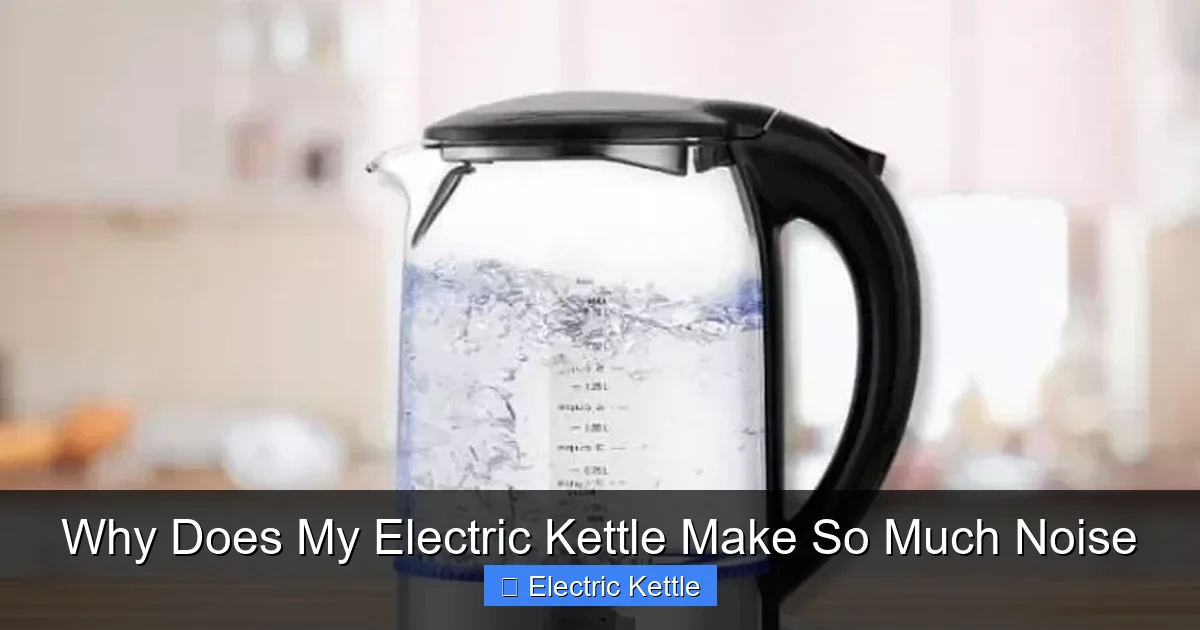
Visual guide about Why Does My Electric Kettle Make So Much Noise
Image source: irrorwxhiqijjr5q.ldycdn.com
To understand why your electric kettle makes noise, it helps to know a little about how it works. At its core, an electric kettle uses an internal heating element—usually a coiled metal wire or a flat disc—to convert electrical energy into heat. This heat is transferred directly to the water, raising its temperature until it reaches boiling point (100°C or 212°F at sea level).
As the water heats up, several physical processes occur that generate sound:
First, tiny air bubbles form at nucleation sites—microscopic imperfections on the heating element or the kettle’s interior surface. These bubbles rise and collapse, creating a soft crackling or popping sound. This is known as “cavitation” and is completely normal during the early stages of heating.
Second, as the water approaches boiling, larger steam bubbles form and rise rapidly to the surface. The movement of these bubbles through cooler water creates turbulence, which produces a rumbling or gurgling noise. This is especially noticeable in kettles with exposed heating elements.
Third, the heating element itself expands when it gets hot. Metal expands at different rates depending on its composition, and this thermal expansion can cause slight vibrations or clicking sounds as the element heats and cools.
Finally, steam escaping through vents or a whistle mechanism creates high-frequency sounds. Some kettles are designed with built-in whistles that activate when steam pressure builds—this is intentional, but the volume can vary widely between models.
All of these processes are part of normal operation. However, when combined with factors like mineral buildup, loose parts, or poor design, the noise can become much louder than expected.
Normal vs. Abnormal Kettle Sounds
Not all kettle noises are created equal. Some are harmless, while others may indicate a maintenance issue or potential safety concern.
Normal sounds include:
– A low hum or gentle buzzing during heating (from the electrical current).
– Soft crackling or popping as bubbles form.
– A steady rumble as water reaches a rolling boil.
– A short whistle or steam release at the end of the cycle.
Abnormal or concerning sounds include:
– Loud banging or knocking (could indicate trapped air or severe scale buildup).
– High-pitched screeching or grinding (may signal a failing motor or loose internal component).
– Continuous rattling or vibrating (often due to loose parts or improper placement).
– Hissing that doesn’t stop after boiling (could mean a faulty thermostat or steam leak).
If you hear any of the abnormal sounds, it’s worth investigating further. While most electric kettles are safe, persistent unusual noises could point to wear and tear or electrical issues that need attention.
Mineral Buildup: The Silent Noise Amplifier
One of the most common—and often overlooked—causes of excessive kettle noise is mineral buildup, also known as limescale. If you live in an area with hard water (water high in calcium and magnesium), you’re especially prone to this issue.
Hard water is perfectly safe to drink, but when heated repeatedly, the minerals precipitate out of solution and form a chalky, white or gray deposit on the inside of your kettle—particularly on the heating element and interior walls.
This limescale acts as an insulator. Instead of heat transferring efficiently from the element to the water, it builds up in the scale layer, causing hot spots. These hot spots can cause water to superheat locally, leading to violent bubbling, loud popping, and even small explosions of steam. The result? A much noisier kettle.
Over time, thick scale deposits can also warp the heating element or base plate, creating gaps that allow parts to vibrate or rattle. This mechanical instability adds to the noise problem.
How to Identify Limescale
You might not always see limescale, especially if it’s forming on the heating element beneath the water line. But here are a few telltale signs:
– White or gray crusty deposits around the spout or inside the kettle.
– Reduced heating efficiency—your kettle takes longer to boil.
– Unusual popping or crackling sounds during heating.
– A gritty texture when you run your finger along the interior.
If you notice any of these, it’s time to descale.
How to Clean and Prevent Limescale
The good news? Limescale is easy to remove with regular cleaning. Here’s a simple, effective method:
Step 1: Fill the kettle halfway with equal parts white vinegar and water.
Step 2: Let it sit for 30–60 minutes (or overnight for heavy buildup).
Step 3: Boil the solution, then let it cool.
Step 4: Pour out the liquid and scrub gently with a soft brush or sponge.
Step 5: Rinse thoroughly with clean water and boil a few times with fresh water to remove any vinegar taste.
For maintenance, descale your kettle every 2–4 weeks if you have hard water, or every 1–2 months with soft water.
You can also use commercial descaling solutions, but vinegar is cheap, eco-friendly, and highly effective.
To prevent future buildup, consider using filtered or distilled water in your kettle. While this may seem like overkill, it can significantly extend the life of your appliance and keep it running quietly.
Loose or Vibrating Components: The Mechanical Culprits
Another major source of kettle noise comes from mechanical issues—specifically, loose or vibrating internal parts.
Electric kettles are made up of several components: the heating element, the base plate, the thermostat, the switch mechanism, and the outer casing. Over time, screws can loosen, gaskets can wear out, or the heating element can shift slightly in its housing. When these parts vibrate against each other or the kettle body, they create rattling, buzzing, or knocking sounds.
This is especially common in kettles that are frequently moved, dropped, or placed on uneven surfaces. The constant jostling can gradually loosen internal fittings.
Common Sources of Vibration
– Loose heating element: If the element isn’t securely mounted, it can vibrate when energized, creating a buzzing or humming noise.
– Worn base plate: The flat disc at the bottom of the kettle can warp or detach slightly, causing it to rattle against the casing.
– Faulty thermostat: A malfunctioning thermostat may cause the heating element to cycle on and off rapidly, creating a clicking or ticking sound.
– Loose lid or spout components: If the lid doesn’t seal properly or the spout has a loose flap, steam and vibrations can cause flapping or whistling.
How to Fix Vibrating Parts
Before you panic, know that many vibration issues can be resolved with simple adjustments:
Check the placement: Make sure your kettle is sitting flat on a stable, level surface. A wobbly countertop or uneven base can amplify vibrations.
Tighten external screws: Some kettles have visible screws on the base or handle. Use a screwdriver to gently tighten them—but don’t over-tighten, as this can crack plastic parts.
Inspect the base: If your kettle has a removable base, check for loose wires or components. If you’re not comfortable doing this, consult the manufacturer or a technician.
Use a silicone mat: Placing your kettle on a soft silicone trivet or mat can absorb vibrations and reduce noise transmission to the countertop.
If the noise persists or you suspect internal damage, it may be time to replace the kettle—especially if it’s more than 3–5 years old.
The Whistle: Designed to Alert, But Often Too Loud
Many electric kettles—especially stovetop models—come with a built-in whistle that sounds when the water reaches boiling point. This feature was originally designed as a safety mechanism to alert users that the water is ready, preventing overboiling or dry heating.
However, the whistle can be surprisingly loud, sometimes reaching 80–90 decibels—comparable to a garbage disposal or a loud conversation. For light sleepers or early risers, this can be a major annoyance.
Why Are Some Whistles So Loud?
The volume of the whistle depends on several factors:
– Design of the whistle mechanism: Some kettles use a simple flap that vibrates rapidly in steam flow, while others have a tuned chamber that amplifies sound.
– Steam pressure: Higher pressure creates a louder whistle. Kettles with tighter seals or smaller vents may build up more pressure.
– Material and shape: Metal whistles tend to be louder than plastic ones. The shape of the spout and whistle chamber also affects resonance.
Some high-end kettles are designed with “quiet whistle” technology, using dampening materials or multi-chamber designs to reduce noise. But even these can’t eliminate sound entirely.
How to Reduce Whistle Noise
If your kettle’s whistle is too loud, here are a few tricks to tone it down:
Partially open the lid: This reduces steam pressure and can muffle the whistle. Just be careful not to burn yourself.
Use a towel or cloth: Drape a lightweight towel over the spout to absorb some of the sound. Don’t block steam completely—this can be dangerous.
Switch to a quiet kettle: If the whistle is a dealbreaker, consider upgrading to a model with a gentle beep or light indicator instead of a whistle. Many modern electric kettles use electronic alerts that are much quieter.
Boil smaller amounts: Less water means less steam and a softer whistle. Only boil what you need.
Remember, the whistle is there for a reason—don’t disable it entirely unless you have another way to monitor boiling.
Kettle Design and Age: Why Some Are Just Noisier
Not all electric kettles are created equal. The materials, build quality, and age of your kettle can significantly impact how much noise it makes.
Material Matters
– Stainless steel kettles: These are durable and retain heat well, but they can amplify sound due to their rigid structure. Thin-walled models may vibrate more.
– Plastic kettles: Generally quieter because plastic absorbs vibrations better than metal. However, they may warp over time or emit a burning smell if overheated.
– Glass kettles: Offer a modern look and are easy to clean, but glass can resonate and may crack under thermal stress.
Build Quality and Insulation
Higher-end kettles often include sound-dampening features like double walls, rubber gaskets, or insulated bases. These help reduce noise by absorbing vibrations and minimizing heat transfer to the outer casing.
Cheaper models may skip these features to cut costs, resulting in louder operation.
Age and Wear
Like any appliance, electric kettles wear out over time. The heating element can degrade, seals can dry out, and internal components can loosen. An older kettle is more likely to make noise simply because parts aren’t fitting as tightly as they once did.
If your kettle is more than 5 years old and suddenly becomes much louder, it may be nearing the end of its lifespan.
Tips for Choosing a Quiet Kettle
If you’re in the market for a new kettle, here’s what to look for:
– Double-wall construction: Provides better insulation and reduces noise.
– Quiet-boil technology: Some brands advertise “silent” or “low-noise” models.
– Stable base and secure lid: Minimizes vibration and steam leaks.
– User reviews: Check customer feedback for mentions of noise levels.
Brands like Breville, Cuisinart, and Fellow often receive praise for quieter operation.
Practical Tips for a Quieter Kettle Experience
Even if your kettle isn’t the quietest model on the market, there are several steps you can take to reduce noise and improve performance.
1. Use Filtered or Softened Water
As mentioned earlier, hard water contributes to limescale, which increases noise. Using filtered water reduces mineral content and helps prevent buildup.
2. Descale Regularly
Make descaling a part of your routine. Set a monthly reminder on your phone to clean your kettle with vinegar or a descaling solution.
3. Place It on a Soft Surface
Use a silicone mat, wooden board, or thick towel under your kettle to absorb vibrations and reduce noise transfer to the countertop.
4. Avoid Overfilling
Filling your kettle beyond the maximum line can cause water to splash into the base or steam chamber, leading to louder boiling and potential damage.
5. Don’t Let It Boil Dry
Running your kettle without water can damage the heating element and create loud popping sounds. Always ensure there’s enough water before turning it on.
6. Clean the Exterior and Base
Dust and debris can accumulate on the base, interfering with the connection to the power station. Wipe it down regularly with a damp cloth.
7. Listen for Changes
Pay attention to how your kettle sounds over time. A sudden increase in noise could indicate a problem that needs attention.
Conclusion: Noise Is Normal—But You Can Manage It
So, why does your electric kettle make so much noise? In most cases, the answer lies in a combination of natural boiling processes, mineral buildup, mechanical vibrations, and design factors. While some noise is inevitable, excessive or unusual sounds often point to maintenance needs or wear and tear.
The good news is that many noise issues are preventable and fixable. Regular descaling, proper placement, and mindful usage can go a long way in keeping your kettle quiet and efficient. And if your current model is simply too loud, upgrading to a newer, better-insulated kettle might be worth the investment.
Remember, your kettle is working hard to deliver hot water quickly and safely. A little noise is a small price to pay for convenience—but with the right care, you can enjoy that hot cup of tea in peace.
Frequently Asked Questions
Why does my electric kettle make a loud popping sound?
A loud popping sound is often caused by limescale buildup on the heating element. As water heats, trapped steam explodes through the scale, creating sharp noises. Descaling your kettle usually resolves this issue.
Is it normal for my kettle to whistle loudly?
Yes, a loud whistle is normal for many kettles, especially stovetop models. The whistle alerts you when water boils, but some are naturally louder due to design. Using a towel or switching to a quiet model can help.
Can a noisy kettle be dangerous?
Most noises are harmless, but loud banging, continuous hissing, or grinding could signal a serious issue like a faulty thermostat or electrical problem. If in doubt, stop using the kettle and have it inspected.
How often should I descale my electric kettle?
Descale every 2–4 weeks if you have hard water, or every 1–2 months with soft water. Regular cleaning prevents limescale buildup and reduces noise.
Why does my kettle rattle when it boils?
Rattling is usually caused by loose internal components, an uneven base, or vibration against the countertop. Tightening screws or using a silicone mat can help reduce the noise.
Can I use vinegar to clean my kettle every time?
Yes, white vinegar is safe and effective for regular descaling. Just rinse thoroughly after use to avoid any vinegar taste in your water.