Ever wondered why your electric kettle whistles like a tiny teapot? It’s not magic—it’s science! The whistle happens when steam builds up and escapes through a small opening, signaling your water is boiling. While it’s a helpful feature, understanding the mechanics can help you troubleshoot noise issues and keep your kettle in top shape.
Key Takeaways
- The whistle is caused by steam pressure: When water boils, steam builds up and escapes through a whistle mechanism, creating the familiar sound.
- Not all electric kettles whistle: Many modern models are silent or use visual indicators instead of sound.
- Mineral buildup can affect the whistle: Limescale in hard water areas may clog the whistle vent, causing weak or no sound.
- Whistling can indicate overheating or malfunction: If your kettle whistles excessively or at odd times, it may signal a problem with the thermostat or heating element.
- Regular cleaning improves performance: Descaling your kettle every few months helps maintain proper steam flow and whistle function.
- Placement matters: Using your kettle on a stable, level surface ensures even heating and consistent steam release.
- Some kettles allow whistle customization: A few models let you adjust or disable the whistle for quieter operation.
📑 Table of Contents
- Why Does My Electric Kettle Whistle? The Science Behind the Sound
- How the Whistle Mechanism Works in Electric Kettles
- Common Reasons Your Electric Kettle Whistles—And When to Worry
- How to Maintain Your Kettle’s Whistle and Prevent Issues
- When to Replace Your Electric Kettle
- Final Thoughts: Embrace the Whistle—or Silence It
Why Does My Electric Kettle Whistle? The Science Behind the Sound
You’re in the kitchen, waiting for your morning coffee or afternoon tea. You press the button on your electric kettle, and within minutes, you hear that unmistakable high-pitched whistle. It’s a sound we’ve all come to associate with hot water ready to pour. But have you ever stopped to wonder—why does my electric kettle whistle?
It’s not just a quirky design choice. That whistle is actually a carefully engineered feature designed to alert you when the water has reached boiling point. Unlike stovetop kettles, which rely on direct heat from a flame or burner, electric kettles use internal heating elements to warm the water. Once the water hits 100°C (212°F) at sea level, it begins to turn into steam. This steam needs to escape, and that’s where the whistle comes in.
The whistle mechanism is typically located near the spout or lid of the kettle. As steam builds up inside the sealed chamber, it’s forced through a narrow opening or a small whistle device. This rapid escape of steam creates vibrations in the air, producing the familiar whistling sound. Think of it like blowing across the top of a bottle—the faster the air moves, the higher the pitch. In your kettle, the steam is the “air,” and the whistle is the “bottle.”
But here’s the thing: not all electric kettles whistle. In fact, many modern models are completely silent. So why do some still have this feature? The answer lies in tradition, functionality, and user preference. For decades, the whistle has been a reliable way to signal that your water is ready—no need to watch the kettle or set a timer. It’s especially helpful in busy households or for people who might not always be near the kitchen when the kettle finishes heating.
Still, if you’ve recently bought a new electric kettle and it’s whistling louder than expected—or not at all—you might be wondering what’s going on. Is it normal? Is something broken? The good news is that in most cases, the whistle is working exactly as intended. But understanding how it works can help you troubleshoot any issues and get the most out of your appliance.
How the Whistle Mechanism Works in Electric Kettles
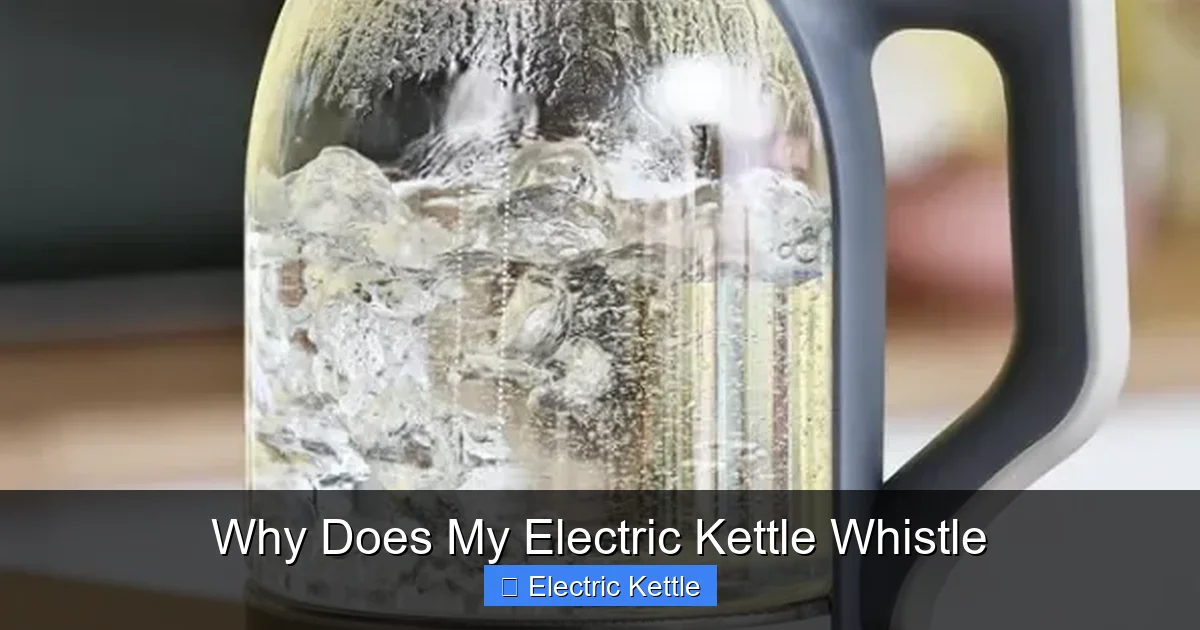
Visual guide about Why Does My Electric Kettle Whistle
Image source: irrorwxhiqijjr5q.ldycdn.com
To truly understand why your electric kettle whistles, it helps to take a closer look at the internal mechanics. While the basic principle is simple—steam escaping through a small opening—the actual design can vary between models. Let’s break it down step by step.
The Heating Process
When you turn on your electric kettle, electricity flows through a heating element located at the base of the unit. This element gets extremely hot, transferring heat directly to the water inside. Unlike stovetop kettles, where heat is applied from the outside, electric kettles heat the water from within, making them faster and more energy-efficient.
As the water temperature rises, tiny bubbles begin to form at the bottom of the kettle. These bubbles are pockets of steam. At first, they’re small and collapse quickly as they rise into cooler water. But once the entire body of water reaches boiling point, the bubbles grow larger and rise steadily to the surface, releasing steam into the air.
Steam Buildup and Pressure
Now, here’s where things get interesting. Most electric kettles are designed with a sealed or semi-sealed lid. This means that as steam is produced, it can’t easily escape. Instead, it builds up pressure inside the kettle. This pressure needs to go somewhere—and that’s where the whistle comes in.
The whistle is typically a small, dome-shaped or cylindrical component attached to the spout or lid. It contains a narrow passage or a reed-like structure. When steam pressure reaches a certain level, it’s forced through this opening. The rapid movement of steam through the narrow space creates vibrations in the air, producing sound waves. The frequency of these waves determines the pitch of the whistle—usually a high, sharp tone that’s hard to ignore.
Types of Whistle Mechanisms
Not all whistles are created equal. Some electric kettles use a simple vent with a whistle cap, while others have more complex internal reeds or chambers. Here are a few common designs:
– **Reed Whistle:** A thin metal or plastic reed vibrates as steam passes over it, creating a clear, consistent tone. This is similar to how a harmonica works.
– **Chamber Whistle:** Steam enters a small chamber and exits through a narrow slit, causing turbulence and sound. This design often produces a louder, more piercing whistle.
– **Vent-Only Whistle:** Some kettles have a basic vent with a whistle-shaped cap. The sound is created purely by the force of steam escaping, without any moving parts.
The type of whistle used can affect the volume, pitch, and reliability of the sound. Higher-end models may use precision-engineered reeds for a more pleasant tone, while budget kettles might rely on simpler, noisier designs.
Why Some Kettles Don’t Whistle
If your electric kettle doesn’t whistle, don’t panic—it’s not broken. In fact, many modern kettles are designed to be silent. Instead of a whistle, they use other indicators to let you know the water is ready:
– **Automatic shut-off:** Most electric kettles turn off automatically when the water reaches boiling point. This is often accompanied by a beep, light, or simply the power turning off.
– **Visual indicators:** Some kettles have LED lights that change color when the water is hot.
– **Temperature displays:** High-end models may show the exact water temperature on a digital screen.
These features are especially popular in open-plan kitchens or offices, where a loud whistle might be disruptive. They’re also great for people who prefer a quieter morning routine.
So, if your kettle doesn’t whistle, it’s likely by design—not defect. But if you’re used to the sound and suddenly notice it’s missing, it could be a sign of a problem, which we’ll explore later.
Common Reasons Your Electric Kettle Whistles—And When to Worry
Now that you know how the whistle works, let’s talk about when it’s normal—and when it might be a red flag. Most of the time, a whistling kettle is a good thing. It means your water is boiling and your kettle is doing its job. But there are situations where the whistle can signal an issue.
Normal Whistling: What to Expect
Under normal conditions, your electric kettle should whistle briefly when the water reaches boiling point. The sound usually lasts for a few seconds to a minute, depending on the model and how much water is inside. It’s loud enough to hear from another room but not so loud that it’s alarming.
For example, if you fill your kettle with one liter of water and press start, you might hear the whistle after 3–5 minutes. The sound should be consistent—clear and steady, not sputtering or weak. Once the whistle stops, the kettle should automatically shut off.
This is the ideal scenario. The whistle is functioning as intended, alerting you that your water is ready without overheating or wasting energy.
Weak or Inconsistent Whistling
If your kettle’s whistle sounds faint, sputters, or stops and starts, it could be a sign of mineral buildup. In areas with hard water, limescale can accumulate inside the kettle, especially around the heating element and whistle vent. This buildup can block steam flow, reducing the pressure needed to create a strong whistle.
For instance, imagine trying to blow through a straw that’s partially clogged with sand. The air can still get through, but it’s weaker and less consistent. The same thing happens with your kettle’s whistle when limescale blocks the vent.
Other causes of weak whistling include:
– Low water levels (not enough steam is produced)
– A loose or misaligned whistle component
– A damaged or worn-out reed
If you notice the whistle has become quieter over time, it’s worth checking for limescale and cleaning your kettle.
Excessive or Continuous Whistling
On the flip side, if your kettle whistles for an unusually long time—or starts whistling before the water is fully boiled—it could indicate a problem. This might happen if the thermostat is malfunctioning. The thermostat is the part of the kettle that senses the water temperature and triggers the automatic shut-off.
If the thermostat is faulty, it might not detect that the water has reached boiling point. As a result, the kettle keeps heating, producing more and more steam. The whistle continues because the steam keeps escaping, but the kettle doesn’t turn off. This can lead to overheating, wasted energy, and even safety hazards.
Another possibility is that the whistle mechanism itself is stuck or damaged. For example, if the reed is bent or the vent is partially blocked, it might cause the whistle to sound continuously, even when the kettle is off.
If your kettle is whistling non-stop, unplug it immediately and stop using it until it can be inspected or repaired.
Whistling at the Wrong Time
Sometimes, your kettle might whistle when it shouldn’t—like when it’s just warming up or after it’s been turned off. This could be due to residual steam escaping as the kettle cools down. It’s usually harmless, but if it happens frequently, it might indicate a seal or pressure issue.
For example, if the lid doesn’t close properly, steam might escape prematurely, triggering the whistle before the water is fully boiled. Or, if the internal pressure valve is stuck open, steam could leak out at odd times.
In rare cases, whistling during the heating phase (before boiling) could mean the heating element is overheating. This is a serious issue and should be addressed right away.
No Whistling at All
If your kettle used to whistle but suddenly stops, it could be due to:
– A clogged whistle vent (clean it with vinegar or a descaling solution)
– A broken or dislodged whistle component
– A malfunctioning heating element (not producing enough steam)
– A faulty thermostat (not reaching boiling point)
Start by cleaning the kettle thoroughly. If the whistle still doesn’t work after cleaning, it may need professional repair or replacement.
How to Maintain Your Kettle’s Whistle and Prevent Issues
Keeping your electric kettle in good condition is key to ensuring the whistle works properly—and that your kettle lasts for years. Regular maintenance not only improves performance but also prevents common problems like weak whistling or overheating.
Clean the Whistle Vent Regularly
The whistle vent is one of the most important parts of the mechanism. Over time, mineral deposits, dust, and debris can build up in the narrow opening, blocking steam flow. To clean it:
1. Unplug the kettle and let it cool completely.
2. Use a soft brush (like a toothbrush) to gently scrub the vent area.
3. For stubborn limescale, soak a cotton swab in white vinegar and insert it into the vent. Let it sit for 10–15 minutes, then rinse.
4. Wipe the area dry with a clean cloth.
Avoid using sharp objects, as they can damage the whistle or create sharp edges that affect sound quality.
Descale Your Kettle Every Few Months
Limescale is the enemy of electric kettles—and their whistles. In hard water areas, it can build up quickly, reducing efficiency and affecting performance. To descale:
1. Fill the kettle halfway with equal parts water and white vinegar.
2. Let it sit for 1–2 hours (or overnight for heavy buildup).
3. Boil the solution, then let it cool.
4. Empty the kettle and rinse thoroughly with clean water.
5. Boil fresh water 2–3 times to remove any vinegar taste.
Alternatively, use a commercial descaling solution following the manufacturer’s instructions.
Check the Lid and Seal
A properly sealed lid is essential for building steam pressure. If the lid is loose, cracked, or doesn’t close tightly, steam can escape prematurely, weakening the whistle. Inspect the lid and rubber seal regularly. Replace the seal if it’s worn or damaged.
Use the Right Amount of Water
Always fill your kettle within the recommended min and max levels. Too little water means less steam, which can result in a weak or absent whistle. Too much water can cause overflow or excessive pressure, potentially damaging the whistle or other components.
Store Your Kettle Properly
When not in use, store your kettle in a dry, cool place with the lid open slightly to allow moisture to escape. This prevents mold and mineral buildup inside the whistle mechanism.
When to Replace Your Electric Kettle
Even with proper care, electric kettles don’t last forever. Most have a lifespan of 3–5 years, depending on usage and maintenance. Here are signs it might be time to replace your kettle:
– The whistle no longer works, even after cleaning and descaling.
– The kettle takes much longer to boil water than it used to.
– You notice leaks, strange smells, or discoloration inside.
– The automatic shut-off fails, causing the kettle to overheat.
– The heating element is visibly damaged or corroded.
Replacing your kettle isn’t just about the whistle—it’s about safety and efficiency. A malfunctioning kettle can pose a fire or electrical hazard, so don’t ignore persistent issues.
When shopping for a new kettle, consider whether you want a whistling model or a silent one. Look for features like:
– Removable limescale filters
– Easy-clean designs
– Adjustable temperature settings
– Quiet operation modes
Some brands even offer kettles with customizable whistles—letting you choose the tone or disable it entirely.
Final Thoughts: Embrace the Whistle—or Silence It
So, why does your electric kettle whistle? It’s a clever combination of physics, engineering, and practicality. The whistle is more than just a sound—it’s a signal, a safety feature, and a nod to tradition. Whether you love it or find it annoying, understanding how it works can help you get the most out of your kettle.
If your kettle whistles as expected, enjoy the convenience. If it’s too loud, consider switching to a silent model or adjusting your routine. And if the whistle changes or stops, don’t ignore it—take action to clean, maintain, or replace your kettle as needed.
At the end of the day, your electric kettle is there to make your life easier. Whether it sings when it’s ready or quietly signals with a light, it’s doing its job. So the next time you hear that familiar whistle, you’ll know exactly what’s happening—and why.
Frequently Asked Questions
Why does my electric kettle whistle so loudly?
The loudness of the whistle depends on the design of the whistle mechanism and the amount of steam produced. Models with chamber whistles or narrow vents tend to be louder. Using more water can also increase steam pressure, making the whistle sound stronger.
Can I disable the whistle on my electric kettle?
Most electric kettles do not allow you to disable the whistle, as it’s built into the design. However, some high-end models offer quiet modes or removable whistle components. Check your user manual or consider upgrading to a silent kettle if noise is a concern.
Is it safe if my kettle whistles continuously?
Continuous whistling can indicate a malfunction, such as a faulty thermostat or blocked vent. Unplug the kettle immediately and stop using it. Continuous heating can lead to overheating, damage, or even fire hazards.
Why doesn’t my new electric kettle whistle?
Many modern electric kettles are designed to be silent and use automatic shut-off, lights, or beeps instead of a whistle. If your kettle is new and doesn’t whistle, it’s likely functioning as intended—no whistle doesn’t mean it’s broken.
How often should I clean my kettle’s whistle?
Clean the whistle vent every 1–2 months, or more often if you live in a hard water area. Regular cleaning prevents limescale buildup and ensures the whistle works properly.
Can a broken whistle affect the kettle’s performance?
A broken or clogged whistle won’t usually affect the heating function, but it can reduce steam pressure and lead to inefficient boiling. In some cases, it may cause overheating if the kettle doesn’t shut off properly.