An electric kettle is a smart, efficient upgrade for any kitchen. It boils water faster than stovetop methods, saves energy, and offers precise temperature settings for different beverages. Whether you’re brewing tea, making instant coffee, or preparing baby formula, an electric kettle delivers convenience, safety, and consistency with every use.
Key Takeaways
- Faster boiling times: Electric kettles heat water up to 50% quicker than stovetop kettles, saving you time during busy mornings.
- Energy efficiency: They use less electricity than boiling water on a stove, reducing your energy bills and environmental impact.
- Precise temperature control: Many models offer adjustable heat settings, perfect for delicate teas or French press coffee.
- Enhanced safety features: Auto shut-off, boil-dry protection, and cool-touch exteriors minimize risks of burns or accidents.
- Convenience and versatility: Ideal for tea, coffee, instant noodles, oatmeal, and even sterilizing baby bottles.
- Space-saving design: Compact and cordless models fit easily on countertops, making them great for small kitchens or dorm rooms.
- Easy to clean and maintain: Most have removable filters and smooth interiors that prevent mineral buildup and simplify cleaning.
📑 Table of Contents
- Why Electric Kettle Is a Game-Changer in Modern Kitchens
- Speed and Efficiency: Boil Water in Record Time
- Precision Temperature Control for Perfect Beverages
- Safety Features That Give You Peace of Mind
- Versatility: More Than Just Tea and Coffee
- Design and Convenience: Built for Modern Living
- Environmental and Economic Benefits
- Conclusion: Why Electric Kettle Deserves a Spot in Your Kitchen
Why Electric Kettle Is a Game-Changer in Modern Kitchens
Imagine this: It’s 7 a.m., you’re rushing to get ready for work, and all you want is a hot cup of tea to kickstart your day. You fill your stovetop kettle, place it on the burner, and wait—five, maybe seven minutes—while it slowly comes to a boil. Sound familiar? Now picture this instead: You press a button, walk away for two minutes, and return to perfectly boiled water, ready to steep your favorite blend. That’s the magic of an electric kettle.
Electric kettles have quietly revolutionized how we prepare hot beverages and meals. Once considered a luxury, they’ve become essential in homes, offices, and even dorm rooms. Why? Because they’re fast, efficient, and incredibly convenient. Unlike traditional stovetop kettles, electric kettles are designed to heat water quickly and safely, with minimal effort on your part. Whether you’re a tea enthusiast, a coffee lover, or just someone who values time and efficiency, an electric kettle can make a noticeable difference in your daily routine.
But it’s not just about speed. Modern electric kettles come packed with features that enhance safety, precision, and usability. From temperature control to automatic shut-off, these appliances are built with the user in mind. And with sleek designs and compact footprints, they fit seamlessly into any kitchen aesthetic. In this article, we’ll explore the many reasons why an electric kettle is more than just a kitchen gadget—it’s a smart investment in your daily comfort and convenience.
Speed and Efficiency: Boil Water in Record Time
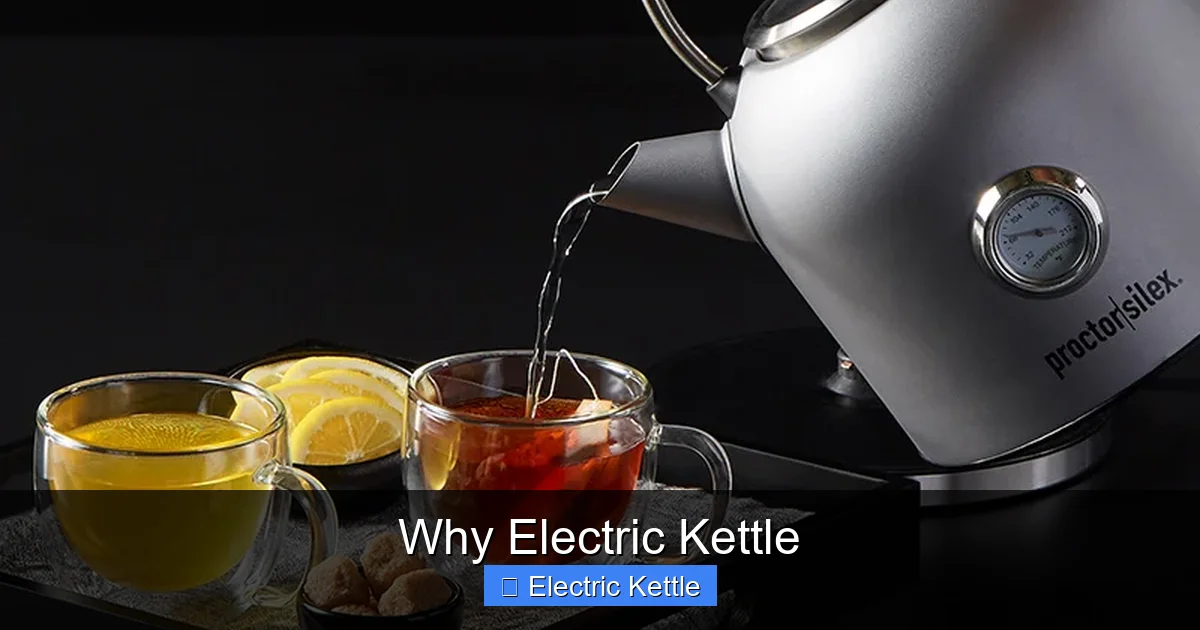
Visual guide about Why Electric Kettle
Image source: proctorsilex.com
One of the most compelling reasons to switch to an electric kettle is speed. If you’ve ever stood over a stovetop kettle, watching the seconds tick by as the water slowly heats up, you’ll appreciate how much time an electric kettle can save.
How Fast Is an Electric Kettle?
On average, an electric kettle can boil a full liter of water in just 3 to 4 minutes. Compare that to a stovetop kettle, which typically takes 6 to 8 minutes—sometimes longer if your stove isn’t very powerful. That’s a 50% reduction in waiting time, which adds up quickly over weeks and months. For busy professionals, parents, or students, those extra minutes can make a big difference.
Electric kettles achieve this speed through direct heating elements. Instead of relying on a burner to transfer heat to the kettle, the heating coil is built directly into the base of the appliance. This means nearly all the energy goes into heating the water, with minimal loss to the surrounding air. The result? Faster boiling and less wasted energy.
Energy Efficiency Matters
Not only are electric kettles faster, but they’re also more energy-efficient. According to the U.S. Department of Energy, electric kettles use about 20–30% less energy than stovetop kettles to boil the same amount of water. This is because electric kettles heat water directly and shut off automatically once boiling is reached, preventing unnecessary energy use.
For example, if you boil water on a gas stove, a significant amount of heat escapes into the air around the kettle. Electric kettles, especially those with insulated walls, retain heat better and use only the energy needed to reach the desired temperature. Over time, this efficiency can lead to noticeable savings on your electricity bill—especially if you boil water multiple times a day.
Real-World Examples
Let’s say you make two cups of tea every morning. With a stovetop kettle, that’s about 10 minutes of waiting over the course of a week. With an electric kettle, you cut that down to just 5 minutes. Multiply that by 52 weeks, and you’ve saved over 4 hours a year—just on tea! Now imagine doing the same for coffee, instant oatmeal, or even sterilizing baby bottles. The time savings add up fast.
And it’s not just about personal use. In offices, electric kettles are a staple in break rooms because they allow employees to quickly prepare hot drinks without disrupting their workflow. No more waiting for the office coffee machine to warm up or dealing with stale coffee. Just fill, press, and go.
Precision Temperature Control for Perfect Beverages
Not all hot drinks require boiling water. In fact, using water that’s too hot can ruin the flavor of certain teas and even damage delicate coffee grounds. This is where temperature control in electric kettles becomes a game-changer.
Why Temperature Matters
Different beverages require different water temperatures for optimal flavor extraction:
– Green tea: 160–185°F (70–85°C) – Boiling water can make it bitter.
– White tea: 175–185°F (80–85°C) – Needs gentle heat to preserve subtle notes.
– Oolong tea: 185–205°F (85–96°C) – Balances flavor without scalding.
– Black tea: 200–212°F (93–100°C) – Can handle near-boiling water.
– French press coffee: 195–205°F (90–96°C) – Too hot, and it becomes over-extracted and bitter.
Without precise control, it’s easy to overheat water and end up with a disappointing cup. Traditional kettles don’t offer this level of customization—you either boil or you don’t.
Electric Kettles with Variable Settings
Many modern electric kettles come with adjustable temperature settings, allowing you to select the perfect heat level for your drink. Some models even have preset buttons for common beverages like “Green Tea,” “White Tea,” or “Coffee.” Once you select your setting, the kettle heats the water to the exact temperature and automatically shuts off.
For example, the Breville BKE820XL Smart Kettle features five precise temperature settings and a keep-warm function that maintains the water at the desired temperature for up to 20 minutes. This is ideal if you’re preparing multiple cups or need hot water for a recipe later.
Even budget-friendly models now offer basic temperature control. Brands like Mueller, Hamilton Beach, and Cuisinart include multi-temperature options that cater to tea lovers and coffee aficionados alike.
Benefits Beyond Taste
Precise temperature control isn’t just about flavor—it’s also about safety and efficiency. For instance, if you’re making baby formula, you need water that’s hot enough to dissolve the powder but not so hot that it scalds your baby’s mouth. An electric kettle with a 175°F setting lets you prepare safe, lukewarm water in seconds.
Similarly, when making instant soups or oatmeal, you might not need boiling water. Using a lower temperature saves energy and prevents splattering or overcooking.
Safety Features That Give You Peace of Mind
Safety is a major concern when dealing with hot water and electricity. Fortunately, electric kettles are designed with multiple safety mechanisms to protect users from accidents.
Auto Shut-Off and Boil-Dry Protection
One of the most important safety features is automatic shut-off. Once the water reaches the boiling point (or your selected temperature), the kettle turns off immediately. This prevents overheating, reduces the risk of fire, and saves energy.
Even better, many electric kettles include boil-dry protection. If you accidentally turn on the kettle without water, the heating element won’t activate. This prevents damage to the appliance and eliminates the danger of a dry burn, which can be a fire hazard in stovetop kettles.
Cool-Touch Exteriors and Secure Lids
Unlike stovetop kettles, which can have hot handles and bodies, many electric kettles feature cool-touch exteriors. This means the outside stays safe to touch, even when the water inside is boiling. It’s especially useful if you have children or pets at home.
Additionally, electric kettles often have secure, locking lids that prevent spills during pouring. Some models include a push-button lid release, so you don’t have to touch the hot surface to open it.
Cordless Design for Safer Handling
Most electric kettles are cordless, meaning the kettle itself detaches from the base for easy pouring. This reduces the risk of tripping over cords or accidentally pulling the kettle off the counter. The base remains stationary and safe, while the lightweight kettle can be carried to the sink or table.
Overheat Protection and Stable Bases
High-quality electric kettles also include overheat protection, which shuts down the unit if internal temperatures rise too high. The bases are typically weighted and non-slip, ensuring the kettle stays firmly in place during use.
These features make electric kettles one of the safest ways to boil water at home. Whether you’re a busy parent, a senior, or just someone who values peace of mind, these safety mechanisms are worth the investment.
Versatility: More Than Just Tea and Coffee
While electric kettles are popular for brewing tea and coffee, their uses go far beyond beverages. Their ability to quickly heat water makes them incredibly versatile in the kitchen.
Cooking and Meal Prep
Need to make instant noodles? Just boil water in the kettle and pour it directly into the bowl. Making oatmeal? Use the kettle to heat water to the perfect temperature for creamy, lump-free results. Even recipes like ramen, couscous, or quinoa can benefit from precisely heated water.
Some people even use electric kettles to blanch vegetables or preheat water for pasta. While not a replacement for a full stove, it’s a handy shortcut for small tasks.
Sterilizing and Cleaning
Electric kettles are excellent for sterilizing baby bottles, pacifiers, and other small items. Simply boil water and use it to rinse or soak items for a few minutes. The high heat kills bacteria and ensures everything is safe for your baby.
You can also use boiled water to clean kitchen tools, like thermometers or reusable straws. The steam and heat help dissolve grease and sanitize surfaces.
Emergency Preparedness
In case of a power outage or water contamination, an electric kettle (especially one that can be used with a portable power source) can be a lifesaver. Boiling water kills harmful pathogens, making it safe to drink. If you have a backup battery or generator, an electric kettle can help you purify water quickly and efficiently.
Travel and Dorm-Friendly
Compact electric kettles are perfect for small spaces. College students in dorms, travelers in hotels, or remote workers in tiny apartments can all benefit from a portable kettle. Many models are lightweight, energy-efficient, and designed for single servings.
Some travel kettles even fold down or come with dual voltage settings, making them ideal for international trips. Just plug in, fill with water, and enjoy a hot drink anywhere.
Design and Convenience: Built for Modern Living
Electric kettles aren’t just functional—they’re also stylish and user-friendly. Modern designs prioritize ease of use, durability, and aesthetics.
Sleek and Space-Saving
Unlike bulky stovetop kettles, electric kettles come in compact, streamlined designs. Many are cordless and lightweight, making them easy to store on countertops or in cabinets. Some models have a small footprint, perfect for tiny kitchens or offices.
Materials range from stainless steel to BPA-free plastic and glass. Stainless steel kettles are durable and resist stains, while glass models let you watch the water boil—a satisfying visual experience. Plastic kettles are often more affordable and come in a variety of colors.
Easy to Clean and Maintain
Cleaning an electric kettle is simple. Most have smooth interiors and removable limescale filters that catch mineral deposits. To descale, just fill the kettle with equal parts water and white vinegar, let it sit for an hour, then rinse thoroughly.
Some high-end models even have self-cleaning functions or indicator lights that remind you when it’s time to descale. Regular maintenance keeps your kettle running efficiently and prevents off-flavors in your drinks.
Quiet Operation
Unlike stovetop kettles that whistle or rattle, electric kettles operate quietly. The heating process is smooth and silent, making them ideal for early mornings or late-night use when you don’t want to disturb others.
Smart Features and Connectivity
The latest electric kettles are getting smarter. Some models connect to Wi-Fi and can be controlled via smartphone apps. You can set timers, adjust temperatures remotely, or even schedule boiling times. While not essential, these features add a layer of convenience for tech-savvy users.
Other innovations include LED indicators, keep-warm functions, and memory settings that remember your last temperature choice.
Environmental and Economic Benefits
Switching to an electric kettle isn’t just good for your routine—it’s also better for your wallet and the planet.
Lower Energy Consumption
As mentioned earlier, electric kettles use less energy than stovetops. This reduces your carbon footprint and lowers your electricity bill. Over a year, the savings might seem small, but they add up—especially in households that boil water multiple times a day.
Reduced Water Waste
With an electric kettle, you only boil the amount of water you need. There’s no need to fill a large stovetop kettle just to make one cup of tea. This reduces water waste and ensures your drinks taste fresher, since you’re not reheating old water.
Long-Term Durability
Quality electric kettles are built to last. With proper care, many models can function for 5–10 years. This reduces the need for frequent replacements, cutting down on electronic waste.
Support for Sustainable Habits
Using an electric kettle encourages mindful consumption. You’re more likely to boil only what you need, avoid overfilling, and maintain your appliance properly. These small habits contribute to a more sustainable lifestyle.
Conclusion: Why Electric Kettle Deserves a Spot in Your Kitchen
An electric kettle is more than just a convenient appliance—it’s a smart, efficient, and versatile tool that enhances your daily life. From faster boiling times and precise temperature control to advanced safety features and eco-friendly benefits, the advantages are clear.
Whether you’re a tea connoisseur, a coffee lover, a busy parent, or someone who simply values time and efficiency, an electric kettle can make a meaningful difference. It saves you minutes every day, reduces energy use, and delivers consistent results with every use.
Investing in a quality electric kettle is an investment in comfort, safety, and sustainability. With so many models available—from basic to high-tech—there’s one to fit every need and budget. So the next time you’re waiting for water to boil on the stove, ask yourself: Why not make the switch? Your future self will thank you.
Frequently Asked Questions
Are electric kettles safe to use?
Yes, electric kettles are very safe when used properly. They come with features like auto shut-off, boil-dry protection, and cool-touch exteriors to prevent accidents. Always follow the manufacturer’s instructions and avoid overfilling.
Can I use an electric kettle for cooking?
Absolutely! While not a replacement for a stove, electric kettles are great for making instant noodles, oatmeal, or blanching vegetables. Just ensure the kettle is designed for food use and clean it thoroughly afterward.
Do electric kettles use a lot of electricity?
No, electric kettles are actually energy-efficient. They use less power than stovetop kettles because they heat water directly and shut off automatically. This can lead to lower electricity bills over time.
How do I clean and maintain my electric kettle?
Clean your kettle regularly by descaling with a vinegar-water solution. Remove the filter if your model has one and rinse it under running water. Wipe the exterior with a damp cloth and avoid submerging the base in water.
Can I boil milk or other liquids in an electric kettle?
It’s not recommended. Most electric kettles are designed for water only. Boiling milk or sugary liquids can damage the heating element, cause burning, and void the warranty. Use a saucepan instead.
What should I look for when buying an electric kettle?
Consider features like temperature control, capacity, material (stainless steel, glass, or plastic), safety features, and ease of cleaning. Read reviews and choose a reputable brand for reliability and performance.