Electric kettles are convenient, but they can be dangerous if misused or poorly maintained. From electrical hazards to overheating risks and chemical leaching, understanding these dangers helps you stay safe while enjoying your morning tea or coffee.
Key Takeaways
- Electrical hazards are common: Faulty wiring, frayed cords, or water contact with electrical parts can cause shocks or fires.
- Overheating and dry boiling pose serious risks: Running an empty kettle can damage the heating element and even start a fire.
- Plastic components may leach chemicals: Low-quality plastic kettles can release harmful substances like BPA when heated.
- Steam burns are a real danger: Opening the lid too quickly or placing hands near the spout can result in painful burns.
- Mineral buildup reduces safety and efficiency: Limescale can insulate the heating element, causing overheating and potential malfunctions.
- Children and pets are especially vulnerable: Hot water and exposed cords make electric kettles a household hazard for curious kids and animals.
- Regular maintenance is essential: Cleaning, inspecting cords, and replacing old kettles can prevent accidents.
📑 Table of Contents
- Introduction: The Hidden Dangers Behind a Common Kitchen Appliance
- Electrical Hazards: Shocks, Short Circuits, and Fire Risks
- Overheating and Dry Boiling: When Convenience Turns Dangerous
- Chemical Leaching: The Hidden Health Risk
- Steam Burns and Physical Injuries
- Limescale Buildup: A Silent Threat to Safety and Performance
- Child and Pet Safety: A Household Hazard
- Conclusion: Stay Safe Without Sacrificing Convenience
Introduction: The Hidden Dangers Behind a Common Kitchen Appliance
Electric kettles are a staple in kitchens around the world. They’re fast, efficient, and perfect for making tea, coffee, instant noodles, or even sterilizing baby bottles. In fact, it’s hard to imagine a modern kitchen without one. But while they make life easier, few people stop to think about why electric kettle is dangerous—especially when used incorrectly or with a low-quality model.
At first glance, an electric kettle seems simple: you fill it with water, plug it in, press a button, and in minutes, you have boiling water. But beneath that convenience lies a range of potential hazards. From electrical malfunctions to chemical exposure and physical injuries, the risks are real—and often underestimated. Many of these dangers stem from poor design, lack of maintenance, or simply not following basic safety guidelines.
This article dives deep into the reasons why electric kettle is dangerous, not to scare you away from using one, but to help you use it more safely. By understanding the risks, you can make smarter choices, maintain your appliance properly, and protect your family from harm. Whether you’ve owned a kettle for years or are considering buying your first one, this guide will give you the knowledge you need to stay safe.
Electrical Hazards: Shocks, Short Circuits, and Fire Risks
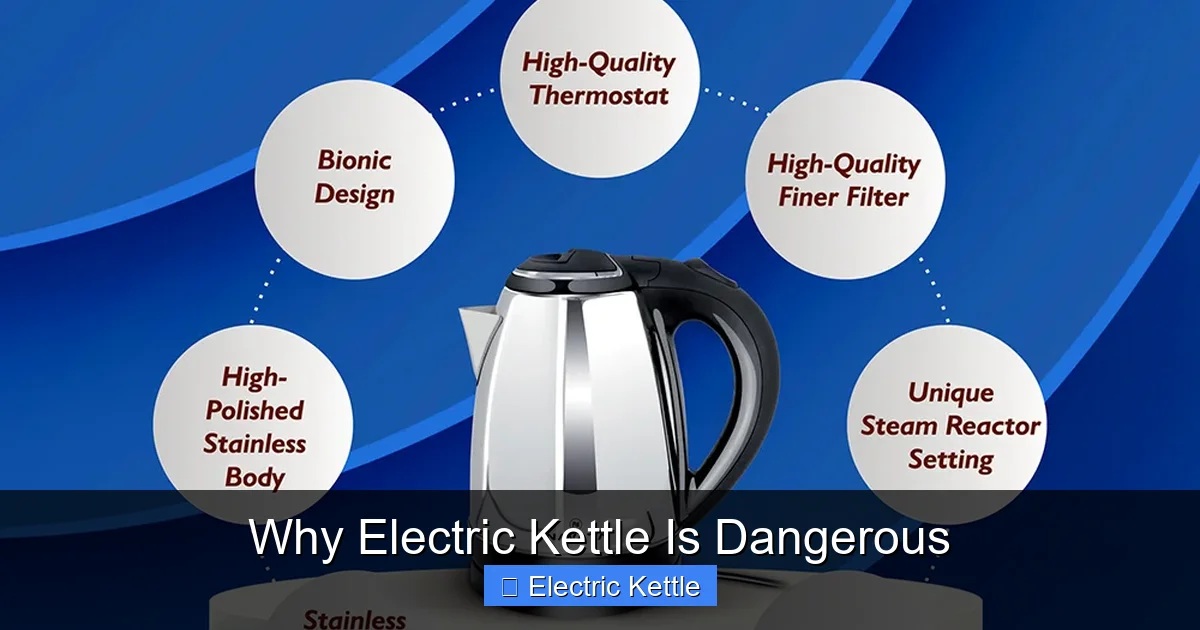
Visual guide about Why Electric Kettle Is Dangerous
Image source: navataappliances.com
One of the most serious concerns when it comes to why electric kettle is dangerous is the risk of electrical hazards. These appliances operate at high power—typically between 1,500 and 3,000 watts—and are constantly exposed to water, creating a dangerous combination if something goes wrong.
Faulty Wiring and Damaged Cords
Over time, the power cord of an electric kettle can become frayed, cracked, or damaged—especially if it’s frequently bent or pulled. A damaged cord increases the risk of electric shock, particularly when the kettle is near water. Even a small nick in the insulation can expose live wires, turning your countertop into a potential hazard zone.
For example, imagine reaching for your kettle after it’s boiled, and your hand brushes against a frayed cord lying in a puddle of water. The result could be a painful shock or worse. This is why it’s crucial to inspect the cord regularly. If you notice any damage, stop using the kettle immediately and replace it.
Water and Electricity Don’t Mix
Electric kettles are designed to keep water and electricity separated, but accidents happen. Spills, leaks, or even condensation can seep into the base or electrical components. If water reaches the heating element or internal wiring, it can cause a short circuit, leading to sparks, smoke, or even a fire.
A common mistake is placing the kettle on a wet countertop or near the sink. Even a small splash can be enough to compromise the internal safety mechanisms. Always ensure the base and surrounding area are dry before use.
Overloaded Outlets and Power Strips
Another overlooked danger is plugging your kettle into an overloaded outlet or a low-quality power strip. Electric kettles draw a lot of power, and if the circuit is already handling other high-wattage appliances (like a microwave or toaster), it can overload the system. This may trip the breaker—or worse, cause overheating in the wiring, increasing fire risk.
Tip: Always plug your kettle directly into a wall outlet, and avoid using extension cords unless absolutely necessary. If you must use one, make sure it’s rated for high-wattage appliances.
Overheating and Dry Boiling: When Convenience Turns Dangerous
One of the most preventable yet dangerous scenarios with electric kettles is dry boiling—running the kettle with little or no water inside. This happens more often than you’d think, especially when you’re in a rush or distracted.
What Happens During Dry Boiling?
Electric kettles rely on water to cool the heating element. When there’s no water, the element continues to heat up, reaching extremely high temperatures in seconds. Most modern kettles have an automatic shut-off feature to prevent this, but these safety mechanisms aren’t foolproof.
If the thermostat fails or the sensor gets clogged with limescale, the kettle may not turn off. The result? The heating element can overheat, melt internal components, or even ignite nearby materials like paper towels or wooden cabinets.
Real-Life Example: A Kitchen Fire
In 2021, a family in the UK reported a small kitchen fire caused by an electric kettle left on without water. The automatic shut-off failed due to mineral buildup, and the heating element overheated, melting the plastic interior and igniting a nearby dish towel. Fortunately, no one was injured, but the damage to the kitchen was significant.
This incident highlights why regular cleaning and maintenance are essential. Even if your kettle has safety features, they can fail—especially in hard water areas where limescale accumulates quickly.
How to Prevent Dry Boiling
– Always check the water level before turning on the kettle.
– Never leave the kettle unattended while it’s heating.
– Replace old kettles with models that have reliable auto shut-off and boil-dry protection.
– If your kettle doesn’t have a visible water level indicator, consider upgrading to one that does.
Chemical Leaching: The Hidden Health Risk
While electric kettles are generally safe, some models—especially cheaper ones—may pose health risks due to chemical leaching. This occurs when harmful substances from the kettle’s materials seep into the water during heating.
Plastic Kettles and BPA Exposure
Many budget electric kettles are made with plastic interiors or exteriors. Some of these plastics contain bisphenol A (BPA) or similar chemicals, which can leach into hot water—especially when the kettle is used repeatedly or overheated.
BPA is an endocrine disruptor, meaning it can interfere with hormone function. Long-term exposure has been linked to reproductive issues, developmental problems in children, and increased risk of certain cancers. While many manufacturers now offer BPA-free kettles, not all plastics are safe. Look for labels like “BPA-free” and “food-grade” when shopping.
Metal Kettles and Heavy Metals
Stainless steel kettles are generally safer, but low-quality models may contain trace amounts of heavy metals like nickel, lead, or cadmium. If the steel isn’t food-grade or the interior coating is damaged, these metals can leach into your water—particularly when boiling acidic liquids like lemon water.
For example, repeatedly boiling lemon juice in a poorly coated steel kettle can corrode the interior, releasing harmful particles into your drink. Over time, this could lead to metal toxicity.
How to Choose a Safer Kettle
– Opt for kettles made from high-quality stainless steel or glass.
– Avoid plastic interiors, especially if they’re not clearly labeled as food-safe.
– Check for certifications like FDA approval or LFGB (European food safety standards).
– Replace kettles with scratches, rust, or peeling interiors—these are signs of degradation.
Steam Burns and Physical Injuries
Another reason why electric kettle is dangerous is the risk of burns—especially from steam. Boiling water produces intense heat and steam, which can cause serious injuries if not handled properly.
The Danger of Steam
Steam is often underestimated because it’s invisible. But it can be hotter than boiling water and can cause deeper, more severe burns. When you open the lid of a boiling kettle, a burst of steam can shoot out, hitting your face, hands, or arms.
Children are especially at risk. A curious toddler reaching for the kettle could get a face full of steam, leading to painful burns. Even adults can be caught off guard—especially if the kettle is overfilled or the lid isn’t secured properly.
Spills and Scalds
Pouring boiling water is another common cause of injury. If the kettle is too full, the water can splash out when you tilt it. Or, if the handle is loose or the spout is misaligned, the kettle could tip over, spilling hot water across the counter or your lap.
In one case, a woman in Australia suffered second-degree burns on her legs after her kettle tipped over while she was pouring tea. The kettle had a faulty base that wasn’t locking properly onto the heating element.
Safety Tips to Prevent Burns
– Always open the lid slowly and stand to the side to avoid steam.
– Keep the kettle away from the edge of the counter.
– Use oven mitts or a towel when handling a hot kettle.
– Never overfill the kettle—leave at least an inch of space at the top.
– Teach children to stay away from the kitchen when the kettle is in use.
Limescale Buildup: A Silent Threat to Safety and Performance
If you live in an area with hard water, you’ve probably noticed a white, chalky buildup inside your kettle—this is limescale, caused by minerals like calcium and magnesium.
While it might seem harmless, limescale is one of the key reasons why electric kettle is dangerous over time.
How Limescale Affects Safety
Limescale acts as an insulator. When it builds up on the heating element, it prevents heat from transferring efficiently to the water. As a result, the element has to work harder and longer to boil the water, increasing the risk of overheating.
In severe cases, the limescale can trap heat, causing the element to burn out or fail. It can also clog the automatic shut-off sensor, preventing the kettle from turning off when it should—leading to dry boiling and potential fire hazards.
Impact on Taste and Health
Limescale can also affect the taste of your water, giving it a metallic or chalky flavor. While it’s not toxic, drinking water with high mineral content over time may contribute to kidney stones in susceptible individuals.
Moreover, limescale can harbor bacteria and mold if not cleaned regularly, especially in the spout or lid area. This is particularly concerning if you use your kettle to prepare baby formula or food.
How to Clean and Prevent Limescale
– Clean your kettle monthly with a mixture of white vinegar and water (1:1 ratio). Let it sit for an hour, then boil and rinse thoroughly.
– Use a descaling solution designed for kettles if vinegar isn’t effective.
– Consider using filtered water to reduce mineral buildup.
– Replace your kettle every 3–5 years, or sooner if limescale is severe.
Child and Pet Safety: A Household Hazard
Electric kettles pose unique dangers in homes with children and pets. Their curiosity, combined with the kettle’s heat and electrical components, creates a high-risk environment.
Children and Hot Water
Young children are naturally drawn to shiny objects and sounds. The clicking of the kettle turning on, the steam rising, and the bright light can be fascinating. But a child pulling on the cord or reaching for the spout could result in severe burns or electrocution.
In the U.S., thousands of children are treated in emergency rooms each year for scalds related to hot liquids, including kettles. Even a small splash can cause serious injury on sensitive skin.
Pets and Electrical Cords
Dogs and cats may chew on cords, especially if they’re left dangling from the counter. A chewed cord can expose wires, leading to shocks or fires. Cats, in particular, are curious and may jump onto counters, knocking over a hot kettle.
Safety Measures for Families
– Store the kettle in a high cabinet when not in use.
– Use cord organizers to keep cords out of reach.
– Install safety covers on electrical outlets.
– Teach children about the dangers of hot appliances.
– Never leave a boiling kettle unattended.
Conclusion: Stay Safe Without Sacrificing Convenience
So, why electric kettle is dangerous? The answer lies in a combination of electrical risks, overheating, chemical exposure, physical injuries, and poor maintenance. But here’s the good news: most of these dangers are preventable.
By choosing a high-quality kettle, inspecting it regularly, and following basic safety practices, you can enjoy the convenience of fast-boiling water without the risks. Remember, safety isn’t about fear—it’s about awareness and smart habits.
Whether you’re brewing your morning coffee or preparing a quick meal, take a moment to check your kettle. Is the cord intact? Is there enough water? Is the area dry? These small actions can make a big difference.
Electric kettles are incredibly useful, but like any appliance, they require respect and care. With the right knowledge and precautions, you can keep your kitchen safe and your tea hot—without any unwanted surprises.
Frequently Asked Questions
Can an electric kettle explode?
While rare, electric kettles can explode if pressure builds up inside due to a blocked spout or faulty pressure release. This is more likely in poorly designed or damaged models. Always ensure the spout is clear and the lid seals properly.
Is it safe to leave an electric kettle plugged in?
Yes, it’s generally safe to leave it plugged in, but only if the kettle is off and the cord is undamaged. However, unplugging it when not in use reduces fire risk and saves energy.
How often should I clean my electric kettle?
Clean your kettle at least once a month, or more often if you live in a hard water area. Use vinegar or a descaling solution to remove limescale and prevent buildup.
Are glass kettles safer than plastic or metal ones?
Glass kettles are often safer because they don’t leach chemicals and are easy to clean. However, they can break if dropped, so handle with care.
What should I do if my kettle sparks or smokes?
Unplug it immediately and stop using it. Sparks or smoke indicate a serious electrical fault. Have it inspected by a professional or replace it.
Can I boil liquids other than water in an electric kettle?
It’s not recommended. Milk, tea, or soup can leave residues that are hard to clean and may damage the kettle or affect future boiling. Stick to water for safety and longevity.