Electric kettles make noise due to boiling water, mineral buildup, or design features—most of it is normal. Understanding the source helps you maintain your kettle and enjoy quieter, safer brewing.
Key Takeaways
- Boiling water creates steam bubbles: The popping and hissing sounds come from steam forming and collapsing in the water.
- Mineral deposits cause extra noise: Hard water leaves limescale that traps steam, leading to louder, rattling sounds.
- Heating element design matters: Coil or flat elements can vibrate or hum depending on power and build quality.
- Kettle material affects sound: Metal bodies resonate more than plastic, amplifying noise during heating.
- Loose parts may rattle: Detachable bases, lids, or internal components can vibrate if not secured properly.
- Water level impacts noise: Too little water increases noise; too much can cause overflow and splashing sounds.
- Regular cleaning reduces sound: Descaling and maintenance keep your kettle quieter and more efficient.
📑 Table of Contents
- Why Electric Kettle Makes Noise: A Complete Guide
- The Science Behind Kettle Noise: Why Water Boils the Way It Does
- Mineral Buildup and Hard Water: The Hidden Noise Culprit
- Heating Element Design: Why Some Kettles Are Louder Than Others
- Kettle Material and Construction: How Design Affects Sound
- Water Level and Usage Habits: Simple Fixes for a Quieter Kettle
- When to Worry: Signs Your Kettle Noise Is a Problem
- Tips for a Quieter, Longer-Lasting Kettle
- Conclusion
Why Electric Kettle Makes Noise: A Complete Guide
You’re in the kitchen, pouring a cup of tea or preparing instant coffee, and your electric kettle starts making strange noises—hissing, popping, rattling, or even a low hum. You pause, wondering: Is this normal? Or worse—Is something wrong with my kettle?
The truth is, most of the time, the noise your electric kettle makes is completely normal. But that doesn’t mean you should ignore it entirely. Understanding why your electric kettle makes noise can help you distinguish between harmless sounds and potential warning signs. Whether you’re a daily tea drinker or just someone who values a quiet morning routine, knowing the science and mechanics behind kettle noise can give you peace of mind—and maybe even help you extend the life of your appliance.
In this guide, we’ll dive deep into the reasons why electric kettles make noise, from the physics of boiling water to the impact of hard water and design flaws. We’ll also share practical tips to reduce unwanted sounds and keep your kettle running smoothly. By the end, you’ll know exactly what’s going on inside that humming, bubbling appliance on your countertop.
The Science Behind Kettle Noise: Why Water Boils the Way It Does
To understand why your electric kettle makes noise, it helps to start with the basics: how water boils. When you turn on your kettle, electricity flows through a heating element—usually located at the base—which rapidly heats up. This heat transfers to the water, raising its temperature until it reaches boiling point (100°C or 212°F at sea level).
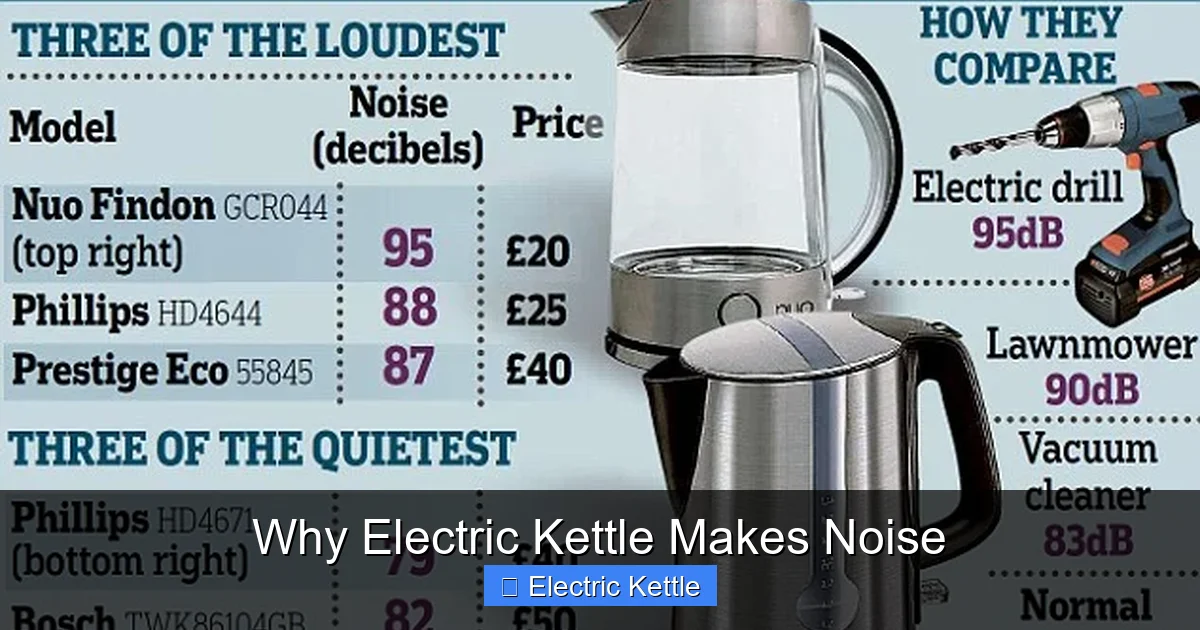
Visual guide about Why Electric Kettle Makes Noise
Image source: i.dailymail.co.uk
Steam Bubbles and the “Popping” Sound
As the water heats, tiny steam bubbles begin to form at the bottom of the kettle, where the heating element is hottest. These bubbles rise through the cooler water above. But here’s the catch: not all bubbles survive the journey. Many collapse before reaching the surface, especially in the early stages of heating. This rapid formation and collapse of steam bubbles creates the familiar popping or crackling sound you hear.
This phenomenon is known as cavitation—a process where vapor bubbles form in a liquid due to changes in pressure or temperature. In your kettle, it’s most intense when the water is just below boiling. Once the entire body of water reaches a uniform temperature, the bubbles rise steadily to the surface, and the noise becomes more of a steady hiss or roar.
Why Does It Sound Louder at First?
You might notice that your kettle is noisiest in the first minute or two of heating. That’s because the temperature gradient in the water is steepest at the beginning. The bottom is scalding hot, while the top is still cool. This uneven heating causes more violent bubble formation and collapse, leading to louder, more erratic sounds.
As the water heats evenly, the noise becomes smoother and more consistent. This is a good sign—it means your kettle is working efficiently and the water is approaching a full boil.
The Role of Water Purity and Dissolved Gases
Another factor influencing noise is the quality of your water. Tap water contains dissolved gases like oxygen and nitrogen. When water heats up, these gases are released as tiny bubbles before the water even reaches boiling point. This “pre-boiling” fizzing contributes to the early-stage noise.
Using filtered or distilled water can reduce this effect slightly, as these types of water have fewer dissolved gases. However, the difference in noise level is usually minor and won’t eliminate kettle sounds entirely.
Mineral Buildup and Hard Water: The Hidden Noise Culprit
One of the most common—and often overlooked—reasons your electric kettle makes noise is mineral buildup, especially if you live in an area with hard water. Hard water contains high levels of calcium and magnesium. When you boil water repeatedly, these minerals don’t evaporate—they settle on the heating element and interior surfaces as a chalky white residue called limescale.
How Limescale Affects Noise Levels
Limescale acts as an insulator. It reduces the efficiency of heat transfer from the heating element to the water, meaning your kettle has to work harder and longer to boil. But more importantly for noise, limescale creates rough, uneven surfaces on the heating element.
When steam bubbles form on these rough spots, they don’t release smoothly. Instead, they get trapped, grow larger, and collapse more violently. This leads to louder popping, crackling, and even a rattling sound. In severe cases, the scale can cause the heating element to overheat locally, producing a high-pitched sizzle or buzz.
Real-World Example: The Rattling Kettle
Imagine you’ve been using your kettle for a year without cleaning it. One morning, it starts making a loud, irregular rattling noise. You check the water level—it’s fine. You inspect the exterior—nothing loose. But when you look inside (if the kettle is transparent), you see a thick layer of white crust around the heating coil.
This is classic limescale buildup. The noise isn’t just annoying—it’s a sign that your kettle is losing efficiency and may be at risk of damage. Over time, heavy scale can cause the heating element to fail prematurely, requiring costly repairs or replacement.
How to Prevent and Remove Limescale
The best defense against limescale is regular descaling. Here’s a simple, effective method:
- Use vinegar: Fill the kettle halfway with equal parts white vinegar and water. Let it sit for 1–2 hours, then boil the solution. Let it cool, then rinse thoroughly.
- Use citric acid: Add 1–2 tablespoons of food-grade citric acid to a full kettle of water. Boil, let sit for 30 minutes, then rinse.
- Commercial descalers: Products like Durgol or Urnex are designed specifically for kettles and are safe and effective.
For prevention, consider using filtered water or installing a water softener if you have very hard water. Cleaning your kettle every 2–4 weeks can drastically reduce noise and extend its lifespan.
Heating Element Design: Why Some Kettles Are Louder Than Others
Not all electric kettles are created equal—and that includes how much noise they make. The design of the heating element plays a major role in sound production.
Coil vs. Flat Heating Elements
Most electric kettles use one of two types of heating elements: exposed coil or concealed flat plate.
- Exposed coil elements: These are visible at the bottom of the kettle. They heat quickly and are common in budget models. However, because they’re directly in contact with water, they’re more prone to limescale buildup and can produce louder popping sounds as bubbles form and collapse on the hot metal.
- Concealed flat elements: These are sealed under a smooth stainless steel plate. They’re easier to clean and less likely to accumulate scale. Because the heating surface is smoother, steam bubbles release more evenly, resulting in quieter operation.
If noise is a concern, kettles with concealed elements are generally the better choice—though they may cost slightly more.
Vibration and Humming: When the Element “Sings”
Some kettles produce a low hum or vibration during operation. This is often due to the electromagnetic field generated by the heating element. As electricity flows through the coil, it creates a magnetic field that can cause the metal to vibrate slightly—especially if the element isn’t perfectly secured.
This hum is usually harmless, but if it’s very loud or accompanied by a burning smell, it could indicate a loose component or electrical issue. In such cases, it’s best to stop using the kettle and have it inspected.
Power and Wattage: Faster Heating, More Noise?
Higher-wattage kettles (1500W–3000W) heat water faster, which can lead to more intense boiling and louder sounds. The rapid temperature rise creates more violent bubble formation, especially in the early stages.
While faster boiling is convenient, it may come at the cost of increased noise. If you prefer a quieter experience, consider a kettle with adjustable temperature settings or a lower wattage (around 1200W–1500W).
Kettle Material and Construction: How Design Affects Sound
The material your kettle is made of doesn’t just affect durability and heat retention—it also influences how much noise it makes.
Stainless Steel vs. Plastic Kettles
Stainless steel kettles are popular for their durability and sleek look. However, metal is an excellent conductor of sound. When steam bubbles pop or the heating element vibrates, the steel body can amplify these noises, making the kettle sound louder than it actually is.
Plastic kettles, on the other hand, tend to dampen sound. The polymer material absorbs vibrations and reduces resonance. As a result, plastic kettles are often quieter—though they may not feel as premium or last as long.
The Role of the Base and Lid
Loose or poorly fitted components can contribute to rattling or buzzing. For example:
- A detachable power base that isn’t seated properly may vibrate when the kettle is heating.
- A lid that doesn’t close tightly can rattle as steam escapes.
- Internal baffles or anti-splash guards (if present) may loosen over time and create noise.
Always ensure your kettle is assembled correctly. If you notice new or worsening rattling, check for loose parts and tighten or reseat them as needed.
Double-Walled and Insulated Kettles
Some premium kettles feature double-walled construction or insulation. These designs not only keep water hot longer but also reduce noise. The air gap or insulating material between the inner and outer walls acts as a sound barrier, muffling the sounds of boiling.
If you’re sensitive to noise—especially in open-plan kitchens or quiet homes—consider investing in an insulated or double-walled kettle.
Water Level and Usage Habits: Simple Fixes for a Quieter Kettle
Believe it or not, how you use your kettle can affect how much noise it makes. Small changes in habit can lead to a noticeably quieter experience.
Too Little Water = More Noise
Running your kettle with very little water (below the minimum fill line) can cause the heating element to overheat. This leads to rapid, uneven boiling and louder popping sounds. In extreme cases, it can damage the element or trigger the kettle’s safety shut-off.
Always fill your kettle to at least the minimum level—usually marked inside with a “Min” line. This ensures even heating and reduces stress on the element.
Too Much Water = Splashing and Overflow
Overfilling your kettle can cause water to splash or overflow when it boils, especially if you’re heating it quickly. This creates a different kind of noise—splattering and dripping—and can be a safety hazard.
Stick to the maximum fill line, and leave a little room for expansion. A good rule of thumb: fill only as much as you need for your current use.
Let It Cool Between Uses
Repeatedly boiling a kettle that’s still warm from a previous use can cause thermal shock. This sudden temperature change may lead to louder cracking or popping as the metal contracts and expands.
Allow your kettle to cool for a few minutes between uses, especially if you’re making multiple cups in quick succession.
Use the Right Temperature Setting
Many modern kettles offer variable temperature controls for different beverages (e.g., 80°C for green tea, 100°C for black tea). Using a lower temperature setting reduces the intensity of boiling, which in turn reduces noise.
If your kettle has this feature, take advantage of it—especially for delicate teas that don’t require a full boil.
When to Worry: Signs Your Kettle Noise Is a Problem
While most kettle noise is normal, there are times when it could signal a deeper issue. Here’s how to tell the difference.
Unusual or Sudden Changes in Sound
If your kettle suddenly starts making a new or much louder noise—especially if it’s accompanied by smoke, a burning smell, or sparks—stop using it immediately. These could be signs of electrical faults, overheating, or component failure.
Buzzing, Clicking, or Electrical Sounds
A low hum is normal, but a loud buzz, repeated clicking, or crackling from the base may indicate a problem with the power connection or internal wiring. This is more common in kettles with detachable bases.
Unplug the kettle and inspect the base and plug for damage. If you see frayed wires, scorch marks, or loose connections, do not use the kettle.
Excessive Vibration or Movement
If your kettle shakes or moves around on the counter while heating, it could mean the base isn’t level or the internal components are loose. This not only increases noise but could pose a safety risk.
Place the kettle on a flat, stable surface and ensure the base is clean and dry. If the problem persists, contact the manufacturer.
Persistent Loud Noise After Cleaning
If you’ve descaled your kettle and it’s still making loud, irregular noises, the heating element may be damaged or warped. In this case, it’s best to replace the kettle—especially if it’s more than 3–5 years old.
Tips for a Quieter, Longer-Lasting Kettle
Now that you know why your electric kettle makes noise, here are some practical tips to keep it running smoothly and quietly:
- Descale regularly: Clean your kettle every 2–4 weeks, depending on water hardness.
- Use filtered water: Reduces mineral buildup and improves taste.
- Don’t overfill or underfill: Stick to the recommended water levels.
- Let it cool between uses: Prevents thermal stress on the element.
- Choose a quality kettle: Look for concealed elements, insulated bodies, and good reviews.
- Store properly: Keep the kettle dry and upright when not in use.
By following these simple steps, you can enjoy a quieter, more efficient kettle for years to come.
Conclusion
So, why does your electric kettle make noise? In most cases, it’s just the sound of science at work—steam bubbles forming, water boiling, and heat transferring efficiently. While some noise is inevitable, understanding the causes helps you maintain your kettle and distinguish normal sounds from potential problems.
From limescale buildup to heating element design, water level, and material choice, many factors influence how loud your kettle gets. The good news? Most issues are preventable with regular cleaning and smart usage habits.
Next time your kettle starts humming and popping, don’t panic. Listen closely—chances are, it’s just doing its job. And with the tips in this guide, you can keep it running quietly, safely, and efficiently for many cups of tea to come.
Frequently Asked Questions
Is it normal for an electric kettle to make noise?
Yes, it’s completely normal for an electric kettle to make noise while heating. The popping, hissing, and bubbling sounds are caused by steam formation and water boiling. Most of these sounds are harmless and part of the normal operation.
Why is my electric kettle making a loud rattling noise?
A loud rattling noise is often caused by limescale buildup on the heating element. The mineral deposits create uneven surfaces that trap steam bubbles, leading to louder, more erratic sounds. Descaling the kettle usually resolves the issue.
Can a noisy electric kettle be dangerous?
Most kettle noise is safe, but if the sound is accompanied by smoke, sparks, a burning smell, or electrical buzzing, it could indicate a serious problem. Stop using the kettle immediately and have it inspected or replaced.
How can I make my electric kettle quieter?
To reduce noise, descale your kettle regularly, use filtered water, avoid overfilling or underfilling, and choose a model with a concealed heating element or insulated body. These steps help minimize vibrations and steam turbulence.
Does the material of the kettle affect how much noise it makes?
Yes, stainless steel kettles tend to amplify sound due to their resonant properties, while plastic kettles absorb vibrations and are generally quieter. Double-walled or insulated models also reduce noise significantly.
Should I be concerned if my kettle hums while heating?
A low hum is normal and usually caused by the electromagnetic field of the heating element. However, if the hum is very loud, accompanied by vibration, or changes suddenly, it may indicate a loose component or electrical issue—have it checked.