If your electric kettle has suddenly started whistling, it’s likely due to steam pressure, mineral buildup, or a faulty whistle mechanism. This guide explains the science behind the sound, common causes, and simple solutions to restore peace in your kitchen.
Key Takeaways
- Steam pressure triggers the whistle: When water boils, steam builds up and passes through a small opening, creating the familiar whistling sound.
- Mineral deposits can cause irregular whistling: Hard water leaves limescale that blocks steam flow, leading to inconsistent or louder noises.
- A clogged or damaged whistle needs cleaning or replacement: Food particles, dust, or wear can obstruct the whistle mechanism, altering its sound.
- Overfilling the kettle increases noise: Too much water reduces air space, causing faster steam buildup and louder whistling.
- Older kettles may whistle more due to wear: Over time, internal components degrade, affecting how steam is released.
- Proper maintenance prevents unwanted noise: Regular descaling and cleaning keep your kettle running smoothly and quietly.
- Some modern kettles don’t whistle at all: Many newer models use visual or auditory alerts instead of traditional whistles.
📑 Table of Contents
Why Has My Electric Kettle Started Whistling?
You’re in the kitchen, making your morning coffee or tea, and suddenly—your electric kettle lets out a sharp, high-pitched whistle. It’s loud, unexpected, and maybe even a little alarming. You might be thinking, “Wait, electric kettles aren’t supposed to whistle, are they?” Well, actually, some are—and many aren’t. But if yours has just started making this noise, it’s natural to wonder what’s going on.
Electric kettles are designed for convenience. They heat water quickly, automatically shut off when boiling, and often come with features like temperature control and keep-warm functions. But unlike their stovetop cousins, most electric kettles don’t have built-in whistles. So when one starts whistling out of the blue, it’s usually a sign that something has changed—either in the kettle’s design, its condition, or how it’s being used.
This guide will walk you through the most common reasons your electric kettle might be whistling, how to diagnose the issue, and what you can do to fix it. Whether it’s a simple cleaning job or a sign that your kettle is nearing the end of its life, we’ve got you covered. By the end, you’ll know exactly why that unexpected whistle is happening—and how to silence it for good.
Understanding How Electric Kettles Work
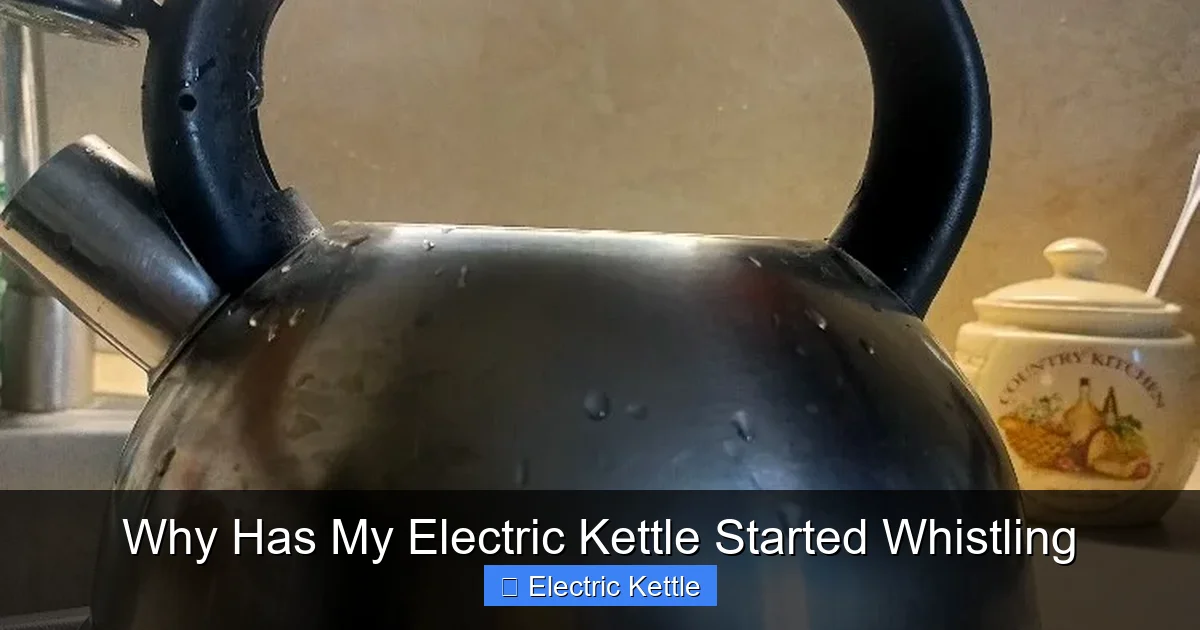
Visual guide about Why Has My Electric Kettle Started Whistling
Image source: meme-arsenal.com
Before we dive into why your kettle is whistling, it helps to understand how electric kettles function. Most people think of kettles as simple appliances—you fill them with water, plug them in, and wait for the water to boil. But there’s actually a bit of engineering behind the scenes that makes them so efficient and safe.
At the base of an electric kettle is a heating element, usually made of metal and submerged in the water. When you turn the kettle on, electricity flows through this element, generating heat. The heat transfers directly to the water, causing it to rise in temperature. Once the water reaches boiling point (around 212°F or 100°C at sea level), the kettle’s thermostat detects the temperature and automatically shuts off the heating element. This prevents overheating and saves energy.
Now, here’s where things get interesting: unlike stovetop kettles, which rely on steam escaping through a spout to create a whistle, most electric kettles don’t have a traditional whistle mechanism. Instead, they use electronic sensors or thermostats to signal when the water is boiling. Some models beep, flash a light, or simply stop heating. So if your electric kettle is whistling, it’s either because it was designed with a whistle feature—or something is causing unintended noise.
Types of Electric Kettles: Whistling vs. Non-Whistling
Not all electric kettles are created equal. Some are built with a built-in whistle, while others rely on modern alerts. Let’s break down the differences.
Traditional Whistling Electric Kettles: These are less common but still available. They include a small whistle mechanism, often located near the spout or lid, that activates when steam builds up. The steam passes through a narrow opening, causing vibrations that produce the whistling sound. These models are often marketed as “retro” or “classic” and appeal to people who enjoy the nostalgic sound of a boiling kettle.
Modern Non-Whistling Kettles: The majority of electric kettles today do not whistle. Instead, they use digital displays, LED lights, or audible beeps to indicate when the water has boiled. These kettles are quieter, more energy-efficient, and often come with advanced features like variable temperature settings for different types of tea.
So if your kettle has suddenly started whistling, and it didn’t do so before, it’s likely not a design feature—it’s a symptom of a problem.
Common Causes of Unexpected Whistling
Now that we know how electric kettles work, let’s explore the most common reasons yours might be whistling when it shouldn’t be. The good news? Most of these issues are fixable with a little troubleshooting and maintenance.
1. Steam Pressure and Airflow Issues
One of the primary reasons an electric kettle might whistle unexpectedly is due to changes in steam pressure or airflow. When water boils, it turns into steam, which needs a way to escape. In a properly functioning kettle, steam exits through vents or the spout without creating noise. But if something blocks or restricts this flow, the steam can build up pressure and escape through a smaller opening—like the lid or a tiny gap—creating a whistling sound.
For example, if the lid isn’t fully closed or is slightly warped, steam might escape unevenly, causing vibrations that produce a whistle. Similarly, if the spout is partially blocked or the kettle is overfilled, steam has less room to escape, increasing pressure and noise.
Tip: Always ensure the lid is securely closed and the kettle isn’t filled beyond the maximum line. This allows proper steam release and reduces the chance of whistling.
2. Mineral Buildup and Limescale
Hard water is a common culprit behind many kettle problems—including whistling. If you live in an area with hard water (water high in minerals like calcium and magnesium), these minerals can accumulate inside your kettle over time, forming a chalky deposit known as limescale.
Limescale can build up on the heating element, inside the spout, or around the lid seal. When steam tries to pass through these mineral deposits, it can create turbulence or blockages, leading to irregular whistling or high-pitched noises. In severe cases, the buildup can even affect the kettle’s heating efficiency, causing it to take longer to boil water.
Example: Imagine trying to blow air through a straw that’s partially clogged with sand. The air has to force its way through, creating a whistling sound. The same thing happens when steam encounters limescale in your kettle.
Solution: Regular descaling can prevent this issue. Use a mixture of white vinegar and water (1:1 ratio), let it sit in the kettle for 30 minutes, then rinse thoroughly. For stubborn buildup, repeat the process or use a commercial descaling solution.
3. Clogged or Damaged Whistle Mechanism
Even if your kettle wasn’t designed to whistle, some models have small vents or openings that can act like a whistle under certain conditions. If these openings become clogged with dust, food particles, or mineral deposits, steam may escape through them in a way that creates noise.
Additionally, if your kettle has a removable whistle or steam cap (common in some retro-style models), it might be loose, cracked, or misaligned. This can cause steam to escape unevenly, producing a whistling sound even when the water isn’t fully boiling.
Tip: Check the spout, lid, and any removable parts for blockages. Clean them with a soft brush or toothpick. If a part is damaged, consider replacing it—many manufacturers sell replacement whistles or lids online.
4. Overfilling the Kettle
It might seem harmless to fill your kettle to the brim, but overfilling can actually cause whistling. When there’s too much water, there’s less air space above the water line. As the water heats up and turns to steam, the steam has less room to expand, increasing pressure inside the kettle. This pressurized steam can escape through small gaps or vents, creating a whistling sound.
Example: Think of a pressure cooker—when steam builds up with nowhere to go, it forces its way out, often with a loud hiss or whistle. The same principle applies here.
Solution: Always follow the manufacturer’s guidelines for water levels. Most kettles have a “min” and “max” line—never exceed the maximum. This ensures proper steam release and prevents unnecessary noise.
5. Wear and Tear on Internal Components
Like any appliance, electric kettles wear out over time. After years of use, internal components such as the heating element, thermostat, or lid seal can degrade. A worn-out seal, for instance, might not close properly, allowing steam to escape in unpredictable ways. Similarly, a damaged heating element might cause uneven boiling, leading to pockets of steam that escape with force.
If your kettle is more than 5–7 years old and has started whistling recently, it could be a sign that it’s nearing the end of its lifespan. While some parts can be replaced, it’s often more cost-effective to invest in a new kettle—especially if it’s no longer heating efficiently or shutting off correctly.
Tip: If your kettle is old and making unusual noises, consider replacing it. Modern kettles are more energy-efficient, safer, and often quieter.
How to Diagnose the Problem
Now that you know the possible causes, it’s time to figure out what’s actually happening with your kettle. Diagnosing the issue doesn’t require special tools—just a little observation and some basic troubleshooting.
Step 1: Listen to the Whistle
Pay attention to when and how the whistling occurs. Does it happen:
– Only when the water is boiling?
– Before the water reaches boiling point?
– Continuously, even after the kettle shuts off?
A whistle that starts as the water boils and stops when the kettle turns off is likely related to steam pressure. A whistle that starts early or continues after shutdown could indicate a blockage or mechanical issue.
Step 2: Inspect the Kettle
Turn off and unplug the kettle, then let it cool completely. Once it’s safe to handle, check the following:
– Is the lid closing properly? Look for warping or damage.
– Is there visible limescale inside the spout or around the heating element?
– Are there any loose or damaged parts, such as a steam cap or whistle?
– Is the kettle overfilled?
Take a flashlight and look inside the spout and lid area. Mineral deposits often appear as white or gray crusts.
Step 3: Test with Clean Water
Fill the kettle with fresh, filtered water (to minimize minerals) and boil it again. Does it still whistle? If the noise is reduced or gone, hard water was likely the culprit. If it whistles just as loudly, the issue may be mechanical or design-related.
Step 4: Try Descaling
If you suspect limescale, perform a descaling cycle using vinegar or a commercial cleaner. After cleaning, rinse the kettle thoroughly and test it again. Many users find that a simple descaling resolves the whistling issue immediately.
Preventing Future Whistling
Once you’ve fixed the problem, you’ll want to keep your kettle quiet and efficient for as long as possible. Prevention is key—especially if you live in a hard water area or use your kettle daily.
Regular Cleaning and Descaling
Make descaling a part of your routine. For heavy users, descale every 1–2 months. For lighter use, every 3–4 months is sufficient. This prevents mineral buildup and keeps steam flowing smoothly.
DIY Descaling Recipe:
– Mix equal parts white vinegar and water.
– Fill the kettle to the max line.
– Let it sit for 30–60 minutes.
– Boil the solution, then let it cool.
– Empty and rinse thoroughly with clean water.
– Boil fresh water once or twice to remove any vinegar taste.
Use Filtered Water
Filtered or distilled water contains fewer minerals, reducing the risk of limescale. While it’s not always practical, using filtered water can significantly extend the life of your kettle and reduce maintenance.
Avoid Overfilling
Always fill your kettle to the recommended level. This ensures proper steam release and prevents pressure buildup. Plus, it’s more energy-efficient—you’re only heating the water you need.
Store Properly
When not in use, keep the kettle unplugged and with the lid open. This allows any residual moisture to evaporate, preventing mold and mineral buildup.
Replace When Necessary
Even with the best care, kettles don’t last forever. If your kettle is old, inefficient, or making strange noises despite cleaning, it’s time to upgrade. Modern kettles are quieter, safer, and often come with features like temperature control and auto-shutoff.
When to Replace Your Kettle
Sometimes, whistling is a sign that your kettle is on its last legs. Here are a few red flags that indicate it’s time for a replacement:
– The whistle persists even after cleaning and descaling.
– The kettle takes longer than usual to boil water.
– It doesn’t shut off automatically.
– There’s visible damage, such as cracks or leaks.
– The heating element is corroded or covered in thick limescale.
Investing in a new kettle isn’t just about stopping the noise—it’s about safety and efficiency. A faulty kettle can overheat, leak, or even pose a fire hazard.
Conclusion
So, why has your electric kettle started whistling? In most cases, it’s due to steam pressure, mineral buildup, or a mechanical issue—not a design flaw. By understanding how your kettle works and following simple maintenance steps, you can often resolve the problem quickly and quietly.
Remember: regular cleaning, proper filling, and using filtered water can go a long way in preventing unwanted noise. And if your kettle is old or damaged, don’t hesitate to replace it. A quiet, efficient kettle makes every cup of tea or coffee a little more enjoyable.
Next time you hear that unexpected whistle, don’t panic—just grab your vinegar and get cleaning. Your kettle (and your ears) will thank you.
Frequently Asked Questions
Why is my electric kettle whistling when it never did before?
This is usually due to mineral buildup, a clogged steam vent, or a damaged lid seal. Over time, limescale or debris can block steam flow, causing it to escape through small openings and create a whistle. Cleaning and descaling often resolve the issue.
Can hard water cause my kettle to whistle?
Yes, hard water leaves behind mineral deposits that can clog the spout or lid area. When steam tries to escape through these blockages, it can produce a whistling sound. Regular descaling with vinegar helps prevent this.
Is it safe to use a kettle that’s whistling loudly?
Generally, yes—whistling itself isn’t dangerous. However, if the kettle is overheating, not shutting off, or showing signs of damage, stop using it immediately. Loud whistling could indicate excessive pressure or a failing component.
How often should I descale my electric kettle?
If you use your kettle daily and have hard water, descale every 1–2 months. For lighter use or soft water, every 3–4 months is sufficient. Regular descaling prevents limescale buildup and keeps your kettle quiet.
Can I fix a broken whistle on my electric kettle?
If your kettle has a removable whistle or steam cap, you may be able to clean or replace it. Check the manufacturer’s website for replacement parts. If the whistle is built-in and damaged, replacement might not be feasible.
Do all electric kettles whistle?
No, most modern electric kettles do not whistle. They use electronic alerts like beeps or lights instead. Only certain retro or specialty models include a traditional whistle mechanism.